Pet friendly NZ refers to the expanding ecosystem of accommodations, public spaces, transport options, and rental properties across New Zealand that actively welcome companion animals. From Department of Conservation walking tracks and dog-friendly beaches to specialized cafes and supportive housing communities, this concept promotes an inclusive lifestyle where pets are integrated as valued family members.
Defining the Pet-Friendly Landscape in New Zealand
New Zealand is renowned for its love of nature and the outdoors, a passion shared by the nation’s pet owners. However, navigating the landscape of pet friendly NZ requires a nuanced understanding of local regulations, cultural expectations, and the unique geography of the country. Unlike some European nations where dogs are welcome in almost every restaurant and shop, New Zealand maintains a balance between public health regulations, conservation efforts, and pet owner rights. The concept of being “pet friendly” in Aotearoa goes beyond simply allowing a dog on the premises; it encompasses a holistic approach to animal welfare, community safety, and environmental stewardship.
For rescue advocates and adopters, understanding this landscape is critical. Many rescue animals come with specific needs—some may be reactive, others anxious—and finding environments that accommodate these temperaments is part of responsible guardianship. Whether you are looking to adopt a rescue dog or are a long-time owner, knowing where you are welcome is the first step toward a stress-free life with your companion.
Discovering Pet-Friendly Places and Services
Finding locations that genuinely welcome four-legged friends has become easier with the rise of digital directories and community-driven apps, but local knowledge remains king. In New Zealand, pet-friendly places are often categorized by the level of access allowed.
Cafes and Dining Establishments
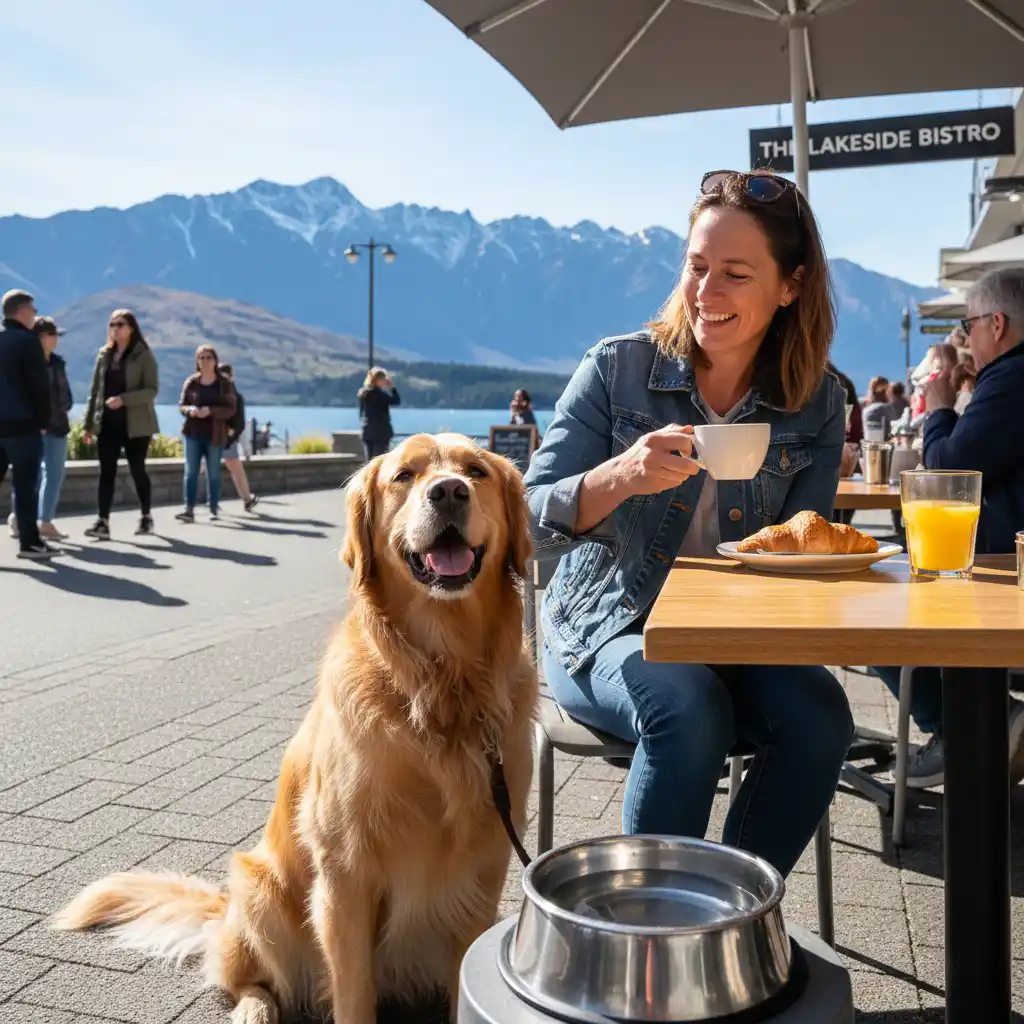
While the Food Act 2014 prevents animals (excluding service dogs) from entering food preparation and indoor dining areas, many Kiwi cafes have embraced the pet-friendly movement by utilizing outdoor spaces. It is common to see water bowls and even “puppuccino” items on menus in major hubs like Auckland, Wellington, and Christchurch. When searching for these spots, look for establishments with accessible courtyards or sidewalk seating. High-quality pet-friendly venues often partner with local rescue organizations, hosting adoption days or donating a percentage of sales, reinforcing the bond between commerce and community welfare.
Parks, Beaches, and Exercise Areas
New Zealand offers an abundance of green spaces, but rules vary significantly between councils. Most beaches operate on a seasonal schedule, restricting dog access during peak summer daylight hours (usually 10 am to 5 pm) to protect wildlife and other beachgoers. However, dedicated off-leash dog parks are increasing in number. These fenced areas are vital for rescue dogs working on socialization skills in a controlled environment. Always check the local council website for the specific “Exercise Areas” map before heading out.
Grooming and Wellness Services
The service sector for pets in NZ has exploded. Beyond standard veterinary care, there is a surge in holistic wellness centers offering hydrotherapy, acupuncture, and behavioral training. For rescue pets who may carry trauma or physical scars from their past, these specialized services are essential resources. Mobile grooming vans are also popular in suburban areas, providing a low-stress alternative for pets who get anxious during car rides.
Tips for Pet Travel and Accommodation in NZ
Traveling with pets in New Zealand is a rewarding experience, often referred to as the classic “Kiwi Road Trip.” However, it requires meticulous planning, especially regarding where you can sleep and where you can walk.
Finding the Right Accommodation
The spectrum of pet friendly NZ accommodation ranges from rugged campsites to luxury lodges. Holiday parks are arguably the most accessible option for families traveling with dogs, though many restrict pets during the peak Christmas/January period. Websites like “Bookabach” and “Bachcare” now feature robust filters for pet-friendly properties. When booking, it is crucial to clarify the fencing situation. A property listed as “pet friendly” might not have a fully secured perimeter, which is a non-negotiable safety feature for many rescue dogs with a high prey drive or history of roaming.
Navigating Department of Conservation (DOC) Land
One of the most critical aspects of pet travel in NZ is understanding the rules regarding National Parks and conservation land. To protect New Zealand’s unique native fauna, particularly the flightless Kiwi and Weka, dogs are strictly prohibited in many National Parks. However, the Department of Conservation (DOC) provides a list of specific tracks and campsites where dogs are permitted, often requiring a permit. Ignoring these rules can lead to hefty fines and puts vulnerable wildlife at risk. Responsible travel means checking the DOC website for “Dog Access” filters before every hike.
Transport Logistics
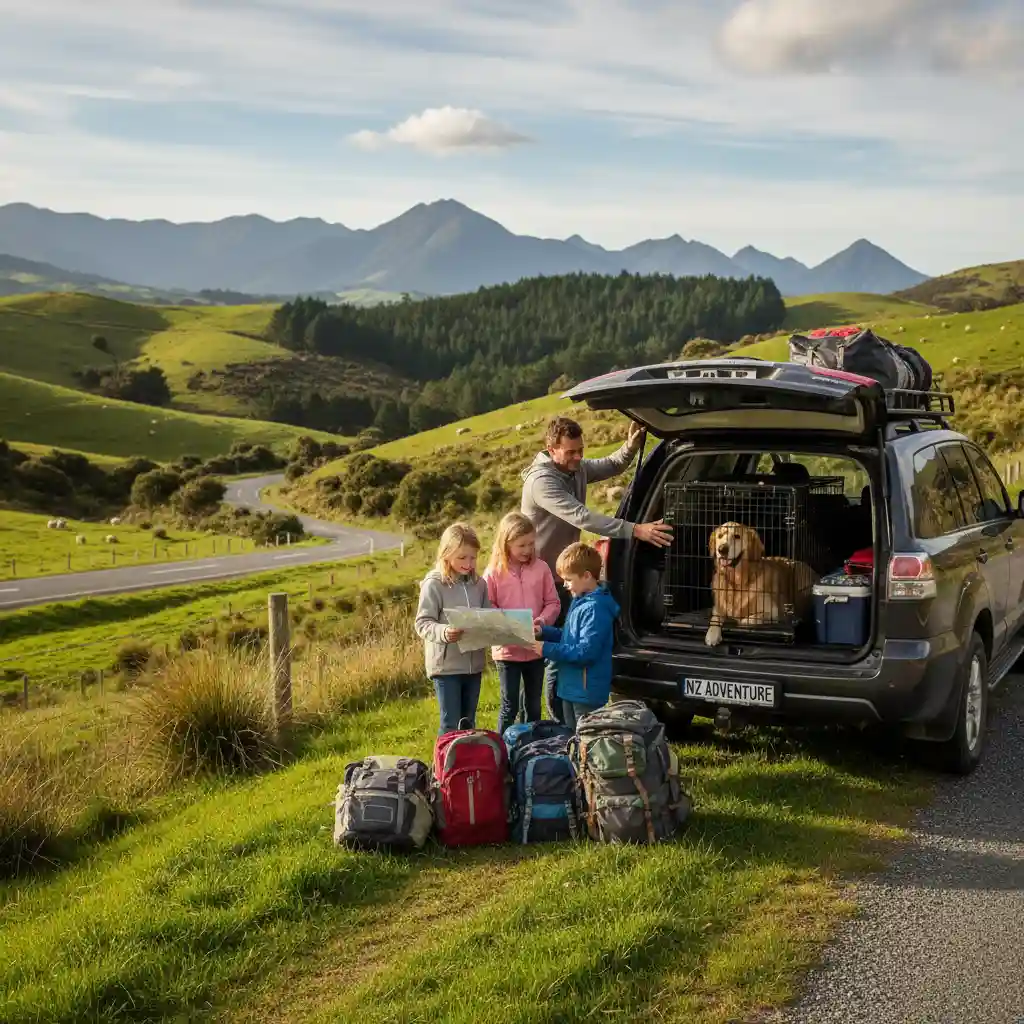
If you are traveling between the North and South Islands, the Interislander and Bluebridge ferries offer pet-friendly options. You can either leave your pet in your vehicle (checked regularly by staff) or book a designated kennel. Air travel is more restrictive; Air New Zealand generally requires pets to travel as cargo unless they are service animals. For road trips, ensure your vehicle is equipped with a secure crate or seatbelt harness to prevent driver distraction and ensure animal safety in the event of sudden braking.
Navigating the Rental Market with Pets
Perhaps the most significant challenge for pet owners in New Zealand is the rental market. With a high demand for housing and a limited supply of pet-friendly rentals, tenants often face an uphill battle. This issue is a leading cause of animal surrender to rescue centers, making it a critical topic for the niche.
Creating a Pet CV
To stand out to landlords, prospective tenants should create a professional “Pet CV.” This document should include a photo of the pet, details about their breed, age, and size, and evidence of registration and desexing. Including references from previous landlords or a letter from a veterinarian confirming the animal’s good health and behavior can significantly sway a property manager’s decision. For rescue dogs, a certificate of graduation from obedience training demonstrates a commitment to responsible ownership.
Understanding Tenancy Rights
Currently, New Zealand tenancy law does not automatically grant tenants the right to own a pet, but changes are frequently debated. Landlords can request a “pet bond” (though this is often capped within the total bond limit) or include specific clauses regarding carpet cleaning upon exit. It is vital to have any agreement regarding pets written explicitly into the tenancy agreement to avoid future disputes. Resources like Tenancy Services offer guidance on how to structure these agreements legally and fairly.
Creating a Safe and Engaging Home Environment
Once you have secured a home, creating an environment that meets your pet’s physical and psychological needs is paramount. This is especially true for rescue animals adjusting to a new life.
Enrichment and Mental Stimulation
A bored pet is often a destructive pet. In the NZ context, where backyard sizes in new developments are shrinking, indoor enrichment is vital. Puzzle feeders, snuffle mats, and rotational toy systems keep animals mentally sharp. For cats, vertical space is key; installing shelves or cat trees allows them to survey their territory safely, which is crucial for multi-pet households.
Safety and Escape Prevention
New Zealand homes often feature extensive indoor-outdoor flow. Secure fencing is the first line of defense. For cat owners, the conversation around containment is growing. Building “catios” or using cat-proof fencing allows felines to enjoy the fresh air without threatening local birdlife or risking road accidents. This aligns with the conservation-minded ethos of the pet friendly NZ community.
Building a Harmonious Pet-Owner Community
A truly pet-friendly nation is built on community cooperation and mutual respect. Being a part of the “Pet Rescue NZ” niche means advocating for responsible behavior that keeps public spaces open to animals.
Etiquette in Public Spaces
The golden rule of community harmony is effective waste management. Always carry bags and dispose of waste in designated bins. Furthermore, understanding on-leash vs. off-leash etiquette is vital. Even in off-leash areas, an owner must have effective voice control over their dog. Allowing a dog to rush up to other dogs or people—regardless of how “friendly” they are—is poor etiquette and can be terrifying for reactive rescue dogs or people with cynophobia (fear of dogs).
Advocacy and Support Networks
Community is also about support. New Zealand has a robust network of breed-specific clubs, rescue volunteer groups, and walking groups. Joining these communities provides social opportunities for both pets and owners. It also creates a safety net; if a pet goes missing, these local networks are often faster and more effective than official channels in mobilizing search parties. By participating in these groups, you contribute to a culture that values animal welfare and supports the mission of rescue organizations across the country.

Frequently Asked Questions
Are dogs allowed in New Zealand National Parks?
Generally, dogs are not allowed in National Parks in New Zealand to protect native kiwi and other wildlife. However, there are specific DOC tracks and campsites where dogs are permitted with a permit. Always check the Department of Conservation website before visiting.
Is it hard to find pet-friendly rentals in NZ?
Yes, the rental market in NZ can be competitive for pet owners. It is recommended to create a ‘Pet CV’ for your animal and offer references from previous landlords to improve your chances of securing a property.
Can I take my pet on public transport in New Zealand?
Rules vary by city. In Auckland, dogs are allowed on trains and ferries (usually muzzled or in a cage) and some buses during off-peak hours. Always check the specific transport operator’s policy (e.g., AT, Metlink) before traveling.
What are the rules for dogs on NZ beaches?
Dog access to beaches is managed by local councils. Typically, dogs are prohibited or must be on-leash during peak summer hours (e.g., 10am to 5pm) but are allowed off-leash in early mornings and evenings. Signage at beach entry points usually outlines specific restrictions.
Do I need to microchip my dog in New Zealand?
Yes, all dogs registered in New Zealand for the first time (except working farm dogs) must be microchipped within two months of registration. This is crucial for reuniting lost pets with their owners.
How do I travel between North and South Island with a dog?
The Interislander and Bluebridge ferries both allow pets. You can book a kennel for your dog, or they can remain in your car on the vehicle deck. They are not allowed in the main passenger lounges.