Dog parks NZ refers to designated public spaces across New Zealand, managed by local councils, where dogs are permitted to exercise either off-leash or on-leash. These areas include fenced reserves, specific beaches, and walking trails, requiring owners to strictly adhere to local bylaws regarding control, waste removal, and wildlife protection to ensure public safety.
Understanding New Zealand’s Dog Control Laws
Before exploring the vast array of dog parks NZ has to offer, it is imperative for every pet owner to understand the legal framework governing dogs in public spaces. In New Zealand, the primary legislation is the Dog Control Act 1996, which sets the baseline for ownership responsibilities. However, specific rules regarding where dogs can go, and whether they must be leashed, are largely determined by individual local councils (Territorial Authorities).
The distinction between “off-leash” and “on-leash” areas is strictly enforced. In an on-leash area, your dog must be connected to a lead held by a person capable of controlling the animal. In designated off-leash areas (often referred to as dog exercise areas), dogs may run free, but the owner must carry a leash at all times and the dog must be under “effective control.” This means the dog must return immediately upon command and not cause a nuisance to other park users or wildlife.
Furthermore, New Zealand takes the protection of its native flora and fauna seriously. Many public spaces, particularly those managed by the Department of Conservation (DOC), have strict restrictions. While some DOC tracks are open to dogs (often requiring a permit), National Parks and wildlife sanctuaries are generally strictly off-limits to protect kiwi, weka, and other vulnerable species. Failure to comply can result in significant fines and potential prosecution.
Top Dog Parks in the North Island
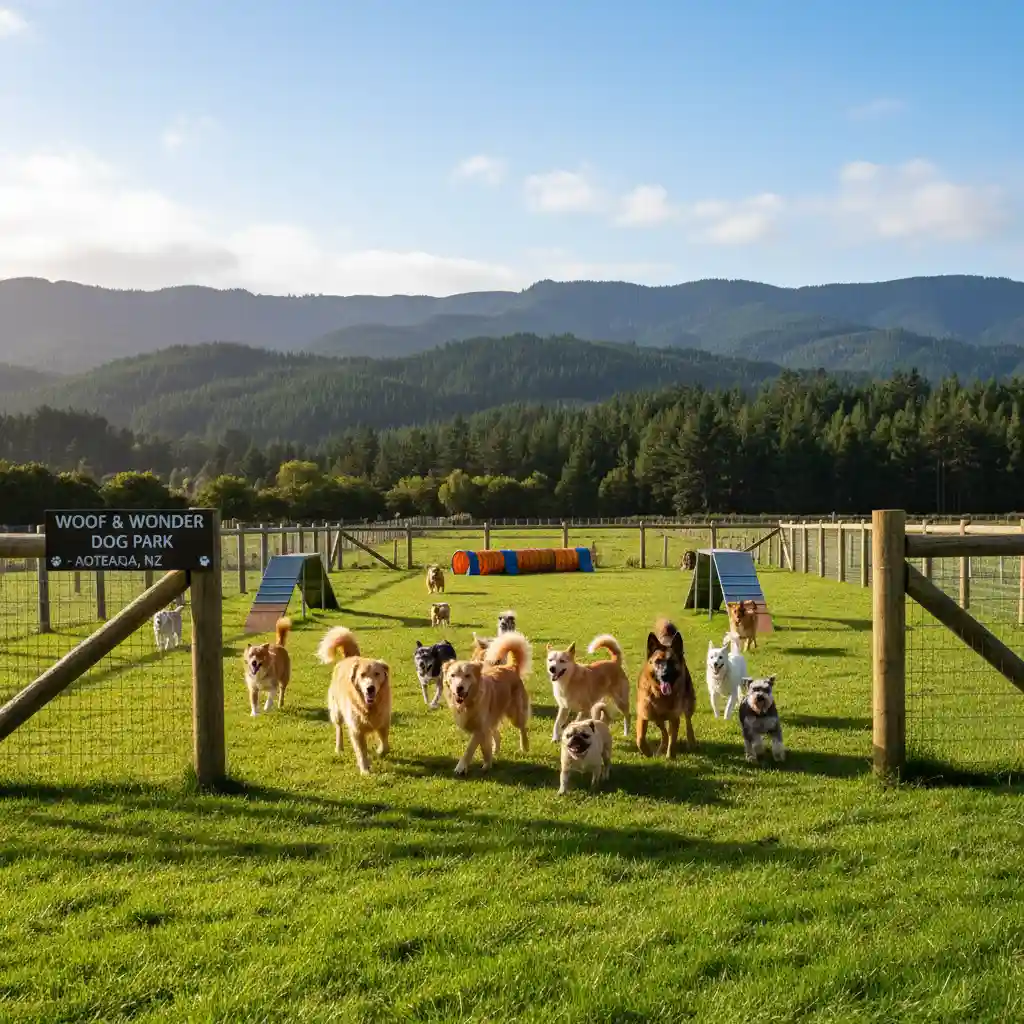
The North Island is densely populated and offers a high concentration of developed dog parks NZ owners love. These parks often feature agility equipment, secure fencing, and water stations.
Auckland: Meola Reef Dog Park
Located in Western Springs, Meola Reef is arguably Auckland’s most popular off-leash area. It is a fully fenced, large reserve situated on a peninsula extending into the Waitematā Harbour. The park features tall grass for dogs to run through in summer and muddy tracks in winter, making it a sensory paradise for canines. Because it is fenced, it is an excellent location for owners working on recall training in a distracting environment.
Wellington: Cog Park and Lyall Bay
Wellington’s geography offers unique spots for pets. Cog Park in Evans Bay is a dedicated fenced area perfect for smaller dogs or those needing containment. However, the crown jewel is Lyall Bay Beach. While technically a beach, the designated off-leash area is a social hub for Wellington dog owners. It allows dogs to sprint across the sand and swim in the surf, provided they stay within the marked zones.
Hamilton: The Pukete Farm Park
For those in the Waikato, Pukete Farm Park offers a semi-rural experience within city limits. It provides vast open spaces along the Waikato River. While not fully fenced, the area is extensive enough that dogs can exercise vigorously without encroaching on roads, provided they have a reliable recall.
Premier Dog Parks in the South Island
The South Island offers more rugged and expansive terrain. Dog parks here often blend seamlessly with the natural landscape, offering breathtaking views alongside exercise opportunities.
Christchurch: The Groynes
The Groynes is widely regarded as one of the best dog parks NZ has to offer. Located on the northern outskirts of Christchurch, it features two distinct dog parks. The first is a massive fenced area with agility courses and separate sections for large and small dogs. The second attraction is the dog swimming stream, a safe, slow-moving waterway where dogs can paddle to their heart’s content. The facility includes wash-down areas, making it convenient for owners to clean up their muddy companions before heading home.
Queenstown: Jardine Park
Situated in Kelvin Heights, Jardine Park offers a more manicured experience. It is a designated dog exercise area that connects to the Queenstown Trail. The backdrop of The Remarkables mountain range makes this one of the most scenic spots to walk a dog in the world. It is an open area, so it requires dogs to be well-socialized and under voice control.
Dunedin: East Taieri Dog Park
Recognizing the need for secure exercise areas, the Dunedin City Council established the East Taieri Dog Park. It is fully fenced and divided into areas for high-energy dogs and a quieter zone for shy or small dogs. This segregation is vital for safety, particularly for rescue dogs that may be rehabilitating from past trauma.
Coastal Access: Navigating Dog-Friendly Beaches
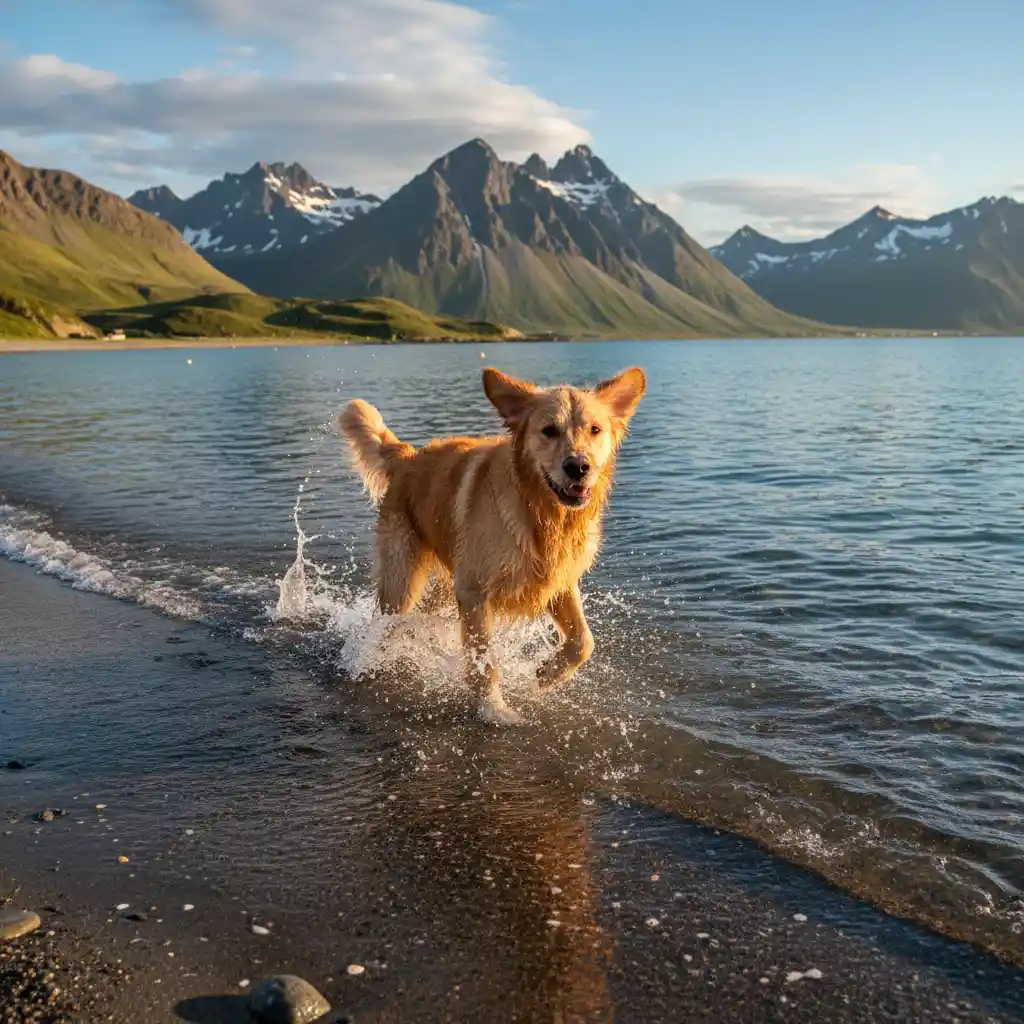
New Zealand’s coastline is a major drawcard, but beach access for dogs is seasonal and regulated. Most councils operate a “Summer Restrictions” policy, typically running from Labour Weekend (October) to Easter or April.
During these summer months, popular swimming beaches often prohibit dogs entirely between the hours of 9:00 AM or 10:00 AM and 5:00 PM or 7:00 PM. This is to minimize conflict between beachgoers and pets. Outside of these hours, or in winter, access is usually less restricted, often reverting to off-leash status.
Critical Wildlife Warning: When visiting coastal areas, owners must be vigilant regarding marine wildlife. New Zealand fur seals (kekeno) and sea lions often rest on dunes and beaches. A dog approaching a seal can cause fatal stress to the animal or result in the dog being attacked. Furthermore, ground-nesting birds such as Dotterels are highly vulnerable. Always scan the beach before releasing your dog and obey signage regarding wildlife sanctuaries.
Hiking with Hounds: Trails and Bush Walks
For active owners, “dog parks NZ” extends beyond grassy reserves to the country’s extensive trail network. However, distinguishing between a dog-friendly track and a prohibited conservation area is vital.
Forest Parks vs. National Parks
As a general rule of thumb, National Parks (e.g., Tongariro, Fiordland, Abel Tasman) are strictly no-dogs zones. This is to protect New Zealand’s flightless birds. However, many Forest Parks (e.g., Coromandel Forest Park, Tararua Forest Park) allow dogs, though often on a leash or with a DOC permit.
Notable Dog-Friendly Hikes
- Mt Victoria (Wellington): Offers numerous trails with panoramic city views.
- The Pinnacles (Wairarapa): (Not to be confused with Coromandel Pinnacles) A spectacular geological formation accessible to dogs on leads.
- Bottle Lake Forest (Christchurch): A massive pine forest with miles of shaded tracks ideal for keeping dogs cool in summer.
Always check the New Zealand Government guidelines or local council websites before heading out to ensure the track is currently open to pets.
Public Space Etiquette for Responsible Owners
Maintaining access to dog parks NZ is a privilege that relies on responsible ownership. Public perception of dogs can shift negatively if owners fail to uphold basic etiquette.
The “Scoop the Poop” Imperative
New Zealand prides itself on its “Clean, Green” image. Failing to pick up dog waste is not only an environmental hazard but also carries an instant infringement fine, ranging from $300 upwards depending on the council. Always carry more bags than you think you need.
Control and Consent
Not every dog (or human) wants to say hello to your pet. Even in off-leash areas, you should not allow your dog to rush up to on-leash dogs, children, or picnickers. This is known as having “effective control.” If your dog ignores your recall command to chase a ball thrown by someone else or to greet another dog, they are not under effective control.
Resource Guarding in Public
Avoid bringing high-value toys or treats into crowded dog parks. This can trigger resource guarding and aggression between dogs that do not know each other. Neutral play is the safest way to enjoy public spaces.

Socializing Rescue Dogs in Public Spaces
For those in the Pet Rescue NZ community, dog parks can be both a blessing and a challenge. Rescue dogs often come with unknown histories, and the high-stimulation environment of a busy dog park can be overwhelming.
If you have recently adopted a dog, avoid taking them to a crowded dog park immediately. Start with quiet, on-leash walks in low-traffic areas to build a bond and trust. Use the “two-week shutdown” method where the dog’s world is kept small before gradually introducing them to public spaces.
When you are ready to visit a park, choose off-peak times (early mornings or mid-week). Look for fenced parks like The Groynes or Meola Reef where you can utilize quieter corners. Always advocate for your rescue dog; if they look stressed (tucked tail, lip licking, hiding behind you), it is time to leave. Positive, short exposures are far more beneficial than long, stressful interactions.
Frequently Asked Questions
Are dogs allowed in National Parks in NZ?
Generally, no. Dogs are prohibited in most New Zealand National Parks to protect native wildlife, particularly kiwi. However, there are exceptions in specific areas of some parks, and many Forest Parks allow dogs with a permit.
Do I need to register my dog to use dog parks in NZ?
Yes. All dogs over the age of 3 months must be registered with their local council. You must attach the current registration tag to your dog’s collar. Failure to do so can result in a fine and being asked to leave public spaces.
What is the fine for not picking up dog poop in NZ?
Fines for failing to remove dog faeces vary by council but typically strictly start around $300 NZD. Councils may also issue fines for not carrying a waste bag with you while walking your dog.
Can I take my dog to the beach in summer?
Yes, but with restrictions. Most popular beaches have prohibited times during summer (e.g., 10 am to 5 pm) to separate dogs from swimmers. Always check the local signs at the beach entrance for specific dates and times.
What does ‘effective control’ mean in off-leash areas?
Effective control means your dog is not on a leash but will return to you immediately when called, stays within your sight, and does not bother other people or animals. If you cannot recall your dog, they should not be off-leash.
Are there fenced dog parks in New Zealand?
Yes, many major cities including Auckland, Christchurch, Wellington, and Dunedin have dedicated, fully fenced dog parks. These are ideal for training and for dogs that cannot yet be trusted off-leash in open areas.