Pet rehoming support NZ refers to the network of ethical resources, platforms, and organizations in New Zealand designed to assist owners in transitioning their companion animals to new families. This process prioritizes animal welfare through home-to-home transfers to minimize shelter stress, utilizing tools like the NZ Companion Animal Register, verified rescue groups, and vetting protocols to ensure safe, permanent placements.
Introduction: Navigating the Hardest Decision
Making the decision to rehome a beloved pet is arguably one of the most heart-wrenching choices a pet owner in New Zealand will ever face. Whether driven by the rising cost of living, housing insecurity, health issues, or behavioral challenges, the need to find a new home for an animal is never taken lightly. It is a decision often steeped in guilt, yet it is frequently the most selfless act of love an owner can perform when they can no longer provide the environment their pet requires.
In the current New Zealand landscape, animal shelters are frequently at capacity. This reality places a greater emphasis on Home-to-Home rehoming—a process where the pet stays with their current family until a new match is found. This method is widely regarded by animal behaviorists as the gold standard for rehoming, as it bypasses the trauma of a shelter environment and allows the current owner to provide vital information to the new family directly.
This guide serves as a comprehensive resource for New Zealanders seeking pet rehoming support. We will move beyond simple listings to explore the ethical, legal, and emotional frameworks necessary to ensure your pet transitions safely into a loving forever home.
The Home-to-Home Advantage: Why It Matters
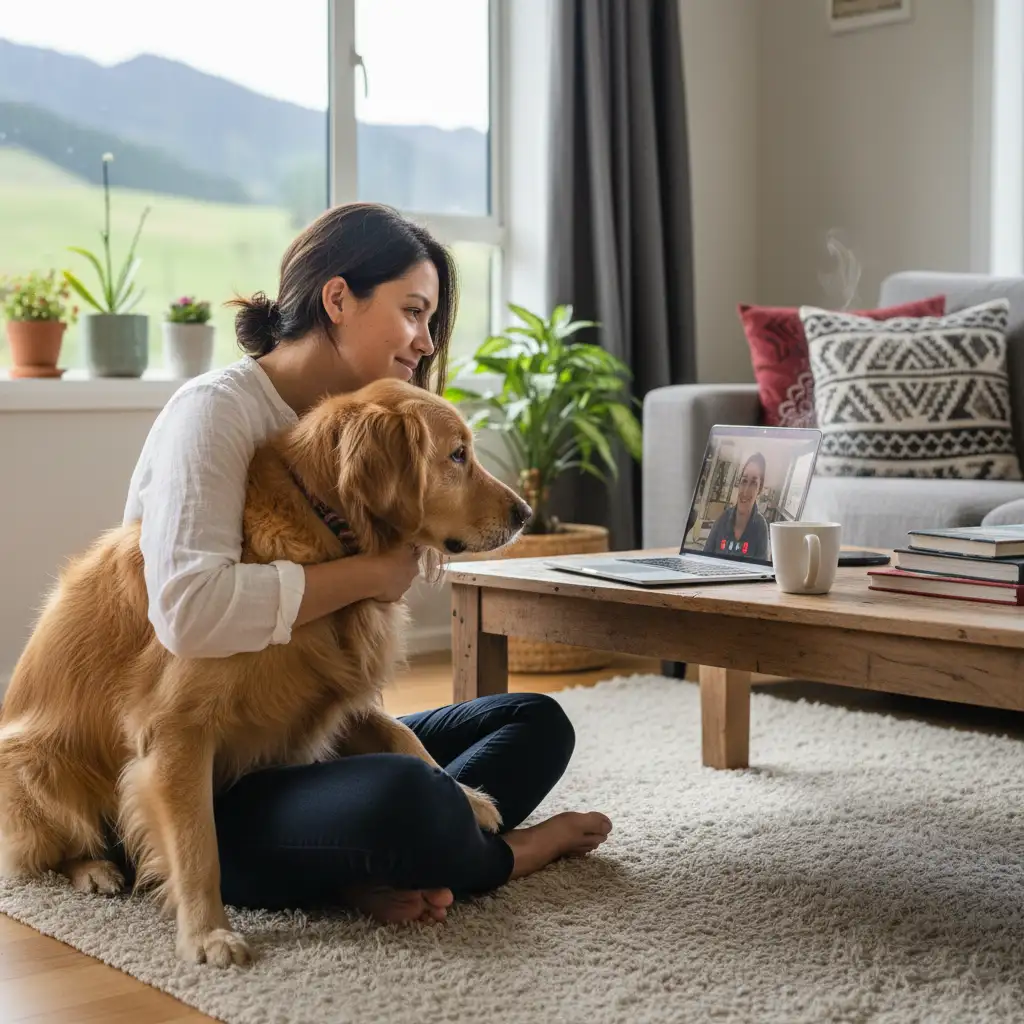
Home-to-home rehoming is the practice of keeping a pet in their current home while actively searching for a new owner, rather than surrendering the animal to a shelter (SPCA) or council pound. This approach is rapidly becoming the preferred model in New Zealand for several critical reasons.
Minimizing Trauma and Stress
Animals, particularly cats and dogs, rely heavily on routine and familiarity. Surrendering a pet to a kennel environment can induce severe anxiety, depression, and behavioral regression. By facilitating a direct transfer, the animal moves from one loving home to another, skipping the high-stress interim of a shelter cage. This continuity preserves the animal’s mental health and makes the integration into the new home significantly smoother.
Accurate Behavioral Assessment
No one knows your pet better than you. In a shelter environment, a dog might appear aggressive due to fear, or a cat might shut down completely. When you manage the rehoming process, you can provide the new owners with an honest, accurate profile of the pet’s personality, quirks, dietary needs, and medical history. This transparency is the key to preventing a failed adoption.
Control Over the Outcome
Perhaps the most significant benefit of home-to-home rehoming is the peace of mind it offers the current owner. You have the autonomy to screen applicants, conduct home checks, and choose the person you feel is the absolute best fit for your animal. You are not handing over control to a third party; you are actively curating your pet’s future.
How to Vet Potential Owners: A Step-by-Step Guide
Finding a candidate is only the first step. Ensuring that candidate is a safe, responsible, and permanent option requires a rigorous vetting process. In New Zealand, unfortunately, dog fighting rings and hoarders do exist, making due diligence mandatory.
1. The Initial Interview
Do not rely solely on text messages or emails. Arrange a phone call or video chat. Ask open-ended questions to gauge their lifestyle and experience:
- “Describe your daily routine and how the pet would fit into it.”
- “What are your views on indoor vs. outdoor access?” (Crucial for cats in NZ due to birdlife conservation).
- “Who is your current veterinarian?”
- “Do you own your home, or do you rent? If you rent, do you have written landlord permission?”
2. The Meet-and-Greet
Always arrange the first meeting in a neutral, public space if possible (for dogs), or ensure you have a support person with you if meeting at a home. Watch how the animal interacts with the potential owner. Does the person respect the animal’s boundaries? Do they seem knowledgeable about handling?
3. The Home Check
This is non-negotiable. You must see where the animal will live. Look for secure fencing (for dogs), a warm sleeping area, and general safety. If a potential adopter refuses a home check, this is a major red flag, and you should discontinue the process immediately.
4. Reference Checks
Ask for a vet reference. Call the clinic and ask, “Is this person a client, and are their current animals up to date on vaccinations and desexing?” A vet clinic cannot give you personal details, but they can often confirm if someone is a responsible owner.
Beyond Home-to-Home: Other Options
While home-to-home is ideal, it is not always possible. In cases of sudden hospitalization, eviction, or safety concerns, immediate surrender may be necessary. Here are the reputable avenues in New Zealand.
Breed-Specific Rescues
New Zealand has a robust network of breed-specific rescue groups (e.g., Golden Retriever Rescue, Greyhound Protection League). These organizations are experts in the specific needs of the breed and often utilize a network of foster homes rather than kennels. They are excellent resources for rehoming purebred animals.
No-Kill Sanctuaries and Charities
Organizations like HUHA (Helping You Help Animals) operate with a no-kill policy and focus on rehabilitation. They are often at capacity, so it is vital to contact them well in advance. They prioritize emergency cases but can sometimes assist with listing your pet on their platforms while the pet remains with you.
The SPCA (Society for the Prevention of Cruelty to Animals)
The SPCA is the largest animal welfare organization in New Zealand. While they are the primary authority for animal welfare investigations, they also accept surrenders. However, because they are an open-admission organization, they prioritize sick, injured, and vulnerable animals. Surrendering a healthy animal to the SPCA should be considered a last resort when all home-to-home options have been exhausted.
For more information on surrender policies, you can visit the SPCA New Zealand website.
Legal Advice & Ownership Transfer
Rehoming a pet in New Zealand involves administrative and legal steps to ensure the transfer of ownership is recognized. Failing to do this can lead to disputes later or liability issues if the animal causes damage or is found wandering.
Updating the NZ Companion Animal Register (NZCAR)
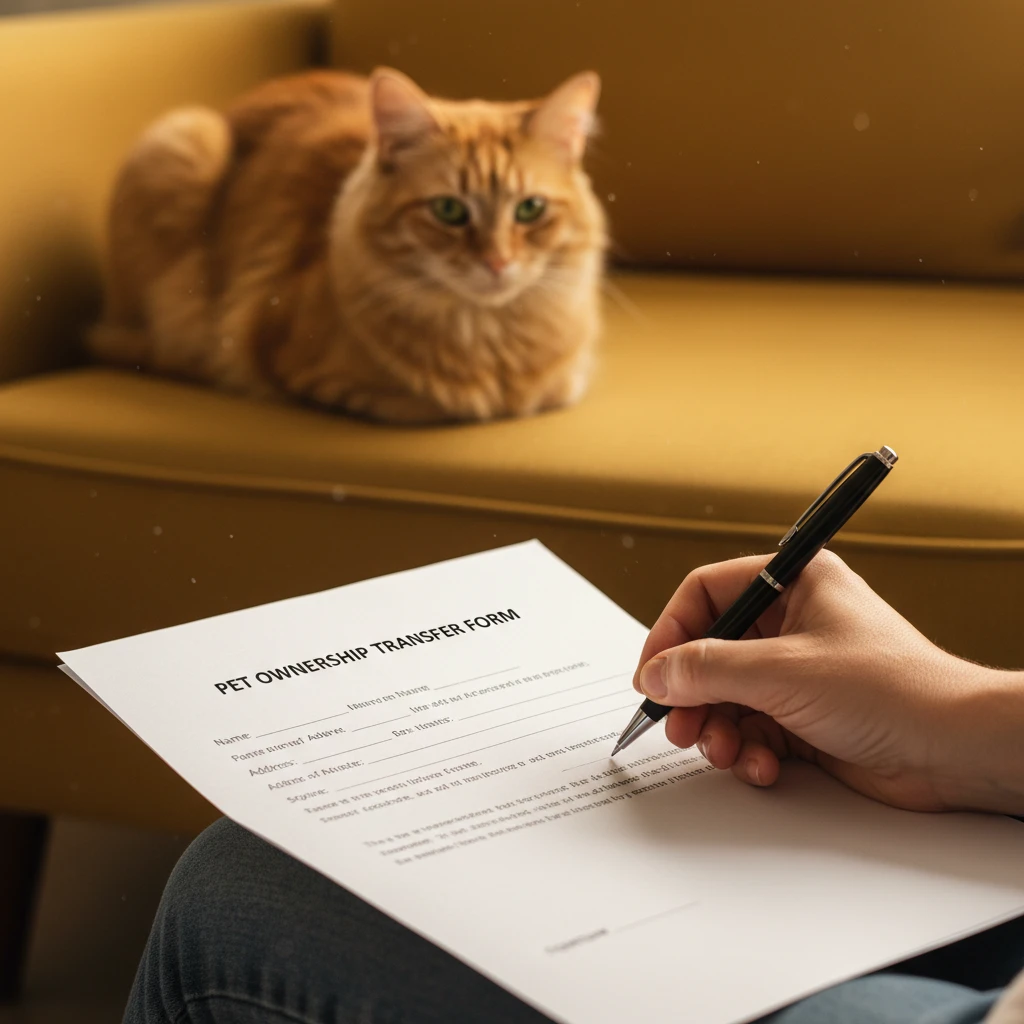
The most critical legal step is updating the microchip details. In NZ, the microchip is the primary method of proving ownership. When you rehome a pet, you must initiate a transfer of ownership on the NZ Companion Animal Register (NZCAR). The new owner will need to accept this transfer. Do not hand over the animal until you have initiated this process.
Rehoming Contracts
Even for private rehoming, it is wise to draft a simple rehoming contract. This document should state:
- The date of transfer.
- The details of the pet (Microchip number, description).
- A statement that the new owner accepts full responsibility for the animal’s welfare and veterinary costs.
- A “Return to Owner” clause: Many ethical rehomers include a clause stating that if the new owner can no longer keep the pet, they must contact the original owner first before rehoming or surrendering the animal.
Local Council Registration
For dogs, you must notify your local council (e.g., Auckland Council, Wellington City Council) of the change of ownership. The new owner is legally required to register the dog in their name. Failure to update this can result in the original owner receiving fines for registration or impoundment fees.
Dealing with the Emotional Stress of Rehoming
The emotional toll of rehoming a pet is often underestimated. Owners frequently suffer from “disenfranchised grief”—grief that is not acknowledged by society because the loss was a choice. You may feel intense guilt, shame, or a sense of failure.
It is vital to reframe the narrative. Rehoming is often an act of protection. If you cannot afford veterinary care, or if your housing situation is unstable, finding a home that can provide these things is an act of love, not abandonment. Acknowledging that you are putting the animal’s needs above your own desire to keep them is the definition of responsible ownership.
To cope with this stress:
- Focus on the outcome: Visualize your pet happy and secure in their new environment.
- Stay in touch (with boundaries): Ask the new owners for an update after two weeks. Seeing the pet settled can alleviate guilt. However, avoid constant contact, which can be confusing for the pet and intrusive for the new family.
- Seek support: Talk to friends who understand the human-animal bond, or seek counseling if the grief becomes overwhelming.
Community Support Networks in NZ
You do not have to navigate this process in isolation. New Zealand has a highly active digital community dedicated to animal welfare. Leveraging these networks can help you find potential adopters and emotional support.
Facebook Rehoming Groups
There are numerous “Home to Home” Facebook groups in NZ. Groups like “Pets for Adoption NZ” or regional equivalents (e.g., “Canterbury Pets”) allow you to post listings. Warning: When using social media, be hyper-vigilant. Never give a pet away for “free to a good home” on public forums, as this attracts dog fighters and bait-animal seekers. Always ask for a rehoming fee (which can be donated to charity) to ensure the new owner is financially invested.
Trade Me Pets
Trade Me is a popular platform, but it requires strict adherence to their Code of Welfare. They have policies against puppy milling and restrict certain sales. Using Trade Me can be effective because it reaches a wide audience, but the same vetting rules apply: interview, meet-and-greet, and home check.
Veterinary Clinics
Many local vet clinics have noticeboards in their waiting rooms. Placing a flyer here targets an audience that is already responsible enough to be at a vet clinic. Staff may also know of clients who have recently lost a pet and are looking to open their home to a new companion.
Frequently Asked Questions
Where can I surrender my dog in NZ if I can’t keep him?
If you cannot keep your dog, your first option should be a home-to-home rehoming process using platforms like Trade Me or verified Facebook groups. If immediate surrender is necessary, you can contact the SPCA, HUHA, or breed-specific rescue groups. Note that shelters often have waitlists and prioritize emergency welfare cases.
How much does it cost to rehome a pet in NZ?
If you are rehoming a pet privately, the cost is usually time and effort. However, if you surrender a pet to the SPCA or a private rescue, they may ask for a surrender fee (often between $20 and $100) to help cover the costs of caring for the animal until it is adopted.
Is it illegal to give away a pet for free in NZ?
It is not illegal to give a pet away for free in New Zealand, but it is strongly discouraged by animal welfare experts. Charging a rehoming fee helps deter people looking for bait animals or those who cannot afford the ongoing costs of pet ownership.
How do I change ownership of a microchipped pet in NZ?
To change ownership, you must log in to the New Zealand Companion Animal Register (NZCAR) website. You will initiate a transfer request using the new owner’s details. The new owner will then receive a notification to accept the transfer and pay a small administration fee to finalize the record.
Can I rehome a cat with behavioral issues?
Rehoming a cat with behavioral issues is difficult but possible. You must be completely transparent with new owners about the issues (e.g., inappropriate toileting or aggression). Barn cat programs or sanctuaries like HUHA are sometimes better options for cats that are not suitable for a standard domestic environment.
What questions should I ask someone adopting my pet?
You should ask about their housing situation (renting vs. owning), their work schedule (how long the pet will be alone), their experience with pets, their current vet, and if all members of the household are on board with the adoption. Always request a home visit.