
Prepare Your Home for Dog Rehoming in NZ: A Helpful Guide
Life changes. We get it. Sometimes, despite our absolute best intentions, keeping a beloved pet is no longer possible.
The rising cost of living in New Zealand has forced many hardworking families into incredibly tough corners. Recent data shows that 1 in 6 Kiwi pet owners have considered rehoming their animals due to severe financial strain.
If you are facing this heartbreaking reality, you are not alone, and you are certainly not failing. You are simply looking for the best possible outcome for your mate.
Learning how to prepare your home for dog rehoming in NZ is the first step in taking control of an overwhelming situation. By choosing a direct, home-to-home adoption, you keep your dog out of the shelter system and ensure their transition is as peaceful as possible.
Key Takeaways
To prepare your home for dog rehoming in NZ, maintain a calm routine and gather all vet records, council registration, and NZCAR microchip details. Focus on a direct home-to-home adoption to ensure zero cage time, keeping your dog safe while you screen potential new families.
The Reality of Rehoming in Aotearoa Right Now
The animal welfare system in New Zealand is currently buckling under unprecedented pressure. Traditional physical facilities are simply running out of space for the animals that need them most.
In Auckland alone, council shelters impounded a record 10,214 dogs in a recent 12-month period. Tragically, due to a severe lack of resources and space, this resulted in a devastating 60% euthanasia rate for impounded dogs.
This is exactly why the “No-Shelter” movement is so vital for Kiwi families. When you bypass the overwhelmed pound system, you guarantee your pet will never experience the trauma of a cold concrete kennel.
Your pet stays home until the right family says yes. No shelters. No middlemen. Just good people finding each other and giving a dog a second chance.
Step 1: Gathering the Essential Paperwork
Before you even write a listing, you need to get your dog’s administrative life in order. Serious adopters will want to see proof of health, council registration, and ownership.
Start by collecting all veterinary records, including their most recent vaccination certificates and desexing paperwork. Having these documents ready shows potential adopters that you are a responsible owner who cares about the animal’s wellbeing.
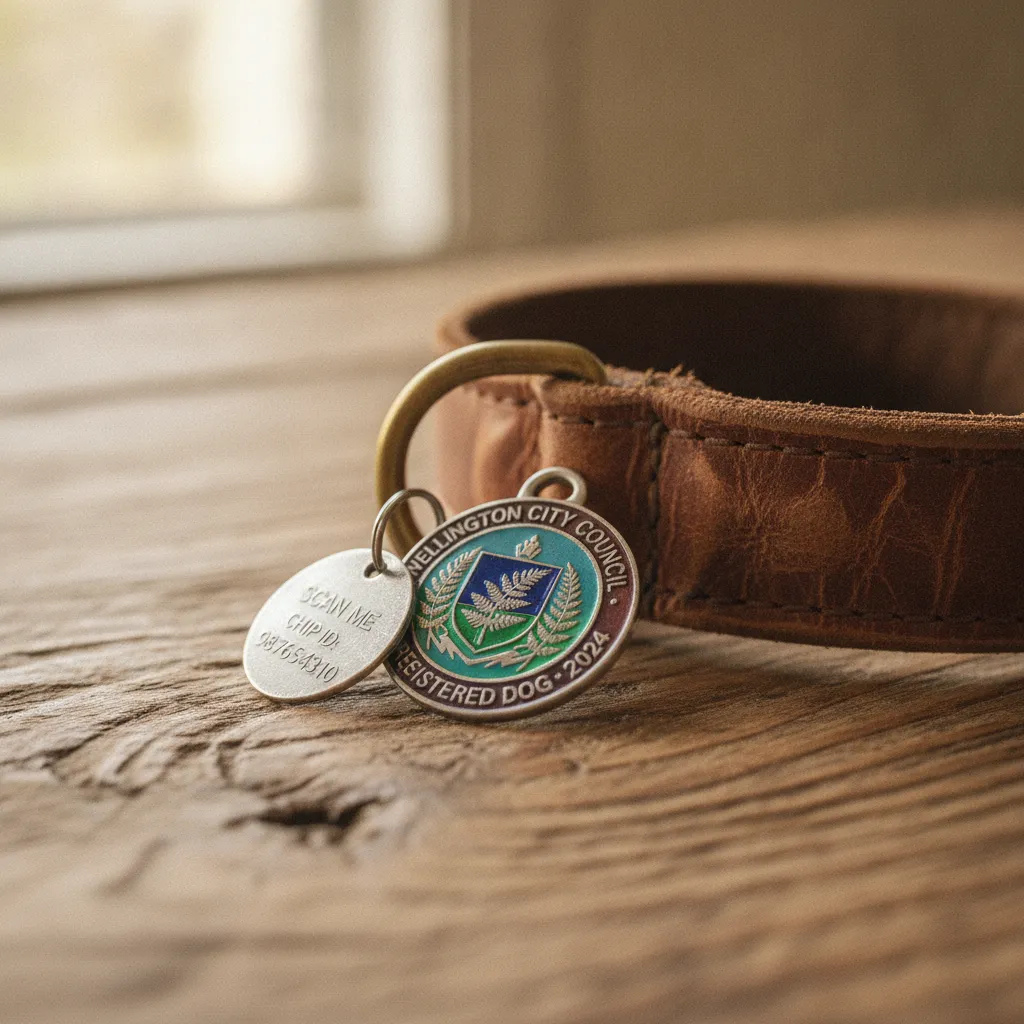
Next, track down your local council registration details. Under New Zealand law, the legal responsibility for the dog remains with you until the official transfer is processed by your local council.
Finally, you must locate their New Zealand Companion Animal Register (NZCAR) microchip paperwork. You will need to update these details online to transfer the microchip to the new family once the adoption is finalized.
Gather your dog’s vet history, local council registration tag number, and their NZCAR microchip ID before speaking to any potential adopters.
Step 2: Setting Up a Calm Environment
Dogs are incredibly intuitive creatures. They can smell stress in the air and easily sense when major emotional changes are happening in the household.
As you prepare your home for dog rehoming in NZ, try to keep their daily routine as normal and predictable as possible. Stick strictly to their regular feeding times, walking schedules, and training routines.
Create a quiet, safe space in the house where they can retreat if things get busy or overwhelming. A familiar bed with their favourite unwashed blankets will help ground them during this transitional time.
Step 3: Taking Honest, High-Quality Photos
When a potential adopter is scrolling through listings, they are looking for a genuine connection. They want to see the real dog, not a blurry, stressed-out animal hiding in a corner.
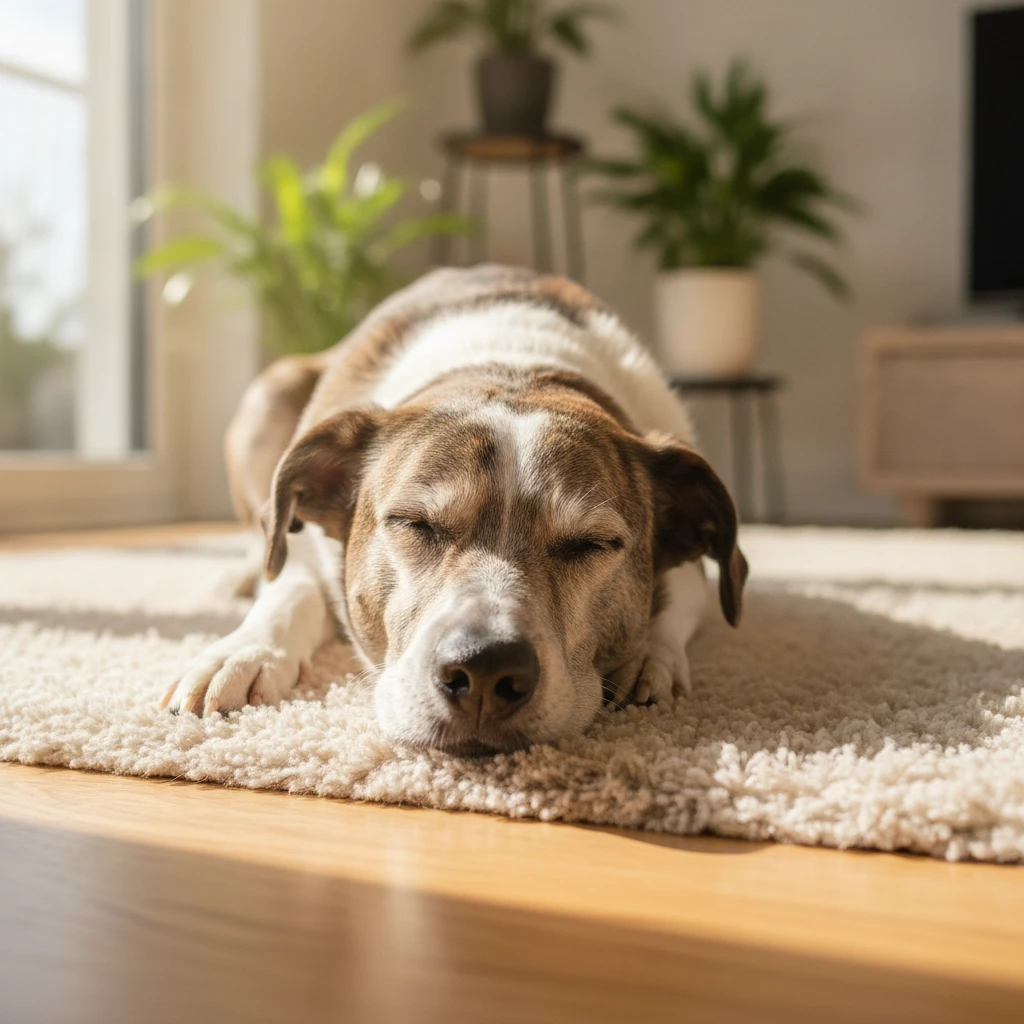
Take photos of your dog in their natural environment where they feel most comfortable. Show them lounging in the sun, playing in the backyard, or cuddling on the family couch.
Avoid using harsh camera flashes, as this can cause ‘glowing eyes’ and startle your pet. Natural, soft daylight works best for capturing their true personality and coat colour.
Get down on your dog’s eye level when taking photos. Shooting from above makes them look small and intimidated, while eye-level shots create an instant emotional bond with the viewer.
Step 4: Writing a Transparent Profile
Absolute honesty is non-negotiable when finding a new home for your dog. You need to write a profile that highlights their best traits while being completely upfront about their challenges.
If your dog barks at the postman or pulls on the lead, say so. If they cannot be around cats, livestock, or small children, make that incredibly clear from the very first sentence.
Every pet has a story, so let’s help write the next chapter accurately. A transparent profile attracts the right adopter, preventing the heartbreak of a failed adoption down the line.
Downplaying aggression or severe separation anxiety puts both the dog and the new family at risk. Be honest. There is a specific, experienced home out there for almost every quirk.
Understanding Your Legal Duty of Care
Rehoming a pet in New Zealand comes with specific legal responsibilities. Under the Animal Welfare Act 1999, you have a strict legal ‘Duty of Care’ for your dog.
This means you are entirely responsible for their physical health, behavioral needs, and safety right up until the moment they are physically handed over to the new owner.
Platforms like Pet Rescue NZ provide the safe software connection, but we are not a broker. We do not legally transfer ownership; that remains an agreement directly between you and the adopter.
You must also ensure you comply with the Dog Control Act 1996 by notifying your local council in writing within 14 days of the dog changing addresses.
Direct Rehoming vs. Traditional Shelters
Many owners assume that dropping their dog at a local pound or charity is the only option. But traditional shelters should really be a last resort for owned pets.
When you facilitate a home-to-home adoption, you retain 100% control over who takes your dog. You get to ask the hard questions and trust your gut.
| Feature | Direct Home-to-Home Adoption | Traditional Shelter / Pound |
|---|---|---|
| Stress Level for Dog | Zero cage time. Stays safe on their own couch. | High stress. Loud noises, concrete kennels, unfamiliar smells. |
| Owner Control | 100% control over choosing the new family. | Zero control. The shelter decides the outcome. |
| Waitlists & Capacity | Immediate listing. No waitlists to start the process. | Often full, requiring long waitlists or surrender fees. |
| Risk of Euthanasia | Zero risk. The dog remains safely with you. | High risk in council pounds if not adopted quickly. |
Screening Adopters Safely
The internet can be a chaotic place, and unfortunately, pet scams are a growing reality in New Zealand. This is why you must rigorously screen anyone who applies to adopt your dog.
Never rush the process or feel pressured to hand the dog over immediately. Take the time to have a proper, in-depth phone conversation with potential adopters before arranging a meet-and-greet.
When you do meet, choose a neutral, safe location like a local, fully-fenced dog park. Watch how the person interacts with your dog, and more importantly, watch how your dog reacts to them.
If something feels off during the screening process, politely decline. You owe nothing to the applicant, but you owe everything to your dog’s future safety.
Look for these positive signs when screening a new family:
- They ask detailed questions about your dog’s diet, routine, and medical history.
- They are willing to provide references from their current vet or landlord.
- They suggest multiple meet-and-greets to ensure the dog is comfortable.
- They understand that a transition period will be required for the dog to settle in.
The Handover Day
The day you finally say goodbye will be incredibly tough. There is no sugarcoating the emotional weight of handing over your beloved pet to a new family.
To make the transition easier for the dog, send them away with a comprehensive ‘care package’. Include their unwashed bedding, their favourite toys, and at least a week’s worth of their current food.
This familiar scent will comfort them immensely in their strange new environment. Take a deep breath, trust the careful process you followed, and know that you made a brave, selfless choice to prepare your home for dog rehoming in NZ.
About Pet Rescue NZ
We are a family-run, community-funded platform dedicated to keeping Kiwi pets out of shelters. We believe in honest, direct home-to-home adoptions where owners retain full control and pets experience zero cage time.