To prepare your home for a rescue pet in NZ, you must first secure your property boundaries to meet strict adoption agency fencing standards and remove specific local hazards like Karaka berries or Wandering Dew. Additionally, you need to establish a dedicated ‘decompression zone’ and acquire essential supplies, including Council-compliant identification tags and an appropriately sized crate, before the animal arrives.
Safety Proofing Your Living Space
Bringing a rescue animal into your home is one of the most rewarding experiences a New Zealander can have, but it requires diligent preparation. Rescue animals often come with unknown histories, making them potentially more anxious or curious than a pet raised from infancy. Safety proofing is not merely about tidying up; it is about viewing your home through the eyes of an animal that may never have encountered a television, a glass door, or a toxic garden plant.
In New Zealand, rescue agencies such as the SPCA, HUHA, or local dog pounds have strict criteria regarding home safety. Failing a property check is the most common reason for adoption denials. Therefore, thorough preparation is the key to a successful application and a safe pet.
Identifying Indoor Hazards
Begin your safety audit indoors. Get down on your hands and knees to see the world from your pet’s perspective. Loose electrical cables are a chewing hazard that can lead to electrocution or fire. Secure these with cable ties or protective casing. Small objects such as children’s toys (Lego is a notorious culprit), coins, and socks must be kept off the floor, as intestinal blockages are a common and expensive veterinary emergency.
Kitchens and bathrooms pose specific chemical threats. Ensure that cleaning products, medications, and rubbish bins are behind child-proof latches. Many rescue dogs are scavengers by nature and will learn to open pedal bins or cupboards if they smell food. Furthermore, be aware of human foods that are toxic to pets; chocolate, xylitol (found in gum and some peanut butters), onions, and grapes should never be accessible.

The Garden: NZ Specific Flora and Fencing
New Zealand’s flora is beautiful but can be deadly. When preparing your section, you must identify and remove plants that are toxic to cats and dogs. The Karaka tree produces orange berries that are highly toxic to dogs and can cause convulsions and death if ingested. Wandering Dew (Tradescantia fluminensis) is another common weed in NZ gardens that causes severe allergic dermatitis in dogs, leading to itchy, inflamed paws and bellies.
You should consult authoritative resources to identify these plants. The SPCA New Zealand provides comprehensive lists of plants that should be removed before bringing a pet home. Additionally, ensure that your garage is free of slug bait and rat poison, both of which are highly palatable but fatal to pets.
Secure Fencing and Boundaries
For dog adoptions in NZ, fencing is paramount. Most rescue centres require a fully fenced section with a minimum height of 1.2 to 1.8 meters, depending on the dog’s size and breed. Check your perimeter for gaps, loose palings, or areas where a dog could dig under. Gates must have secure latches that cannot be nudged open.
If you are adopting a cat, consider how you will manage their outdoor access. With New Zealand’s push towards conservation and protecting native birds, many rescues now advocate for ‘safe cat’ practices, such as catios or keeping cats indoors at night. Preparing a transition plan for keeping your cat indoors for the first 4-6 weeks is non-negotiable to prevent them from attempting to return to their previous territory.
Essential Supplies Checklist for Kiwi Pet Owners
Rushing to the pet store after the animal has arrived adds unnecessary stress to the transition period. Have everything set up at least 48 hours before adoption day. This allows the supplies to absorb the scent of your home, making them less alien to the new arrival.
Nutrition and Dining
Sudden changes in diet can cause gastric distress, which is the last thing you want when house-training a new pet. Ask the rescue centre exactly what brand of food the animal is currently eating. Purchase a bag of this food to use for the first few weeks. If you intend to switch to a different brand later, do so gradually over 7-10 days.
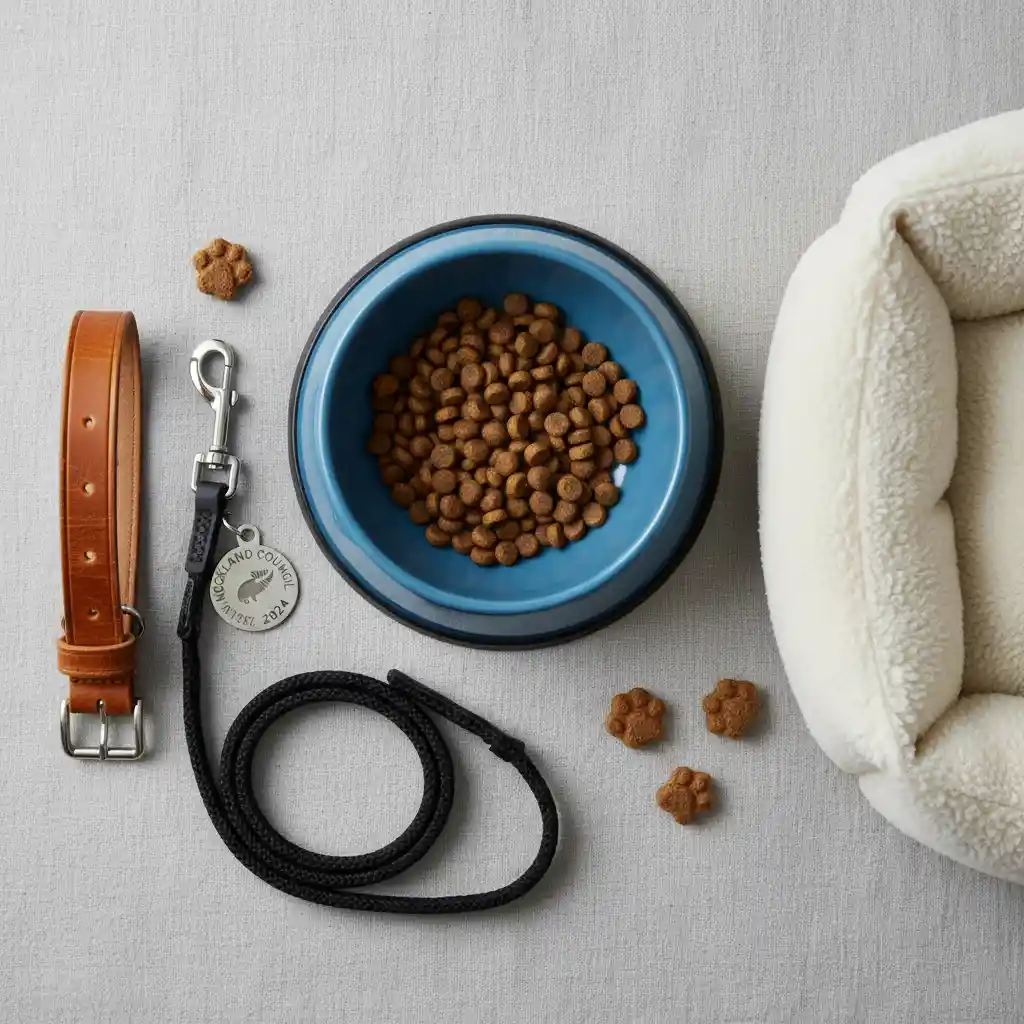
Invest in heavy ceramic or stainless steel bowls. Plastic bowls can harbor bacteria and are easily chewed by anxious dogs. If you are adopting a fast eater, a ‘slow feeder’ bowl is an excellent investment to prevent bloating.
Comfort and Containment
A crate is not a cage; it is a sanctuary. For rescue dogs, a crate provides a den-like environment where they can retreat when overwhelmed. Cover the crate with a blanket to make it cozy and place it in a quiet corner of the living room. Ensure the bedding is washable, as accidents may happen in the first few days.
For cats, provide a litter tray (one per cat plus one extra) placed in a private area away from their food and water. Use the same type of litter the rescue centre uses to minimize confusion.
Identification and Legal Requirements
In New Zealand, legal compliance is critical. Before your dog arrives, or immediately upon arrival, you must register them with your local Council. You will receive a Council tag that must be worn on their collar at all times. Additionally, ensure the animal is microchipped and, crucially, that the microchip is registered on the New Zealand Companion Animal Register (NZCAR).
While rescue centres usually handle the initial microchipping, the transfer of ownership on the NZCAR database is your responsibility. Without this, a lost pet cannot be easily traced back to you.
Creating a Welcoming Environment
The environment you create sets the tone for the relationship. A chaotic, loud environment can cause a rescue animal to shut down or act out. Your goal is to create an atmosphere of calm predictability.
The Decompression Zone
Set up a specific room or area that is the pet’s ‘safe zone’. This area should be baby-gated off (for dogs) or closed (for cats) to allow them to observe the household without being forced to interact. This is particularly important for shy rescues or those with a history of trauma.
Equip this zone with their bed, water, and enrichment toys. For the first few days, let them come to you. Do not force affection. If they choose to stay in their crate or hide under a bed, respect that choice. They are processing a massive life change.
Establishing Routine Immediately
Animals thrive on routine. Decide on a schedule before the pet arrives and stick to it from minute one. This includes feeding times, toilet breaks, and walk times. Predictability lowers cortisol levels (stress hormones) in the brain.
For dogs, take them to their designated toilet spot immediately upon arriving home, before even going inside. Reward them heavily for going in the right place. This establishes the house-training rules instantly.
Understanding the 3-3-3 Rule
Every adopter should memorize the 3-3-3 rule. It provides a realistic timeline for a rescue pet’s adjustment:
- 3 Days: The pet is overwhelmed, may not eat, and may test boundaries. They are in survival mode.
- 3 Weeks: They are starting to settle, learning your routine, and their true personality (and potentially behavioral issues) begins to emerge.
- 3 Months: They feel secure, trust has built, and they understand they are home.
Introducing Pets to Existing Family
Introductions are the most volatile part of the process. A bad first impression can take months to undo, so manage these interactions with extreme caution.
Dog-to-Dog Introductions
Never introduce a new dog to your existing dog inside your home or garden. This is the resident dog’s territory, and they may defend it. Instead, meet on neutral ground, such as a local park or a quiet street. Keep both dogs on loose leashes and allow them to walk parallel to each other at a distance, gradually closing the gap as they relax.
Avoid face-to-face greetings initially. Let them sniff each other’s rear ends (the canine handshake) for a few seconds, then call them away. Keep the first interaction short and positive.
Feline Friends
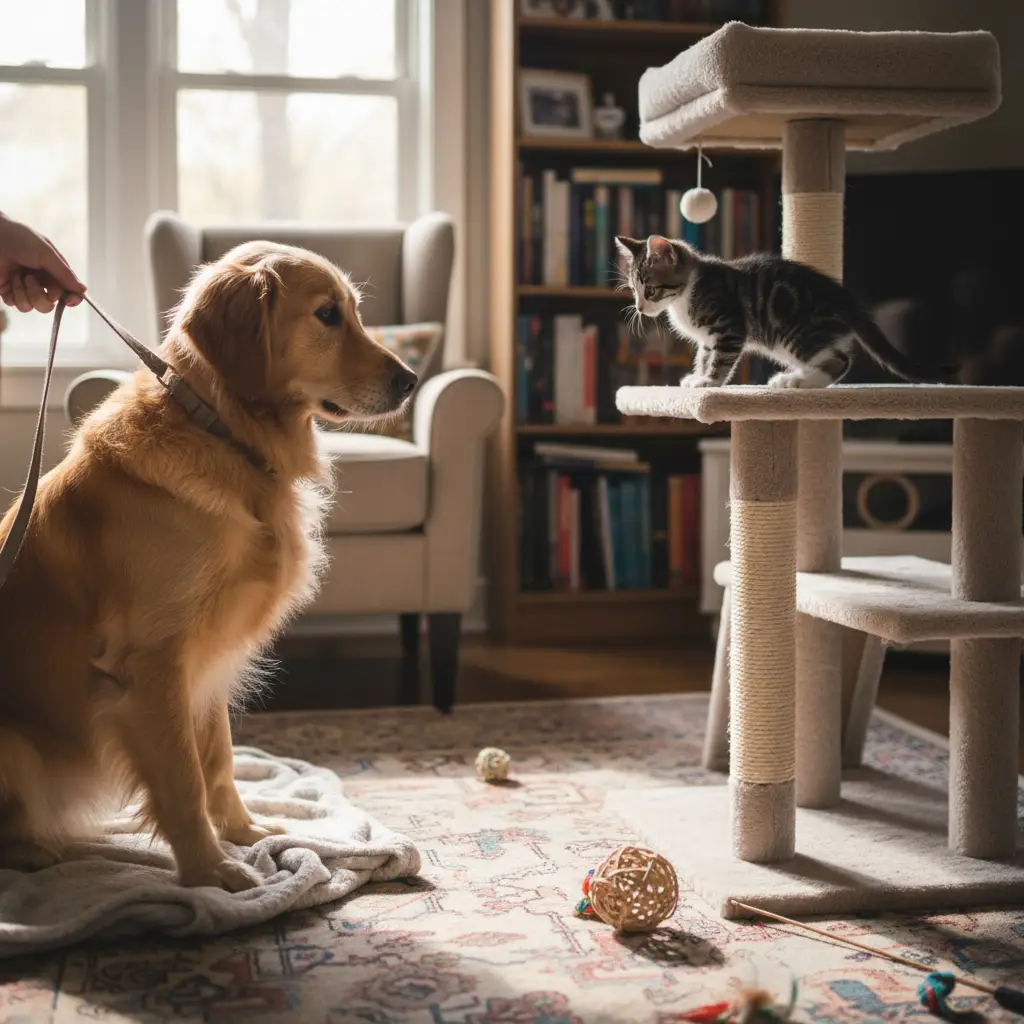
If introducing a dog to a cat, ensure the cat has high escape routes (shelves, cat trees) where the dog cannot reach. Keep the dog on a leash indoors for the first few weeks whenever the cat is present. Reward the dog for ignoring the cat. Never leave them unsupervised until you are 100% certain of their safety.
For cat-to-cat introductions, use the ‘scent swapping’ method. Keep the new cat in a separate room and swap their bedding with the resident cat’s bedding daily. This allows them to get used to each other’s scent before visual contact occurs.
Children and New Pets
Children must be taught that a rescue pet is not a toy. Explain that the animal may be scared. Enforce a rule that the pet’s bed or crate is a ‘no-go zone’ for children—if the pet is in their bed, they must be left alone. Supervise all interactions and teach children to stroke the animal gently on the back or chest, never on the head or tail.
Administrative Duties: Registration and Health
Beyond the physical preparation, there is paperwork to handle. In New Zealand, being a responsible owner means adhering to local laws.
Vet Registration
Do not wait for an emergency to find a vet. Register your new pet with a local clinic immediately. Request your pet’s medical records from the rescue centre and forward them to your vet. Book a ‘wellness check’ for within the first two weeks to establish a baseline of health and discuss flea and worming schedules suitable for your area.
Pet Insurance Considerations
Veterinary care in New Zealand offers world-class standards, but it comes with significant costs. Rescue pets can sometimes have pre-existing conditions (which may be excluded), but insurance is vital for accidents and new illnesses. Companies like Southern Cross Pet Insurance or PD Insurance are popular options in NZ. Securing insurance early is crucial before new conditions are diagnosed and become exclusions.
Preparing your home for a rescue pet is an act of love. By addressing safety, supplies, and emotional stability beforehand, you are not just providing a house; you are offering a forever home where a deserving animal can finally relax and thrive.
People Also Ask
Here are common questions New Zealanders ask when adopting rescue pets.
What are the requirements for adopting a dog in NZ?
Adoption requirements typically include a property inspection to ensure secure fencing (usually 1.8m high), landlord permission if renting, a meet-and-greet with existing pets, and a questionnaire about your lifestyle. Agencies like the SPCA want to match the energy level of the dog with the owner.
How much does it cost to register a dog in NZ?
Dog registration fees vary by local Council but generally range from $60 to $180 per year. Discounts often apply for de-sexed dogs, working dogs, or owners with ‘Responsible Dog Owner’ (RDO) status. Late payments usually incur significant penalties.
Can I change my rescue pet’s name?
Yes, you can change a rescue pet’s name. Animals learn new names quickly, especially when paired with positive reinforcement like treats. It can actually be beneficial to change the name if the animal has a negative association with their previous name due to past trauma.
How long does it take for a rescue dog to settle in?
While every dog is different, the general guideline is the ‘3-3-3 Rule’: 3 days to decompress, 3 weeks to learn the routine, and 3 months to feel fully at home. Patience is essential during this adjustment period.
Do I need to microchip my rescue cat in NZ?
Yes, microchipping is highly recommended and often mandatory depending on the rescue agency’s contract. While Council registration is generally for dogs, microchipping your cat and registering it on the NZ Companion Animal Register (NZCAR) is the best way to ensure they are returned if lost.
What plants are toxic to dogs in New Zealand?
Common NZ plants toxic to dogs include Karaka berries, Wandering Dew (causes skin allergies), Kowhai seeds, and Daffodil bulbs. You should inspect your garden and remove these or restrict access before bringing your dog home.