To adopt a rabbit in NZ, prospective owners must contact reputable animal welfare organizations such as the SPCA or Rabbit Rescue NZ to submit an application. The process ensures animals are desexed, vaccinated against RHDV, and matched with homes that provide predator-proof, spacious environments suitable for their complex welfare needs.
Rabbits are often misunderstood creatures. Frequently purchased as “starter pets” for children, they are complex, intelligent, and social animals that require specific care to thrive. Unfortunately, this misunderstanding leads to thousands of rabbits being abandoned across New Zealand every year. By choosing to adopt a rabbit in NZ rather than buying from a pet shop or breeder, you are saving a life and taking a stand against the cycle of neglect.
This comprehensive guide is designed to walk you through everything you need to know about rabbit adoption in New Zealand, from understanding the unique welfare needs of these lagomorphs to navigating the specific health challenges present in our country, such as the Calicivirus (RHDV).
Why Adopt a Rescue Rabbit in NZ?
Adopting a rescue rabbit is a decision rooted in compassion and practicality. In New Zealand, rescue centers are often at capacity with bunnies of all breeds, ages, and temperaments. When you search to “adopt a rabbit NZ,” you are engaging in a transactional process that supports animal welfare infrastructure.
The Ethical Choice
Every time you adopt, you free up space in a shelter for another animal in desperate need. New Zealand faces a significant overpopulation of rabbits, largely due to un-desexed pets escaping or being released into the wild. By adopting, you are not contributing to the demand that drives backyard breeding.
Cost-Effectiveness and Health
One of the most pragmatic reasons to adopt is the financial benefit regarding initial medical costs. A responsible rescue organization in NZ will ensure that the rabbit is:
- Desexed: Spaying or neutering rabbits is expensive in New Zealand, often costing between $150 to $400 depending on the clinic and gender. Adoption fees generally cover this fraction of the cost.
- Vaccinated: NZ rabbits are highly susceptible to Rabbit Haemorrhagic Disease Virus (RHDV). Rescues ensure rabbits are up-to-date with their Filavac or Cylap vaccinations.
- Health Checked: Vet checks ensure you aren’t adopting an animal with hidden dental issues or parasites.

Understanding Rabbit Welfare Needs
Before you sign the adoption papers, it is critical to understand that rabbits are not low-maintenance pets. Their welfare needs are specific and non-negotiable. The New Zealand Animal Welfare Act requires owners to provide for the physical, health, and behavioral needs of their animals.
They Are Social Creatures
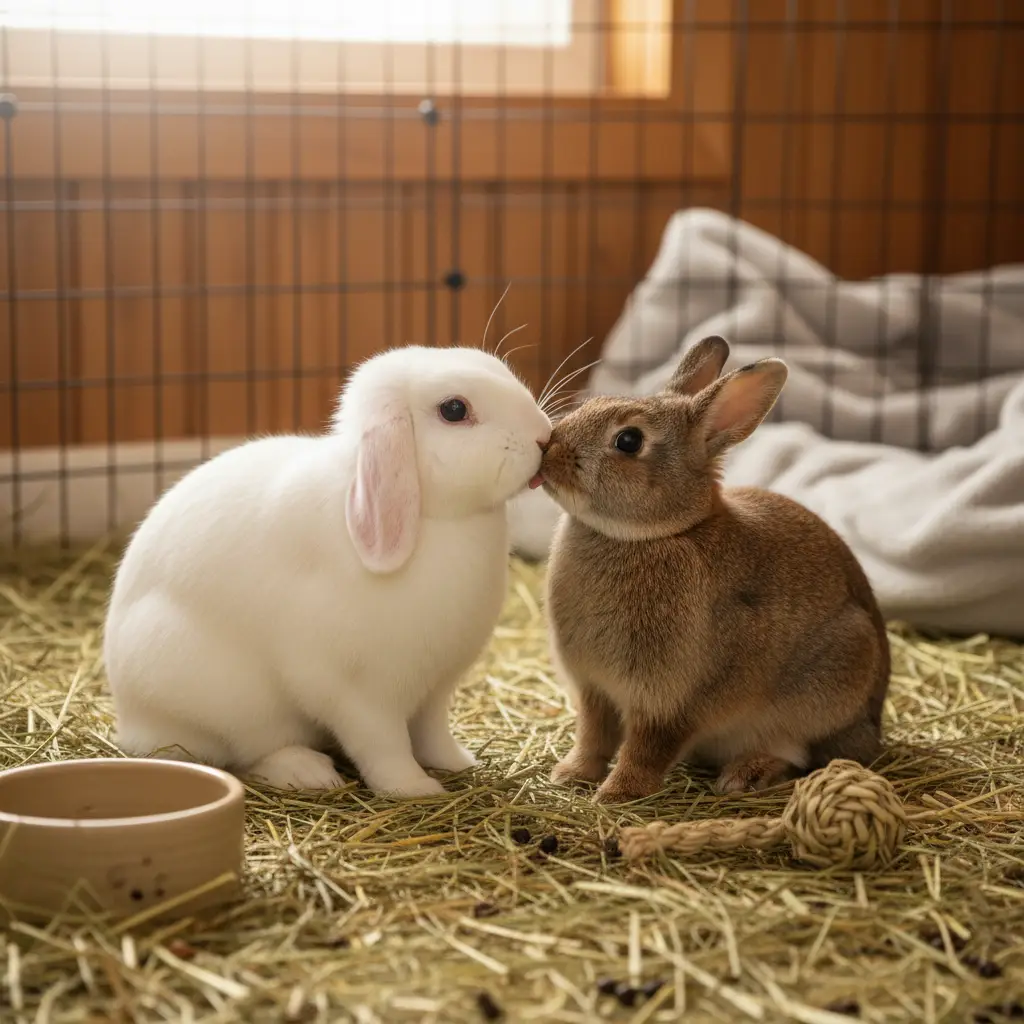
In the wild, rabbits live in large warrens with complex social hierarchies. In captivity, a solitary rabbit is often a lonely/depressed rabbit. Most NZ rescues strongly advocate for adopting a pair or adopting a companion for your existing rabbit. A bonded pair provides mutual grooming, warmth, and emotional security that a human cannot fully replicate.
They Need Space
The old-fashioned idea of a rabbit living its entire life in a small hutch at the bottom of the garden is outdated and cruel. Rabbits need space to run, jump (binky), and stand up on their hind legs without their ears touching the roof. The SPCA New Zealand recommends housing that allows for continuous exercise, often referred to as “freedom hutches” or indoor free-roaming setups.
Essential Care: Housing, Diet, and Health
Proper care is the cornerstone of a happy rabbit’s life. If you are preparing to adopt a rabbit in NZ, your home environment must be ready before the animal arrives.
Housing: Indoors vs. Outdoors
In New Zealand, housing decisions often depend on climate and predators. While we do not have foxes, we do have stoats, ferrets, stray cats, and dogs that pose a threat to outdoor rabbits. Furthermore, the RHDV virus is spread by flies and mosquitoes, making outdoor rabbits more vulnerable.
Indoor Living: This is increasingly popular and recommended. Indoor rabbits are part of the family, safer from predators and weather extremes, and generally better socialized. You will need to “bunny-proof” your home, covering electrical cords and protecting baseboards.
Outdoor Living: If they must live outside, the enclosure must be entirely predator-proof with heavy-gauge mesh (not chicken wire), weather-proofed against NZ rain and wind, and include a secure run on grass (if safe) or paving.
The Critical Rabbit Diet
A rabbit’s digestive system is sensitive. The correct diet is 85-90% high-quality hay. The SPCA provides detailed dietary guidelines, but the general rule of thumb is:
- Hay: Unlimited access to Timothy, Meadow, or Rye hay. This keeps their gut moving and wears down their continuously growing teeth.
- Pellets: A small amount of high-fiber pellets (not muesli style, which causes selective feeding).
- Fresh Greens: Daily leafy greens like bok choy, puha (ensure it is clean), and herbs.
- Water: Fresh water must always be available, preferably in a heavy ceramic bowl rather than a bottle to encourage drinking.
Vaccinations in New Zealand
New Zealand has released variants of the RHDV virus as a biocontrol measure for wild rabbits. Unfortunately, this kills pet rabbits just as effectively. To adopt a rabbit in NZ safely, you must commit to annual vaccinations. The current standard is protection against both RHDV1 and RHDV2 strains.

Where to Adopt: Overview of NZ Rabbit Rescues
There are several dedicated organizations across the country. Avoid buying from sites like TradeMe unless it is a verified adoption listing from a rescue.
SPCA New Zealand
The SPCA is the largest animal welfare organization in the country. They have centers in almost every region, from Auckland to Invercargill. Rabbits adopted from the SPCA are desexed, microchipped, and vaccinated.
Rabbit Rescue NZ (Christchurch/National)
This is a specialized organization dedicated solely to rabbits. They are experts in lagomorph care and often take in complex medical cases. They have a rigorous vetting process to ensure their rabbits go to forever homes.
HUHA (Helping You Help Animals)
Based in the Wellington region but operating widely, HUHA frequently rescues rabbits, particularly from hoarding situations or large-scale abandonment.
Independent Rescues
Various smaller rescues operate regionally, such as the Black Sheep Animal Sanctuary (Otaki) or specific guinea pig and rabbit rescues in Auckland. Always verify they are a registered charity or reputable non-profit.
The Adoption Process Explained
Adopting a rabbit is not as instant as buying a goldfish. Rescues invest time and money into these animals and want to ensure they don’t bounce back into the system.
- Application: You will fill out a form detailing your home setup, other pets, and experience with rabbits.
- Photo/Video Check: Most NZ rescues require photos of your hutch or indoor setup to ensure it meets size and safety standards.
- Meet and Greet: You will visit the center to meet the rabbit. If you already have a rabbit, this is where “speed dating” happens to see if the rabbits get along.
- Adoption Fee: Fees typically range from $60 to $120. This is a contribution toward the hundreds of dollars spent on the rabbit’s medical care.
- Contract: You will sign an agreement stating you will return the rabbit to the rescue if you can no longer care for it.
Bonding and Socialization
If you are adopting a friend for your current rabbit, the bonding process is delicate. Rabbits can be territorial. Neutral territory is key—an area where neither rabbit has been before.
Start with short dates and monitor closely for aggression. Grooming each other is the ultimate sign of acceptance. Some rescues offer “bonding boot camps” where they supervise the bonding process for you, as they are experienced in reading subtle rabbit body language.
For more information on the risks of wild rabbit diseases and how they affect domestic pets, you can consult resources from the Ministry for Primary Industries (MPI).
Frequently Asked Questions
How much does it cost to adopt a rabbit in NZ?
Adoption fees for rabbits in New Zealand typically range from $60 to $150 NZD. This fee usually includes desexing, the first vaccination against RHDV, and a microchip. This is significantly cheaper than paying for these veterinary procedures privately, which can cost upwards of $400.
Do I need to vaccinate my adopted rabbit in NZ?
Yes, vaccination is critical in New Zealand due to the presence of Rabbit Haemorrhagic Disease Virus (RHDV1 and RHDV2). These viruses are often fatal and are present in the wild rabbit population. Annual boosters are required to keep your pet safe.
Can rabbits live outside in New Zealand?
Rabbits can live outside in NZ if provided with a high-quality, predator-proof, and weather-proof hutch with an attached run. However, indoor living is increasingly recommended to protect them from extreme weather, RHDV-carrying insects, and stress from predators.
What is the best diet for a pet rabbit?
A rabbit’s diet should consist of 85-90% high-quality hay (Timothy or Meadow hay). The remainder should be a small portion of fresh leafy greens and a limited amount of high-fiber pellets. Hay is essential for dental health and digestion.
Are rabbits good pets for children?
Rabbits are generally not recommended as sole responsibility pets for young children. They are fragile, can scratch or bite if mishandled, and do not like being picked up. They are best suited for families where adults take primary responsibility for their care.
Where can I adopt a rabbit in Auckland?
In Auckland, you can adopt rabbits from SPCA Auckland (Mangere), or through various smaller rescue networks and foster groups. Always check the SPCA website or reputable animal welfare directories for current listings.