To report animal cruelty in New Zealand, you must contact the appropriate authority based on the animal type and urgency. For companion animals like cats and dogs, report to the SPCA immediately. For livestock and farm animals, contact the Ministry for Primary Industries (MPI). If an animal is in immediate physical danger or creating a public safety hazard, call the New Zealand Police on 111.
New Zealanders pride themselves on being a nation of animal lovers, yet instances of cruelty and neglect remain a distressing reality in our communities. Whether it is a neighbor leaving a dog tethered without water in the summer heat or a large-scale farming operation failing to meet basic welfare standards, knowing how to intervene is a moral and civic duty. Taking action can be the difference between life and death for a vulnerable animal.
However, the process of reporting can be confusing. Different agencies handle different types of animals, and the legal threshold for “cruelty” is specific. This guide provides a comprehensive roadmap for navigating the New Zealand animal welfare system, ensuring that your report is directed to the right people with the necessary information to trigger an investigation.
Recognizing the Signs of Animal Cruelty and Neglect
Before making a report, it is crucial to distinguish between an emergency situation, chronic neglect, and cruelty. Under New Zealand law, animal welfare offenses generally fall into two categories: willful cruelty (deliberate harm) and failure to provide for physical needs (neglect). While willful cruelty is often obvious, neglect can be subtle and cumulative.
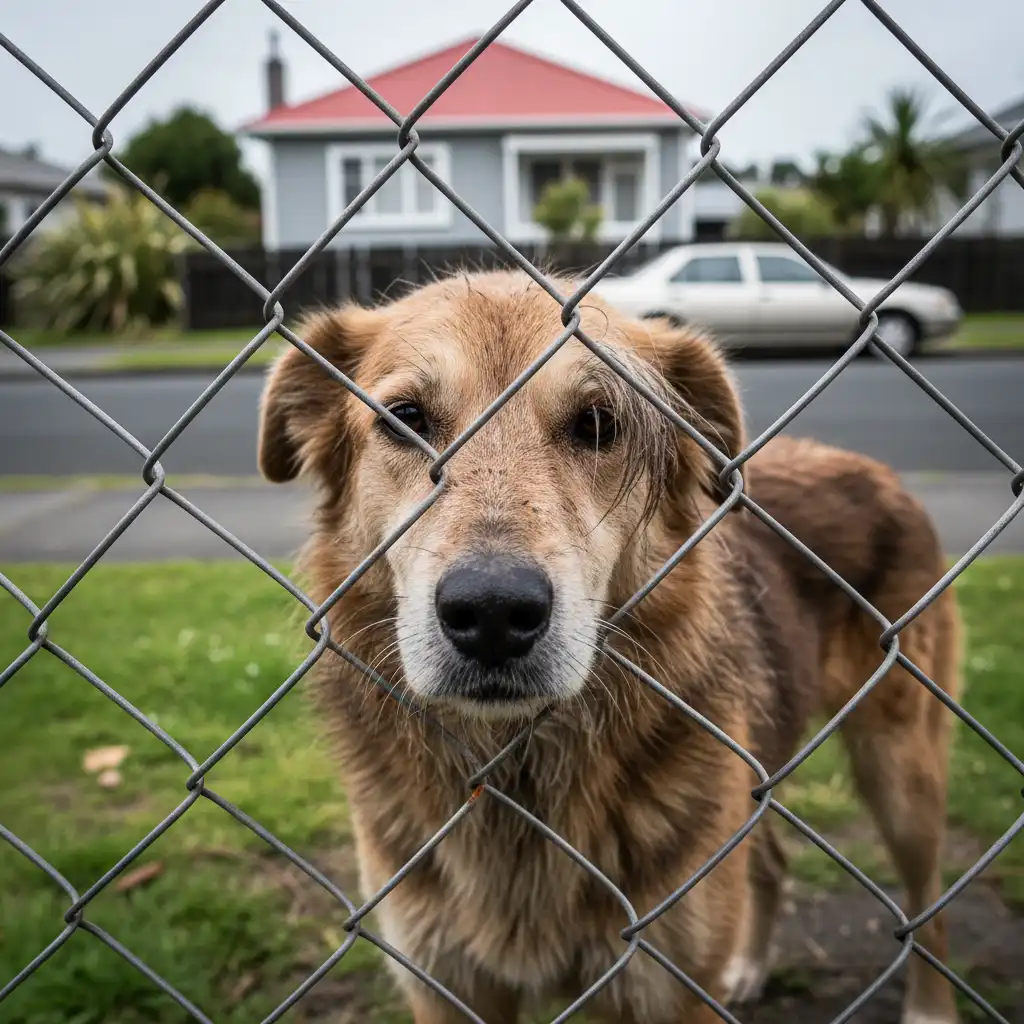
Physical Signs of Abuse
Physical indicators are the most visible evidence of mistreatment. When observing an animal, look for:
- Body Condition: Extreme thinness where ribs and hip bones are prominently visible implies malnutrition or starvation.
- Untreated Injuries: Open wounds, limping, mange (severe hair loss and scabs), or untreated infections.
- Physical Restraint Injuries: Collar wounds where the collar has become embedded in the neck, particularly in growing puppies.
- Coat Condition: Severely matted fur in long-haired breeds, which can cause pain and skin infections, or heavy flea infestations.
Environmental Neglect
Often, the environment tells the story even if the animal looks physically okay initially. The Animal Welfare Act requires owners to provide proper shelter and sanitation. Look for:
- Lack of Shelter: Animals left fully exposed to extreme weather (scorching sun, heavy rain, or freezing temperatures) without a kennel or cover.
- Inadequate Water and Food: Empty or overturned water bowls, or water that is green with algae and undrinkable.
- Sanitation Issues: An animal living in its own filth, surrounded by excessive feces, urine, or hazardous debris (glass, scrap metal).
- Tethering: While tethering is not illegal per se, animals tethered on extremely short chains that restrict movement or access to water are suffering from neglect.
Behavioral Indicators
Behavior can also signal abuse, though it is more subjective. An animal that cowers, urinates submissively when approached, or shows extreme aggression may be a victim of physical violence. However, be careful not to confuse a naturally timid or reactive animal with an abused one without corroborating physical or environmental evidence.
Who to Contact: Official Reporting Channels in NZ
New Zealand has a fragmented system for animal welfare, meaning you must call the correct agency to ensure a swift response. Calling the wrong agency can delay help for the animal.
1. SPCA (Society for the Prevention of Cruelty to Animals)
The SPCA is the primary charity enforcing the Animal Welfare Act for companion animals. They have warranted inspectors who have legal powers similar to the police regarding animal welfare.
- When to call: For sick, injured, or abused pets (dogs, cats, rabbits, guinea pigs, etc.).
- Contact: You can report via their online portal or call your local center.
2. Ministry for Primary Industries (MPI)
MPI is responsible for the welfare of production animals and livestock. They handle cases involving farms, lifestyle blocks, and commercial transport.
- When to call: For welfare concerns regarding cows, sheep, pigs, deer, poultry, or horses (though the SPCA also assists with horses in some regions). They also handle commercial slaughter and transport complaints.
- Contact: Call the MPI exotic pest and disease hotline (0800 00 83 33) and select the option for animal welfare.
3. New Zealand Police
While the Police work closely with the SPCA, they are the agency to call in emergencies involving public safety or immediate violence.
- When to call: If you witness someone actively beating or killing an animal, seeing dog fighting in progress, or if an animal is creating a traffic hazard.
- Contact: Dial 111 for emergencies.
4. Local Council (Animal Control)
Local councils generally deal with nuisance issues rather than welfare, though the lines can blur.
- When to call: For barking complaints, roaming dogs, unregistered dogs, or aggressive dogs threatening people. If a dog is roaming and looks emaciated, call Animal Control first to secure the dog, then report the condition to the SPCA.
How to Gather Evidence Safely and Effectively
Inspectors rely heavily on the quality of information provided by the public. A vague report like “the neighbor is mean to his dog” is difficult to act upon. A detailed report allows inspectors to prioritize the case accurately.
Warning: Never put yourself in danger to collect evidence. Do not trespass on private property. Evidence obtained illegally (e.g., by jumping a fence) may be inadmissible in court and could get you prosecuted.

Documentation Checklist
When preparing your report, try to gather the following details:
- Dates and Times: Keep a log. Is the dog left out every night? Does the abuse happen only on weekends? Patterns help establish chronic neglect.
- Photographs and Video: If you can take photos from public property (like the footpath), do so. Visual proof of body condition or lack of shelter is powerful.
- Descriptions: Be specific. Instead of “skinny,” say “ribs and spine are visible.” Instead of “hurt,” say “limping on the left hind leg with a visible open wound.”
- Vehicle Details: If the abuse involves a vehicle (e.g., animals left in hot cars or livestock transport), record the license plate number, make, and model.
- Witnesses: Are there other neighbors who have seen the same thing? Corroborating accounts strengthen the case.
The Reporting Process: Step-by-Step
Once you have identified the correct agency and gathered your observations, it is time to make the formal report. It is highly recommended to have your notes in front of you when you call or fill out online forms.
When speaking to a dispatcher or filling out a form, stick to the facts. Avoid emotional language or assumptions about the owner’s character. For example, state “The dog has been tied up for 24 hours without water,” rather than “The owner is a cruel monster who hates his dog.” The former is an actionable fact; the latter is an opinion.
Be prepared to provide the exact address or location. If the location is rural or difficult to find, provide landmarks or GPS coordinates if possible. Incorrect addresses are a common reason for delayed responses in welfare checks.
Protecting Your Identity as a Reporter
A major barrier to reporting animal cruelty is the fear of retaliation from neighbors or community members. In New Zealand, agencies take reporter confidentiality very seriously.
When you make a report to the SPCA or MPI, your details are kept confidential under the Privacy Act 2020. The animal owner is not told who made the complaint. Inspectors are trained to conduct their inquiries in a way that protects the source of the information. For example, they might say they were “in the area” or conducting a routine patrol, rather than stating they received a specific phone call.
Can I report anonymously?
Yes, you can usually choose to remain anonymous. However, providing your contact details is highly beneficial for the investigation. It allows the inspector to contact you for clarification or further evidence. If a case goes to court, witness testimony can be crucial. If you report anonymously, the inspector cannot update you on the outcome, and if they cannot find the animal based on your description, the case may be closed due to lack of information.
What to Expect After Making a Report
It can be frustrating for reporters when they do not see immediate change after making a call. Understanding the investigative process helps manage expectations.
Triage and Prioritization
Agencies like the SPCA receive tens of thousands of complaints annually. Cases are triaged based on urgency. An injured animal in immediate distress takes precedence over a dog with inadequate shelter but no immediate health threat.
The 4 E’s Approach
New Zealand enforcement agencies generally follow a model of Engagement, Education, and Encouragement before moving to Enforcement (Prosecution). Often, neglect stems from ignorance or financial hardship rather than malice.
- Assessment: An inspector visits the property to assess the animal’s condition.
- Education: If the issue is minor (e.g., poor shelter), the inspector may issue a formal notice instructing the owner to fix the problem within a specific timeframe. They educate the owner on their obligations.
- Revisit: The inspector returns to check compliance. If the owner has improved the situation, the file may be closed.
- Seizure and Prosecution: If the animal is in immediate jeopardy or the owner refuses to comply with instructions, the animal may be seized. Prosecution is reserved for serious cases of willful cruelty or severe, chronic neglect.
Because of privacy laws, the SPCA or MPI cannot always give you specific details about the outcome of a case. However, if you see the situation has not improved after a reasonable time, do not hesitate to report it again with new dates and evidence. Repeated reports establish a history of non-compliance.
Understanding the Animal Welfare Act 1999
The backbone of animal protection in New Zealand is the Animal Welfare Act 1999. This legislation shifts the focus from merely punishing cruelty to imposing a positive duty of care on owners. It outlines the “Five Freedoms” (now adapted into the Five Domains) that every owner must provide:
- Proper and sufficient food and water.
- Adequate shelter.
- The opportunity to display normal patterns of behavior.
- Physical handling in a manner which minimizes the likelihood of unreasonable or unnecessary pain or distress.
- Protection from, and rapid diagnosis of, any significant injury or disease.
For more detailed information on the specific codes of welfare for different species, you can consult the Ministry for Primary Industries (MPI) website. Understanding these obligations helps you identify when a legal breach has actually occurred, making your report more effective.
Frequently Asked Questions
Can I report animal cruelty anonymously in NZ?
Yes, you can report animal cruelty anonymously to the SPCA or MPI. However, providing your contact details allows inspectors to follow up for more information, which can significantly strengthen the investigation. Your identity is kept confidential under the Privacy Act.
What happens if I call the SPCA for a farm animal?
If you contact the SPCA regarding livestock, they will typically refer you to the Ministry for Primary Industries (MPI). MPI has the jurisdiction and specialized inspectors for production animals like cows, sheep, and deer. Calling the correct agency first ensures a faster response.
Is it illegal to leave a dog in a hot car in NZ?
Yes, leaving a dog in a hot car can be considered an offence under the Animal Welfare Act if the animal suffers distress or heatstroke. If you see a dog in distress in a hot car, call the Police or SPCA immediately. Do not break the window yourself unless instructed by police, as you could be liable for damage.
What constitutes animal neglect in New Zealand?
Neglect is defined as the failure to provide for an animal’s physical, health, and behavioral needs. This includes failing to provide adequate food, water, shelter, veterinary treatment for injuries, or keeping animals in unsanitary conditions.
Can the SPCA take my neighbor’s dog away?
The SPCA can only seize an animal if it is in immediate danger or if the owner has failed to comply with legal notices to improve the animal’s welfare. They cannot remove an animal simply because an owner is ‘bad’ if the basic legal needs of the animal are being met.
How do I report a stray or roaming dog in NZ?
Stray, roaming, or barking dogs are handled by your local City or District Council’s Animal Control unit, not the SPCA. You should contact the Council directly. If the stray dog appears injured or emaciated, you should also inform the SPCA.