Responsible pet breeding NZ refers to the practice of prioritizing animal health, temperament, and welfare above profit, strictly adhering to the Animal Welfare Act 1999. It involves comprehensive genetic health testing, providing lifetime support for offspring, and ensuring mandatory desexing for non-breeding animals to prevent overpopulation and alleviate the strain on New Zealand’s rescue organizations.
The Crisis of Overpopulation in New Zealand
New Zealand is a nation of animal lovers, with one of the highest rates of pet ownership in the world. However, beneath this statistic lies a concerning reality: the country is facing a severe companion animal overpopulation crisis. Every year, thousands of healthy, adoptable cats and dogs are euthanized simply because there are not enough homes for them. This issue is not merely a result of stray populations but is significantly fueled by indiscriminate breeding and a lack of widespread desexing.
The burden falls heavily on the “Pet Rescue NZ” sector. Shelters ranging from the SPCA to small, volunteer-run community rescues are perpetually at capacity. The influx of unwanted litters, particularly during the warmer months known as “kitten season,” stretches resources to their breaking point. This crisis is a direct result of the supply of animals far exceeding the demand for responsible, lifelong homes.
To address this, the conversation must shift from merely managing the symptoms (rescue and rehoming) to curing the cause. This requires a two-pronged approach: enforcing strict standards for responsible pet breeding and normalizing desexing as a standard part of pet ownership. Without these structural changes, the cycle of neglect and abandonment will continue unabated.
Defining Responsible Pet Breeding in NZ
Responsible breeding is not about producing puppies or kittens for the market; it is about the preservation and improvement of a breed, ensuring that every animal brought into the world has a high quality of life. In New Zealand, the distinction between a responsible breeder and a “backyard breeder” or puppy mill is stark, yet often confusing for the average consumer.
Adherence to Ethical Guidelines
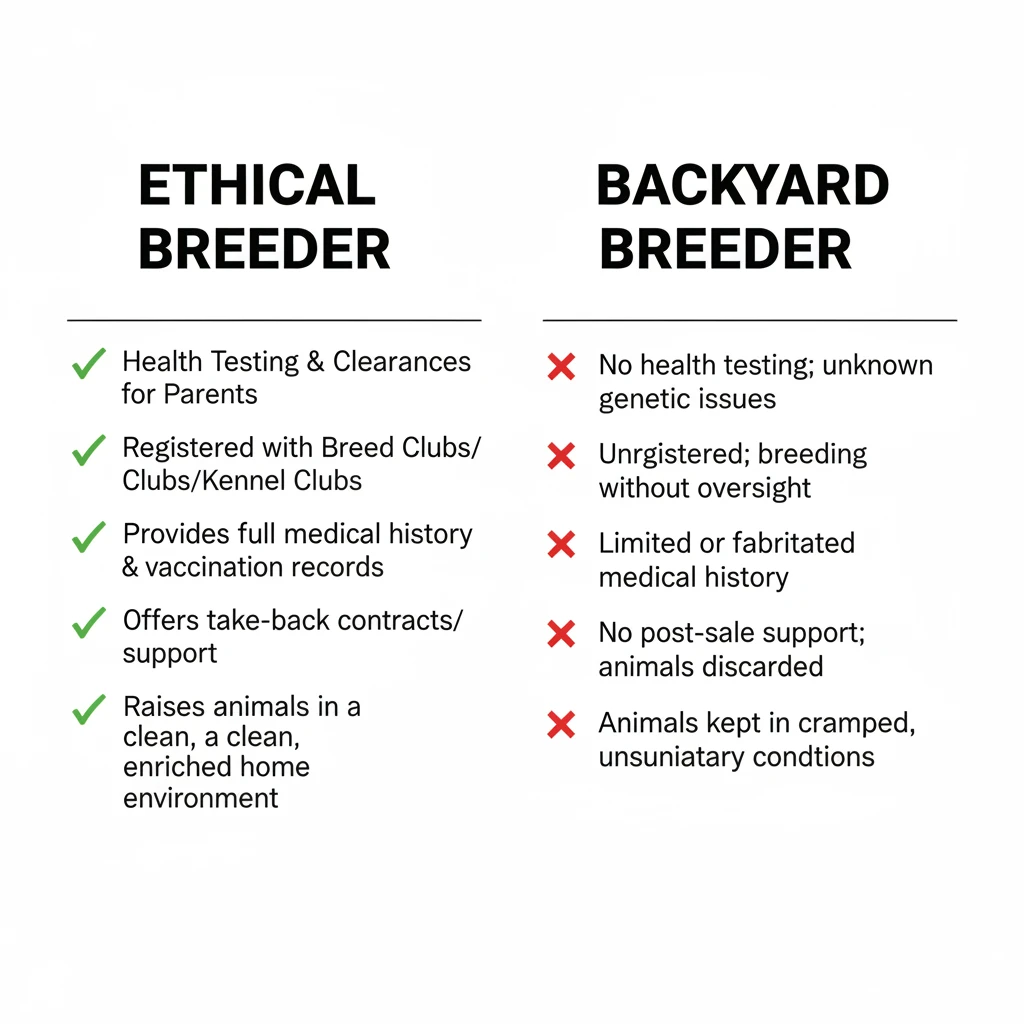
True responsible breeding in NZ operates under a strict code of ethics. This involves transparency and accountability. Ethical breeders do not view animals as livestock for profit but as family members. They limit the number of litters a female can have to ensure her health is not compromised, often retiring them early to live out their days as pets.
Health Testing and Genetics
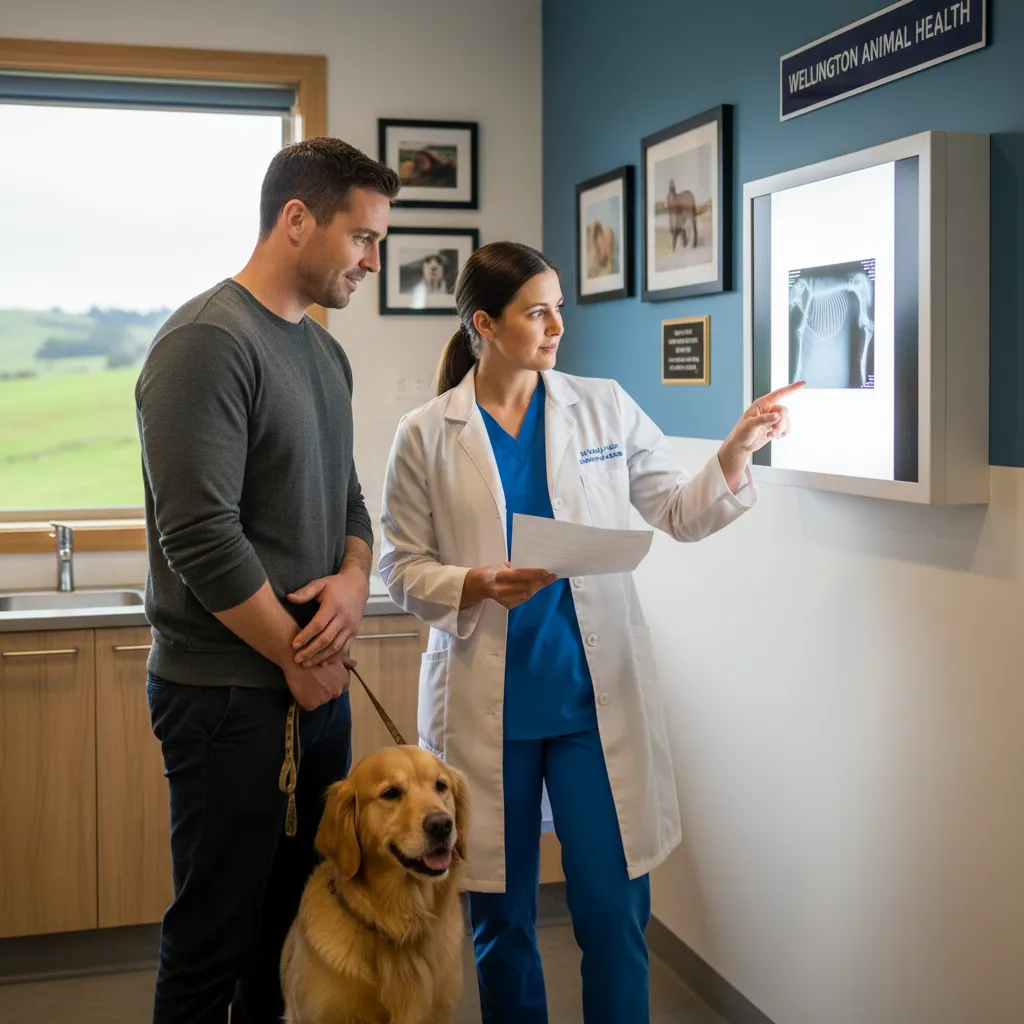
One of the pillars of responsible breeding is rigorous health testing. This goes beyond a simple vet check. It involves DNA profiling and breed-specific screening (such as hip and elbow scoring for large dog breeds or heart scans for certain cat breeds). The goal is to eliminate hereditary diseases from the gene pool. By breeding only the healthiest examples of the species, responsible breeders ensure that the resulting offspring are less likely to suffer from painful, expensive, and life-shortening conditions.
Lifetime Responsibility
Perhaps the most defining characteristic of a responsible breeder is the concept of “lifetime responsibility.” If, for any reason, a buyer can no longer keep the animal, a responsible breeder will contractually require that the animal be returned to them, regardless of age. This ensures that none of their animals ever end up in the rescue system, relieving pressure on New Zealand’s shelters.
For more detailed information on welfare codes, you can refer to the Ministry for Primary Industries (MPI) Codes of Welfare, which outline the minimum standards expected for animal care in New Zealand.
The Critical Role of Desexing
Desexing (also known as spaying for females and neutering for males) is the single most effective tool available to combat pet overpopulation. However, the benefits of desexing extend far beyond population control; it provides significant medical and behavioral advantages for the pets themselves.
Medical Benefits
For female pets, desexing eliminates the risk of pyometra, a life-threatening uterine infection that affects a high percentage of unspayed females, particularly as they age. It also significantly reduces the risk of mammary tumors. For males, neutering eliminates the risk of testicular cancer and reduces the incidence of prostate problems. By desexing pets, owners are effectively investing in preventative healthcare that can extend their pet’s lifespan.
Behavioral and Community Benefits
Intact animals are driven by strong hormonal instincts. Unneutered males are prone to roaming in search of mates, increasing their risk of being hit by cars, getting into fights with other animals, or becoming lost. This roaming behavior is a major nuisance for communities and a safety hazard for the animals. Desexing reduces aggression, roaming, and territorial marking (spraying).
From a community perspective, widespread desexing creates a safer environment. It reduces the number of stray animals, which in turn protects native New Zealand wildlife. Cats, in particular, are efficient predators; reducing the stray cat population through desexing is essential for the preservation of our native birds and lizards.

Subsidized Desexing and Support Programs
Cost is frequently cited as a barrier to desexing. Veterinary procedures can be expensive, and for families struggling with the cost of living, desexing often falls to the bottom of the priority list. Recognizing this, various organizations in New Zealand offer subsidized desexing programs to ensure financial hardship does not prevent responsible pet ownership.
The SNIP Program and SPCA Initiatives
Many branches of the SPCA and independent rescues run “SNIP” (Spay Neuter Improve Pets) campaigns. These programs offer desexing at a significantly reduced rate or, in some cases, for free for Community Services Card holders. These initiatives are targeted at areas with high populations of unowned or stray animals to break the cycle of reproduction.
Council Vouchers and Vet Partnerships
Several local councils in New Zealand partner with veterinary clinics to provide desexing vouchers. These are often distributed during microchipping drives or amnesty periods. It is highly recommended that pet owners check with their local city or district council to see what funding is available.
Furthermore, rescue organizations often include the cost of desexing in their adoption fees. When you adopt from a reputable rescue, the animal will almost always be desexed prior to coming home, or a voucher will be provided for puppies and kittens too young for the procedure. This makes adoption one of the most cost-effective ways to acquire a pet while ensuring responsible practices are upheld.
Identifying Ethical Breeders vs. Backyard Breeders
In the digital age, finding a pet is as easy as scrolling through social media or trade websites. However, this accessibility has given rise to backyard breeders who prioritize quick cash over animal welfare. Distinguishing between the two is vital for anyone looking to bring a pet into their home.
Red Flags of Backyard Breeders
Consumers should be wary of any seller who:
- Does not allow you to visit the place where the animals were raised.
- Refuses to show you the mother (and father, if possible) of the litter.
- Hands over a puppy or kitten under 8 weeks of age.
- Does not ask you any questions about your lifestyle, home environment, or ability to care for the animal.
- Cannot provide veterinary records regarding vaccinations, worming, or health checks.
- Sells animals without a contract or guarantee of health.
The Gold Standard
Ethical breeders will often have a waiting list. They will interview you extensively because they care deeply about where their animals end up. They are usually registered with bodies like Dogs New Zealand (formerly NZKC) or recognized cat fancy organizations, though registration alone is not a guarantee of quality—diligence is still required.
Crucially, ethical breeders advocate for desexing. Unless an animal is specifically sold as a show or breeding prospect (which usually involves strict contracts), responsible breeders will sell pets with a desexing contract or will have the procedure done before the animal leaves their care (early-age desexing).
The Future of Animal Welfare in Aotearoa
The path to ending the overpopulation crisis in New Zealand lies in education and legislation. Responsible pet breeding NZ must become the only acceptable standard, pushing backyard operations out of the market through lack of demand. Simultaneously, desexing must be viewed not as an optional extra, but as a mandatory aspect of pet ownership, much like registering a car.
Supporting rescue organizations is noble and necessary, but it is reactive. To be proactive, New Zealanders must support legislative changes that regulate breeding more tightly and fund community desexing initiatives. By making informed choices—whether to adopt from a shelter or purchase from a meticulously ethical breeder—every individual contributes to a future where every companion animal in Aotearoa is wanted, loved, and healthy.
For further reading on the importance of desexing and community initiatives, visit the SPCA New Zealand Desexing Advice page.
People Also Ask
How much does it cost to desex a dog in NZ?
The cost of desexing a dog in NZ varies significantly depending on the size, age, and gender of the dog, as well as the veterinary clinic. Generally, prices range from $250 to over $600. Female dogs (spaying) are typically more expensive than males (neutering) due to the complexity of the surgery. Subsidies may be available for Community Services Card holders.
At what age should you desex a cat or dog?
Traditionally, desexing is performed around 6 months of age. However, many veterinarians and the SPCA now advocate for early-age desexing (pre-pubertal), which can be done as early as 8 to 12 weeks, provided the animal weighs at least 1kg. Always consult your vet for the best timing for your specific pet.
Is it illegal to breed dogs in NZ without a license?
Currently, you do not need a specific government license to breed dogs in New Zealand, which is a point of contention for animal welfare advocates. However, all breeders must comply with the Animal Welfare Act 1999. Failure to meet the physical, health, and behavioral needs of the animals can result in prosecution.
What are the benefits of desexing a female dog?
Desexing a female dog prevents unwanted pregnancies and eliminates the mess and stress of heat cycles. Medically, it prevents uterine infections (pyometra) and significantly reduces the risk of mammary cancer, especially if done before the first heat cycle.
Can I sell puppies on TradeMe NZ?
Yes, but TradeMe has strict rules. You cannot sell puppies younger than 8 weeks old, and you must adhere to their Code of Welfare. TradeMe has banned the sale of certain breeds (like Pugs, French Bulldogs, and British Bulldogs) unless the breeder can prove the parents have undergone specific health testing, in an effort to discourage breeding unhealthy animals.
How do I report a backyard breeder in NZ?
If you suspect a breeder is neglecting animals or violating the Animal Welfare Act, you should contact the SPCA immediately. You can also report concerns to the Ministry for Primary Industries (MPI). Provide as much evidence as possible, such as photos or screenshots of listings, but do not put yourself in danger.