As New Zealand’s population continues to gravitate towards major metropolitan hubs like Auckland, Wellington, and Christchurch, the dynamic of pet ownership is shifting. The quarter-acre dream is increasingly being replaced by medium-density housing and apartment living. However, moving into the concrete jungle does not mean you have to leave your animal companions behind. Responsible city pet ownership NZ is entirely achievable with the right preparation, knowledge of local bylaws, and a commitment to animal welfare.
Whether you are a seasoned urbanite looking to adopt a rescue dog or a homeowner downsizing into a city apartment, understanding the nuances of urban animal care is critical. This guide explores the essential components of keeping pets happy, healthy, and legally compliant within New Zealand’s bustling city centres.
What is City Pet Ownership in NZ?
City pet ownership NZ refers to the responsible keeping of companion animals within high-density New Zealand urban environments, requiring strict adherence to local council bylaws, body corporate rules, and tenancy agreements. To succeed, owners must proactively manage noise, waste disposal, and exercise routines to ensure animal welfare and community harmony within shared living spaces.
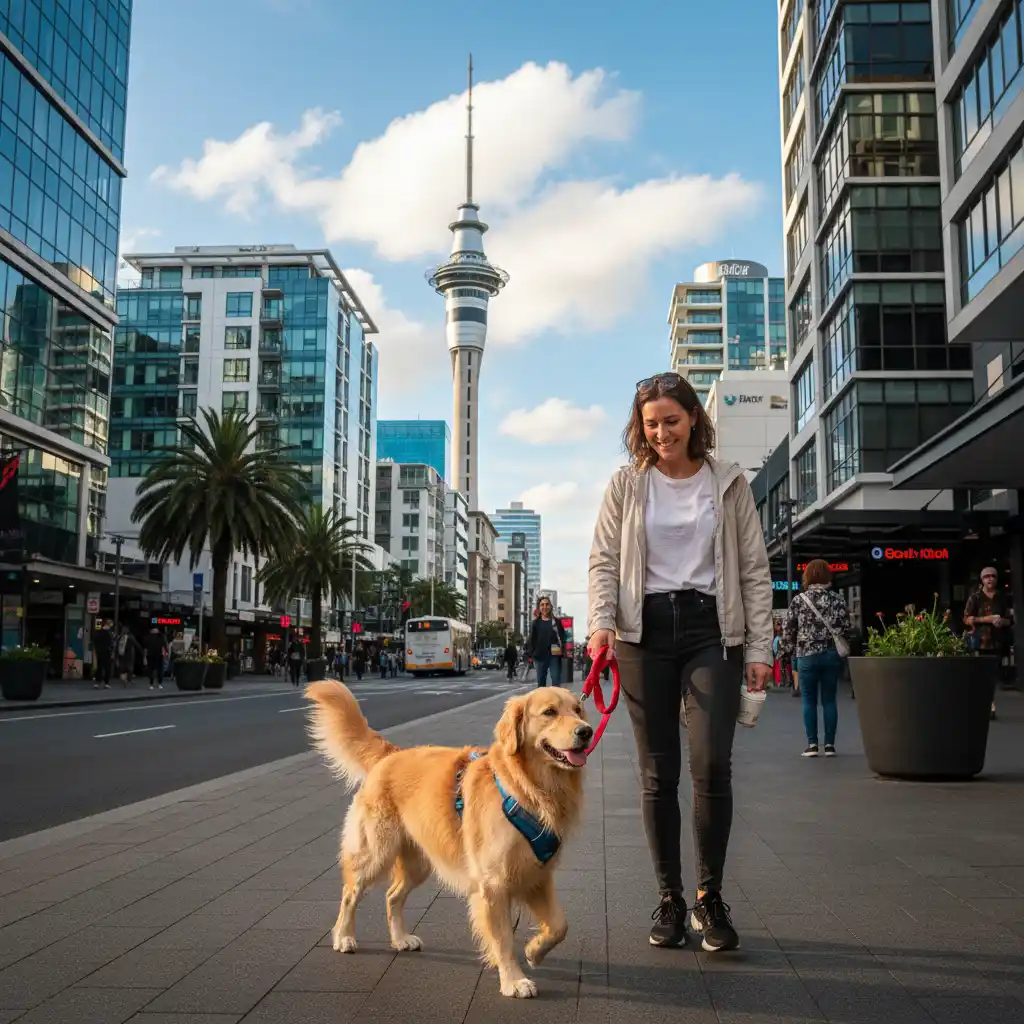
Navigating Apartment Living with Pets
The landscape for pet owners in apartments has improved significantly in recent years, but it remains a complex area of property law and body corporate governance. In New Zealand, the default position for many years was a strict “no pets” policy in many high-rise buildings. However, recent legal precedents and changes in the Unit Titles Act have shifted the balance.
Understanding Body Corporate Rules
If you own an apartment, you are subject to the Body Corporate operational rules. While a Body Corporate can draft rules regarding pets, the courts in New Zealand have increasingly ruled that a blanket ban on pets may be “unreasonable.” Typically, you must apply for consent to keep a pet. The Body Corporate can only withhold this consent on reasonable grounds, such as if the specific animal poses a nuisance or danger.
When applying for permission, provide a “Pet Resume” including:
- References: Letters from previous landlords or neighbours attesting to the pet’s good behaviour.
- Health Records: Proof of desexing, vaccinations, and flea/worm treatments.
- Training Certificates: Evidence of obedience training or Canine Good Citizen certification.
The Tenancy Tribunal and Renters
For tenants, the situation is governed by the Residential Tenancies Act. Currently, landlords in New Zealand have the right to prohibit pets. However, recent legislative discussions have aimed to make it harder for landlords to unreasonably refuse pets. If you are renting, always get written permission included in your tenancy agreement. “Pet bonds” (an extra bond specifically for pet damage) are currently not legal in New Zealand; the maximum bond remains the equivalent of four weeks’ rent.
Choosing the Right Pet for Urban Environments
Not all animals thrive in high-density environments. When considering city pet ownership NZ, especially if you are looking to adopt from a shelter or rescue organisation, temperament and energy levels are more important than size.
The “Small Dog” Myth
It is a common misconception that only small dogs are suitable for apartments. Many small breeds, such as Terriers, are high-energy and vocal, which can lead to noise complaints. Conversely, some large breeds, like Greyhounds (often available through rescue programmes), are known as “45mph couch potatoes” and can be excellent apartment dwellers due to their calm indoor nature.
Cats in the City
Cats are often easier to manage in apartments, but indoor-only cats require significant environmental enrichment to prevent boredom. Vertical space is key; installing shelves, cat trees, and window perches allows cats to exercise natural climbing instincts without needing outdoor access. Keeping cats indoors also protects New Zealand’s native birdlife, a major concern for conservationists.
Noise Considerations for Urban Pets
Noise is the number one cause of disputes between pet owners and neighbours in urban areas. Under the Dog Control Act 1996, dog owners are legally obliged to ensure their dog does not cause a nuisance to others, which includes persistent barking or howling.
Managing Barking
In a city environment, external stimuli are constant. Sirens, footsteps in the hallway, and traffic can trigger reactive barking. To mitigate this:
- Soundproofing: Use heavy curtains or draft stoppers to dampen corridor noise.
- White Noise: Leaving a radio or white noise machine on can mask startling sounds when you are not home.
- Routine: Ensure your dog is tired before you leave. A tired dog is a quiet dog.
If a complaint is lodged with the local council (e.g., Auckland Council or Wellington City Council), an Animal Management Officer may investigate. Persistent issues can lead to a formal abatement notice or fines. For detailed information on noise control regulations, you can refer to the Dog Control Act 1996 legislation.
Waste Management and Public Hygiene
In rural settings, nature often takes its course with pet waste. In the concrete jungle, manual intervention is non-negotiable. Failure to pick up after your dog is an offence under local council bylaws throughout New Zealand and carries an instant infringement fee, usually around $300.
The Health Risks
Dog faeces can carry Toxocara canis, a roundworm parasite that can cause blindness in humans, particularly children. In high-density areas, the concentration of waste increases the risk of transmission. Furthermore, uncollected waste runs off into stormwater drains, polluting New Zealand’s urban waterways and harbours.
Proper Disposal
Responsible owners should carry biodegradable bags at all times. Do not compost dog waste in standard home compost bins unless you are using a specialised system designed to reach temperatures high enough to kill pathogens. In most NZ cities, bagged dog waste must be placed in general rubbish bins, not recycling or green waste bins (unless specified by your specific council service).

Ensuring Adequate Exercise in City Environments
One of the biggest challenges of city pet ownership NZ is the lack of a backyard. This means you must be proactive about exercise. It is not just about physical exertion; it is about mental stimulation.
Leash Laws and Off-Leash Areas
In central business districts (CBDs), dogs must almost always be on a leash. However, most NZ cities have designated “Dog Exercise Areas” (DEAs) where dogs can run free. You must be aware of the specific times these are active; for example, some beaches allow dogs off-leash only in winter or early mornings.
Enrichment Over Distance
For city dogs, a 15-minute “sniffari” (where the dog leads the way and sniffs as much as they want) can be more mentally tiring than a 30-minute power walk. Sniffing lowers a dog’s pulse rate and reduces anxiety.
Indoor Games
When the New Zealand weather turns wet and windy, indoor games are vital. Hide and seek, snuffle mats, and puzzle feeders are excellent ways to burn energy within a small apartment footprint.
Legal Obligations: Registration and Microchipping
Regardless of where you live in New Zealand, all dogs over the age of three months must be registered with their local council. This must be renewed annually by July 1st.
Microchipping
Microchipping is mandatory for all dogs registered for the first time after 1 July 2006. This is distinct from registration tags. The microchip number is recorded in the National Dog Database (NDD). In a city, where a loose dog can easily become lost in traffic or crowds, a microchip is the most reliable way to be reunited with a lost pet.
Cat Microchipping
While not universally mandatory across all NZ councils yet, microchipping cats is strongly recommended and mandated in some regions (like Palmerston North and Wellington). The SPCA New Zealand advocates for mandatory microchipping of cats to assist in the recovery of lost animals and the management of stray populations.
Desensitisation to City Stimuli
City life is an assault on the senses. For a dog that has been adopted from a quiet rural rescue or a puppy farm, the city can be terrifying. “City pet ownership NZ” involves a commitment to desensitisation training.
Common Triggers
- Surfaces: Metal grates, slippery tiles, and hot asphalt.
- Crowds: Moving through dense foot traffic without jumping or cowering.
- Vehicles: Buses, skateboards, and scooters (especially e-scooters on footpaths).
Training Approach
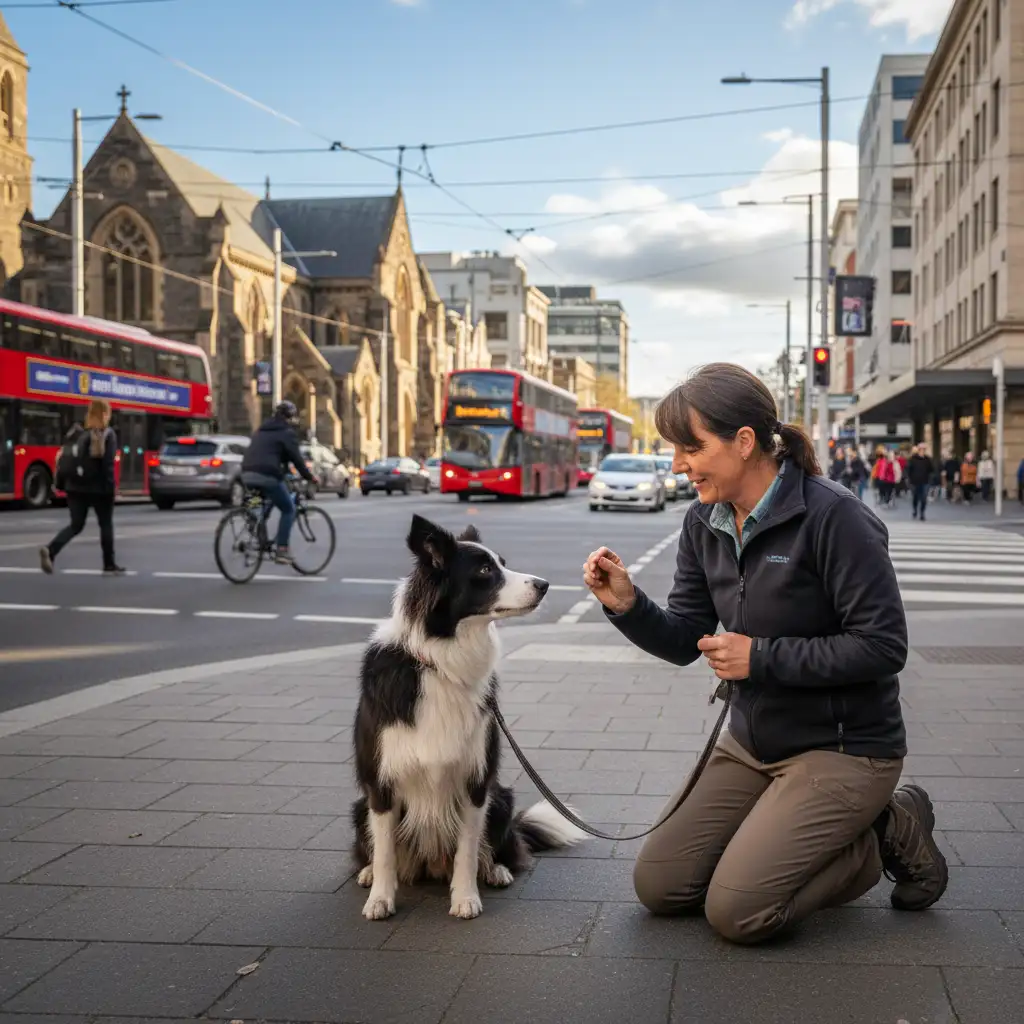
Start slow. Sit on a park bench at a distance from the traffic and reward your dog for calmness. Gradually decrease the distance to the stimuli. Never force a fearful dog into a crowded situation, as this can lead to “flooding” and increased aggression or anxiety. If you are struggling, hire a certified animal behaviourist who uses positive reinforcement methods.
People Also Ask
Below are common questions regarding keeping pets in New Zealand cities.
Can I have a dog in an apartment in NZ?
Yes, you can have a dog in an apartment in NZ, provided the Body Corporate rules allow it or grant consent. Under the Unit Titles Act, Body Corporates cannot unreasonably withhold consent. However, if you are renting, you must obtain written permission from your landlord.
What are the rules for dogs in Auckland city?
In Auckland city, dogs must be registered and microchipped. They must be on a leash in all public places unless in a designated off-leash area. Owners must carry a bag to pick up waste. Dogs are generally prohibited from playgrounds and sports surfaces.
Do I need to register my cat in NZ?
Cat registration requirements vary by council. While not mandatory nationally like dog registration, some councils (e.g., Wellington) require microchipping and registration. It is highly recommended to microchip all cats to ensure they can be returned if lost.
How do I stop my dog barking in an apartment?
To stop barking, ensure your dog is well-exercised and mentally stimulated. Use white noise to mask hallway sounds and practice desensitisation training. If separation anxiety is the cause, consult a behaviourist. Anti-bark collars are generally discouraged and sometimes regulated.
Are there fines for not picking up dog poop in NZ?
Yes, failing to remove dog faeces from public areas is an offence under the Dog Control Act 1996 and local bylaws. Infringement fines typically range from $300 to $500 depending on the local council.
What dog breeds are best for apartment living in NZ?
Breeds with lower energy or “couch potato” temperaments suit apartments best. This includes Greyhounds, Whippets, Cavalier King Charles Spaniels, and older rescue dogs of various mixes. High-energy working breeds like Border Collies generally struggle without significant exercise.