Pet ownership laws in New Zealand encompass a comprehensive framework designed to ensure animal welfare, public safety, and community harmony. These regulations, primarily governed by the Animal Welfare Act 1999 and the Dog Control Act 1996, along with various local council bylaws, outline the fundamental rights and responsibilities every pet owner must uphold across the country.
The Foundation of NZ Pet Ownership Laws
Understanding the legal landscape for pet ownership in New Zealand is crucial for every animal guardian. These laws are not merely bureaucratic hurdles; they are foundational to fostering a compassionate society, preventing animal cruelty, and ensuring pets integrate positively into communities. The overarching legal framework stems from central government legislation, which provides a nationwide baseline, supplemented significantly by local council bylaws that address specific regional needs and concerns.
At its heart, NZ pet law seeks to balance the joys of pet companionship with the imperative of animal welfare and public safety. This means that while pet owners have the right to keep animals, this right is intrinsically linked to responsibilities that cover everything from daily care to managing their pet’s impact on neighbours and the environment. Ignorance of these laws is not an excuse, and non-compliance can lead to significant penalties, including fines, confiscation of animals, and even legal prosecution.
Key Legislative Acts Governing Pet Ownership
Several pivotal pieces of legislation form the backbone of pet ownership laws in New Zealand. The two most prominent are the Animal Welfare Act 1999 and the Dog Control Act 1996. While the latter is specifically tailored to dogs, the former casts a much wider net, covering all animals, including companion animals, livestock, and those in scientific research. Local councils then build upon these acts with specific bylaws tailored to their unique communities, addressing aspects like maximum pet numbers, leash requirements, and nuisance controls.
Being familiar with these core acts and your local council’s specific regulations is the first step towards truly responsible pet ownership. It empowers owners to make informed decisions, ensuring their pets receive appropriate care and that they, as owners, contribute positively to their community.
Local Council Regulations for Pets
While national legislation sets the general standards for animal welfare and dog control, local councils in New Zealand play a critical role in shaping the day-to-day realities of pet ownership through their specific bylaws. These bylaws vary significantly from one council area to another, reflecting unique community demographics, environmental considerations, and historical practices. It is therefore paramount for every pet owner to be intimately familiar with the regulations enforced by their specific local authority.
These bylaws often dictate practical aspects such as the maximum number of pets a household can keep, specific areas where dogs must be on a leash or are prohibited entirely (e.g., certain beaches or playgrounds), and rules around pet enclosures and containment. They also establish procedures for animal control services, including the impounding of wandering animals and the process for reuniting lost pets with their owners.
Registration, Microchipping and Containment
Local council bylaws typically reinforce and expand upon national requirements for pet registration and microchipping, particularly for dogs. While the Dog Control Act 1996 mandates annual dog registration and microchipping, councils manage the local administration of these processes, including fee collection and enforcement. Some councils may also encourage or mandate registration for cats, or offer subsidised desexing programs. Beyond registration, bylaws often detail requirements for adequate fencing and containment to prevent pets from wandering and causing nuisance or danger.
Public Access and Leash Laws
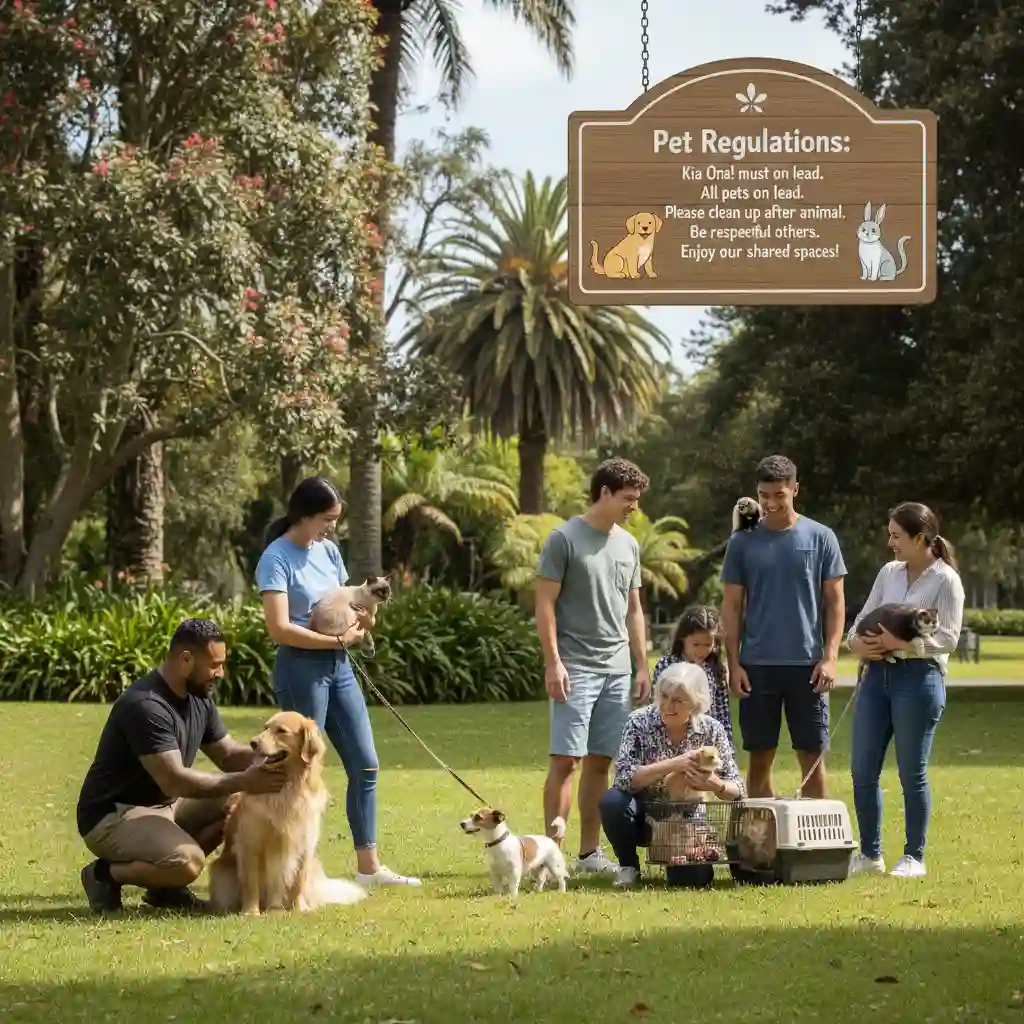
One of the most common and varied areas of local regulation concerns public access for pets, especially dogs. Councils designate specific areas as ‘dog exercise areas’ where dogs may be off-leash, ‘on-leash areas’ where control is paramount, and ‘prohibited areas’ where dogs are not permitted at all. These designations are often clearly signposted in parks, beaches, and reserves. Violating these leash laws can result in instant fines and potential penalties, highlighting the importance of checking local signage or council websites before venturing out with your pet.
Breeding and Permitting
Some councils also have specific bylaws relating to the breeding of pets, particularly if it’s done on a commercial scale or involves multiple animals. These regulations might require permits, inspections, or adherence to additional welfare standards to ensure responsible breeding practices and prevent overpopulation or poor living conditions for breeding animals and their offspring. Prospective breeders should always consult their local council for any specific requirements.
Microchipping and Registration Requirements
In New Zealand, microchipping and registration are cornerstone requirements for responsible dog ownership, with some variations and recommendations for other pets. These measures are critical for animal welfare, public safety, and the efficient return of lost animals to their owners. They form an essential part of maintaining control and accountability within the pet-owning community.
Mandatory Dog Microchipping
Under the Dog Control Act 1996, it is mandatory for all dogs registered in New Zealand for the first time (after July 1, 2006) to be microchipped. The microchip is a small, passive electronic device, roughly the size of a grain of rice, implanted under the skin, usually between the shoulder blades. This chip contains a unique identification number that can be read by a scanner, linking the dog directly to its owner’s contact details stored in a national database. Exemptions may apply for working dogs, though this can vary by council and specific circumstances. Non-compliance with microchipping requirements can result in significant fines.
The Importance of Keeping Details Updated
A microchip is only effective if the registered details are current. If you move house, change your phone number, or transfer ownership of your dog, it is your responsibility to update these details with the microchip registry (e.g., NZCAR – New Zealand Companion Animal Register) and your local council. Outdated information renders the microchip largely useless in the event of your pet going missing, potentially leading to prolonged stays at animal shelters or rehoming.
Annual Dog Registration
In addition to microchipping, all dogs over three months of age in New Zealand must be registered annually with their local council. This involves paying a registration fee, which contributes to the funding of animal control services, dog parks, and other pet-related infrastructure. The fees can vary significantly between councils and often include discounts for desexed dogs, responsible dog owners (e.g., those with a ‘responsible owner’ status), or working dogs. Registration is typically due by July 1st each year. Failure to register your dog can lead to substantial fines and impoundment.
Microchipping and Registration for Other Pets
While not universally mandatory for cats or other pets, microchipping is strongly recommended by veterinary professionals and animal welfare organisations for all companion animals. For cats, it significantly increases the chances of being reunited if they get lost. Some councils have introduced voluntary or incentivised cat registration schemes, and some require desexing for cats in certain circumstances. Always check with your local council for specific recommendations or requirements concerning non-dog pets.
The Dog Control Act 1996: Key Responsibilities for Dog Owners
The Dog Control Act 1996 stands as a cornerstone of New Zealand’s pet legislation, specifically outlining the duties and obligations of dog owners to ensure responsible care, public safety, and community well-being. This Act is designed to prevent dog-related incidents, promote humane treatment, and provide a framework for councils to manage dog populations effectively.
Preventing Nuisance and Attacks
A primary focus of the Act is to prevent dogs from causing a nuisance or posing a threat to people or other animals. This includes requirements for dog owners to keep their dogs under control at all times, whether on or off their property. Dogs must not roam unsupervised, attack or injure people or other animals, or cause damage to property. Owners are also responsible for ensuring their dogs do not bark excessively, which can be a significant source of nuisance for neighbours. Failure to control a dog can lead to severe penalties, including fines, impoundment, and in serious cases, prosecution and potential destruction of the animal.
Dangerous and Menacing Dog Classifications
The Act provides for the classification of dogs as ‘dangerous’ or ‘menacing’. A dog can be classified as dangerous if it has attacked a person or animal without provocation, or if the court believes it is likely to do so. Menacing classification can occur if a dog rushes at someone without provocation or shows aggressive behaviour. Once classified, strict conditions are imposed on the owner, such as mandatory muzzling in public, secure containment, desexing, and specific registration requirements. Certain dog breeds or types (e.g., Brazilian Fila, Dogo Argentino, Japanese Tosa, Pit Bull type, Perro de Presa Canario) are automatically classified as menacing, with associated restrictions.

Desexing and Responsible Breeding
While not mandatory for all dogs, desexing is highly encouraged under the Act, often incentivised through lower registration fees. It plays a vital role in controlling dog populations, reducing unwanted litters, and mitigating certain behavioural issues. The Act also places responsibilities on those who breed dogs, ensuring that puppies are raised in appropriate conditions and that owners are prepared for the commitment of responsible ownership.
Identification and Waste Management
The Dog Control Act, reinforced by local bylaws, also mandates that dogs wear a collar with a registration tag when in public. This aids in quick identification if a dog becomes lost. Furthermore, owners are legally required to remove and dispose of their dog’s faeces in a hygienic manner when in any public place. This responsibility helps maintain public health and amenity, contributing to a clean and enjoyable environment for everyone.
The Animal Welfare Act 1999: Ensuring Humane Treatment
While the Dog Control Act specifically addresses canine-related responsibilities, the Animal Welfare Act 1999 provides a broad, overarching legal framework for the humane treatment and care of all animals in New Zealand, including companion pets, farm animals, and those used in research. This legislation enshrines the fundamental principle that animals are sentient beings and places a significant duty of care on anyone in charge of an animal.
The Five Freedoms
At the core of the Animal Welfare Act are the ‘Five Freedoms,’ which serve as a globally recognised benchmark for animal welfare standards. These freedoms outline the basic needs that every animal is entitled to and that every owner is responsible for providing:
- **Freedom from Hunger and Thirst:** By ready access to fresh water and a diet to maintain full health and vigour.
- **Freedom from Discomfort:** By providing an appropriate environment including shelter and a comfortable resting area.
- **Freedom from Pain, Injury or Disease:** By prevention or rapid diagnosis and treatment.
- **Freedom to Express Normal Behaviour:** By providing sufficient space, proper facilities and company of the animal’s own kind.
- **Freedom from Fear and Distress:** By ensuring conditions and treatment which avoid mental suffering.
These freedoms are not merely aspirational; they are legally enforceable standards, and failure to provide them can result in prosecution under the Act. More information on these principles can be found via the Ministry for Primary Industries (MPI).
Preventing Cruelty and Neglect
The Act prohibits cruel or negligent treatment of animals, which includes acts of deliberate harm, abandonment, failure to provide necessary veterinary care, or prolonged suffering. This applies to all stages of an animal’s life, from birth to death. Owners have a legal obligation to ensure their pets receive appropriate food, water, shelter, companionship (where applicable for the species), and medical attention when needed. The penalties for animal cruelty are severe, reflecting society’s intolerance for such actions, and can include substantial fines and imprisonment.
Who Enforces the Act?
The Animal Welfare Act is enforced primarily by the Ministry for Primary Industries (MPI) and the Royal New Zealand Society for the Prevention of Cruelty to Animals (SPCA). These organisations investigate complaints of animal cruelty or neglect, and they have powers to seize animals, issue compliance notices, and prosecute offenders. If you witness or suspect animal cruelty, it is your responsibility to report it to the appropriate authorities.
Noise and Nuisance Guidelines: Community Harmony
Responsible pet ownership extends beyond direct animal welfare to encompass the impact pets have on the wider community. Noise and nuisance are common sources of neighbourly disputes, and New Zealand laws, particularly local council bylaws, provide guidelines and enforcement mechanisms to address these issues, promoting harmony within neighbourhoods.
Managing Excessive Barking
One of the most frequent complaints related to pets, especially dogs, is excessive barking. While some barking is normal, persistent and prolonged barking can significantly disturb neighbours. Local councils have bylaws defining what constitutes excessive barking and provide pathways for affected residents to lodge complaints. Owners are legally obliged to take reasonable steps to prevent their dogs from becoming a nuisance. This may involve training, addressing underlying anxiety or boredom, providing adequate exercise, or consulting with professional dog trainers. Councils often offer guidance and support for owners struggling with barking issues, but repeated non-compliance can lead to formal warnings, fines, and even abatement notices.
Wandering Animals and Containment
Another significant nuisance is pets, particularly cats and dogs, wandering onto other people’s properties or public spaces unsupervised. Dogs found wandering are typically impounded by animal control, incurring fees for the owner and potential fines. While cat containment laws are less stringent nationwide, some councils are exploring or implementing bylaws to encourage or require cat containment to protect wildlife and reduce nuisance. Pet owners have a clear responsibility to ensure their animals are securely contained on their property to prevent them from causing problems or getting into dangerous situations.
Faeces Disposal and Public Hygiene
The hygienic disposal of animal waste is a non-negotiable responsibility for all pet owners. The Dog Control Act 1996 explicitly states that dog owners must remove and dispose of their dog’s faeces from any public place. Many local parks and walking trails provide bins and even dog waste bags to facilitate this. Failure to clean up after your dog is an offence and can result in fines. This rule is crucial for public health, amenity, and maintaining clean, enjoyable shared spaces.
Specific Considerations for Other Pets in NZ
While dogs and cats often dominate discussions around pet ownership laws, it’s essential to remember that the Animal Welfare Act 1999 applies to all animals. This means owners of birds, rabbits, guinea pigs, fish, reptiles, and even more exotic pets also have significant responsibilities, albeit with fewer specific council bylaws than for dogs.
Cats: Desexing and Microchipping Recommendations
Although microchipping and registration are not mandatory for cats nationwide, they are highly recommended. Many veterinary clinics and animal shelters strongly advocate for cat desexing to prevent unwanted litters and reduce the number of stray cats. Desexing also offers health benefits for cats and can reduce territorial behaviours like spraying and fighting. Some councils offer subsidised desexing programs, and an increasing number are considering or implementing bylaws around cat management, including encouraging or requiring microchipping and desexing, and in some areas, containing cats to specific properties.
Small Mammals, Birds, and Fish
For pets like rabbits, guinea pigs, hamsters, birds, and fish, the general duties of care under the Animal Welfare Act 1999 are paramount. Owners must provide adequate food, clean water, appropriate shelter, environmental enrichment, and prompt veterinary care if needed. This means ensuring cages are appropriately sized, clean, and offer stimulating environments. For social animals like rabbits and guinea pigs, providing companionship of their own kind is also an important welfare consideration.
Exotic Pets and Wildlife Permits
Owning certain exotic animals in New Zealand is highly restricted or entirely prohibited due to biosecurity risks and conservation efforts. Before acquiring any non-native or unusual pet, it is crucial to consult the Department of Conservation (DOC) and MPI to determine if the animal is legal to own and if any specific permits or licences are required. Importing exotic animals into New Zealand is also subject to strict biosecurity regulations to protect the country’s unique ecosystem.
Understanding Your Rights as a Pet Owner in NZ
While the focus is often on responsibilities, pet owners in New Zealand also have certain rights within the legal framework. These rights are generally linked to due process, fair treatment, and the ability to enjoy companionship with their animals, provided they are acting responsibly.
Right to Humane Treatment of Impounded Pets
If your pet is impounded by animal control, you have the right to expect that it will be treated humanely, provided with food, water, and shelter, and given appropriate care while in the council’s custody. Councils must follow specific procedures for holding and rehoming impounded animals, and owners generally have a set period to reclaim their pets before they can be rehomed or euthanised.
Right to Appeal Decisions
If you receive a fine, notice, or if a decision is made regarding your pet (e.g., classification as dangerous), you typically have the right to appeal that decision. This process usually involves formally objecting to the council or, in some cases, taking the matter to a court or tribunal. It’s important to understand the specific appeal processes and timelines outlined by your local council and the relevant legislation.
Enjoyment of Pets Within Legal Boundaries
Fundamentally, responsible pet owners have the right to enjoy the companionship of their animals, provided they comply with all relevant national laws and local bylaws. This includes the right to walk your dog in designated areas, keep a reasonable number of pets on your property, and ensure their welfare without undue interference, as long as your actions do not impinge on the rights or safety of others.
Conclusion: Embracing Responsible Pet Ownership
Navigating the rights and responsibilities of pet ownership in New Zealand requires diligence and a proactive approach. From understanding the nuances of local council bylaws to upholding the stringent standards of the Animal Welfare Act 1999 and the Dog Control Act 1996, every pet owner plays a vital role in fostering a safe, humane, and harmonious environment for both animals and people. By embracing these responsibilities – ensuring proper registration and microchipping, managing potential nuisances, and providing comprehensive welfare – New Zealand pet owners not only protect their beloved companions but also contribute positively to the broader community. Staying informed and committed to these principles is the hallmark of a truly responsible pet guardian.
People Also Ask (PAA)
What are the main pet laws in New Zealand?
The main pet laws in New Zealand are the Animal Welfare Act 1999, which covers the general welfare and humane treatment of all animals, and the Dog Control Act 1996, which specifically addresses the management, control, and responsibilities of dog ownership. Additionally, local councils enforce their own bylaws that provide specific regulations for pets within their jurisdictions, covering aspects like leash laws, pet numbers, and nuisance control.
Is microchipping mandatory for all pets in NZ?
Microchipping is mandatory for all dogs registered for the first time in New Zealand (after July 1, 2006), with some exemptions for working dogs. While not mandatory for cats or other pets, it is highly recommended by veterinarians and animal welfare organisations as it significantly increases the chances of reuniting lost pets with their owners. Some local councils may have specific requirements or incentives for microchipping other types of pets.
What are my responsibilities as a dog owner in NZ?
As a dog owner in NZ, you are responsible for annually registering your dog with the local council, ensuring it is microchipped, keeping it under control at all times (on or off your property), preventing it from causing a nuisance (e.g., excessive barking or wandering), cleaning up its faeces in public places, and providing for its welfare needs according to the Animal Welfare Act 1999. You must also comply with local council bylaws regarding public access and containment.
Can I have more than one dog in NZ?
The number of dogs you can own in New Zealand is typically regulated by local council bylaws, not by national legislation. These bylaws vary significantly between councils. Some councils have a maximum limit on the number of dogs a household can keep without requiring a special permit, while others may not have an explicit limit but expect owners to maintain appropriate welfare standards and prevent nuisance regardless of the number of animals. Always check with your local council.
What happens if my dog barks too much in NZ?
If your dog barks excessively and causes a nuisance to neighbours, they can lodge a complaint with your local council’s animal control. The council will investigate, which may involve monitoring the barking. You could receive a formal warning, an abatement notice requiring you to stop the nuisance, or even fines. Persistent nuisance barking can lead to further penalties, including possible impoundment of your dog, as owners have a legal responsibility to prevent their dogs from causing nuisance.
Are there specific rules for cat ownership in New Zealand?
Nationally, there are fewer specific rules for cat ownership compared to dogs. Cats are covered by the general Animal Welfare Act 1999, meaning owners must provide for their welfare needs. While not mandatory nationwide, desexing and microchipping are strongly recommended. Some local councils, however, are increasingly introducing bylaws or initiatives to encourage responsible cat ownership, such as voluntary registration schemes, subsidised desexing, or even specific requirements around cat containment to protect local wildlife.