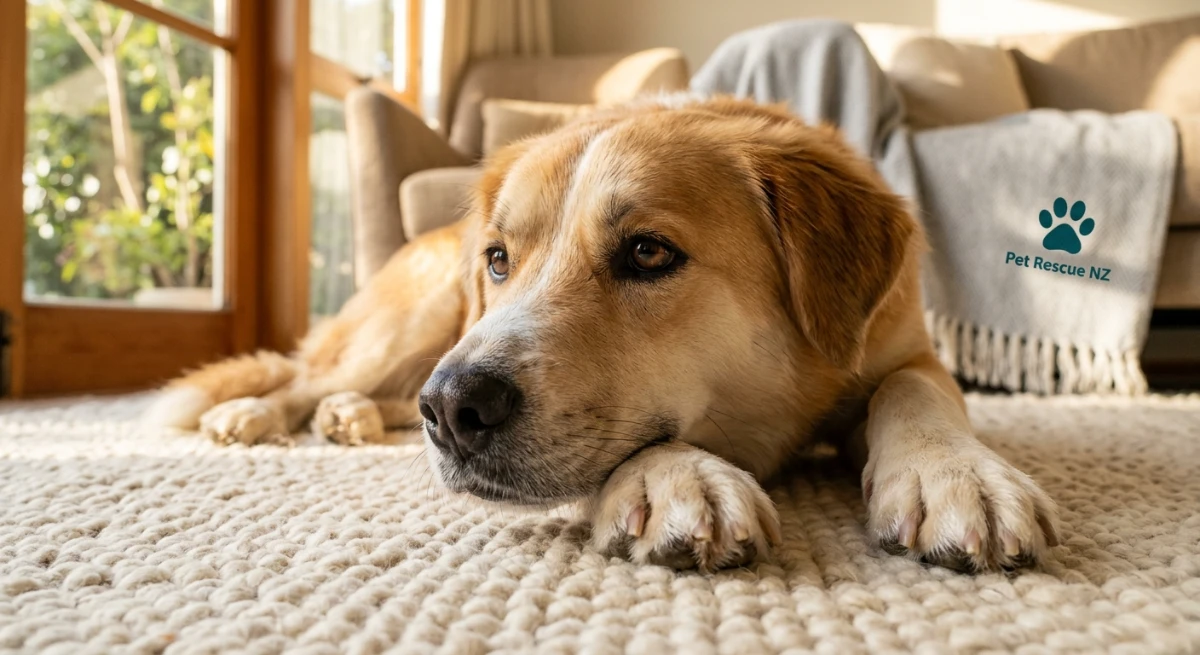
Safe Dog Rehoming in NZ: Stress-Free Solutions for Owners
Life changes. We get it. Sometimes, despite our best intentions and deepest love, we find ourselves at a crossroads where we can no longer provide the care our dogs deserve. Whether it is a sudden move, a change in landlord rules, or financial pressures, the decision to rehome a beloved dog is one of the heaviest things a pet owner can carry. There is often a lot of guilt, worry, and sleepless nights. But you do not have to go through this alone, and your dog does not have to experience the stress of a shelter cage.
By exploring safe dog rehoming in NZ, you can find a gentle, compassionate path forward that protects your dog’s emotional well-being and gives you complete peace of mind. Taking control of their transition directly ensures that they move from one loving home to another, with zero cage time and zero shelter stress.
Key Takeaways
Achieving safe dog rehoming in NZ relies on keeping your dog comfortable at home while directly vetting new families. By avoiding loud shelters and unmoderated social media, direct home-to-home rehoming offers stress-free solutions for owners, keeping you in complete control of your dog’s next chapter.
Understanding your options when life changes
In Aotearoa, thousands of families share their lives with companion animals. According to the Companion Animals New Zealand Pet Data Report, nearly 31% of Kiwi households include a dog. This means dogs are deeply woven into our families, communities, and daily lives.
But when circumstances shift, finding safe dog rehoming in NZ becomes a top priority. You might feel overwhelmed by the choices available, but taking a breath and looking at the big picture is the first step. Understanding the difference between traditional avenues and modern, direct solutions helps you protect your dog’s future.
The reality of shelter surrender in Aotearoa
Many owners immediately think of surrendering their dog to a local shelter or pound. While these organisations do incredible, lifesaving work under immense pressure, the reality is that shelters are often full to capacity. The sudden transition from a quiet home to a loud, unfamiliar kennel can be incredibly stressful for a sensitive dog.
Furthermore, once you surrender your dog to a shelter, you lose all control over where they go next. You do not get to meet the new family, see their backyard, or ask them questions about their lifestyle. Direct rehoming offers a gentler path where you stay in the driver’s seat.
Why peer-to-peer rehoming is gentler on your dog
This is where peer-to-peer rehoming shines. By keeping your dog in their familiar home environment, you completely eliminate the trauma of shelter life. Your dog maintains their daily routine, sleeps in their usual spot, and enjoys their favourite treats while you search for the right match.
This approach offers stress-free solutions for owners who want to remain an active part of their dog’s next chapter. You get to hold the reins, vet potential adopters, and make a decision based on your own intuition and knowledge of your dog’s unique personality. It is a process built on trust and direct communication.
Step-by-step guide to safe dog rehoming
Taking the first step can feel daunting, but breaking the process down into manageable parts makes it much easier. Here is a practical roadmap to help you navigate this journey with confidence and peace of mind.
Step 1: Getting your dog’s paperwork sorted
Before you begin looking for a new home, ensure your dog is legally and medically ready. In New Zealand, microchipping and council registration are legal requirements for all dogs. Having these records up to date makes the transition seamless and keeps your dog safe.
Gather all of their vet records, including vaccination cards, desexing certificates, and any notes on ongoing medical treatments. A healthy, fully vaccinated dog is much easier to rehome responsibly, and new owners will appreciate the transparency.
Step 2: Creating an honest, loving profile
When writing your dog’s profile, focus on honesty and detail. Describe their daily routine, their favourite toys, and how they behave around other animals or children. Do they love long walks on the beach, or are they content with a quick sniff around the local park?
Be completely transparent about any quirks or behavioral challenges, such as separation anxiety or fence jumping. This transparency builds trust and ensures you attract families who are genuinely equipped to handle your dog’s specific needs, reducing the risk of a failed match.
Step 3: Vetting potential new families
Once the inquiries start coming in, take your time to filter through them. Do not feel rushed to choose the first person who shows interest. Ask open-ended questions about their lifestyle, working hours, and previous dog ownership experience.
A safe rehoming process relies heavily on open communication. If an applicant seems like a great fit, arrange a meet-and-greet in a neutral, public location to see how they interact with your dog. Trust your gut instinct—you will know when it feels right.
Unmoderated Facebook groups and general classified sites are hotbeds for pet scammers and bad actors. Always use a secure, dedicated rehoming platform to protect your dog.
Comparing your rehoming options
To help you make the best choice for your canine companion, let’s look at how peer-to-peer rehoming compares to traditional shelters and unmoderated social media channels.
| Feature | Peer-to-Peer Rehoming | Animal Shelters / Pounds | Social Media / Classifieds |
|---|---|---|---|
| Stress Level for Dog | Very Low (Stays at home) | High (Cages and noise) | Medium to High |
| Owner Control | 100% (You choose the family) | None (Ownership surrendered) | High (But lacks guidance) |
| Vetting & Safety | High (Structured screening) | Moderate (Stretched resources) | Very Low (High scam risk) |
| Transition Support | Excellent (Direct contact) | Minimal (Indirect) | None |
Every dog has quirks. Sharing these honestly helps you find a family that is perfectly prepared to support them, reducing the chance of a failed adoption.
Visualizing key drivers of pet rehoming in Aotearoa
Understanding why other Kiwi families face these decisions can help reduce the sense of isolation. Data from companion animal studies shows that housing barriers and financial pressures are among the leading reasons pets are rehome in Aotearoa.
By visualizing these drivers, we can see that the challenges are systemic, often driven by rental restrictions and the rising cost of veterinary care and pet food. This highlights the vital need for direct, compassionate rehoming channels.
Legal and safety considerations for Kiwi dog owners
Rehoming a dog isn’t just an emotional process; it also involves several legal responsibilities under New Zealand law. Ensuring these details are handled correctly protects both you and the new family.
The legal transfer of ownership
When you find the right family, you must formally transfer ownership. This involves updating the dog’s microchip details with the New Zealand Companion Animal Register (NZCAR) and notifying your local city or district council. Both you and the new owner will need to complete a transfer of ownership form.
We highly recommend using a written pet adoption agreement. This simple document outlines the terms of the transfer, ensuring both parties are on the same page and protecting your dog’s future wellbeing.
The role of kaitiakitanga in dog rehoming
In Aotearoa, we often speak of kaitiakitanga — guardianship and protection of our environment and the living things within it. Rehoming your dog responsibly is a profound act of kaitiakitanga. It is about acknowledging that while you may no longer be the right guardian for this season, you are taking full responsibility to ensure they are protected and loved in the next.
This mindset shifts the narrative from one of guilt to one of deep respect and love. You are giving your dog the best possible chance at a happy life, even if that life is with another family.
In New Zealand, you must legally notify your local council when ownership of a dog changes. This ensures the national database remains accurate.
Keeping the transition stress-free for your dog
The day of the handover is bound to be emotional. However, staying calm and prepared will help your dog feel safe during the transition. Dogs are incredibly intuitive and easily pick up on our stress and anxiety.
Packing their bags with familiar scents
When your dog leaves for their new home, pack their essential items together. Include their favorite bed, blankets, toys, and food bowls. These items carry familiar scents that provide immense comfort in a new, unfamiliar environment.
Also, provide a few days’ worth of their current food. A sudden change in diet combined with the stress of moving can easily cause an upset stomach. Keeping their diet consistent helps ground them during the first few days.
The first meet-and-greet on neutral ground
Always conduct the initial meeting in a neutral, outdoor space like a quiet park. This reduces territorial behavior and allows your dog to meet their new family in a relaxed, low-pressure setting. Let the new owners feed them treats and interact at your dog’s own pace.
Once everyone is comfortable, you can transition to the new home. Keep your goodbyes warm, positive, and brief. Seeing you happy and relaxed will signal to your dog that they are safe in their new environment.
Update vaccinations, gather vet records, pack familiar bedding/toys, and fill out a written transfer of ownership form before meeting the new family.
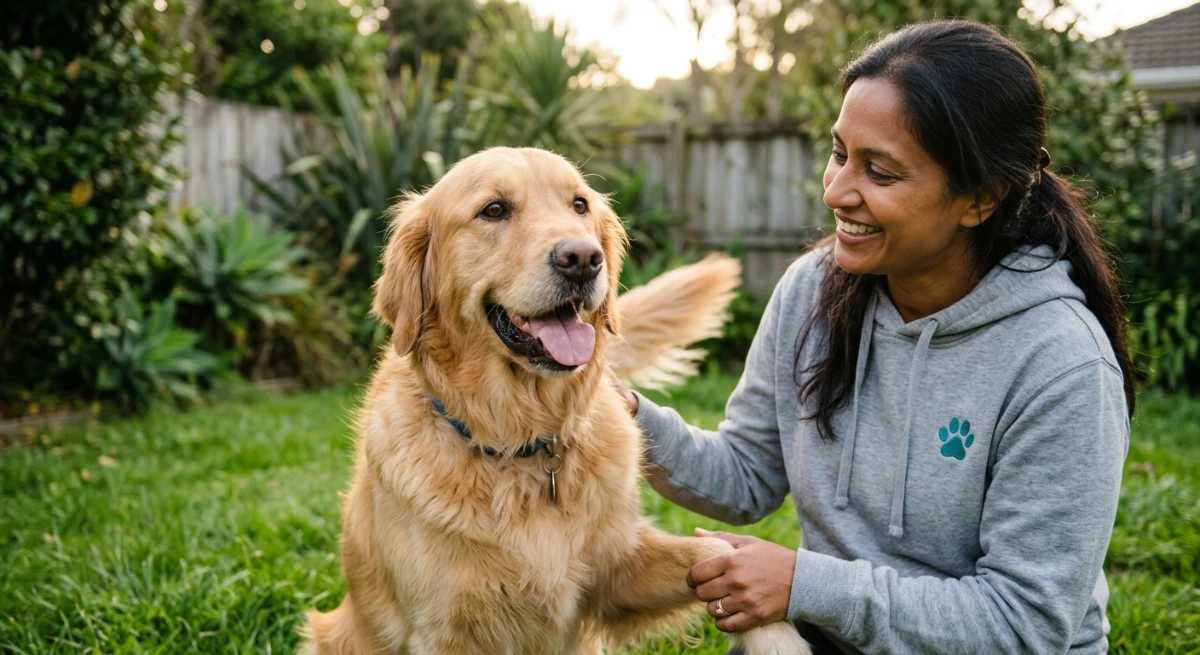
Rehoming a dog is a journey of love, selflessness, and responsibility. By choosing safe dog rehoming in NZ, you are prioritizing your dog’s emotional and physical wellbeing. Trust your gut, take your time, and know that finding the right family is the greatest gift you can give them.
About the Author
Written by the team at Pet Rescue NZ. As Kiwi pet lovers and experienced rehoming advocates, we are dedicated to helping families navigate difficult life changes with compassion, transparency, and practical support. Our mission is to ensure every dog in Aotearoa finds a safe, loving home without ever having to experience the stress of a shelter cage.