
Stress-Free Dog Rehoming in NZ: Your Helpful Guide
Life changes. We get it. Sometimes, despite our absolute best intentions, holding onto a beloved dog is no longer possible.
Whether it is a sudden shift in living situations, the arrival of a new baby, or the mounting financial pressures facing so many Kiwi families right now, making the call to rehome your dog is heartbreaking. You might feel a heavy sense of guilt, but recognising that you can no longer provide the life your dog needs is actually an act of profound love.
But it does not have to be terrifying. You are reading this because you care deeply about your dog’s future, and you want to make sure they end up on a comfortable couch with a family who will love them just as much as you do.
Welcome to our Stress-Free Dog Rehoming in NZ: Your Helpful Guide. This resource is designed to help you navigate the process with dignity, control, and absolute peace of mind.
We believe in keeping dogs out of crowded shelters and removing the institutional stress from the equation. No shelters. No middlemen. Just good people finding each other.
Key Takeaways
The most reliable approach for Stress-Free Dog Rehoming in NZ: Your Helpful Guide is using a home-to-home adoption platform. This modern method entirely bypasses overcrowded shelters, ensures zero cage time, and gives owners 100% control over safely selecting the perfect new family for their dog.
Why rehoming is a brave choice
Let us acknowledge the hard reality right away. The decision to rehome a pet is often accompanied by a heavy dose of unwarranted social stigma.
However, the landscape of pet ownership in Aotearoa has shifted dramatically. Right now, a significant 26% of New Zealand pet owners report that the soaring cost of living is making it incredibly difficult to meet their pet’s basic needs.
People are skipping essential household items just to afford dog food or delaying necessary veterinary care. If you are in this boat, you are absolutely not alone, and you have not failed your animal.
By choosing a structured, peer-to-peer rehoming approach, you take complete control of the narrative. You ensure your dog transitions smoothly from your living room directly into another loving home, completely bypassing the trauma of a kennel.
The reality of physical shelters in 2026
We have immense respect for the hard work done by the SPCA and local council rescues. They are on the absolute front lines of animal welfare in New Zealand, doing incredibly difficult work.
However, the physical shelter system is currently buckling under unprecedented pressure. If you are considering rehoming a dog in Auckland, you need to understand the current strain on these facilities.
Recent 2025 council data reveals a devastating reality. Over 10,000 dogs were impounded across Auckland in a single year, resulting in a heartbreaking 60% euthanasia rate as shelters ran out of space. Highly adoptable dogs are sadly paying the price for this overcrowding.
This is exactly why the zero cage time movement is so vital for animal welfare. When you rehome directly, your dog stays safe and comfortable in their familiar environment until the right family says yes.
There are no cold concrete floors. There are no loud, barking kennels that induce anxiety. It is just a seamless, gentle transition from one loving family to another.
How home-to-home dog adoption works
The traditional model forced owners to surrender their pets at a physical facility, walk away, and simply hope for the best outcome. The modern approach puts the power firmly back in your hands.
A home-to-home dog adoption means you list your dog online, speak directly with potential adopters, and make the final call yourself. You are the ultimate advocate for your pet.
This method also removes frustrating institutional friction. Adopters who might be unfairly rejected by strict shelter policies—like responsible renters or full-time workers—get a fair chance to prove they can offer a wonderful home.
| Rehoming Method | Stress Level for Dog | Owner Control | Scam Risk |
|---|---|---|---|
| Dedicated P2P Platform | Very Low (Zero cage time) | 100% (You choose the family) | Low (Moderated & structured) |
| Physical Shelters / Pounds | High (Loud, unfamiliar environment) | 0% (You surrender all rights) | None (Managed by staff) |
| Social Media Groups | Low (Stays at home initially) | High (But chaotic to manage) | Very High (Unverified users) |
Preparing your dog for a new family
Before you start looking for a new home, gathering your dog’s paperwork is a crucial first step. A transparent medical history builds immediate trust with potential adopters and ensures a smooth handover.
Ensure your dog’s vaccinations are up to date and gather any relevant vet records in a physical folder. It is also worth noting that roughly 221,000 of New Zealand’s 851,000 dogs remain un-desexed.
If your dog is already desexed, make sure to highlight this prominently in your profile. It is a major positive for adopters and shows you have been a responsible owner.
Find your dog’s microchip paperwork early. Once the adoption is finalised, you will need this number to log into the New Zealand Companion Animal Register (NZCAR) to officially transfer the details.
Creating a safe, honest listing
When writing your dog’s profile, honesty is your absolute best friend. Do not just list their best traits; be upfront about their quirks, fears, and specific medical needs.
The goal is not to find any home quickly, but to find the right home permanently. If your dog chases cats, say so clearly. If they need a quiet household without toddlers, make that a strict requirement.
Adopters appreciate this level of transparency. It sets clear expectations and prevents the heartbreak of a failed adoption returning the dog to you down the line.
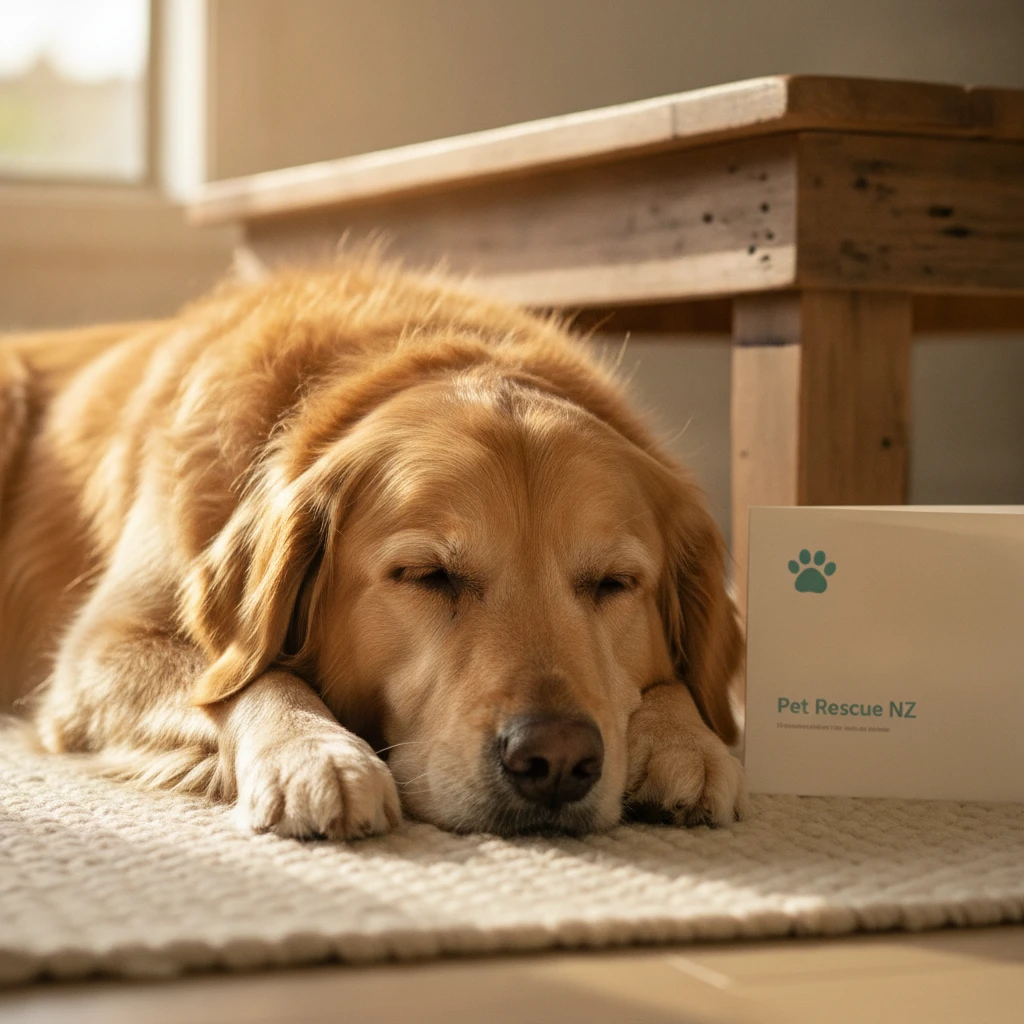
Skip the filters and staged poses. Snap a few clear photos of your dog relaxing on the couch or playing naturally in the yard. Adopters want to see their true personality shining through.
Screening adopters safely and confidently
This is where many owners feel anxious, but it is actually the most empowering part of the entire process. You know your dog better than anyone else in the world.
Trust your gut. You will know when a family is the right fit. Start with a simple phone call before agreeing to meet in person. Ask about their lifestyle, their past experience with dogs, and their daily routine.
If the conversation feels natural and reassuring, arrange a meet-and-greet. Always choose a neutral, safe space like a local park for the first introduction to see how your dog reacts to them.
Facebook groups can be chaotic and frequently attract bad actors. Always use a structured platform where you can safely communicate without exposing your personal contact details immediately.
The legal side of rehoming in Aotearoa
While our platform connects you with adopters, it is important to understand your legal responsibilities. Under the Animal Welfare Act 1999, your legal Duty of Care remains entirely with you until the physical handover of the dog occurs.
Additionally, the Dog Control Act 1996 requires all dogs to be properly registered with their local council. You cannot simply hand over the leash and walk away; the paperwork must follow the dog.
Once you have found the perfect family, both you and the new owner must notify your respective councils to transfer the registration legally.
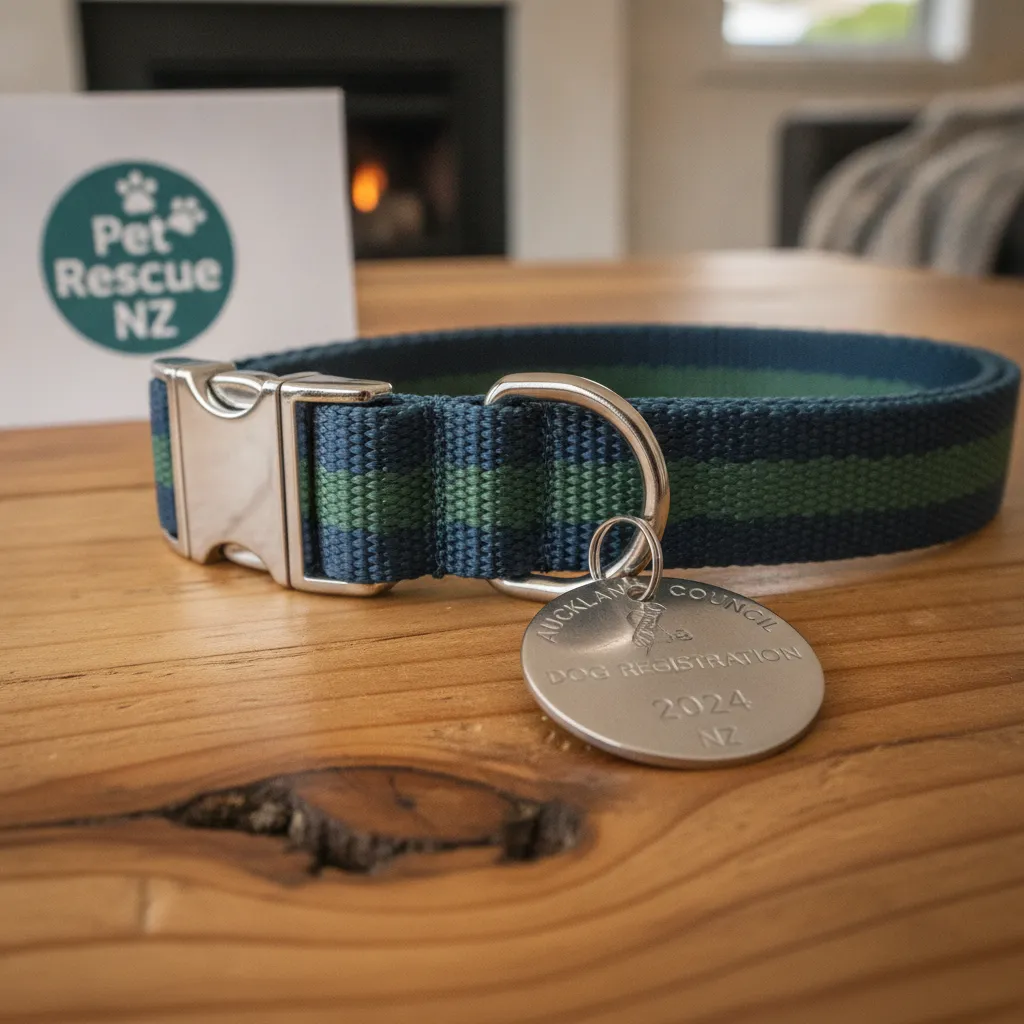
If the new owner lives in a different district, they will need to register the dog with their local council immediately. Make sure you cancel your existing registration so you are not billed next year.
Managing the transition day
When the day finally comes to hand over your dog, emotions will naturally be running high. It is completely normal to feel a sudden wave of grief, even when you know in your heart you have made the right choice.
To make things easier for your dog, pack a familiar transition bag. Include their favourite unwashed blanket, their go-to chew toys, and a few days’ worth of their current food to prevent upset tummies.
These familiar scents will provide immense comfort in their new environment. Keep the goodbye brief and positive; dogs pick up on our anxiety, so projecting calm confidence helps them settle faster.
About the Author
Written by the Pet Rescue NZ Team. We are a family-run, community-funded platform based right here in Aotearoa. Our sole mission is to keep pets out of stressful shelter environments through safe, direct home-to-home adoptions.
We believe that every pet has a story, and we are here to help you write the next chapter with dignity. Bookmark this Stress-Free Dog Rehoming in NZ: Your Helpful Guide for future reference, and reach out to our community if you need support.