New Zealand is often cited as a world leader in animal welfare standards, yet navigating the legal landscape can be complex for pet owners, rescuers, and concerned citizens. Understanding the specific legislation that governs how animals must be treated is crucial for ensuring their protection and holding offenders accountable. This guide provides an in-depth analysis of the current legal framework, the responsibilities of ownership, and the pathways for advocacy.
NZ animal welfare laws are primarily governed by the Animal Welfare Act 1999, which establishes a “duty of care” requiring owners to meet the physical, health, and behavioral needs of animals. Unlike older anti-cruelty laws that only punished abuse, this legislation mandates proactive care, ensuring animals have proper food, shelter, veterinary treatment, and the ability to express normal behaviors.
The Foundation: The Animal Welfare Act 1999
The cornerstone of animal protection in New Zealand is the Animal Welfare Act 1999. Prior to this Act, legislation focused primarily on punishing acts of cruelty after they occurred. The 1999 Act represented a paradigm shift towards a preventative approach, emphasizing the obligations of humans towards the animals in their care.
The Act applies to all animals, including companion animals (pets), livestock, animals used in research, and wild animals in captivity. Its primary mechanism is the establishment of a “duty of care.” This means that if you own or are in charge of an animal, you are legally responsible for meeting its needs. Ignorance is not a valid defense under the law; owning an animal implies an acceptance of these statutory duties.

The Five Domains of Animal Welfare
To understand what “meeting an animal’s needs” looks like legally, the Act refers to physical, health, and behavioral obligations. These are often interpreted through the internationally recognized “Five Freedoms,” which have evolved into the “Five Domains” model in modern welfare science. Under NZ law, you must ensure the animal has:
- Proper and sufficient food and water: Nutrition must be adequate to maintain health and vigor.
- Adequate shelter: Protection from the elements (sun, wind, rain) and a comfortable resting area.
- Opportunity to display normal patterns of behavior: This includes exercise, play, and social interaction appropriate for the species.
- Physical handling: Animals must be handled in a way that minimizes the likelihood of unreasonable or unnecessary pain or distress.
- Protection from and rapid diagnosis of significant injury or disease: This mandates veterinary care when an animal is sick or injured.
For more detailed information on the specific text of the legislation, you can review the Act directly at legislation.govt.nz.
Understanding Animal Sentience in NZ Law
In May 2015, New Zealand passed the Animal Welfare Amendment Act, which explicitly recognized animals as sentient. This was a landmark moment in global animal law. But what does this actually mean for pet owners and rescue organizations?
Recognizing sentience means the law acknowledges that animals can experience positive and negative emotions, including pain, distress, fear, and happiness. It moves the legal definition of an animal beyond being mere “property” or “objects.” While animals are still legally property in terms of ownership, their status as sentient beings adds a layer of protection that influences how the courts interpret neglect and cruelty cases.
Practically, this amendment strengthened the enforcement powers of the Ministry for Primary Industries (MPI) and the SPCA. It allows for the creation of regulations that can be directly enforced, making it easier to prosecute low-to-medium level offending without a lengthy court process. It validates the psychological suffering of an animal, not just physical wounds.
Rights and Responsibilities of Pet Owners
Owning a pet in New Zealand is a privilege, not a right. With that privilege comes a set of non-negotiable responsibilities. Failure to adhere to these can result in the seizure of animals, fines, and prohibition from owning animals in the future.
Veterinary Care is Mandatory
One of the most common issues faced by Pet Rescue NZ and the SPCA is owners failing to seek veterinary treatment due to financial constraints. Under the Act, financial hardship is not a legal excuse for allowing an animal to suffer. If an animal is in pain or injured, the owner must seek treatment or, if treatment is not viable, humanely euthanize the animal to end its suffering. Allowing a condition to fester constitutes a criminal offense.
Surgical Procedures
New Zealand law is strict regarding surgical procedures performed for cosmetic or non-curative reasons. The following are heavily restricted or banned:
- Tail Docking: Banned for dogs (unless for therapeutic reasons performed by a vet).
- Ear Cropping: Completely illegal.
- Debarking: Illegal unless therapeutic and performed by a vet.
- Declawing Cats: Prohibited unless necessary for the animal’s health.
Microchipping and Registration
While the Animal Welfare Act covers treatment, the Dog Control Act 1996 covers the administrative side of dog ownership. All dogs over the age of three months must be registered with their local council and microchipped. While this is a separate piece of legislation, failure to register often correlates with welfare issues, and animal control officers often work in tandem with welfare inspectors.
Codes of Welfare: Minimum Standards
The Animal Welfare Act is a broad framework. To provide specific guidance for different species, the National Animal Welfare Advisory Committee (NAWAC) develops Codes of Welfare. These codes set out “Minimum Standards” and “Recommended Best Practices.”
There are specific codes for:
- Dogs
- Cats
- Companion Cats
- Temporary Housing (Shelters and Boarding Kennels)
- Transport of animals
- Dairy cattle, sheep, and other livestock
Legal Weight of the Codes:
Failure to meet a Minimum Standard in a Code of Welfare can be used as evidence to support a prosecution under the Animal Welfare Act. For example, the Code of Welfare for Dogs states that a dog must have dry, clean, and ventilated shelter. If an inspector finds a dog tied up in mud without a kennel, the owner is in breach of the Code, which supports a charge of failing to provide adequate shelter under the Act.
Identifying and Reporting Animal Cruelty
For the general public and rescue advocates, knowing when and how to report cruelty is vital. New Zealand has a dual-agency approach to enforcement.
Who to Contact?
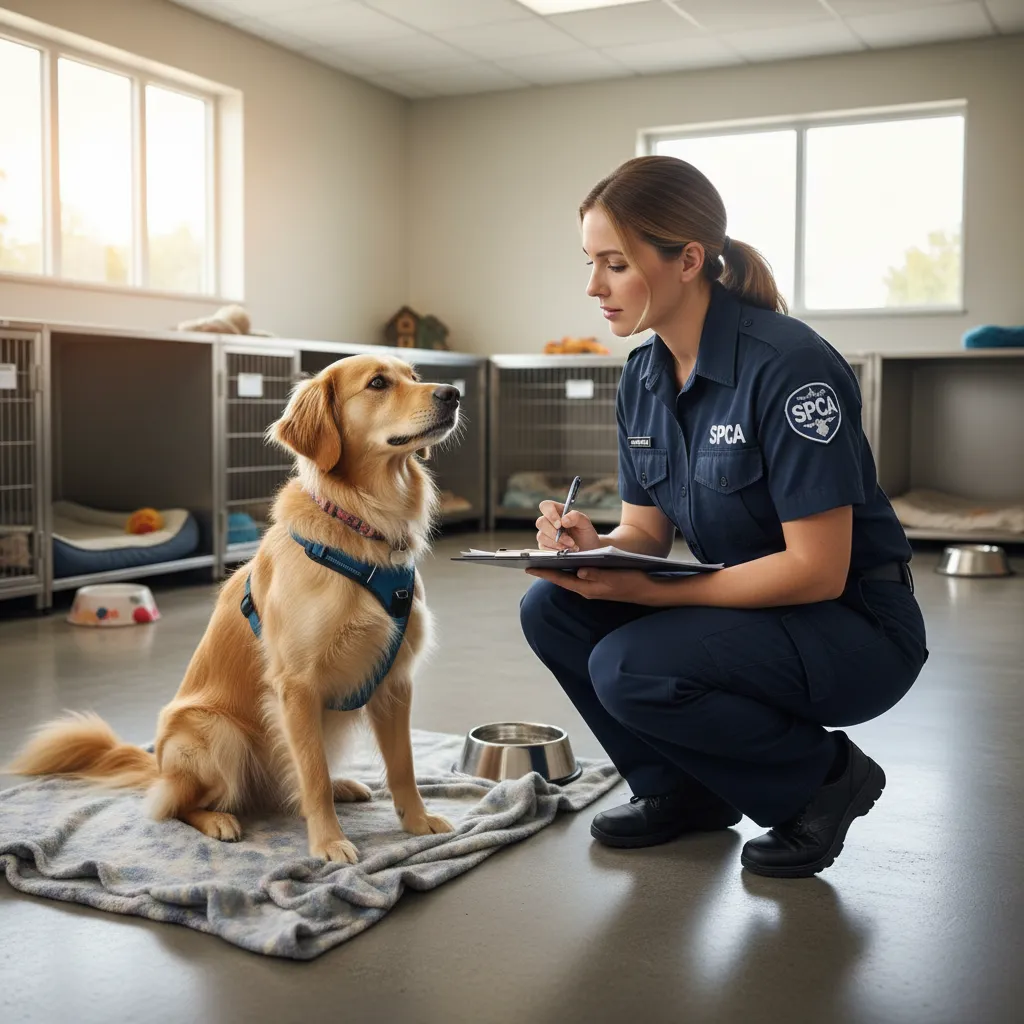
- SPCA (Society for the Prevention of Cruelty to Animals): The SPCA is the primary agency for enforcing the Animal Welfare Act regarding companion animals (dogs, cats, rabbits, etc.) and animals in entertainment. They are a charity with warranted inspectors.
- MPI (Ministry for Primary Industries): MPI is responsible for enforcing welfare laws regarding production animals (cows, sheep, pigs, deer) and commercial transport.
- New Zealand Police: In cases of extreme violence, dog fighting, or immediate threats to public safety involving animals, the Police should be contacted.
You can report cruelty via the SPCA website or by calling their local centers.
Signs of Neglect vs. Abuse
Neglect is often passive—a failure to act. Signs include:
- Emaciation (visible ribs/spine).
- Untreated wounds or skin conditions (mange, flea infestation).
- Overgrown matting inhibiting movement.
- Lack of shelter or water.
- Animals constantly tethered on extremely short chains.
Abuse is active harm. Signs include:
- Physical injuries consistent with beating (broken bones, bruising).
- Fearful behavior (cowering, urinating when approached).
- Burns or lacerations.
Penalties and Enforcement
New Zealand law takes animal welfare breaches seriously, although advocates often argue that sentences should be tougher. The penalties depend on the severity of the offense.
Infringement Offenses
For minor breaches (like failing to provide information or minor compliance issues), inspectors can issue infringement notices (instant fines) ranging from $300 to $1,000. This allows for immediate punishment without clogging the court system.
Serious Offenses
For serious neglect or cruelty, the penalties increase significantly:
- Willful Ill-treatment: An individual can face up to 5 years imprisonment or a fine of up to $100,000. For a corporation, the fine can be up to $500,000.
- Reckless Ill-treatment: Up to 3 years imprisonment or a $75,000 fine.
- Failure to meet physical, health, and behavioral needs: Up to 12 months imprisonment or a $50,000 fine.
Disqualification: Perhaps the most powerful tool is the ability of the court to disqualify an offender from owning or exercising authority over animals for a set period, or indefinitely. Breaching a disqualification order is a serious offense in itself.
The Role of Rescue Organizations and Advocacy
While the SPCA has statutory power, the broader “Pet Rescue NZ” community—comprising independent shelters, breed-specific rescues, and foster networks—plays a critical role in the ecosystem. These organizations often take in the overflow of animals that the SPCA cannot house, or animals surrendered by owners who can no longer cope.
Legal Standing of Rescues
It is important to note that independent rescue groups (unlike the SPCA) generally do not have the legal power to seize animals or enter private property without permission. They must work within the standard laws of theft and property. If a rescue group identifies cruelty, they must report it to the SPCA or MPI for intervention.
Advocacy for Legislative Change
Legislation is not static. Advocacy groups constantly lobby for improvements. Current areas of focus in the NZ welfare landscape include:
- Chaining of Dogs: While regulations were introduced in 2018 to limit long-term tethering, advocates push for a total ban on life-chaining.
- Puppy Farming: There is a strong push for stricter regulations on breeding establishments to prevent high-volume, low-welfare breeding.
- Greyhound Racing: Ongoing debates continue regarding the welfare of racing greyhounds and the sustainability of the industry.
By understanding the current laws, the public can better advocate for necessary changes. Supporting reputable rescues and submitting feedback during government consultations on Code of Welfare updates are practical ways to help.
Frequently Asked Questions
Below are answers to common questions regarding New Zealand animal welfare legislation.
Is it illegal to chain a dog in New Zealand?
It is not illegal to chain a dog temporarily, but regulations introduced in 2018 make it an offense to chain a dog for prolonged periods if it prevents them from exercising or displaying normal behavior. The chain must allow the dog to access water, shelter, and move freely. Life-chaining where a dog never leaves the tether can be prosecuted as failure to meet behavioral needs.
Can I break a car window to save a dog on a hot day?
Legally, breaking a car window is willful damage. However, the Crimes Act provides a defense of “necessity” or acting to prevent a crime (animal cruelty). If the dog is in immediate distress (unresponsive, panting heavily, vomiting), call the Police or SPCA immediately. If you break the window, you must be prepared to justify that the action was necessary to save the animal’s life, but it carries legal risk. Police are the only ones with specific immunity to do this.
What is the penalty for animal cruelty in NZ?
Penalties vary by offense. Willful ill-treatment carries a maximum penalty of 5 years imprisonment or a $100,000 fine for individuals. Less severe neglect charges carry fines up to $50,000 or 12 months imprisonment. Offenders can also be banned from owning animals.
Are shock collars legal in NZ?
Currently, electronic collars (shock collars) are not banned in New Zealand, but their use is regulated. They must not be used in a way that causes unreasonable or unnecessary pain or distress. Misuse that causes suffering is an offense under the Animal Welfare Act. Several advocacy groups are lobbying for a total ban.
Who do I call if I see livestock being neglected?
For production animals like cows, sheep, deer, or pigs, you should contact the Ministry for Primary Industries (MPI) on their animal welfare hotline (0800 00 83 33). For companion animals like dogs and cats, contact the SPCA.
Do landlords have to allow pets in NZ?
No. Under the Residential Tenancies Act, landlords can currently refuse pets. However, changes have been proposed to make it harder for landlords to unreasonably refuse pets, but as of 2024, it remains largely at the landlord’s discretion unless stated otherwise in the tenancy agreement.