
Urgent Help for NZ Owners Facing Dog Rehoming Challenges
Life changes fast. Sometimes, despite our absolute best efforts, keeping a beloved dog is simply no longer possible.
Whether it is the rising cost of living, a sudden move to a rental that says “no pets,” or an unexpected family crisis — the guilt can feel completely overwhelming. You are not alone in this. Right now, thousands of Kiwi families are navigating the exact same heartbreak.
Finding urgent help for NZ owners facing dog rehoming challenges doesn’t mean you have failed. It means you are putting your dog’s needs first. We know the traditional advice is to call a shelter, but the reality in Aotearoa has changed, and you need to know your options.
Key Takeaways
If you need urgent help for NZ owners facing dog rehoming challenges, avoid dropping your pet at an overcrowded pound. The safest method is home-to-home adoption. This ensures zero cage time, keeps your dog stress-free, and gives you complete control over choosing their new family.
The Reality of Dog Rehoming in New Zealand Right Now
It is a remarkably tough time to be a pet owner in NZ. The financial squeeze is very real, and it is deeply impacting our four-legged friends.
Recent data shows that 1 in 6 New Zealand pet owners have seriously considered rehoming their pet due to severe financial strain. Families are skipping household essentials just to buy dog food and flea treatments.
Up to 30% of owners are delaying routine vet visits because the money simply isn’t there at the end of the week. When times get this tough across the country, institutional shelters take the hardest hit.
The Overcrowded Shelter Crisis
Shelters and council pounds are currently buckling under the immense pressure of abandoned and surrendered animals. In Auckland alone, council pounds impounded over 10,000 dogs in a single year during 2024/2025.
Tragically, this resulted in a euthanasia rate of 60%. That is over 6,000 dogs put down because there simply wasn’t enough space or resources to save them.
Waitlists for welfare organizations like the SPCA can stretch for weeks or even months. Surrender fees can range from $80 to $200, which is money families in crisis often do not have.
Why Traditional Shelters Are Struggling
Physical shelters do incredible work, but their traditional business model is stretched to the absolute breaking point. They require massive physical infrastructure, constant veterinary staffing, and endless fundraising to keep the lights on.
When a dog enters a shelter, they are placed in a highly stressful kennel environment surrounded by barking, unfamiliar smells, and strangers. This immense stress can cause perfectly friendly dogs to shut down or exhibit reactive behaviours.
Once a dog is labelled “reactive” in a pound environment, their chances of adoption plummet. If you need urgent help for NZ owners facing dog rehoming challenges, dropping your dog at the local pound is incredibly risky.
Auckland Council shelters currently face a 60% euthanasia rate. If your dog is unregistered, stressed, or has minor behavioural issues, their chances of making it out of an overcrowded pound are devastatingly low.
The Zero Cage Time Approach: A Safer Alternative
So, what do you do when the shelters are full and the pounds are unsafe? You skip the shelter entirely.
At Pet Rescue NZ, we believe in the “No-Shelter” movement. It is a simple, compassionate, and highly effective alternative to the traditional system.
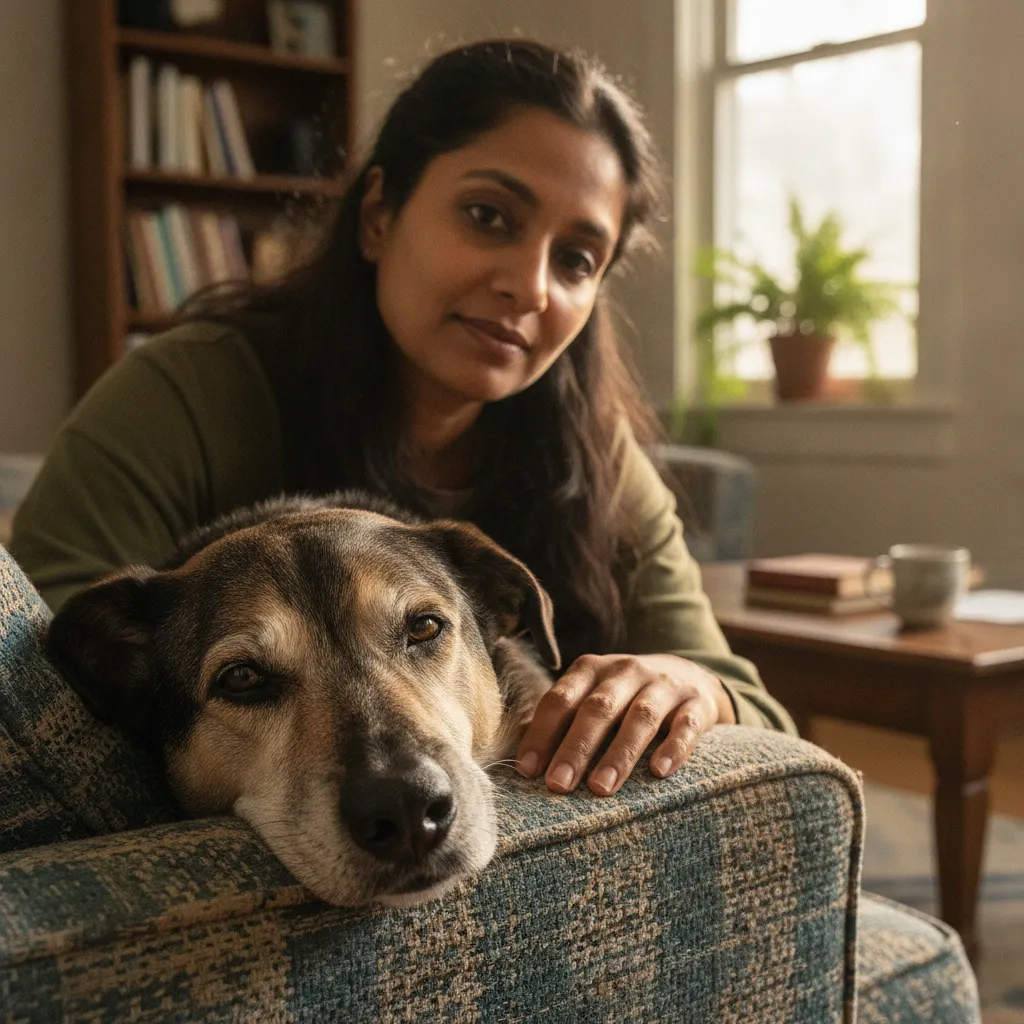
Your pet stays home until the right family says yes. They remain safe, warm, and comfortable on their own couch while you actively look for their new family.
This is known as home-to-home adoption. It completely removes the stress and trauma of a concrete kennel environment.
You Stay in Total Control
When you surrender a dog to a physical shelter, you sign away all your legal rights immediately. You do not get to choose who adopts them, and you rarely get updates on how they are doing.
With direct peer-to-peer rehoming, you hold the reins entirely. You know your dog’s quirks, their favourite scratching spots, and exactly what scares them during a thunderstorm.
You get to chat directly with potential adopters and ask the hard questions. Trust your gut. You’ll know when it’s right.
No shelters. No middlemen. Just good people finding each other. We provide a safe, moderated digital platform for Kiwi families to connect and facilitate stress-free handovers.
Comparing Your Dog Rehoming Options in NZ
When you are stressed, it is easy to make a panicked decision that you might regret later. Let’s break down the actual dog rehoming options in NZ available to you right now.
Each path has drastically different levels of safety, cost, and stress for your dog. Understanding these differences is crucial for a positive outcome.
| Rehoming Method | Stress Level for Dog | Owner Control | Safety & Scam Risk |
|---|---|---|---|
| Pet Rescue NZ (Home-to-Home) | Zero (Stays at home) | 100% Control | High Safety (Moderated platform) |
| SPCA / Humane Societies | High (Kennel environment) | Zero (You surrender rights) | High Safety (Professional staff) |
| Council Pounds | Extreme (Overcrowded, loud) | Zero (High euthanasia risk) | Low Safety (Overwhelmed system) |
| Facebook Groups | Zero (Stays at home) | 100% Control | Very Low (Unmoderated, high scam risk) |
| Trade Me Pets | Zero (Stays at home) | 100% Control | Low (Highly transactional, advance fee scams) |
Why Facebook and Trade Me Fall Short
It might be tempting to quickly list your dog on a local community Facebook board. We strongly advise against this approach.
Facebook is completely chaotic. It is unmoderated and flooded with bad actors looking for free dogs to use for hunting, fighting, or illegal breeding.
Trade Me, on the other hand, treats pets like used furniture. It is highly transactional and currently plagued by sophisticated “advance fee” scams that prey on vulnerable people.
Legal Responsibilities When Rehoming a Dog in NZ
Rehoming a dog isn’t just an emotional handover. It is a strict legal process.
Under the Animal Welfare Act 1999, you retain the full legal “Duty of Care” for your dog until the physical handover takes place. This means you are legally responsible for their food, shelter, and medical needs while they are listed for adoption.
Pet Rescue NZ is a software platform to connect you with adopters. We do not legally broker the adoption or take ownership of the dog at any point.
Microchips and Council Registration
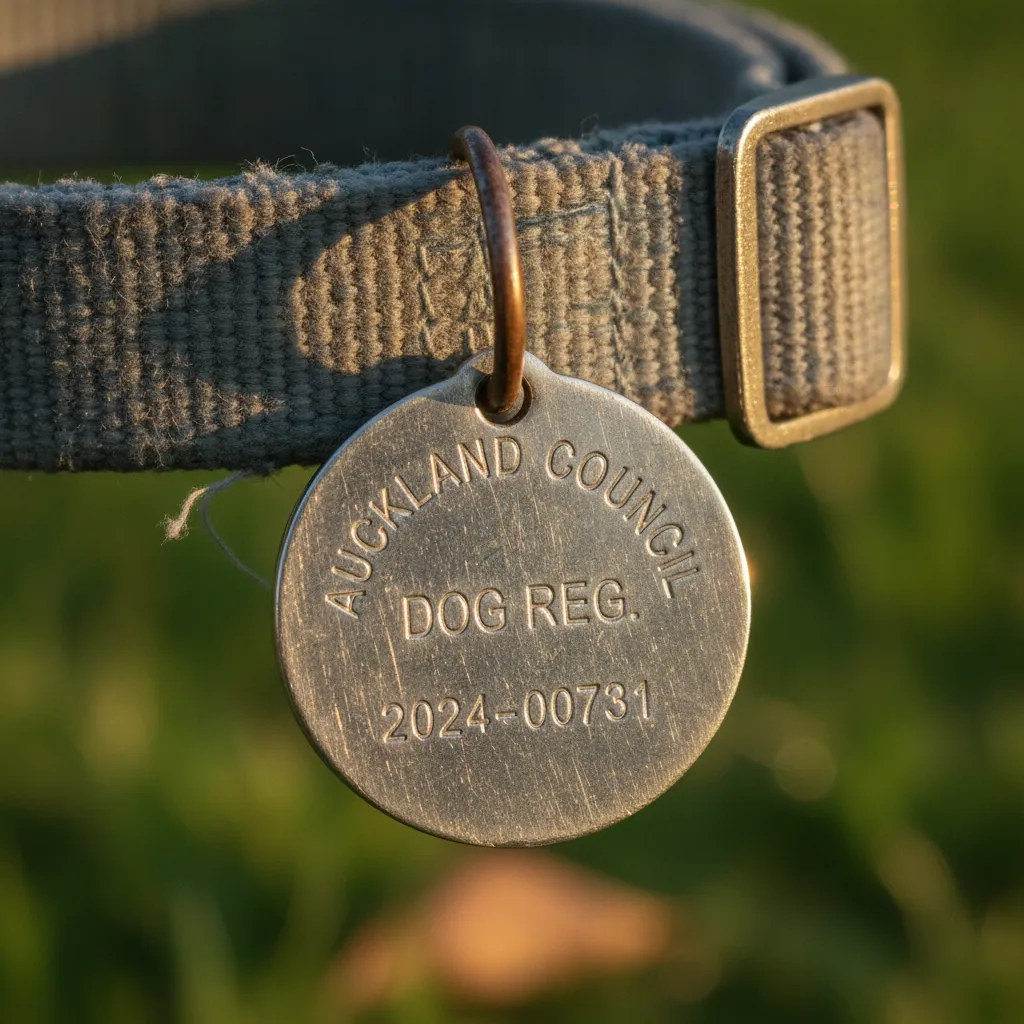
The Dog Control Act 1996 requires all dogs to be registered with their local council and microchipped. When you hand your dog over to their new family, the paperwork must follow them immediately.
You must notify your local council of the change of ownership in writing within 14 days of the handover. This ensures you are no longer liable for the dog’s actions.
You also need to update the New Zealand Companion Animal Register (NZCAR). This ensures the microchip reflects the new owner’s contact details.
Don’t forget the NZCAR! If your rehomed dog goes missing and the microchip still has your phone number, it creates massive confusion. Transfer the microchip registration as soon as the adoption is finalised.
Preparing Your Dog for a Successful Rehoming
If you want to find a great home quickly, you need to set your dog up for success. Transparency is the most important part of this entire process.
Don’t hide your dog’s flaws. If they chew shoes when bored, say so. If they hate cats, make that extremely clear in your listing.
Honesty prevents the dog from being returned a week later. Adopters appreciate knowing exactly what they are signing up for.
Veterinary Records and Honesty
Gather all of your dog’s veterinary records, vaccination booklets, and desexing certificates. Adopters are much more likely to commit when they have a clear picture of the dog’s medical history.
Take clear, well-lit photos of your dog looking happy and relaxed in a home environment. Avoid taking photos of them locked in a crate or looking stressed.
Write a listing profile that highlights their personality, their daily routine, and the specific type of home they need. The more detail you provide, the better the match will be.
How to Screen Adopters and Avoid Pet Scams
Finding urgent help for NZ owners facing dog rehoming challenges means protecting yourself from online predators. Unfortunately, pet scams are highly sophisticated in 2026.
You need to know exactly what to look for. A genuine adopter will want to know everything about your dog’s personality and history.
A scammer will only care about the logistics of getting the dog quickly or trying to extract money from you.
Always arrange the first meet-and-greet in a public, neutral space like a local park. This lets you observe how the potential adopter interacts with your dog in a safe environment.
Red Flags to Watch Out For
Protecting your dog means asking the right questions and listening closely to the answers. Watch out for these common warning signs during your communications:
- The Rush Job: If an adopter is pushing to collect the dog immediately without asking any behavioural or health questions, walk away immediately.
- Refusal to Meet: Genuine Kiwi families want to meet the dog first to check compatibility. If they make constant excuses about why they can’t meet in person, it’s a major red flag.
- Third-Party Pickups: Scammers often claim they are out of town and will send a “courier”, a relative, or a friend to collect the dog. Never hand your dog to someone you haven’t personally vetted.
- Vague Answers: Ask about their fencing, their work hours, and their past vet history. If their answers are vague, defensive, or overly rehearsed, trust your instincts.
Moving Forward with Compassion
Making the call to rehome is heartbreaking. But keeping a dog in a situation where their basic needs can’t be met is much harder.
By choosing a direct, home-to-home adoption, you are doing the right thing for everyone involved. You are keeping them out of a terrifying pound environment.
When seeking urgent help for NZ owners facing dog rehoming challenges, remember that you are not alone. Every pet has a story — let’s help write the next chapter.