Home-to-home pet rehoming is an ethical placement strategy where a pet transitions directly from their current owner’s residence to a new adopter’s home, completely bypassing the animal shelter system. This owner-driven process relies on transparency and direct communication to minimize animal stress, preserve medical history, and ensure the best possible lifestyle match for the pet.
For many pet owners in New Zealand, the decision to part with a beloved companion is one of the most agonizing choices they will ever face. Whether due to the housing crisis, financial shifts, or health issues, the need to find a new home for a pet is a reality for thousands of Kiwis every year. Historically, the only perceived option was surrendering the animal to a shelter or pound. However, a paradigm shift is occurring in animal welfare.
Home-to-home rehoming acts as an educational bridge, empowering owners to take responsibility for their pet’s future rather than relinquishing control. It transforms a moment of crisis into a managed, compassionate transition. By understanding this model, we can collectively reduce the burden on New Zealand’s overwhelmed rescue organizations and protect our pets from the trauma of abandonment.
Definition and Core Principles
At its heart, home-to-home rehoming is defined by continuity of care. Unlike the traditional surrender model, where a pet’s history is often lost or fragmented the moment they enter a kennel, home-to-home keeps the narrative intact. It is a proactive approach that prioritizes the welfare of the animal above administrative convenience.
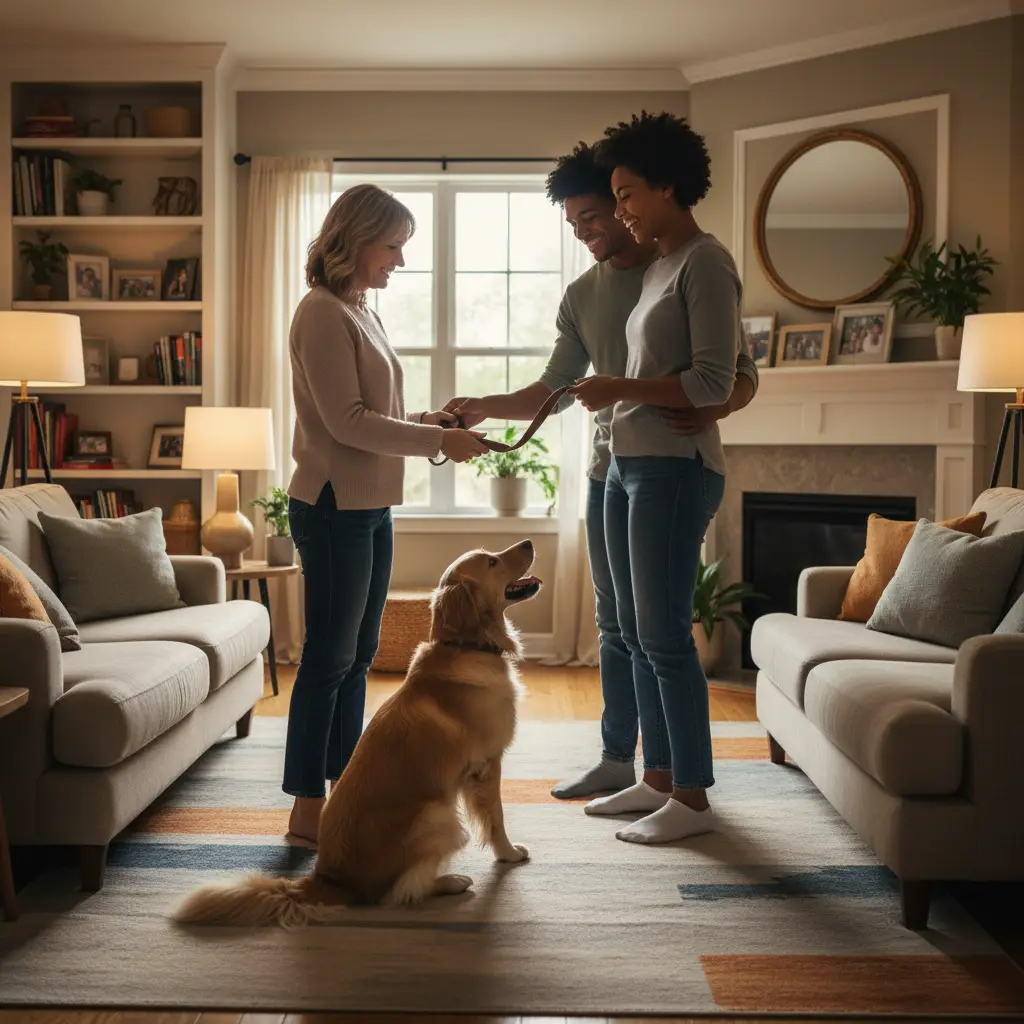
The core principles of this method include:
- Direct Guardianship Transfer: The pet remains in their familiar environment until a new home is secured. There is no interim stay in a cage or kennel facility.
- Transparency: The current owner provides an honest, detailed account of the pet’s behavior, diet, medical history, and quirks. This first-hand knowledge is invaluable for the new adopter.
- Owner Empowerment: The current owner vets the potential adopters. They are not passive participants; they are the primary decision-makers in choosing who will care for their family member next.
- Trauma Reduction: By avoiding the shelter environment, the pet is spared the “shelter shock” that often leads to behavioral regression, anxiety, and illness.
This model is distinct from selling a pet for profit. Ethical home-to-home rehoming focuses on rehoming fees that cover administrative costs or donations to charity, rather than commercial gain. It is about finding a home, not a buyer.
How it Differs from Traditional Methods
To fully appreciate the value of home-to-home rehoming, one must contrast it with the traditional shelter or pound system. While shelters play a vital role in rescuing strays and abuse cases, they are not always the ideal environment for a well-loved family pet that simply needs a new living situation.
The Shelter Environment vs. Home Continuity
When a pet is surrendered to a shelter, they enter a high-stress environment. The sights, sounds, and smells of hundreds of other animals can be overwhelming. According to various animal welfare studies, cortisol levels (stress hormones) in dogs spike significantly upon entering a kennel environment. This stress can mask the dog’s true personality, making them appear aggressive or withdrawn to potential adopters.
In a home-to-home scenario, the pet waits on their own bed. They eat from their own bowl. When potential adopters meet them, they see the “real” pet in a natural, relaxed state. This leads to more accurate assessments and more successful long-term matches.
The Role of the Middleman
In traditional adoption, the shelter acts as a gatekeeper. Information is filtered through intake forms and staff observations. Details get lost in translation. “He doesn’t like cats” might actually mean “He chased a cat once in 2019.”
In home-to-home rehoming, the middleman is removed or acts merely as a facilitator (a platform or listing service). The new owner can ask specific questions: “How is he with thunder?” “Does he steal socks?” The current owner can answer with nuance and history that a shelter staff member simply cannot possess.
The New Zealand Context: Why It Matters Here
New Zealand faces unique challenges in animal welfare that make home-to-home rehoming particularly critical. The current rental crisis and housing shortages in major hubs like Auckland, Wellington, and Christchurch are driving a surge in owner surrenders. Many landlords operate with “no pets” clauses, forcing loving owners to make heartbreaking decisions.
Furthermore, New Zealand’s shelters are frequently at capacity. Organizations like the SPCA New Zealand do incredible work, but they have finite resources. When a healthy, well-adjusted pet is surrendered to a shelter, they take up a kennel that could have been used for an injured stray or an animal seized from an abusive situation.
By utilizing home-to-home rehoming, Kiwi pet owners help alleviate the pressure on the national rescue infrastructure. It ensures that shelter resources are reserved for the animals that truly have nowhere else to go.
Advantages for Pets and Owners
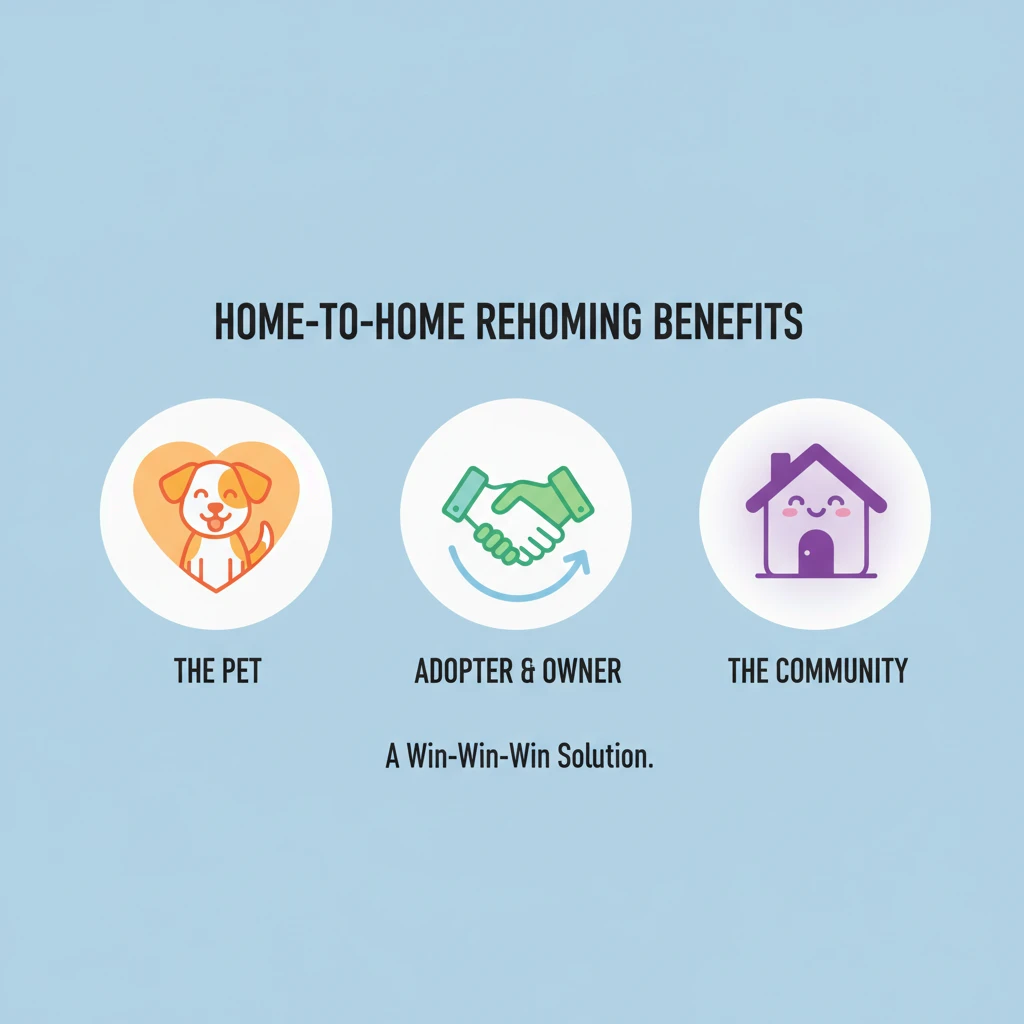
The benefits of this decentralized approach extend to all three parties involved: the pet, the current owner, and the new adopter.
Reducing Trauma and Stress
The most significant advantage is the mitigation of abandonment trauma. Animals are sentient beings that form deep attachments. Sudden removal from a family and placement in a concrete run is traumatic. A direct transfer allows for a gradual introduction. In many home-to-home cases, the current and new owners meet multiple times, allowing the pet to become familiar with their new guardians before the final move occurs.
Peace of Mind for Current Owners
The guilt associated with rehoming a pet is immense. In a traditional surrender, the owner signs a form and walks away, never knowing if their pet was adopted or, in worst-case scenarios, euthanized due to overcrowding or behavioral decline. Home-to-home rehoming offers closure. The owner knows exactly where their pet is going. They can see the backyard, meet the family, and often receive updates after the transfer. This emotional reassurance is crucial for the human healing process.
Better Matches for Adopters
Adopters benefit from “full disclosure.” There are no surprises regarding medical bills or behavioral triggers. They receive the pet’s favorite toys, bed, and food, ensuring a smoother transition. Furthermore, they can often get ongoing advice from the previous owner during the settling-in period, creating a support network that shelters often cannot provide due to staffing constraints.
Common Misconceptions
Despite the clear benefits, myths persist about private rehoming. Addressing these is essential for wider adoption of this ethical model.
Myth 1: “It’s just giving your pet away to strangers on the internet.”
Reality: Reputable home-to-home platforms are not classified ads like Craigslist or Facebook Marketplace. They utilize vetting tools, identity verification, and adoption applications. It is a structured process, not a “free to good home” giveaway which attracts dog fighters or abusers. Ethical rehoming involves interviews, home checks, and adoption contracts.
Myth 2: “People only rehome pets with problems.”
Reality: Statistics show that the majority of pets are rehomed due to human circumstances (moving, divorce, allergies, financial hardship), not because the pet is “broken.” Most home-to-home pets are house-trained, socialized, and loved. They are victims of circumstance, not bad behavior.
Myth 3: “It’s unsafe for the owner.”
Reality: While safety is always a consideration, modern platforms encourage initial meetings in public spaces (like dog parks) and allow communication through secure messaging systems before exchanging personal addresses. The risk is manageable with common-sense protocols.
Is Home-to-Home Right for You?
While this method is the gold standard for animal welfare, it requires time and emotional resilience. It is not an emergency solution for an owner who is being evicted tomorrow. It is a process that requires planning.
You should choose Home-to-Home rehoming if:
- You have 2-4 weeks (or more) to find the right match.
- You want control over who adopts your pet.
- You are willing to communicate honestly with potential adopters.
- You want to keep your pet out of a cage.
This method might not be suitable if:
- The pet poses a severe danger to the public (aggressive history). In such cases, professional behavioral assessment is required.
- You are in an immediate crisis (e.g., domestic violence situation) where you cannot house the pet for another day. In these instances, emergency shelters are the appropriate safety net.
For further reading on the ethics of animal placement and the definition of responsible guardianship, resources like Wikipedia’s entry on Animal Welfare provide a broader context on the moral obligations humans have toward companion animals.
Conclusion
Home-to-home pet rehoming is more than just a logistical alternative to shelters; it is a movement toward compassionate, community-based animal welfare. In New Zealand, where our love for animals is deep but our resources are finite, this model offers a sustainable solution to the rehoming crisis.
By choosing to rehome directly, owners act as the ultimate protectors of their pets, shielding them from the stress of the shelter system and ensuring their next chapter is as loving as the last. It transforms a painful goodbye into a hopeful new beginning.
People Also Ask
Is home-to-home rehoming safe for my pet?
Yes, when done through reputable platforms or with careful vetting, it is often safer than surrendering to a shelter. You have the power to screen adopters, request vet references, and conduct home visits to ensure your pet is going to a safe environment. Unlike shelters, your pet avoids exposure to kennel-borne diseases.
How much does it cost to rehome a pet privately?
The cost varies. Some dedicated platforms charge a small listing fee to filter out unserious inquiries, while others are free. It is standard practice to ask for a reasonable rehoming fee from the adopter. This fee acts as a deterrent for people looking for free animals for unethical purposes (like bait dogs) and helps recoup costs for vaccinations or desexing.
Can I rehome my dog if he has behavioral issues?
Yes, but full transparency is legally and ethically required. You must disclose all behavioral quirks, bite history, or anxieties. Home-to-home is actually better for these dogs, as you can find a specific owner (e.g., “no kids,” “farm life”) who can manage the behavior, whereas a shelter might deem the dog unadoptable and euthanize them.
What is the difference between surrendering and rehoming?
Surrendering involves signing over legal rights of your pet to an organization (shelter/pound), after which you have no say in the pet’s future. Rehoming is the process where you, the owner, transfer guardianship directly to a new owner, maintaining control over the selection process and the transition period.
Is it legal to rehome a pet yourself in New Zealand?
Yes, it is legal to rehome your pet privately in New Zealand. However, you must ensure the animal is microchipped and registered (for dogs) and that the transfer of ownership is formally recorded with the local council and the New Zealand Companion Animal Register (NZCAR).
How do I screen potential new owners effectively?
Effective screening involves asking open-ended questions about their lifestyle, work hours, and past pets. Always ask for a veterinary reference to verify they care for their animals. A “meet and greet” in a neutral location is essential to see how they interact with your pet before making a final decision.