In New Zealand, a pet emergency refers to any sudden illness, injury, or severe distress requiring immediate veterinary attention to prevent serious harm or save a pet’s life. This encompasses a wide range of critical situations, from accidents and poisoning to acute health crises, demanding quick action from owners.
Being a pet owner in New Zealand comes with immense joy, but also significant responsibility. One of the most crucial aspects of responsible pet ownership is preparedness for the unexpected: a pet emergency. When minutes count, knowing how to react, what steps to take, and where to find help can make all the difference. This comprehensive guide will equip you with the knowledge to recognize an emergency, administer vital first aid, assemble an essential kit, and navigate the emergency veterinary landscape across Aotearoa.
Recognizing Pet Emergencies
The first step in effective emergency care is recognizing that an emergency exists. Pets often try to hide pain or discomfort, making it essential for owners to be vigilant about subtle changes in behavior or physical signs. Acting quickly can significantly improve outcomes.
Common Signs of Distress and Illness
Observe your pet for any of the following critical indicators:
- Breathing Difficulties: Labored breathing, rapid shallow breaths, open-mouth breathing (especially in cats), blue-tinged gums.
- Severe Bleeding: Any blood loss that is profuse, continuous, or spurting from a wound.
- Collapse or Weakness: Sudden inability to stand, disorientation, staggering gait, or unconsciousness.
- Seizures: Uncontrolled muscle spasms, loss of consciousness, salivation, or involuntary urination/defecation.
- Poisoning: Vomiting, diarrhea, tremors, excessive drooling, lethargy, or hyperactivity after potential exposure to toxins.
- Severe Pain: Whining, yelping, aggression when touched, limping, hunched posture, or restlessness.
- Trauma: After falls, car accidents, dog fights, or other physical impacts, even if visible injuries are minimal.
- Changes in Gum Colour: Pale, white, blue, or bright red gums can indicate shock, poor oxygenation, or fever.
- Difficulty Urinating or Defecating: Straining, crying, or complete inability to pass urine or faeces, especially in male cats (can indicate a urinary blockage, which is life-threatening).
When to Seek Immediate Veterinary Attention
Always err on the side of caution. If you observe any of the above signs, or if your pet has experienced a significant trauma, contact your veterinarian or an emergency vet immediately. Do not wait to see if symptoms improve; delays can be fatal.

Basic Pet First Aid Techniques
While first aid should never replace professional veterinary care, knowing a few basic techniques can stabilise your pet and potentially save their life en route to the clinic. Always remain calm, and prioritize your safety first, as an injured or scared animal may bite.
Controlling Bleeding
For external wounds, apply direct pressure using a clean cloth or gauze. Elevate the injured limb if possible (above the heart) and maintain pressure until you reach the vet. Do not remove gauze if it becomes saturated; simply add more on top.
Managing Choking
If your pet is choking, they may paw at their mouth, gag, or struggle to breathe. Open their mouth carefully to check for visible obstructions and attempt to remove them with tweezers if accessible. If unsuccessful and the pet is conscious, perform abdominal thrusts similar to the Heimlich maneuver: cup your hands under their rib cage and push firmly upwards and forwards. For larger dogs, lay them on their side and push firmly into the abdomen just behind the ribs.
Addressing Heatstroke
Heatstroke is a life-threatening condition. Move your pet to a cooler area immediately. Apply cool (not ice-cold) water to their fur, especially on their ears, paws, and groin. Use a fan if available. Offer small amounts of water. Never use ice, as it can cause shock. Transport to a vet as soon as possible.
Dealing with Suspected Fractures or Sprains
If you suspect a broken bone or severe sprain, limit your pet’s movement. Use a muzzle if they are in pain and might bite. You can improvise a temporary splint using a rolled newspaper or cardboard and vet wrap or tape to stabilise the limb, but ensure it’s not too tight. The primary goal is to prevent further injury during transport.
Responding to Suspected Poisoning
If you suspect poisoning, immediately contact your vet or the New Zealand Animal Poisons Centre. Provide as much information as possible: what your pet ingested, how much, and when. Do NOT induce vomiting unless specifically instructed by a professional, as some substances can cause more harm coming back up.
Creating a Pet First Aid Kit
A well-stocked pet first aid kit is an essential item for every pet owner in NZ. Keep it easily accessible at home and consider a smaller, portable version for travel.
Essential Items for Your Pet First Aid Kit
- Basic Medical Supplies: Sterile gauze pads, adhesive tape, vet wrap (cohesive bandage), non-stick bandages, antiseptic wipes (e.g., chlorhexidine or povidone-iodine, diluted), cotton balls.
- Cleaning and Protection: Saline solution (for flushing wounds or eyes), blunt-tipped scissors, tweezers, disposable gloves, muzzle (even the gentlest pet can bite when in pain), an old towel or blanket.
- Medications and Tools: Digital rectal thermometer, petroleum jelly (for thermometer insertion), a pet-specific first aid manual, hydrogen peroxide (only for inducing vomiting under vet instruction), activated charcoal (only under vet instruction), syringe or eyedropper.
- Contact Information: Your regular vet’s phone number, the nearest 24/7 emergency vet’s number, Animal Poisons Centre NZ number, and a friend/family member.
Where to Store Your Kit
Store your kit in a cool, dry place, out of reach of children and pets. Check and replenish supplies regularly, paying attention to expiry dates. A waterproof container is ideal.

Finding Emergency Vets in NZ
Knowing where to go when an emergency strikes is paramount. New Zealand has a robust network of veterinary clinics, many of which offer after-hours or 24/7 emergency services.
Locating 24/7 Veterinary Services
- Your Regular Vet: Many general practice vets offer after-hours services directly or will refer you to a local emergency clinic. Always know their policy.
- Dedicated Emergency Clinics: Major cities in New Zealand often have dedicated 24/7 emergency veterinary hospitals. These facilities are staffed around the clock with vets and nurses specifically trained in emergency and critical care.
- Online Search: A quick search for “emergency vet [your city/region] NZ” can yield immediate results. Save these numbers in your phone.
- Pet Insurance Providers: If you have pet insurance, they may have a list of preferred emergency providers.
Emergency Preparedness: Before an Incident Occurs
Don’t wait for an emergency to happen. Identify your nearest emergency vet options *now*. Drive the route, understand their operating hours, and save their contact details. Consider informing a trusted neighbor or family member about your emergency plan for your pet, in case you are unavailable.
Understanding Emergency Vet Costs and Pet Insurance
Emergency veterinary care can be expensive due to the specialised equipment, staffing, and intensive treatments often required. Pet insurance can be a lifesaver in these situations, helping to cover a significant portion of the costs. Research pet insurance options in NZ well in advance and understand what emergency treatments are covered.
Preventative Measures and Ongoing Preparedness
While emergencies are sometimes unavoidable, many can be prevented with proactive measures and ongoing vigilance.
Pet-Proofing Your Home and Garden
- Secure Toxins: Keep all household chemicals, medications (human and pet), toxic plants (many native NZ plants can be harmful, along with common garden varieties), and human foods dangerous to pets (e.g., chocolate, xylitol, grapes) locked away or out of reach.
- Choking Hazards: Ensure small toys, batteries, string, and other ingestible items are not accessible.
- Secure Fencing: Check fences regularly to prevent escapes and encounters with vehicles or other animals.
- Supervised Play: Always supervise pets, especially outdoors, to prevent accidents like falls or encounters with wildlife or other aggressive animals.
Regular Veterinary Check-ups and Vaccinations
Preventative health care, including annual check-ups, vaccinations, and parasite control, can prevent many health emergencies. Early detection of underlying conditions through routine vet visits can avert a crisis down the line.
Training and Identification
Basic obedience training can prevent pets from running into traffic or ingesting dangerous items. Ensure your pet is microchipped and wears an up-to-date identification tag with your current contact information, especially important if they get lost during an emergency event like an earthquake or flood, which are not uncommon in New Zealand. The Veterinary Council of New Zealand offers resources on responsible pet ownership and finding registered vets.
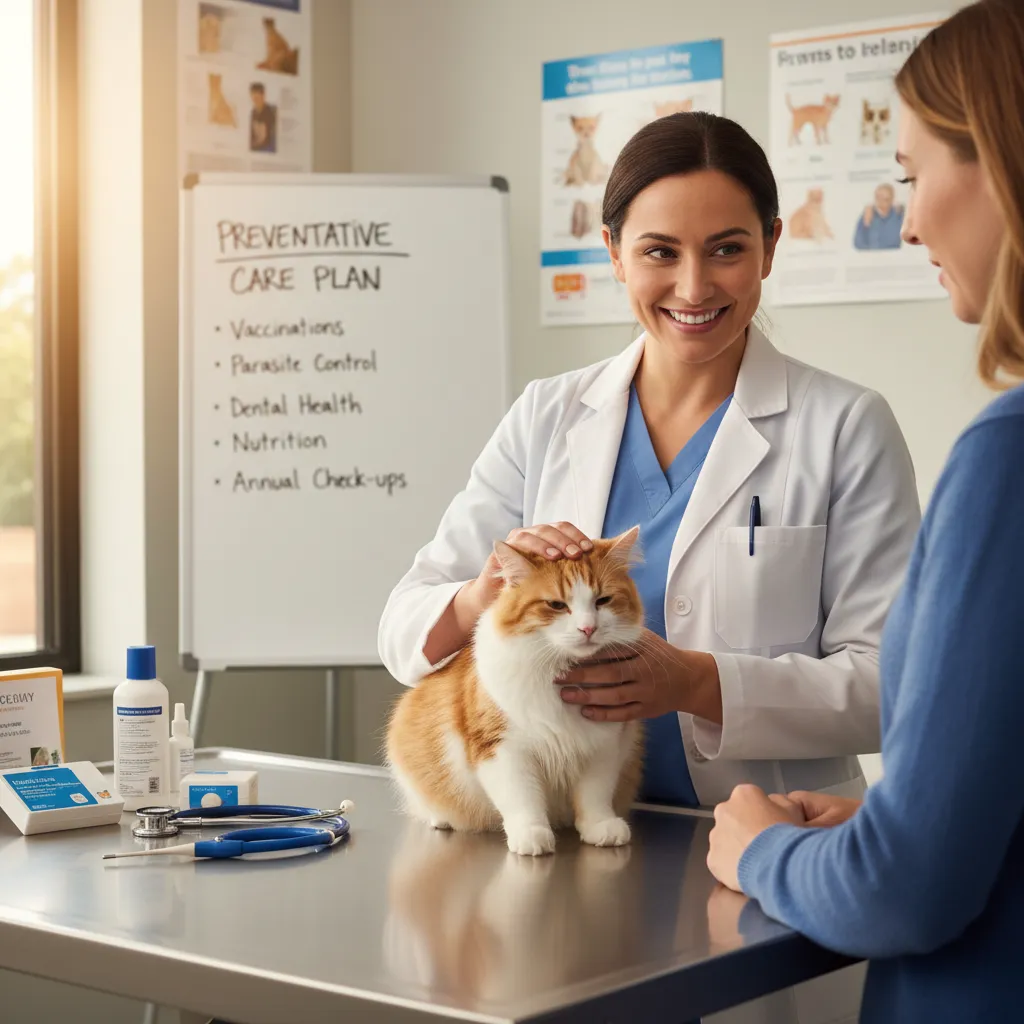
Being prepared for a pet emergency in New Zealand is not just about reacting when something goes wrong; it’s about proactively ensuring your pet’s safety and well-being. By understanding the signs of distress, mastering basic first aid, assembling a comprehensive emergency kit, and knowing your local emergency veterinary resources, you empower yourself to be the best advocate for your furry companion. Your calm and informed actions can make a life-saving difference.
People Also Ask
What are the most common pet emergencies in NZ?
The most common pet emergencies in New Zealand include car accidents, poisoning (from native plants like karaka berries, household items, or pest baits), heatstroke, dog attacks, choking, and severe allergic reactions (e.g., insect stings). It’s crucial for pet owners to recognize symptoms and act swiftly.
How can I find an emergency vet in my area of New Zealand?
To find an emergency vet in New Zealand, first, check with your regular veterinarian as they often have after-hours services or an answering service that directs you to a local 24/7 clinic. You can also search online for “emergency vet [your city/region] NZ” or consult dedicated pet emergency hospital websites in larger urban centres. It’s wise to have these contacts saved before an emergency occurs.
What basic first aid should I know for my pet in NZ?
Key first aid skills for pet owners in NZ include controlling bleeding with direct pressure, carefully assessing and potentially clearing choking hazards, cooling pets suffering from heatstroke with cool (not ice) water, and gently immobilizing suspected fractures for transport. Always call your vet before administering any medication or inducing vomiting.
What should be in a pet first aid kit for NZ conditions?
A pet first aid kit for NZ should include sterile gauze, vet wrap, adhesive tape, antiseptic wipes, saline solution, blunt scissors, tweezers, disposable gloves, a digital thermometer, a pet muzzle, and contact information for your vet and emergency clinics. Consider adding a pet-specific first aid manual relevant to common NZ hazards.
Are there specific poisons in New Zealand that are dangerous to pets?
Yes, many common New Zealand plants are toxic to pets, such as karaka berries, oleander, lilies, and rhododendrons. Additionally, household products, rodenticides, slug baits, and certain human foods (chocolate, xylitol, grapes) pose significant poisoning risks. Always identify and secure potential toxins in your home and garden.
Does pet insurance cover emergency vet visits in New Zealand?
Most comprehensive pet insurance policies in New Zealand do cover emergency vet visits, including diagnosis, treatment, and sometimes specialist care, up to your policy’s limits. However, coverage can vary greatly between providers and plans, so it’s essential to read the terms and conditions carefully and understand what is included (e.g., accidental injury vs. illness, pre-existing conditions) before an emergency arises.