Essential Community Resources and Advice for NZ Owners
Life changes. We get it. Right now, across Aotearoa, the rising cost of living is forcing good people to make heartbreaking choices about their pets. You are not alone in this, and feeling overwhelmed is a completely natural response.
When the weekly budget stretches to breaking point, or a new landlord firmly says no to pets, the guilt can be incredibly heavy. Many Kiwi families feel backed into a corner, worrying their only option is a cold, crowded shelter. Some even feel forced to turn to chaotic online classifieds just to find a quick solution.
But there is a better, kinder way forward for both you and your animal. We believe in keeping pets out of cages and keeping you entirely in control of the process. Finding the right support network makes all the difference when navigating these emotional crossroads.
That is exactly why we have put together this comprehensive guide on Essential Community Resources and Advice for NZ Owners. You have safe, practical options available, and we are here to help you understand every single one of them.
Key Takeaways
Finding Essential Community Resources and Advice for NZ Owners means looking beyond overwhelmed shelters. By choosing direct home-to-home rehoming, you ensure zero cage time for your pet. Always update council registrations, verify adopter details, and use dedicated platforms to avoid online scams.
The 2026 Reality: Why Kiwis Are Seeking Help
The New Zealand pet welfare sector is currently buckling under immense pressure. The financial squeeze is real, with recent data showing that 1 in 6 NZ pet owners have considered rehoming their pet in the last year. It is a quiet crisis happening in living rooms all over the country.
Families are routinely skipping household essentials just to afford pet food and basic care. Up to 30% of owners are delaying routine vet visits because the money simply is not there. It is a highly stressful time, and the flow-on effect is hitting our traditional animal shelters incredibly hard.
In Auckland alone, the situation has reached a devastating tipping point. Recent 2025/2026 data shows Auckland Council impounded a record 10,214 dogs in a single year. Shelters have been operating at maximum capacity for months on end.
Sadly, because fewer owners can afford to reclaim their animals, the euthanasia rate for impounded dogs has climbed to a heartbreaking 60%. The financial barrier is so steep that Auckland Council shelters recently introduced “Afterpay” for impound release fees. They did this just to prevent owners from abandoning their pets to be put down over a $400 bill.
Traditional pounds and shelters are doing their absolute best, but they are physically maxed out. Surrendering a pet to a facility often means exposing them to high-stress environments and the very real risk of euthanasia if space simply runs out.
The Hidden Costs of Pet Ownership in 2026
The financial reality of raising an animal has shifted dramatically over the past few years. It is important to acknowledge the hidden costs of pet ownership in 2026 without any sense of shame or judgment. Many owners simply could not have predicted these steep economic changes when they first brought their puppy or kitten home.
The cost of premium pet food has skyrocketed, alongside steep increases in routine veterinary care. Clinics are facing their own pressures with staffing shortages and the rising cost of imported medical supplies. Even basic flea and worming treatments now take a significant bite out of the weekly grocery budget.
Furthermore, pet insurance premiums have steadily climbed, leaving many families entirely uninsured. When an unexpected accident or illness occurs, owners are suddenly faced with vet bills reaching into the thousands. It is these sudden, unmanageable expenses that often trigger the heartbreaking search for Essential Community Resources and Advice for NZ Owners.
Unpacking the Essential Community Resources
When you are faced with the painful reality of giving up a pet, the very first step is knowing exactly where to look for help. You do not have to rely on unmoderated social media groups or institutional pounds. There are better pathways that prioritise your pet’s wellbeing above all else.
There is a rapidly growing movement toward community-driven, peer-to-peer support across Aotearoa. This is where Essential Community Resources and Advice for NZ Owners truly make a difference. These resources empower you to handle the transition safely, calmly, and from the comfort of your own living room.
Community resources also include local pet food banks, subsidized desexing clinics run by welfare groups, and temporary foster networks. However, if rehoming is the only permanent solution, direct home-to-home adoption is the safest route. It removes the uncertainty that keeps so many owners awake at night.
By connecting directly with empathetic, verified adopters, you retain complete control over the outcome. Your pet stays comfortable and relaxed on their own couch until the right family says yes. There is no middleman, no scary cages, and no ticking clock rushing your decision.
The “No-Shelter” Movement: Taking Control
We are quietly passionate about the “No-Shelter” movement. It is a beautifully simple concept: pets transition directly from one loving home to another. They never have to step foot inside a pound or sleep on a cold concrete floor surrounded by barking strangers.
This approach removes the rigid institutional friction that often blocks perfectly good people from adopting. It also protects vulnerable animals from the deep trauma of sudden abandonment and isolation. You get to meet the new family face-to-face and share your pet’s true personality.
When you are figuring out how to rehome a dog in Auckland or anywhere else in the country, comparing your options is absolutely vital. You need a platform that prioritises welfare and transparency over quick, careless transactions.
| Rehoming Method | Animal Stress Level | Owner Control | Scam Risk |
|---|---|---|---|
| Pet Rescue NZ (Home-to-Home) | Zero (Stays safe at home) | 100% Control | Low (Moderated platform) |
| Traditional Shelters | High (Cages, loud noise) | 0% (Handed over fully) | None |
| Facebook Groups | Zero (Stays at home) | High | Very High (Unmoderated) |
| Trade Me Pets | Zero (Stays at home) | High | High (Transactional) |
Why Generic Classifieds Are Failing Kiwi Pets
When desperation hits, many owners instinctively turn to the platforms they already know, like Facebook community pages or Trade Me. However, these generic classified sites are increasingly failing Kiwi pets. They were built to sell used furniture and old cars, not to facilitate the sensitive rehoming of a living, breathing family member.
Facebook groups, while popular, are entirely unmoderated and chaotic. They attract impulsive scrollers who might love the idea of a free dog today, but lack the commitment required for the next ten years. It is an incredibly dangerous environment for vulnerable animals, as there is absolutely no accountability or structured screening process in place.
Similarly, general classifieds tend to treat pets as highly transactional commodities. These platforms are currently plagued by phantom scams and advance fee fraud, leaving genuine adopters highly paranoid and hesitant to engage. You need a purpose-built, emotionally supportive environment to ensure a safe, successful adoption process.
Navigating the Legal Side of Rehoming
Rehoming a pet is not just an emotional handover; there are clear legal responsibilities involved, too. Under the Animal Welfare Act 1999, the legal “Duty of Care” remains strictly with you until the physical handover occurs. You cannot simply pass the buck.
This means you are entirely responsible for their health, safety, and overall well-being right up until they walk out your door with their new family. It is a heavy responsibility, but it ensures animals are never left in a dangerous state of limbo.
Furthermore, the Dog Control Act 1996 requires clear administrative updates whenever an animal changes hands. You must ensure all local council registrations are officially transferred to the new owner. Failing to do so means you could still be held liable for the dog’s actions in the future.
Always remember to update the New Zealand Companion Animal Register (NZCAR) and your local council when your pet changes hands. A microchip is completely useless if it still points to your old address and phone number.
How to Screen Adopters Safely and Spot Scams
The digital age has certainly made connecting easier, but it has also opened the door to sophisticated bad actors. If you want to successfully identify pet scams NZ, you need to know exactly what red flags to look for. Scammers are becoming highly organized.
These bad actors often lurk on unmoderated platforms, asking for “advance fees” or transport costs for pets that do not actually exist. They prey heavily on the urgency and emotional vulnerability of people looking to adopt or rehome. Never send money before meeting an animal.
Trust your gut during every single interaction. You will genuinely know when a conversation feels right and when someone is being evasive. Always insist on a face-to-face meet-and-greet before handing over your pet or agreeing to any permanent arrangement.
Ask open-ended questions about their lifestyle, their previous experience with animals, and their current living situation. A good, honest adopter will be more than happy to answer your questions and provide references from a local vet.
Never skip the in-person introduction. Meeting the adopter at a neutral location like a local park allows you to see how they interact with your pet in real time. It is the best way to ensure a natural bond.
Understanding the Desexing Deficit
A massive part of the current shelter crisis comes down to unplanned, unwanted litters. We need to talk honestly and openly about the desexing deficit currently facing New Zealand. It is a problem we must tackle together as a community.
Right now, roughly 221,000 of New Zealand’s 851,000 known dogs remain un-desexed. This staggering number leads to a massive surge in abandoned litters, which end up completely overwhelming our local pounds. In fact, over 22% of all dogs impounded in Auckland recently were puppies under three months old.
By ensuring your pet is desexed before you rehome them, you are directly helping to break this heartbreaking cycle. It is a core, non-negotiable part of safe pet adoption NZ and responsible kaitiakitanga (guardianship).
Preparing Your Pet for a Successful Transition
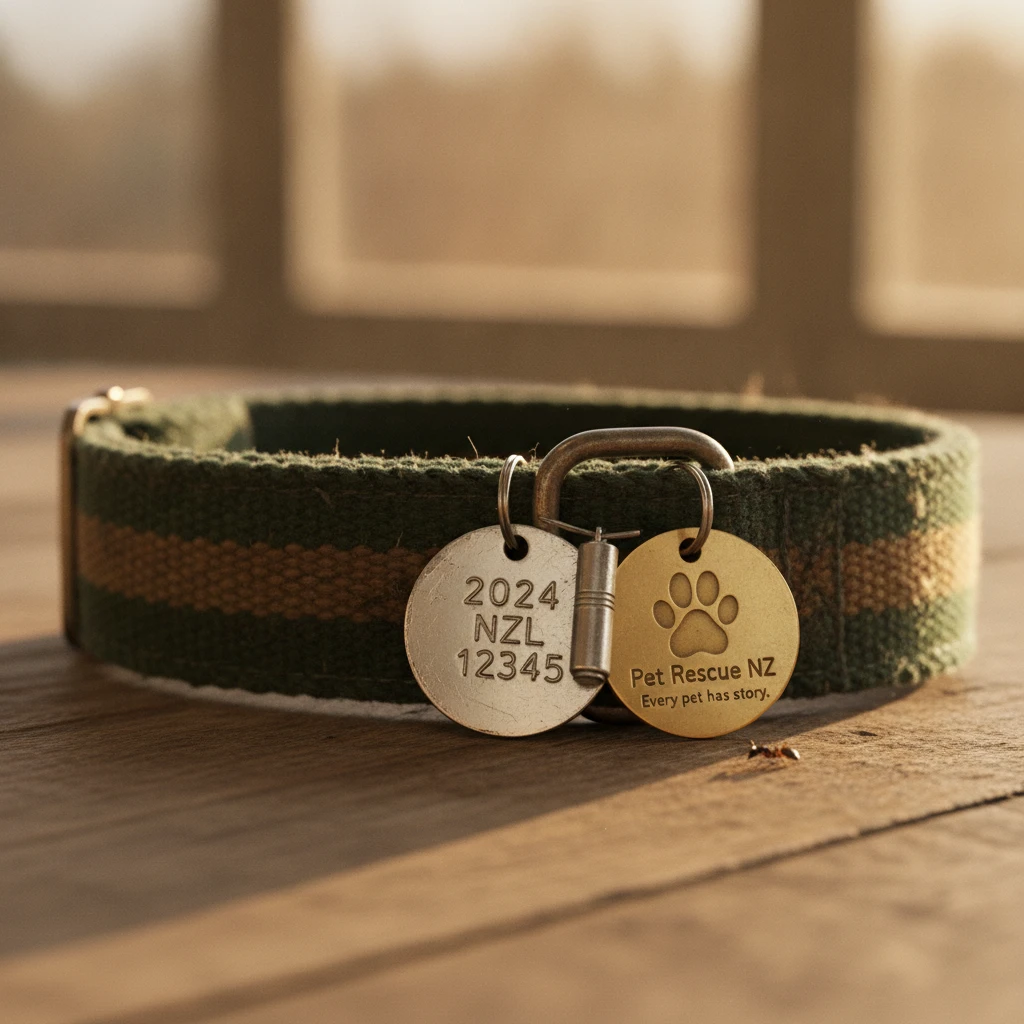
Setting your pet up for success in their new home requires a bit of honest preparation. Start by gathering all their veterinary records, vaccination certificates, and microchip paperwork into one clear folder. Adopters deeply appreciate this level of transparency and care.
Next, write a completely honest profile about your pet’s quirks, fears, and daily habits. If your dog is terrified of thunderstorms or your cat hates being picked up, say so. Honesty ensures they are matched with a family equipped to handle their specific needs.
Pack a small “transition bag” for handover day. Include their favourite unwashed blanket, a beloved toy, and enough of their current food to last a week. Having familiar smells around them drastically reduces their anxiety during the first few nights in a strange house.
The Emotional Journey: Letting Go Without Guilt
Every single pet has a story — let’s help write the next chapter together. Rehoming is almost never an easy decision, but when done carefully, it can be a deeply responsible and loving one. You are putting their needs above your own comfort.
Take your time, use the resources available, and lean heavily on the community around you. You absolutely do not have to navigate this stressful process alone. There are incredibly good people out there looking for a pet exactly like yours right now.
By choosing a transparent, home-to-home approach, you are giving your pet the absolute best possible fresh start. No cold shelters. No corporate middlemen. Just good people finding each other and doing what is best for the animal.
Pet Rescue NZ is a family-run, community-driven platform. We have no corporate agenda — our only goal is to help Kiwi families find good homes for good pets.