
Essential Health Checks and Vet Visits for Your Pet in NZ
Life changes. We get it. Sometimes, the absolute best thing you can do for your mate is find them a new couch to sleep on.
But whether you are making the heartbreaking decision to rehome, or opening your doors to a new furry family member, health is the one thing you cannot leave to chance.
A clear medical history removes the guesswork from the adoption process. It gives the new family confidence and ensures the animal gets exactly what they need from day one without any hidden surprises.
Understanding the essential health checks and vet visits for your pet in NZ is the foundation of a safe, transparent, and completely stress-free transition.
Key Takeaways
Scheduling essential health checks and vet visits for your pet in NZ ensures a safe rehoming process. Core vaccinations, updating microchip details on the NZCAR, and a general wellness exam provide total peace of mind for both the rehomer and the new adopter.
The Reality of Pet Care in Aotearoa Today
Right now, the New Zealand pet welfare sector is under immense pressure. The current cost-of-living crisis is forcing genuinely good people to make heartbreaking, impossible decisions.
Recent data shows that 1 in 6 NZ pet owners have seriously considered rehoming their pet in the last year due to financial strain. Furthermore, up to 30% are delaying vet visits, and 31% are skipping household essentials just to afford pet care.
There is absolutely no shame in facing these realities. When traditional physical shelters become overwhelmed—like the Auckland Council shelters that saw over 12,000 dogs impounded recently—direct home-to-home adoption becomes a vital lifeline.
But to make that transition successful and safe for everyone involved, honesty is key. Your pet stays home until the right family says yes, but they need to know exactly what they are saying yes to.
Why Pre-Adoption Vet Checks Are Non-Negotiable
When you pass the leash to a new family, you want them to have the complete picture. Every pet has a story — let’s help write the next chapter with total transparency.
Booking the essential health checks and vet visits for your pet in NZ before listing them for adoption builds immediate trust. It proves you care deeply about the animal’s future and respects the new owner’s right to know what they are taking on.
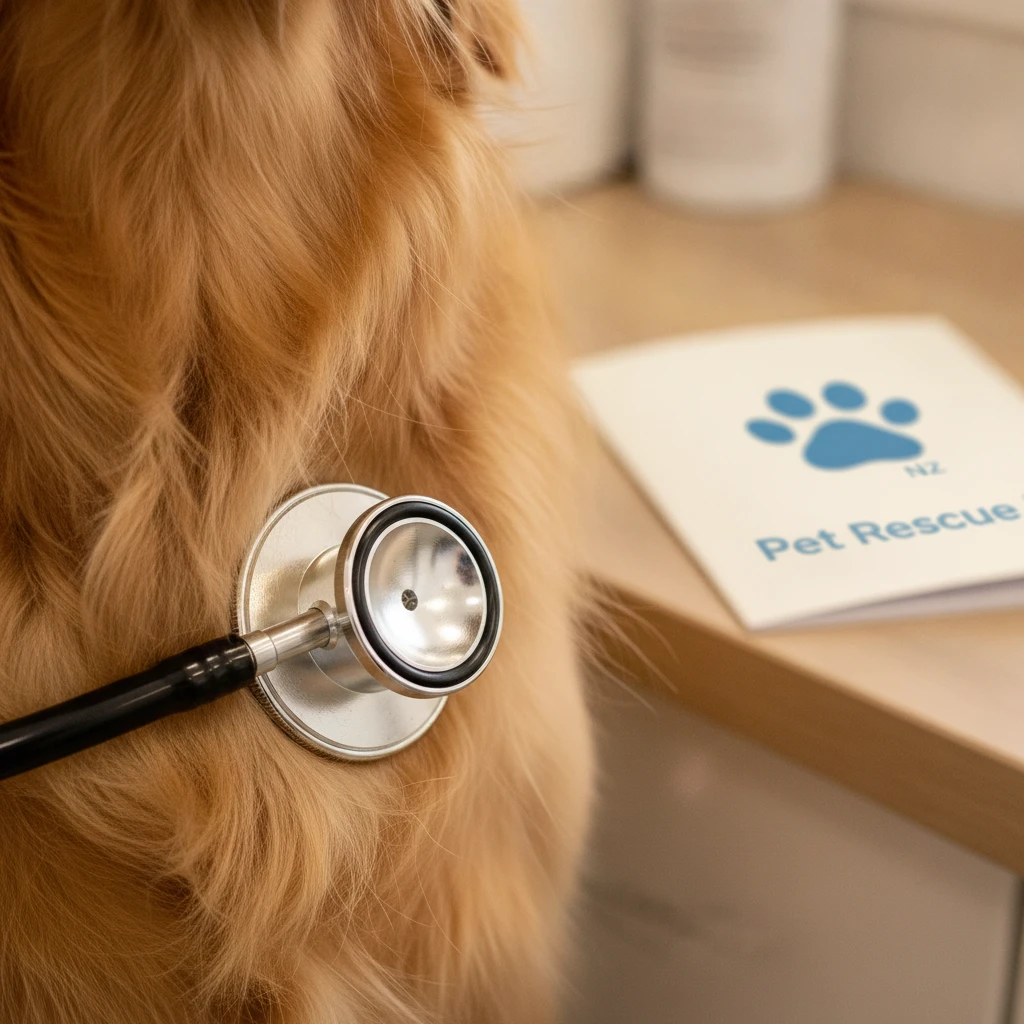
A standard wellness check is comprehensive. The vet will physically examine the animal from nose to tail to establish a baseline of health.
- Heart and lungs: Listening carefully for murmurs or underlying respiratory issues.
- Dental health: Checking for tartar buildup, broken teeth, or painful gum disease.
- Body condition: Assessing weight, muscle mass, and joint mobility.
- Coat and skin: Looking for fleas, ticks, or signs of underlying allergies.
These checks catch underlying issues that might not be obvious from the outside. Transparency is the foundation of a successful rehoming — no surprises, just honest conversations.
Core Vaccinations: What Every Kiwi Pet Needs
Vaccinations protect our pets from highly contagious, often fatal diseases. They are a non-negotiable part of responsible pet ownership in Aotearoa.
If you are rehoming a pet, providing their physical vaccination booklet is one of the most helpful things you can do. It saves the new owner from accidentally over-vaccinating or leaving the pet vulnerable to local outbreaks.
| Vaccine Category | Dogs | Cats |
|---|---|---|
| Core (Essential) | Parvovirus, Distemper, Hepatitis | Panleukopenia, Calicivirus, Herpesvirus |
| Non-Core (Lifestyle) | Leptospirosis, Kennel Cough | FIV (Immunodeficiency Virus), Chlamydia |
Parvovirus is especially prevalent in certain parts of New Zealand and can be devastating to unvaccinated dogs. Always ensure these core shots are up to date before a handover.
Adopters should always ask the previous owner for the physical vaccination booklet. It prevents double-dosing and gives your local vet a clear medical history to work from.
The Role of Preventative Care in a Happy Home
Beyond the big vaccinations, daily preventative care plays a massive role in a pet’s comfort. Flea and worming treatments are absolute essentials, especially in New Zealand’s temperate climate.
A severe flea infestation can lead to skin allergies, hair loss, and secondary infections. If you are rehoming a pet, applying a fresh, vet-grade flea and worm treatment before they leave is a wonderful parting gift.
Dental health is another hidden culprit. Bad breath isn’t just unpleasant — it is often a sign of painful periodontal disease. A quick vet check can identify if a dental scale and polish is needed before the pet settles into their new routine.
The Desexing Deficit: A Nationwide Challenge
New Zealand is currently facing a massive desexing deficit. Roughly 221,000 of New Zealand’s 851,000 known dogs remain un-desexed right now.
This inevitably leads to accidental litters, which ultimately end up in our already overwhelmed pound system. It is a cycle we are desperately trying to break.
While Pet Rescue NZ does not mandate desexing to use our platform, we strongly encourage it. If your pet is not desexed, it is crucial to communicate this clearly in your listing so the new family can budget for the procedure.
Being upfront about your pet’s desexing status helps adopters plan ahead financially. It ensures the animal goes to a responsible home prepared for the commitment.
Microchipping and the NZ Companion Animal Register
Under the Dog Control Act 1996, all dogs registered in New Zealand for the first time must be microchipped. But a microchip is only as good as the data attached to it.
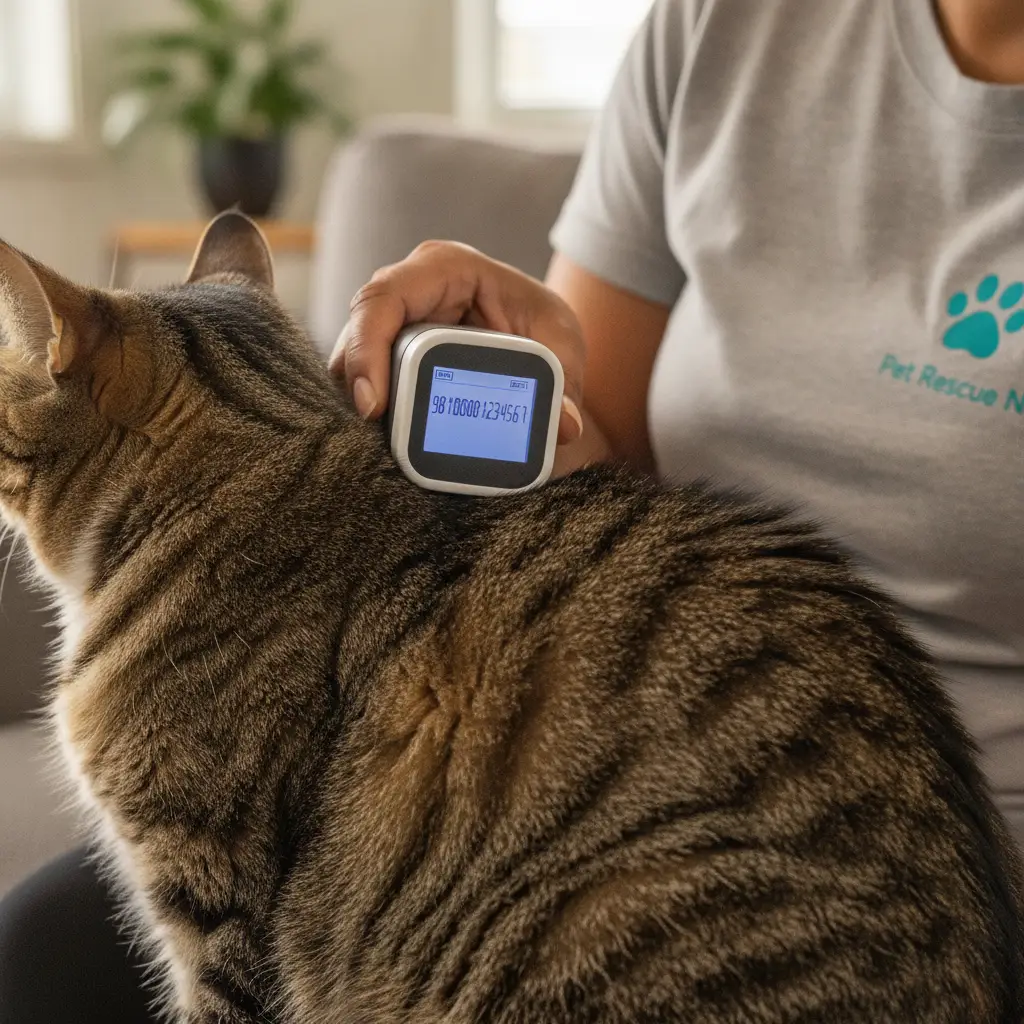
When a pet changes hands, updating the microchip details on the New Zealand Companion Animal Register (NZCAR) is both a legal and moral responsibility.
This is not something our platform can do for you. Both the rehomer and the adopter need to work together to ensure the official paperwork is filed correctly.
The legal duty of care remains with the original owner until the physical handover and council registration updates are completed. Always notify your local council when a dog changes ownership.
The First Vet Visit for a Rehomed Pet
If you have just welcomed a new pet into your home, congratulations. Your first priority — after letting them decompress on the couch for a few days — should be booking a check-up.
Even if the previous owner provided a perfectly clean bill of health, establishing a relationship with your local vet is vital. It sets a baseline for your pet’s future care.
Bring any medical records, vaccination booklets, and dietary history the previous owner gave you. This visit is less about finding problems and more about introducing your pet to their new healthcare team.
Bring previous medical records, note down the exact food brand they are currently eating, and prepare a list of questions about local risks like specific ticks or environmental allergies.
Spotting the Signs: When to Seek Urgent Vet Care
Animals are incredibly good at hiding pain. It is an ancient instinct that keeps them safe in the wild, but it makes our job as loving owners much harder.
If your pet suddenly stops eating, becomes lethargic, or shows signs of respiratory distress, do not wait. Trust your gut. You will know when it is right to seek help.
If something feels off, it usually is. Call your local clinic immediately and ask for their advice over the phone. They are there to guide you.
While we are fiercely passionate about animal welfare, Pet Rescue NZ is a platform designed to connect people. We are not veterinarians. Always consult a professional for medical advice.
Managing Vet Costs Without Compromising Care
We know that vet bills can be daunting. In fact, financial pressure is one of the primary reasons Kiwi families reach out to us for rehoming support in the first place.
But staying on top of essential health checks and vet visits for your pet in NZ actually saves money in the long run. Preventative care prevents massive emergency bills down the line.
If you are struggling, talk to your vet openly. Many clinics offer structured payment plans, or you can explore pet insurance options while the animal is still young and relatively healthy.
At Pet Rescue NZ, we believe every pet deserves quality care, and every owner deserves a judgment-free space to make the absolute best choices for their family’s situation.
The Emotional Relief of a Clean Bill of Health
Rehoming a pet is incredibly emotional. There is often guilt, stress, and a deep fear of the unknown. We see it every single day.
But knowing that your pet is physically healthy when they go to their new family removes a huge layer of anxiety. It allows you to focus entirely on finding the right personality match.
For the adopter, it provides immediate peace of mind. They know they aren’t adopting a financial crisis, but rather a healthy companion ready for their next chapter.
This is exactly what home-to-home adoption is all about. Honesty, transparency, and doing right by the animal, every step of the way.
About Pet Rescue NZ
We are a family-run, community-driven platform dedicated to safe, home-to-home pet adoptions across Aotearoa. No shelters. No middlemen. Just good people finding good homes for pets, keeping animal welfare at the heart of everything we do.