Essential Legal Considerations Advice for NZ Business Owners
Kia ora. Starting a venture in Aotearoa is a massive journey. When your work touches the lives of animals and vulnerable families, the stakes are even higher.
Right now, the cost-of-living crisis is hitting Kiwi families hard. Recent data shows that 1 in 6 New Zealand pet owners have considered rehoming their pet in the last year due to financial strain.
People are skipping household essentials just to afford pet care. It is a heartbreaking reality that requires compassionate, structured solutions.
We built Pet Rescue NZ to give these families a safe, judgment-free alternative to crowded physical shelters. But stepping in to help meant navigating a complex web of local legislation.
If you are building a community platform or working in animal welfare, finding clear, essential legal considerations advice for NZ business owners can feel incredibly overwhelming.
We want to share what we have learned on our journey. No corporate jargon. No heavy legalese.
Just honest, practical insights from a family-run team that has been through the process and wants to see more good people succeeding in this space.
Key Takeaways
The most essential legal considerations advice for NZ business owners in the digital pet space involves understanding the Animal Welfare Act 1999 (Duty of Care), the Dog Control Act 1996 (microchipping), and the HDCA 2015 (Safe Harbour). Platforms must act as connectors, not legal owners, to ensure compliance and safety.
Understanding your duty of care
The foundation of animal law in New Zealand is the Animal Welfare Act 1999 [1]. It is a powerful, progressive piece of legislation.
This Act establishes a strict legal “Duty of Care” for anyone who owns or is in charge of an animal. It legally requires owners to meet their pet’s physical, health, and behavioural needs.
For a digital platform like ours, this law completely defines our operational boundaries. We are a connector, not a shelter or a broker.
We never take physical possession of the animals. They stay safe and warm on their own couches until the right family says yes.
Because we do not take possession, the legal duty of care remains entirely with the rehomer until the physical handover takes place. We provide the safe space to meet, but the owner remains in total control.
As a platform, we do not guarantee adoptions or conduct home checks. The legal responsibility for the animal’s welfare stays with the current owner until the adoption is finalised.
Navigating the Dog Control Act 1996
If your business or platform facilitates dog adoptions, you must have a solid grasp of the Dog Control Act 1996 [2].
This law is very clear. All dogs over three months old must be registered with their local council by July 1st every single year.
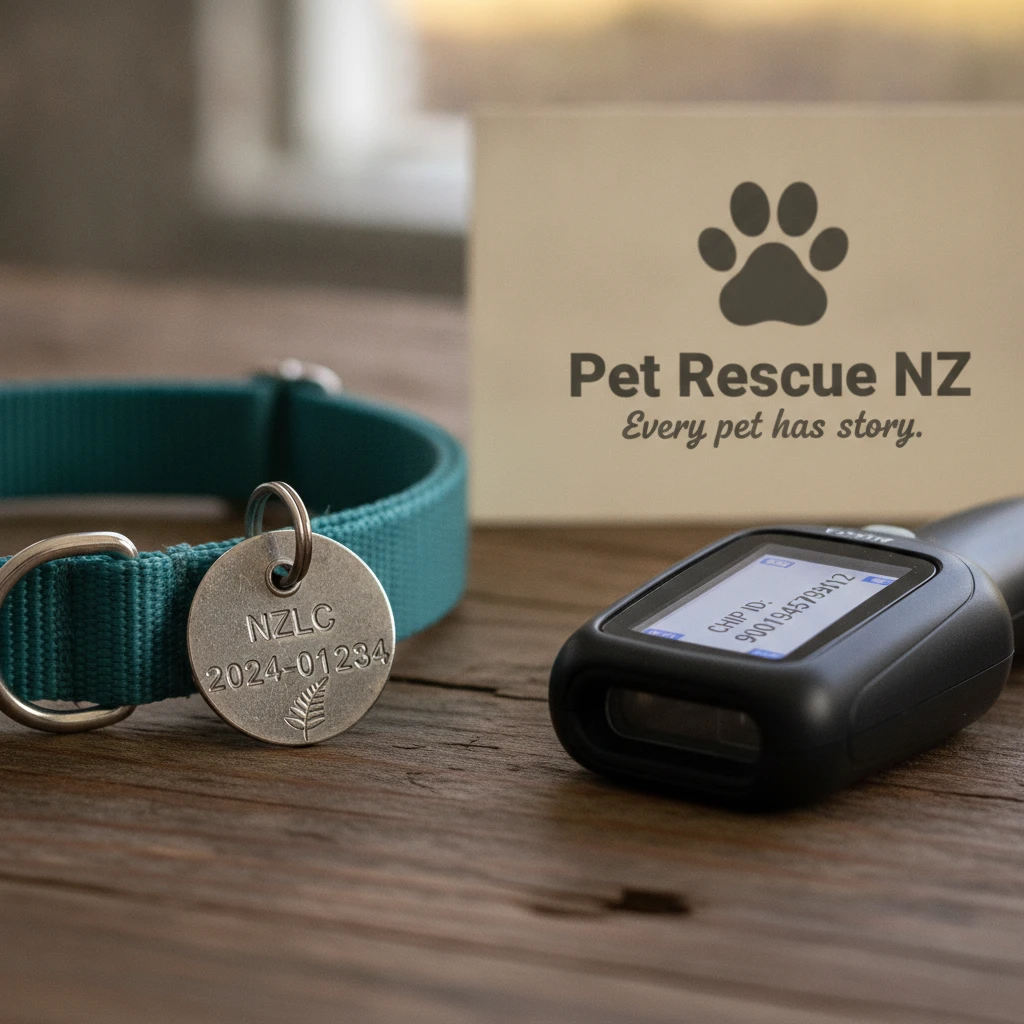
Furthermore, any dog registered for the first time since July 2006 must be microchipped. It is a one-time procedure that provides lifelong identification.
A common point of confusion for Kiwi families is the difference between local council registration and the New Zealand Companion Animal Register (NZCAR).
Council registration is a strict legal requirement. The NZCAR is a highly recommended, voluntary national database that vets and the SPCA use to get lost pets home.
When a pet is rehomed, remind the new owners to update both their local council records and the NZCAR microchip registry. Platforms cannot legally transfer ownership for them.
The digital shield: HDCA 2015
Running a peer-to-peer marketplace means hosting user-generated content. You are inviting the public to post on your platform.
Unfortunately, bad actors and scammers will inevitably try to exploit any open digital space. This is where the Harmful Digital Communications Act (HDCA) 2015 comes in [3].
For anyone operating a website in Aotearoa, the absolute best piece of essential legal considerations advice for NZ business owners is to thoroughly understand the HDCA’s Safe Harbour provisions.
Sections 23 to 25 of the Act protect online content hosts from legal liability for the things their users post.
However, this protection is not automatic. To qualify for Safe Harbour, your platform must provide an easily accessible way for people to report harmful content.
We maintain highly visible ‘Report this Listing’ buttons on every page. When a user flags a suspicious listing, we review and action it swiftly to maintain our Safe Harbour status.
Structuring your mission: charity vs social enterprise
When you start an initiative with a strong social purpose, people often assume you must be a registered charity.
Under the Charities Act 2005, registered charities enjoy tax-exempt status but face strict reporting requirements and rigid governance structures.
We chose a different route for Pet Rescue NZ. We operate as a private, family-run social enterprise.
This structure allows us to remain agile, independent, and entirely community-driven. We have no corporate agenda and receive no government funding.
Our platform is kept alive by our $9.99 featured listings and generous community contributions. We never use the phrase ‘tax-deductible,’ because we are not a charity.
| Structure Type | Regulatory Body | Funding Source | Tax Status |
|---|---|---|---|
| Registered Charity | Charities Services | Donations, Grants | Tax-Exempt |
| Social Enterprise | Companies Office | Sales, Community Support | Standard Corporate Tax |
The zero cage time movement
You might wonder why we go through all the effort to maintain this strict legal and operational framework.
The answer is simple. The alternative for these animals is absolutely heartbreaking.
In recent years, the cost-of-living crisis has pushed traditional physical shelters to their breaking point. They simply cannot keep up with the demand.
Recent data shows that Auckland Council impounded over 12,000 dogs in a single 12-month period. The resulting euthanasia rate exceeded a devastating 50 percent.
The pound system became so overwhelmed that they even introduced Afterpay for impound release fees, just to stop owners from abandoning their pets to be put down.
This is why Pet Rescue NZ is pioneering the ‘No-Shelter’ movement. We bypass the overwhelmed pound system entirely.
By facilitating direct home-to-home adoptions, we ensure zero cage time for the animal. The pet transitions directly from one loving couch to another.
When you align your legal compliance with a mission this powerful, the paperwork doesn’t feel so heavy.
The best essential legal considerations advice for NZ business owners we can offer is to build your legal framework firmly around your core mission.
Our platform is entirely user-funded. By paying for a premium listing, rehomers get 10x more visibility while directly funding our zero-cage mission.
Enforcing anti-commercial breeding rules
Another crucial part of our legal and ethical framework is our stance on commercial breeding.
To align with the SPCA’s regulatory push against puppy mills, Pet Rescue NZ enforces a strict ‘No Commercial Breeders’ policy.
We are a platform exclusively designed for the rehoming of existing pets who have fallen on hard times.
We do not allow users to treat animals like commercial stock. This protects our community and ensures we remain focused on welfare.
- Accounts attempting to sell multiple litters are permanently banned.
- We actively educate adopters on how to spot ‘Phantom Puppy’ scams.
- Our moderation team reviews listings to ensure they represent genuine rehoming situations.
Final thoughts from a Kiwi neighbour
Building a platform that deals with emotional, real-world situations is never easy. But it is always worth it.
We hope this essential legal considerations advice for NZ business owners gives you the confidence to build safe, compliant systems.
At Pet Rescue NZ, we are proud to host over 30,000 monthly visitors and facilitate hundreds of successful, cage-free rehomings.
We believe in plain English, honest community support, and finding good homes for good pets. Trust your gut, do your homework, and keep the welfare of the animals front and centre.