
Helping Kiwi Kids Navigate Pet Farewells with Care
Saying goodbye to a family pet is one of the heaviest conversations a parent will ever have to navigate. It is a moment filled with tears, tough questions, and often, a mountain of quiet guilt. When life changes drastically—whether it is a sudden move, a new baby, or the crushing weight of the rising cost of living—sometimes keeping a pet simply is not possible.
You are not alone in this struggle. Right now, families across Aotearoa are making the heartbreaking but responsible decision to rehome their animals. But how do you explain this to your children without breaking their hearts or making them fear for their furry best friend’s safety?
The secret lies in honesty, empathy, and giving them a sense of control. By focusing on the positive reality of a direct, home-to-home adoption, you can transform a traumatic loss into a lesson in profound compassion. This guide is dedicated to helping Kiwi kids navigate pet farewells with care, ensuring both your child and your pet feel safe during the transition.
Key Takeaways
Helping Kiwi kids navigate pet farewells with care requires age-appropriate honesty and avoiding false hope. By choosing a home-to-home adoption platform like Pet Rescue NZ, you ensure zero cage time for your pet. This allows children to find deep comfort in knowing their pet is going straight to a loving new whānau.
The reality of rehoming in Aotearoa today
Right now, the New Zealand pet welfare sector is buckling under a severe cost-of-living crisis. Families are feeling the squeeze at the supermarket, the petrol pump, and the vet clinic. In fact, recent data shows that 1 in 6 NZ pet owners have considered rehoming their pet in the last year due to immense financial strain.
It is a deeply stressful time for Kiwi families. If you are reading this, please know that you are not failing; you are making a difficult, responsible choice in an impossible situation. Traditional physical shelters in cities like Auckland and Wellington are completely overwhelmed and simply cannot keep up with the demand.
Recent 2024/2025 figures from Auckland Council show a staggering 10,214 dogs were impounded, with shelters operating at or near maximum capacity at all times. Claim rates have dropped significantly, meaning sending a pet to a physical shelter is no longer the reliable safety net it once was.
When parents realise the immense pressure on the pound system, the guilt surrounding rehoming often doubles. The thought of a beloved family pet sitting in a loud, stressful cage is unbearable. But thankfully, there is a much better, kinder way forward.
By choosing a peer-to-peer adoption route, you bypass the overwhelmed shelter system entirely. This is the absolute foundation of helping Kiwi kids navigate pet farewells with care—knowing exactly where your pet is going and who will be looking after them.
Why zero cage time matters for your child’s peace of mind
Children have vivid, highly active imaginations. When you tell them their beloved dog or cat is going to a shelter, they often picture cold floors, lonely cages, and scary environments. Sadly, in today’s climate of overcapacity, that fear is not entirely unfounded.
This is exactly where the zero cage time approach changes everything. Pet Rescue NZ was built on the core belief that pets should transition directly from one loving couch to another. Your pet stays safe and warm at home with you until the right family says yes.
For a child, this completely shifts the narrative. Instead of sending their pet into the terrifying unknown, they are actively participating in finding a new, hand-picked family. It turns a story of abandonment into a heartwarming story of matchmaking and love.
| Feature | Physical Shelters & Pounds | Home-to-Home Adoption |
|---|---|---|
| Environment | High-stress, loud cages, unfamiliar smells | Zero cage time, stays on their own couch |
| Owner Control | You surrender all legal rights immediately | You choose the exact family who adopts them |
| Child’s Experience | Sudden loss, anxiety over unknown outcome | Gradual transition, reassurance of a safe home |
| Risk of Euthanasia | High, due to current council overcapacity | Zero, pet remains entirely safe with you |
By using a dedicated peer-to-peer platform, you remain the legal owner until the physical handover. This gives you the ultimate power to screen adopters, ask questions, and ensure the new home is the perfect fit.
When children see you talking to prospective adopters and asking careful questions, they realise how much you genuinely care. It proves to them that you are not just throwing the pet away, but rather curating a wonderful new life for them.
This level of transparency is incredibly healing. It allows you to tell your child exactly what the new family looks like, what kind of backyard they have, and even what their other pets’ names are. Details bring comfort.
Age-appropriate ways to explain the transition
Kids process grief and sudden change very differently depending on their age and developmental stage. A conversation that comforts a ten-year-old might completely confuse or terrify a toddler. Tailoring your approach is absolutely vital for helping Kiwi kids navigate pet farewells with care.
Toddlers and preschoolers (under 5)
At this young age, children do not fully grasp the permanence of time or distance. They need very simple, highly concrete explanations. Avoid vague phrases like going to a farm or going away for a while, as this creates false hope that the pet will simply return tomorrow.
Instead, use plain, gentle English that makes logical sense to them. Try saying, Max needs a home with a bigger backyard where he can run faster, so we are finding him a new family who loves to run. Keep it brief, warm, and factual.
Be prepared to repeat this explanation multiple times over the coming weeks. Toddlers learn through repetition, and they may ask where the dog is every morning. Respond with the same gentle patience each time.
School-aged children (6 to 11)
Children in this bracket understand that the pet is leaving permanently, and they will likely feel a profound sense of unfairness. They might try to bargain with you, promising to do all the household chores or pay for pet food with their own pocket money.
Acknowledge their deep pain without making promises you cannot keep. It is perfectly okay to show your own emotions in front of them. Saying, I am so sad about this too, but it is the kindest thing we can do for Bella, validates their feelings while maintaining the boundary of the adult decision.
Give them a specific role in the transition to help them feel empowered. Ask them to help gather the pet’s favourite toys or choose the best photos for the adoption listing. Being involved reduces their feelings of helplessness.
Teenagers (12+)
Teenagers can handle the honest truth about financial strain, moving restrictions, or difficult behavioural issues. However, they are also prone to intense feelings of guilt, shame, or anger. They might accuse you of giving up too easily on a family member.
Do not get defensive; simply listen to their frustrations. Involve them deeply in the rehoming process. Let them help read through the profiles of potential adopters on Pet Rescue NZ and ask for their opinion on which family seems like the best fit.
When they see the genuine care and massive effort you are putting into finding a safe, loving home, their anger often softens into reluctant acceptance. They will respect you for handling a tough situation with integrity.
It can be tempting to list a pet on local social media groups for a quick solution. However, these spaces are unmoderated, chaotic, and heavily targeted by scammers. Protect your family’s peace of mind by using a structured, safe platform.
Practical steps for a gentle goodbye
The actual day of the physical handover is often the hardest part of the entire journey. Planning ahead ensures the day goes smoothly and does not feel like a sudden, traumatic event for your child.
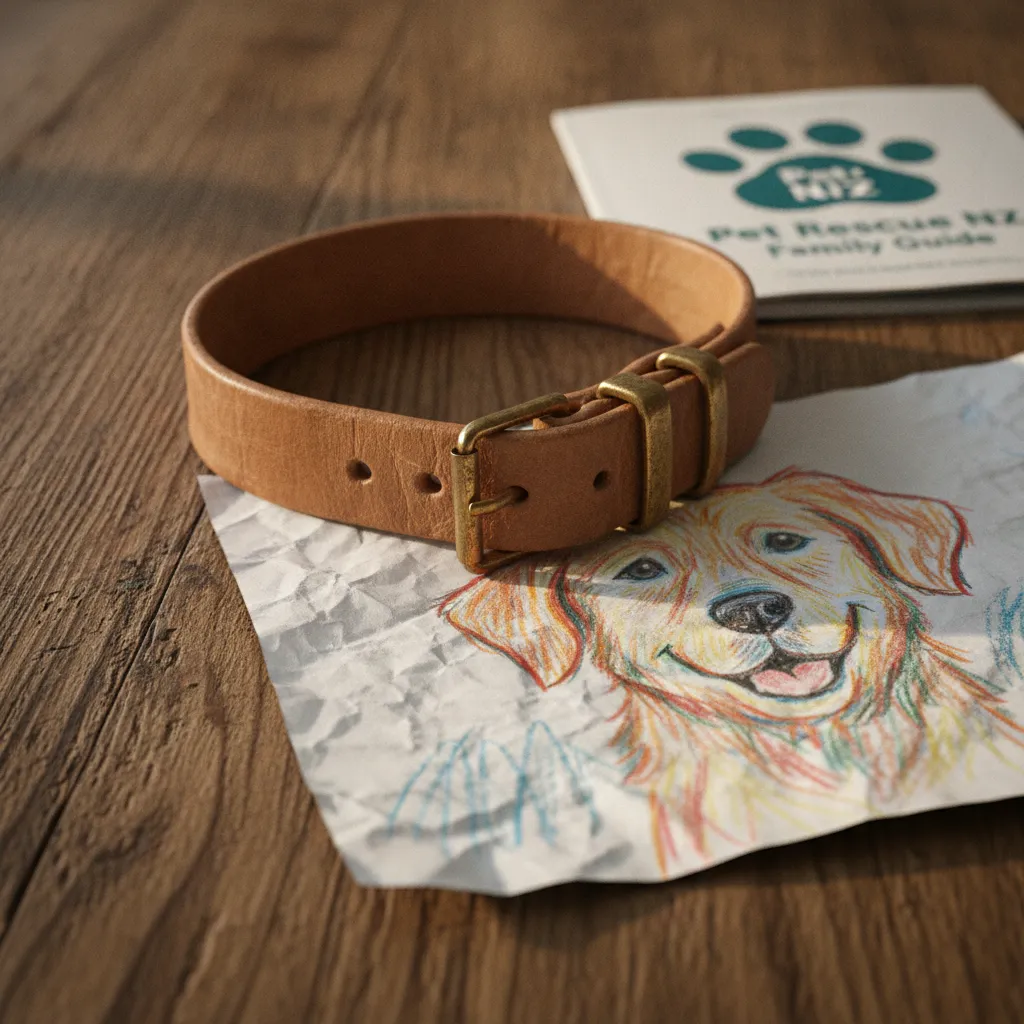
First, create a memory box together in the days leading up to the move. Spend a quiet weekend decorating a shoebox and filling it with your pet’s old collar, their favourite squeaky toy, and some printed photographs. This gives your child a physical object to hold onto when they feel sad.
Ensure the pet takes something familiar with them to their new home, like an unwashed blanket. Explain to your child that giving the pet their old blanket will help them feel brave in their new house because it smells just like your family.
Have your child write a letter or draw a picture for the new adopters. They can list all of the pet’s favourite scratching spots, preferred treats, and funny habits. This creates a beautiful bridge of empathy between the two families.
Next, you must decide exactly how the handover will happen. For some kids, meeting the new family and proudly handing over the leash provides a wonderful sense of closure. They get to see firsthand that the new owners are kind people.
For others, watching the car drive away with their best friend is simply too painful to bear. Trust your gut on this one, because you know your child best. There is no single right way to say goodbye.
If you think the physical goodbye will be too distressing, arrange for your child to be on a fun outing with a friend or grandparent while the new family comes to collect the pet. They can say their private goodbyes in the morning before they leave.
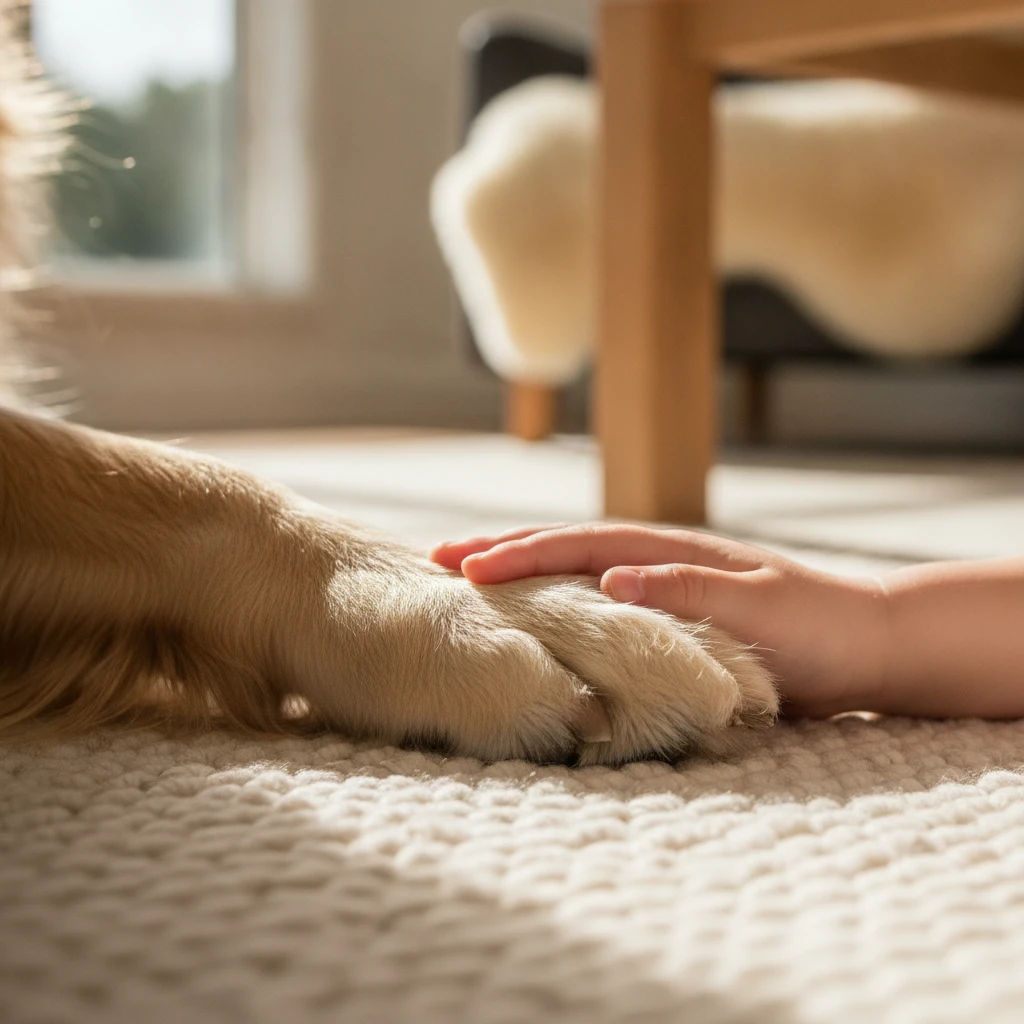
Once the house is quiet, the absence of the pet will be heavily felt. The lack of clicking paws on the floor or a warm body on the couch can be jarring. This is when establishing a new, comforting routine is essential.
Keep their evenings structured and filled with gentle distractions. Acknowledge the quietness rather than ignoring it. Say, It feels strange without Buster here, doesn’t it? Let’s read a book together on the couch where he used to sit.
- Maintain their normal daily routine as much as possible to provide stability.
- Validate their feelings without trying to fix their sadness immediately.
- Avoid rushing out to get a new pet to replace the old one, as this invalidates their grief.
Answering your child’s hardest questions
In the days and weeks following the rehoming, your child will inevitably have questions that might break your heart a little bit. They are trying to make sense of a complex adult decision.
Answering them honestly, without getting defensive, is the final and most crucial step in helping Kiwi kids navigate pet farewells with care. Do not shy away from these conversations.
Will they forget about us?
Reassure them immediately that love does not disappear just because addresses change. Explain that dogs and cats have amazing, long-lasting memories of the people who were kind to them.
Tell them that while Charlie will love his new family and have fun in his new yard, he will always remember the fun times he had with your whānau. He holds those memories in his heart, just like they do.
Was it my fault?
Children are egocentric by nature; they often naturally blame themselves for major family disruptions. They might think the dog was rehomed because they forgot to feed him once or didn’t walk him enough.
Be crystal clear that this decision was made entirely by the adults. Reinforce that it was a difficult adult choice based on what the pet needed, and it had absolutely nothing to do with their behaviour or worth.
Can we go visit them?
This is a tricky request to navigate. While some adopters are happy to send occasional photo updates, physical visits are usually not a good idea for the pet’s psychological transition.
Physical visits can deeply confuse the pet and reopen emotional wounds for your child. It is much kinder to ask the new family for an email update after the first month to show your child that the pet is happy and settled.
Whenever sadness strikes, gently remind your child of the why. Say, I miss her too, but I feel so happy knowing she is sleeping on her new warm bed right now. Shifting the focus to the pet’s well-being helps heal the heart.
Moving forward as a whānau
Rehoming a pet is never the outcome a family hopes for when they first bring an animal home. But life is unpredictable, and sometimes the most loving thing you can do is admit that you can no longer provide what the pet needs.
When it comes to helping Kiwi kids navigate pet farewells with care, remember that children take their emotional cues directly from you. If you treat the rehoming process as a compassionate, thoughtful act of love, they will eventually see it that way too.
By using a safe, peer-to-peer platform like Pet Rescue NZ, you ensure that your pet’s story has a happy next chapter. And you teach your children that even when life gets hard, we can still make choices that protect the vulnerable animals we love.