Importing Pets to NZ: MPI Standards
Bringing pets to NZ requires strict adherence to the Ministry for Primary Industries (MPI) Import Health Standards (IHS). Depending on the country of origin, you will generally need a veterinary certificate, an import permit, ISO-compliant microchipping, rabies vaccinations, and a mandatory minimum 10-day stay in an approved quarantine facility upon arrival.
Relocating to Aotearoa New Zealand is an exciting adventure, but for pet owners, it involves navigating one of the strictest biosecurity borders in the world. New Zealand is unique in its biodiversity and is free from many pests and diseases found elsewhere, such as rabies and heartworm. Consequently, the process of importing your cat or dog is not merely a travel logistical challenge; it is a legal compliance procedure overseen by Biosecurity New Zealand.
Whether you are a returning Kiwi or a new migrant, understanding the nuances of the Import Health Standards (IHS) is critical. A single paperwork error or missed vaccination date can result in your pet being denied entry, shipped back at your expense, or subjected to extended quarantine. This guide covers everything you need to know to ensure a safe and successful reunion with your furry family members.
Understanding MPI Biosecurity Requirements
The Ministry for Primary Industries (MPI) is the government agency responsible for protecting New Zealand’s biological heritage. To bring a cat or dog into the country, you must comply with the specific Import Health Standard (IHS) relevant to the country your pet is coming from.
The IHS dictates the testing, treatment, and certification required. These standards are non-negotiable. The core pillars of these requirements usually include identification, vaccination, and official verification.
ISO Microchipping
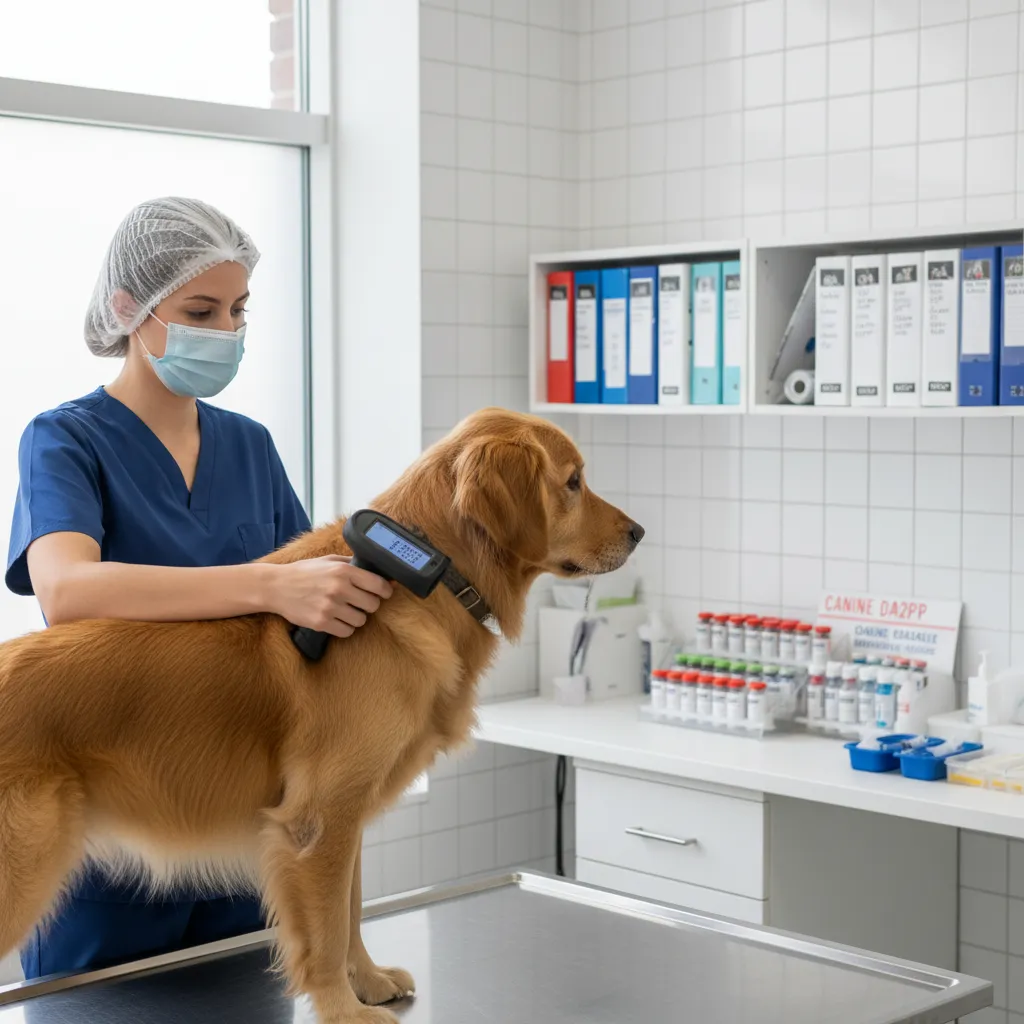
Before any testing or vaccinations occur, your pet must be identified with a microchip. New Zealand requires microchips that comply with ISO standards 11784 and 11785. This is a crucial first step because all medical documentation must reference this specific microchip number. If the microchip is implanted after a rabies vaccination, that vaccination is considered invalid for import purposes, and the shot must be repeated.
Rabies Vaccination and Titre Testing
Since New Zealand is rabies-free, proving your pet is not a carrier is the most rigorous part of the process for most importers. Unless your pet is coming from Australia or a designated rabies-free country, they will need:
- A valid rabies vaccination (inactivated or recombinant).
- A Rabies Neutralising Antibody Titre Test (RNATT) taken at least 3 to 4 weeks after the vaccination.
- The blood sample for the RNATT must be processed by an MPI-approved laboratory.
The timing is critical: your pet cannot enter New Zealand until at least three months (and usually no more than 24 months) have passed since the date the blood sample was drawn for the titre test.
The Import Permit
For most countries (excluding Australia), you must apply for an import permit from MPI. This application requires you to submit your quarantine booking confirmation and veterinary records. You should apply for this permit at least 20 working days before travel, but practically, most experts recommend securing this as soon as your quarantine is booked.
For the definitive and most current technical specifications, always refer to the official MPI website for bringing pets to NZ.
Approved Countries for Import: Categories Explained
MPI categorizes countries based on their rabies status and overall animal health risk. Your pet’s country of origin determines the complexity of the import process.
Category 1: Australia
Pets arriving from Australia have the easiest pathway. Because Australia is also rabies-free and shares similar biosecurity protocols:
- No Import Permit is usually required.
- No Quarantine is required upon arrival in NZ.
- A post-arrival inspection is conducted at the airport.
However, the pet must have resided in Australia for at least six months prior to travel and must be examined by an Australian registered veterinarian within 5 days of export.
Category 2: Rabies-Free Countries
This category includes jurisdictions like Singapore, Japan, and Pacific Island nations. Pets from these areas generally require an import permit and a post-arrival inspection but may be exempt from the standard 10-day quarantine if specific criteria are met. However, strict documentation regarding their residency in that rabies-free zone is required.
Category 3: Rabies-Absent or Well-Controlled Countries
This is the most common category for immigrants, covering the United Kingdom, United States, Canada, European Union member states, and South Africa. Pets from these countries:
- Must have an Import Permit.
- Must undergo a minimum of 10 days in an MPI-approved quarantine facility.
- Must pass the rabies titre test requirements.
Non-Approved Countries
If you are currently in a country not listed by MPI (e.g., many countries in South America, Africa, or parts of Asia), you cannot fly your pet directly to New Zealand. You must first move your pet to an approved country (like the UK or USA), complete the residency requirement there (typically 6 months), and then proceed with the import process from that approved jurisdiction. This is a long and costly route, often taking nearly a year.
Prohibited Breeds and Species Restrictions
New Zealand has strict legislation regarding dangerous dogs. Under the Dog Control Act 1996, the importation of specific breeds is completely banned. If your dog belongs to one of these breeds, or is a mix that is predominantly one of these breeds, they will be denied entry.
The banned breeds are:
- American Pit Bull Terrier
- Dogo Argentino
- Brazilian Fila
- Japanese Tosa
- Perro de Presa Canario
Additionally, hybrids are restricted. For example, the importation of wolf-dog hybrids is prohibited. For cats, first-generation Bengal cats (crossed with the Asian Leopard Cat) are generally prohibited unless they are several generations removed (typically F5 or lower) and have documentation proving their domesticity.
If you are unsure if your mixed-breed dog might be classified as a prohibited breed, you can seek a pre-determination, but the final decision often rests with the border officers and veterinarians upon inspection.
Quarantine Facilities: Costs, Booking, and Duration
For most pets entering from Category 3 countries, a minimum 10-day stay at an approved quarantine facility is mandatory. These are privately owned businesses that are audited and certified by MPI.
Booking Your Space
Quarantine space is finite and often in high demand. It is strongly advised to book your quarantine slot before booking your flights. During peak travel seasons or post-pandemic backlogs, wait times for a slot can extend several months.
You will need a confirmed booking letter from the facility to apply for your MPI Import Permit. Without this confirmation, your permit application will be rejected.

Estimated Costs
The cost of bringing pets to NZ is significant. The quarantine fees are paid directly to the facility and vary based on the animal’s size, dietary needs, and the specific facility chosen. While prices fluctuate, you should budget for the following:
- Quarantine Fees: Approximately $1,500 to $2,500 NZD per animal for the standard 10-day stay. This covers boarding, food, and standard care.
- Veterinary Inspections: MPI veterinarians will inspect the animal upon arrival and during their stay. These levies are often billed separately or added to your quarantine invoice.
- Transport: Costs for transporting the pet from the airport to the facility.
Total costs for the entire move (including flights, crates, vet work in the origin country, and NZ quarantine) often range between $5,000 and $10,000 NZD per pet.
The Step-by-Step Import Timeline
Successful importation requires project management. Here is a reverse timeline to help you plan.
7-12 Months Before Travel
- Check Eligibility: Confirm your pet’s breed is not banned and your country is approved.
- Microchip: Implant an ISO-compliant microchip.
- Rabies Vaccination: Administer the rabies vaccine after the microchip.
6 Months Before Travel
- Titre Test: Have the blood drawn for the RNATT. Ensure the result is >0.5 IU/ml.
- Wait Period: The 3-month mandatory wait period starts from the blood draw date.
3-4 Months Before Travel
- Book Quarantine: Secure your spot at a facility in Auckland or Christchurch.
- Book Flights: Arrange cargo travel. Pets to NZ usually manifest as cargo, not excess baggage.
- Apply for Permit: Submit your application to MPI with your quarantine confirmation.
1 Month to 10 Days Before Travel
- Additional Tests: Depending on the country, tests for heartworm, Babesia, Brucella, and internal/external parasites are required.
- Final Vet Exam: Section A of the veterinary certificate must be completed by an Official Veterinarian (government-employed) in the exporting country within days of departure.
Finding Pet-Friendly Housing in New Zealand
Once your pet clears quarantine, the next challenge is finding a home. The rental market in New Zealand can be competitive, and not all landlords are open to pets. However, the legislative landscape is shifting towards better rights for tenants, though landlords currently still hold the right to refuse pets in many agreements.
To increase your chances of securing a rental:
- Create a Pet CV: Include references from previous landlords, vaccination records, and a photo of your pet. Show that you are a responsible owner.
- Offer a Pet Bond: While standard tenancy bonds are capped at four weeks’ rent, offering to professionally clean carpets upon exit can alleviate landlord concerns.
- Understand Your Rights: Review the latest guidance from Tenancy Services regarding pet clauses in tenancy agreements. Unreasonable prohibitions are increasingly being challenged in the Tenancy Tribunal.

Importing your pet is a testament to your commitment to their well-being. While the MPI standards are rigorous, they preserve the unique ecosystem of New Zealand, ensuring a safe environment for your pet to enjoy once they arrive. By following this guide and preparing early, you can navigate the biosecurity maze and start your new Kiwi life together.
People Also Ask (FAQs)
How much does it cost to bring a dog to New Zealand?
The total cost to bring a dog to New Zealand typically ranges from $5,000 to $10,000 NZD. This includes veterinary preparations in the origin country, airfreight (cargo) fees, the import permit, and the mandatory 10-day quarantine fees in NZ, which alone can cost between $1,500 and $2,500.
Do pets from Australia need quarantine in NZ?
Generally, no. Cats and dogs importing directly from Australia do not require quarantine upon arrival in New Zealand, provided they have lived in Australia for at least six months and meet the specific veterinary inspection requirements prior to departure.
Are Pitbulls allowed in New Zealand?
No. The American Pit Bull Terrier is classified as a prohibited breed under the Dog Control Act 1996. You cannot import American Pit Bull Terriers, Dogo Argentinos, Brazilian Filas, or Japanese Tosas into New Zealand.
How long is the quarantine for pets in NZ?
For pets arriving from Category 3 countries (like the UK, USA, and South Africa), the mandatory quarantine period is a minimum of 10 days. If any biosecurity issues are detected upon arrival, this period may be extended at the owner’s expense.
Can I visit my pet in quarantine in NZ?
Visiting policies vary by facility. Some quarantine facilities allow scheduled visits during the 10-day stay, while others may restrict visitation to reduce stress on the animals and maintain biosecurity protocols. You must check with your specific facility booking.
What happens if my pet fails the blood test?
If your pet fails the Rabies Neutralising Antibody Titre Test (RNATT) (i.e., the result is less than 0.5 IU/ml), they cannot enter New Zealand. You must revaccinate the pet and wait to repeat the blood test. The 3-month waiting period restarts from the date of the successful blood draw.