
Rehome Your Dog Safely: A Guide for NZ Owners
Life has a way of throwing unexpected curveballs. Perhaps you are facing a sudden relocation, a change in your family dynamic, or a rental market that feels increasingly hostile to pets in New Zealand. Whatever the reason, deciding to find a new family for your dog is a deeply emotional journey.
It is often accompanied by a heavy weight of guilt, but making this choice can be the ultimate act of love and kaitiakitanga (guardianship). You want what is best for your mate—a smooth transition, a loving home, and zero time spent behind bars in a stressful shelter environment.
This comprehensive handbook, Rehome Your Dog Safely: A Guide for NZ Owners, is designed to help you navigate this transition with clarity, confidence, and peace of mind.
Key Takeaways
To rehome your dog safely in New Zealand, keep them out of shelters by listing them directly on a trusted home-to-home platform. Prepare their vet records, write an honest profile highlighting both their quirks and strengths, screen potential adopters thoroughly through phone calls and neutral meet-and-greets, and legally transfer their microchip and council registration.
The changing landscape of pet rehoming in Aotearoa
The reality of dog rehoming in New Zealand has shifted dramatically over the past few years. A combination of the rising cost of living, changes in rental agreements, and an increase in the dog population has put unprecedented pressure on local shelters.
In places like Tāmaki Makaurau (Auckland), council shelters have faced historic highs in surrender and euthanasia numbers. This is a heartbreaking reality that no pet owner wants to think about, let alone navigate.
When traditional shelters are stretched to their absolute limits, companion animals bear the brunt of the crisis. Making the choice to rehome your dog safely: a guide for NZ owners who are looking for a direct path is more important than ever.
According to Companion Animals NZ, nearly 63% of Kiwi households share their lives with a pet, showcasing our deep-rooted love for animals. However, this high rate of pet ownership also means that when economic shifts happen, a massive number of animals are affected.
In recent years, the cost of living has squeezed family budgets tightly, forcing many to make heartbreaking decisions. The price of vet care, pet food, and secure rental housing has skyrocketed, making it incredibly difficult for some families to keep their beloved dogs.
At the same time, traditional rescue organizations and the SPCA are facing unprecedented capacity constraints. Many SPCA centers across the country are unable to accept owned pets due to limited space, reserving their kennels strictly for sick, injured, or abused animals.
This is why home-to-home rehoming has emerged as a vital lifeline for Kiwi dog owners. By choosing a peer-to-peer approach, your dog never has to set foot in a kennel. They transition directly from your loving home to their next one, avoiding the fear, noise, and confusion of a kennel environment.
| Rehoming Method | Owner Control | Dog Stress Levels | Safety & Screening |
|---|---|---|---|
| Home-to-Home (Pet Rescue NZ) | 100% (You choose the family) | Very Low (Dog stays home) | High (Structured profiles & guides) |
| Traditional Shelter / SPCA | None (Surrendered to facility) | High (Kennel environment) | High (Shelter staff vet adopters) |
| Social Media Classifieds | High (Direct messages) | Low to Medium | Very Low (Highly prone to scams) |
Step 1: Preparing your dog for their next chapter
Before you write a single word of their listing, you need to gather their history. Think of it like putting together a little portfolio for their future. Kiwi families looking to adopt will want to know that your dog is up to date with their basic health needs.
Having these details ready shows you are a responsible owner who cares deeply about a safe transition. It gives the new family immediate peace of mind and prevents any unexpected surprises down the road.
Here is what you should organize first:
- Vaccination records: Ensure their vaccinations are current, especially if the new family has other pets.
- Microchip details: Check that your dog is microchipped and registered on the New Zealand Companion Animal Register (NZCAR).
- Desexing status: Most families prefer a desexing history, and it prevents unwanted litters across Aotearoa.
- Dietary and medical needs: Write down their favorite food, allergies, and any daily medications they require.
Preparing your dog physically and mentally is a crucial first step. A dog that is healthy, well-groomed, and up to date on their medical needs is far easier to rehome successfully.
Start by booking a check-up with your local vet. Ask for a printed copy of your dog’s complete medical history. This is incredibly reassuring for potential adopters, as it removes any fear of hidden health issues or unexpected vet bills.
If your dog is due for their annual booster vaccinations, try to get this sorted before you list them. It ensures they are protected during the transition and can safely interact with other dogs in their new neighborhood.
Grooming is another simple yet powerful step. A clean, brushed, and smelling-fresh dog not only looks wonderful in photos but also feels more comfortable and relaxed. It shows potential adopters that your dog has been deeply cared for and loved.
Step 2: Creating an honest, engaging listing
When you are ready to write, honesty is your absolute superpower. It can be tempting to paint a picture-perfect portrait, but every dog has their quirks. Being completely upfront ensures a successful, lifelong match.
If your dog is terrified of thunder, hates mail vans, or prefers to be the only pet in the house, say so. The right family will appreciate your transparency and will be prepared to manage those behaviors.
We recommend using a dedicated platform rather than chaotic social media classifieds. This ensures you are reaching people who are genuinely committed to pet welfare rather than looking for a quick, unmoderated transaction.
This is a core principle when you decide to rehome your dog safely: a guide for NZ owners that prioritizes the animal’s long-term happiness. It helps filter out impulse adopters and brings forward those who are truly ready for the commitment.
Take photos of your dog in natural light, showing off their personality. Avoid blurry or dark indoor shots. A picture of them smiling in the backyard or playing with their favorite toy speaks volumes to potential adopters.
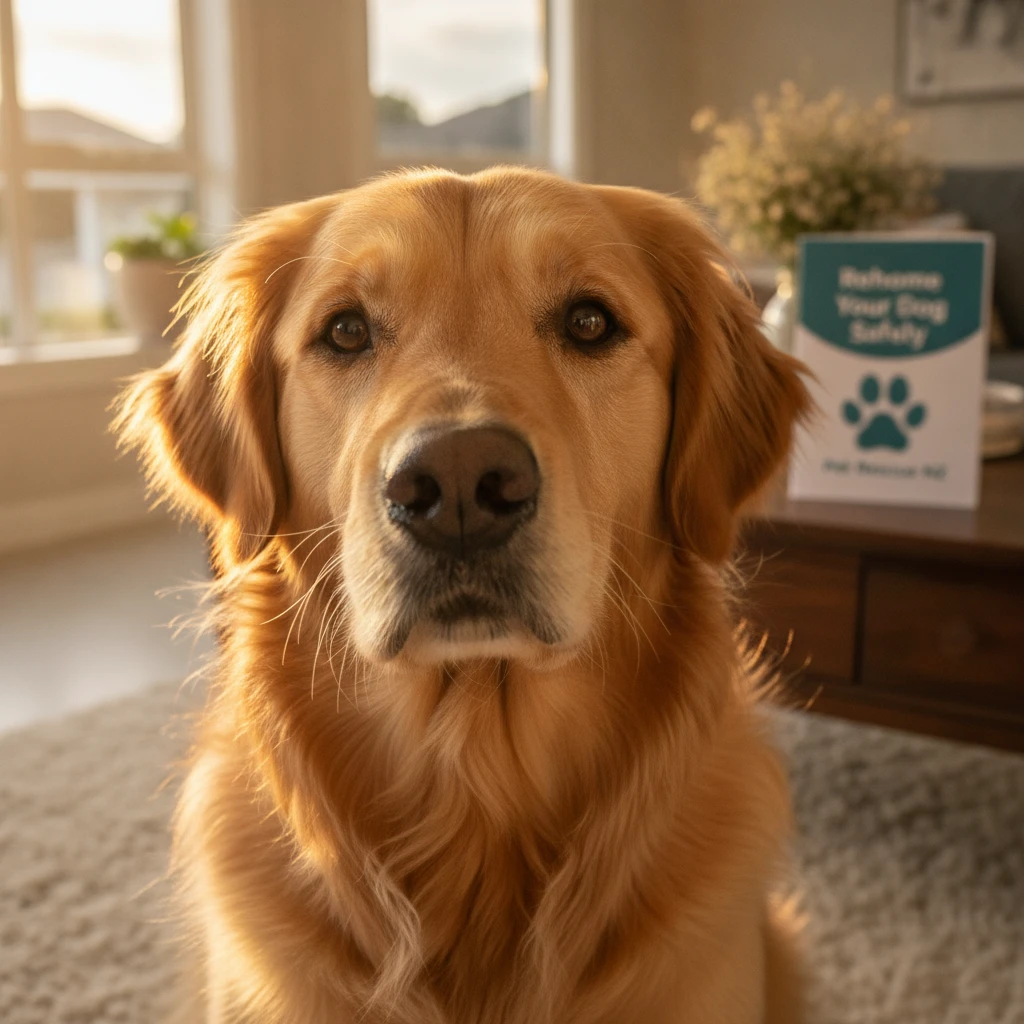
When it comes to writing your dog’s profile, think of it as a warm letter to their future family. You want to highlight what makes them special—their goofy habits, their favorite sleeping spots, and how they show affection.
But you must also be completely transparent about their challenges. If they have a high prey drive and cannot live with cats, write that down. If they pull on the leash or get anxious when left alone, include it.
An honest profile acts as a natural filter, attracting families who are genuinely equipped to handle your dog’s specific needs. It prevents the heartbreak of a failed adoption where a dog is returned because the new owner was unprepared.
Our platform is built specifically for these honest connections. We believe that every dog has a story, and by sharing it openly, you will find the right person who says yes to all of them—quirks and all.
Step 3: Screening potential Kiwi families safely
Once your listing is active, the inquiries will start coming in. This is where you need to trust your gut and take your time. Never rush this process, as finding the right fit is worth the wait.
A safe handoff requires open, honest conversations with potential adopters. We suggest starting with a simple phone call or video chat to get a feel for their lifestyle and expectations.
It is much easier to gauge someone’s genuine intent when you can hear their voice and ask direct questions. It also gives them a chance to ask you about your dog’s daily routines.
Here are a few gentle questions you can ask:
- What does a typical day look like for a dog in your home?
- Do you have a fully fenced yard, and how high are the fences?
- How do you plan to handle exercise and daily walks?
- Are there other pets or young children in the household?
Listing a dog for completely free can attract bad actors, dog fighters, or backyard breeders. Charging a small adoption fee or using a verified platform ensures the adopter is financially prepared and genuinely committed to their care.
Once you have a promising candidate, arrange a meet-and-greet. We always recommend doing this in a neutral, public space like a quiet local park or a dog-friendly beach.
This lets you observe how your dog reacts to the new family without any territorial behaviors. Watch how they interact—do they show patience, gentleness, and respect for your dog’s boundaries?
If everything feels right, you can proceed to the next step. If your gut tells you something is off, listen to it. You are your dog’s ultimate advocate, and there is no shame in saying no to a match that doesn’t feel perfect.
Step 4: Navigating the legalities and paperwork
Rehoming a dog isn’t just about handing over the leash. In New Zealand, there are legal obligations under the Dog Control Act 1996 that you must follow to ensure a smooth transition.
Keeping your dog’s registrations up to date protects both you and the new owner. It ensures that if the dog ever gets lost, they can be quickly reunited with their new family.
Here is what you need to do to complete the legal handoff:
- Council Registration Transfer: You must notify your local council of the change in ownership within 14 days. Both you and the new owner will need to complete a simple transfer form.
- NZCAR Microchip Update: If your dog is registered on the New Zealand Companion Animal Register, you must log in and transfer the registration to the new owner’s contact details.
- Vet Record Release: Call your local vet clinic and ask them to release your dog’s medical history to the new owner’s chosen clinic.
Each district council in New Zealand has its own bylaws regarding dog registration fees and ownership transfer processes. Check your local council’s website to ensure you use the correct forms and avoid any administrative fines.
In New Zealand, dog ownership is strictly governed by the Dog Control Act 1996. This means there are several legal steps you must take to ensure the transfer of ownership is fully recognized by law.
First, you must notify your local council of the transfer within 14 days of the handover. Failure to do so can result in registration fines, and you could still be held legally responsible if the dog is involved in any roaming incidents.
The transfer process is usually very straightforward. Most councils have an online portal or a simple PDF form that both you and the new owner can sign and submit.
Next is the New Zealand Companion Animal Register (NZCAR). This is the national microchip database. Transferring this registration is vital because if your dog ever gets lost, the vet or shelter will scan the chip and contact the person listed in the database.
Make sure you provide the new owner with all physical paperwork, including their vaccination booklet, microchip certificate, and any pedigree registration papers if applicable.
Managing the emotional transition for you and your dog
The day of the handover is going to be tough. There is no point in pretending otherwise. It is a moment filled with mixed emotions, and it is completely normal to feel a deep sense of loss.
Remember that dogs are incredibly intuitive creatures. They pick up on our stress and anxiety, so keeping things calm and routine-focused leading up to the handover is incredibly helpful.
Pack their favorite blanket (unwashed, so it smells like home), their current food, and their favorite toys. Having these familiar scents around will provide immense comfort during their first few nights in a new environment.
Give yourself grace during this time. You have done the hard, brave work to rehome your dog safely: a guide for NZ owners who love their pets enough to let them go when circumstances demand it.
Before you say your final goodbyes, ensure you have completed the following: vet records printed, food packed for at least 7 days, favorite unwashed blanket ready, signed council transfer forms exchanged, and NZCAR transfer initiated.
To make the transition as smooth as possible, maintain your dog’s normal routine right up until the final hour. Feed them at their usual time, go for their favorite walk, and keep your interactions calm and loving.
When you hand over the leash, keep your goodbye brief and positive. If you get highly emotional, your dog will sense your distress and may become anxious. Smile, give them a gentle pat, and let them walk away with their new family.
After they have gone, give yourself permission to grieve. Rehoming a pet is a form of loss, and it takes time to process. Reach out to supportive friends or family members who understand the depth of your bond.
Our hope is that this resource on how to rehome your dog safely: a guide for NZ owners gives you the confidence to do right by your furry companion. You are giving them the best chance at a happy, secure future.
About the Author
This guide was crafted by the dedicated team at Pet Rescue NZ, a family-run, community-funded platform built by Kiwi animal lovers for Kiwi animal lovers. With years of hands-on experience helping hundreds of dogs find safe, direct, home-to-home transitions across Aotearoa, we understand the emotional and practical challenges of rehoming.
Our mission is simple: to keep pets safe, happy, and out of shelters by empowering owners with the right tools, knowledge, and support.