Responsible pet rehoming NZ is the process of finding a safe, permanent, and suitable new environment for a companion animal when the current owner can no longer provide adequate care. It requires prioritizing the animal’s welfare through veterinary clearance, rigorous screening of potential adopters, and utilizing reputable New Zealand rescue networks or ethical private adoption channels rather than abandonment.
Making the decision to rehome a beloved pet is arguably one of the most heart-wrenching choices a pet owner will ever face. Whether due to the housing crisis, financial hardship, a change in family circumstances, or behavioral challenges that exceed your capacity to manage, the guilt can be overwhelming. However, choosing to rehome your pet responsibly is an act of love, not failure. It is an admission that your animal deserves a quality of life that you are currently unable to provide.
In New Zealand, the animal welfare landscape is currently under immense pressure. Shelters are frequently at capacity, and the rental market makes pet ownership difficult for many. This guide is designed to empower you with the knowledge to navigate this complex process ethically, ensuring your companion lands in a safe, forever home.
The Ethics of Rehoming: Understanding Your Decision
Before diving into the logistics, it is vital to frame your mindset. Responsible rehoming is not about “getting rid” of a problem; it is about solving a welfare issue. The primary goal is to ensure the animal does not end up in a worse situation, such as being passed around multiple temporary homes, abandoned, or used for nefarious purposes like dog fighting bait.
Transparency is the cornerstone of ethical rehoming. When you present your pet to potential new owners or rescue organizations, you must be brutally honest about their medical history, temperament, and behavioral quirks. Hiding a history of aggression or separation anxiety puts the new owners at risk and almost guarantees the pet will be returned or euthanized.
Ethical Alternatives to Surrender
Before initiating the rehoming process, it is worth exhausting all avenues to keep your family together. Often, owners feel they have no choice, but support systems exist in New Zealand that may resolve the underlying issues.
Financial Hardship
If the cost of food or veterinary care is the driving factor, seek assistance before surrendering. Several organizations, including local pet food banks and community outreach programs run by the SPCA, can provide temporary relief. Some veterinary clinics also offer payment plans like VetCare Finance to spread the cost of emergency treatments.
Housing Issues
The New Zealand rental market is notoriously tough for pet owners. However, recent changes to tenancy laws have attempted to make it slightly easier. If your landlord is refusing a pet, ensure you have provided a “Pet CV” demonstrating your animal’s training, references from previous landlords, and proof of insurance. Sometimes, offering to pay for a professional carpet clean at the end of the tenancy can tip the scales.
Behavioral Challenges
If behavioral issues like barking, destruction, or reactivity are the cause, consult a certified animal behaviorist. Many issues that seem insurmountable can be managed with professional guidance. In some cases, medical issues (like undetected pain) drive bad behavior, so a vet check is the first step.
Preparing Your Pet for Rehoming
If rehoming remains the only viable option, you must prepare your pet to be the best possible candidate for a new family. This preparation protects the animal and increases the likelihood of a successful transition.
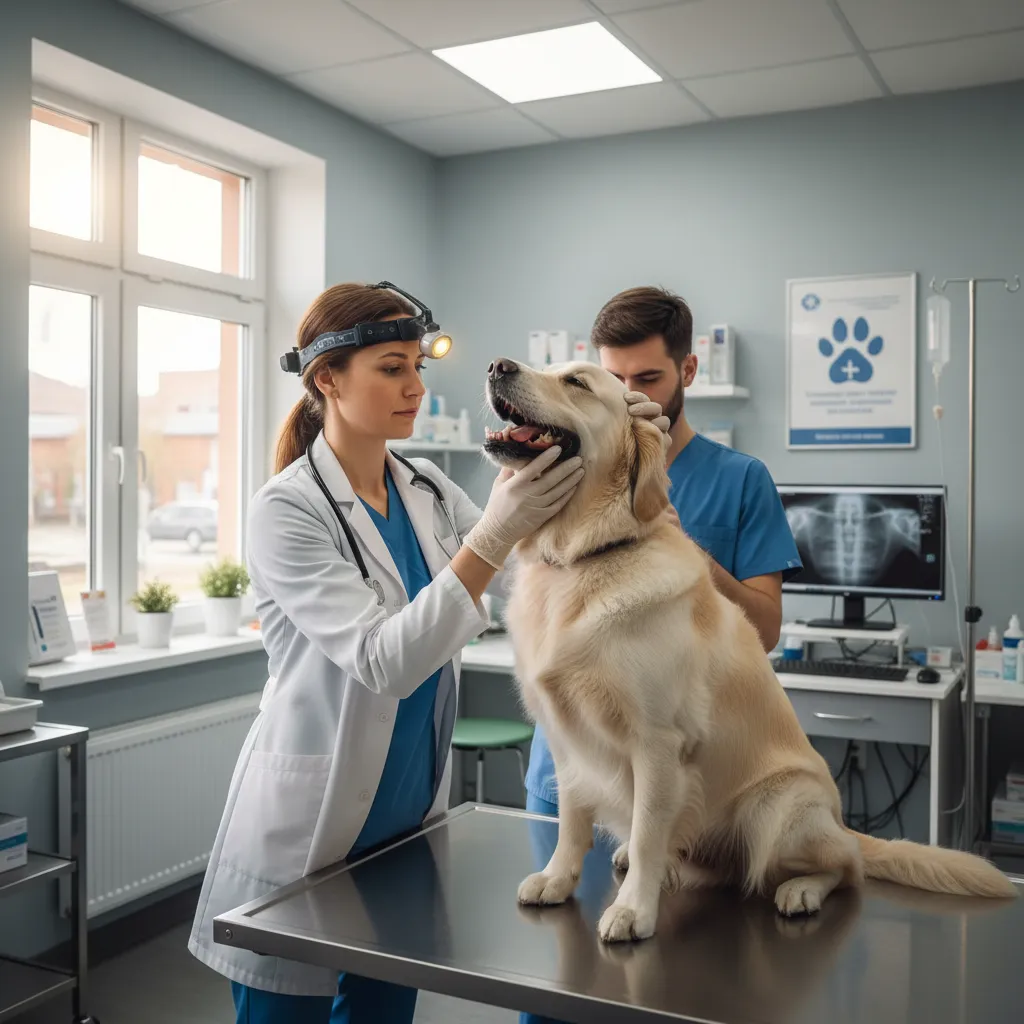
Veterinary Health Check
You cannot responsibly rehome a sick or injured animal without full disclosure and a treatment plan. Before advertising your pet:
- Desexing: This is non-negotiable. Rehoming an intact animal invites backyard breeders and puppy farmers who will exploit your pet for profit. Ensure your pet is spayed or neutered.
- Vaccinations: Ensure all vaccinations are up to date and you have the vaccination book ready to hand over.
- Microchipping: Verify the microchip is working and that you have the registration documents.
Behavioral Assessment
Write down a comprehensive profile of your pet. Include:
- Triggers: What makes them scared or angry? (e.g., loud noises, men in hats, other dogs).
- Routine: What do they eat? When do they sleep? Are they crate trained?
- Socialization: How are they with children, cats, and livestock? Be specific.
Ensuring a Safe and Loving New Home
There are generally two routes for rehoming: surrendering to an organization or private rehoming.
Surrendering to a Rescue
Surrendering to a reputable organization like the SPCA, HUHA, or a breed-specific rescue is often the safest route, as they handle the vetting process. However, most New Zealand rescues are “no-kill” (for healthy/rehomeable animals) and are perpetually full. You may be placed on a waiting list.
If you surrender to a shelter, you lose control over where the animal goes, but you gain the assurance that professional staff are handling the adoption. Always research the shelter’s euthanasia policy before surrendering.
Private Rehoming
If you choose to find a home yourself, you maintain control but assume all the risk. To do this safely:
- Never Advertise “Free to Good Home”: This is a critical rule. Predators look for free animals for dog-fighting bait, snake food, or breeding. Always request an adoption fee. You can donate this fee to a charity if you do not wish to keep it, but the financial barrier filters out people with bad intentions.
- Use Reputable Platforms: Be cautious with general marketplaces. While TradeMe has a specific pets section with rules, social media marketplaces often ban animal sales, leading to unregulated “back-alley” transactions.
- Leverage Your Network: Ask friends, family, and colleagues. A personal connection is often the safest route.
How to Screen Potential Adopters
If you are rehoming privately, you must act as the interviewer. Do not be afraid to ask invasive questions; the safety of your pet depends on it.
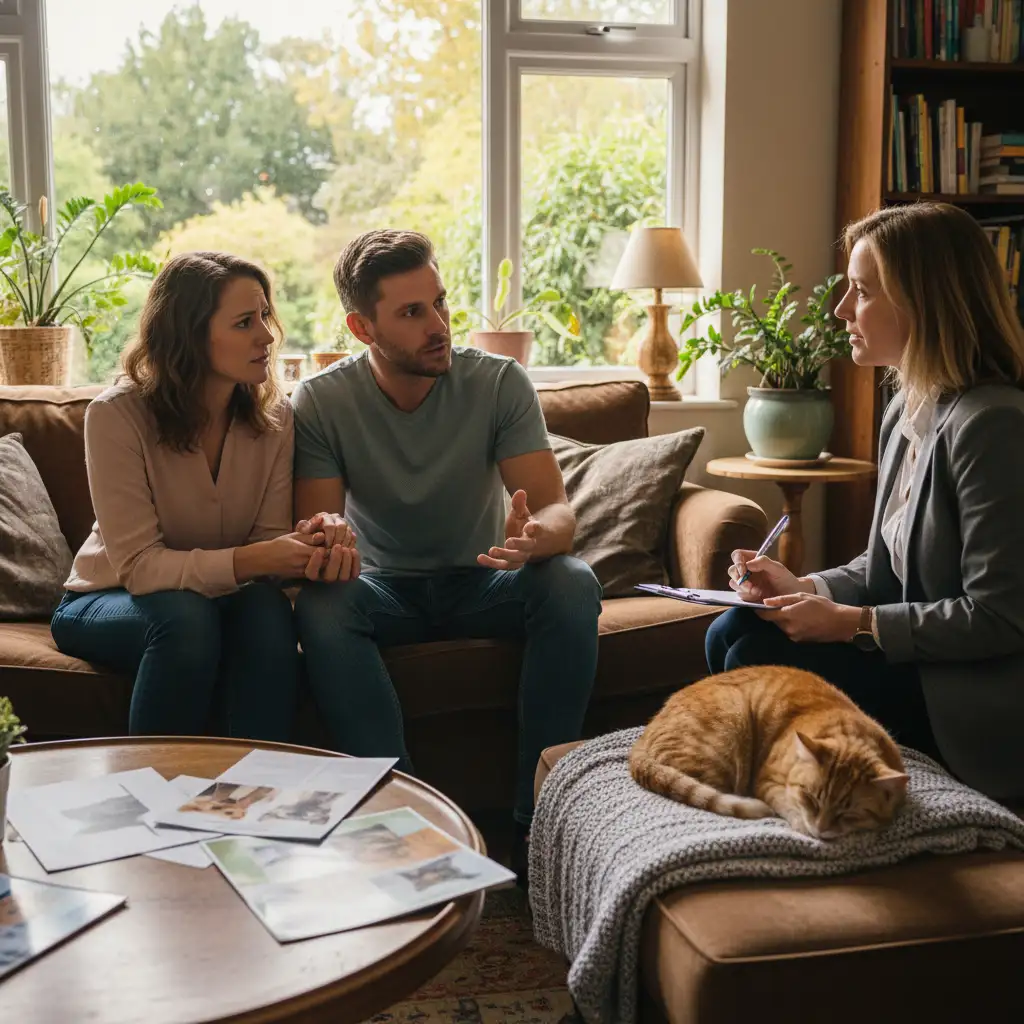
The Interview Checklist
Ask the following questions to every potential adopter:
- Home Ownership: Do you own your home or rent? If renting, do you have written permission from the landlord? (Ask to see proof).
- Fencing: Is the property fully fenced? What is the height of the fence? (Crucial for dogs in NZ).
- Lifestyle: How many hours will the animal be left alone during the day?
- Family: Are there children in the home? How old are they? Do they have experience with animals?
- Veterinary Reference: Which vet clinic do you use for your current or past pets? (Call the clinic to verify they keep pets up to date on care).
The Home Check
Never hand over an animal in a parking lot. Insist on a home visit. This allows you to check the fencing, see the environment, and watch how the potential adopters interact with the animal in their own space. If they refuse a home check, do not give them the animal.
The Rehoming Contract and Administrative Duties
Once you have selected a new family, you need to formalize the transfer. This prevents legal disputes later and ensures the animal is traceable.
Transfer of Ownership
In New Zealand, microchips are registered on the New Zealand Companion Animal Register (NZCAR). You must sign a transfer of ownership form. Do not leave the microchip in your name, as you will remain liable for the animal if it is picked up by animal control. Ensure the new owner completes their side of the registration immediately.
The Adoption Contract
Create a simple written agreement signed by both parties. It should state:
- The animal’s details.
- The adoption fee paid.
- A “Return Policy”: Stipulate that if the new owners can no longer keep the pet, they must return the animal to you (or contact you) rather than selling it or taking it to a shelter. This is your safety net for the pet.
The Transition Pack
Send your pet to their new home with a “Go-Bag.” This should include:
- Two weeks’ worth of their current food (to prevent stomach upset).
- Their bed, favorite toys, and a blanket that smells like your home (for comfort).
- Medical records and vaccination booklets.
- A written guide on their routine, likes, and dislikes.
Support Resources for Difficult Decisions
If you are struggling with the decision or the process, reach out to professionals. The emotional toll of rehoming a pet is significant, often referred to as “disenfranchised grief” because society does not always recognize the depth of the loss.
Key Organizations in New Zealand:
- SPCA New Zealand: For advice on animal welfare and surrender inquiries.
- HUHA (Helping You Help Animals): A leading no-kill shelter that may offer advice or intake depending on capacity.
- Pet Refuge: Specifically for pets of people escaping domestic violence. They provide temporary shelter so you do not have to permanently rehome your pet to flee abuse.
- Citizens Advice Bureau: For help understanding tenancy laws regarding pets.
For more information on legal rights regarding pets in rentals, you can consult the Tenancy Services website, which offers templates for pet agreements between landlords and tenants.
Rehoming a pet responsibly is a final act of stewardship. By following these steps, vetting potential owners, and ensuring all medical needs are met, you are fulfilling your duty of care to the very end.
People Also Ask
Is it illegal to rehome a dog yourself in NZ?
No, it is not illegal to rehome a dog yourself in New Zealand. However, you must ensure the dog is registered with the local council and that the microchip details are legally transferred to the new owner on the NZ Companion Animal Register. Selling a dog may also have tax implications if considered a business, but private rehoming is generally legal.
How much does it cost to surrender a dog to the SPCA NZ?
The SPCA does not typically charge a fixed fee for surrendering an animal, as their priority is the animal’s welfare. However, they are a charity and may appreciate a donation to help cover the costs of care, vet checks, and rehoming. Policies can vary by center, so it is best to call your local branch.
Where can I take my cat if I can no longer keep it?
If you cannot keep your cat, your best options are contacting the SPCA, a local cat rescue (like Cat Rescue Christchurch or Lonely Miaow in Auckland), or rehoming privately to a vetted home. Never abandon a cat in the wild; it is illegal and cruel.
Can I surrender my dog to the pound in NZ?
Yes, you can surrender a dog to local council pounds (animal control), but this should be a last resort. Council pounds often have limited resources and higher euthanasia rates compared to dedicated rescue organizations. They also usually charge a surrender fee.
What should I do if my landlord says no pets?
If your landlord refuses pets, try creating a “Pet CV” with references and photos. You can also offer to add a clause to the tenancy agreement regarding professional cleaning upon exit. If you must move, look for “pet-friendly” listings or ask the landlord for permission before signing a lease.
Why do rescues charge an adoption fee?
Rescues charge adoption fees to cover the costs incurred while caring for the animal, including desexing, vaccinations, microchipping, flea/worm treatments, and food. The fee rarely covers the full cost but helps the rescue continue their work and ensures the adopter is financially committed.