
Rehoming Your Dog in NZ: A Guide for Busy Families
Life changes. We get it.
Sometimes, despite your absolute best intentions, your current situation no longer matches what your dog needs. For busy families juggling work, kids, and shifting circumstances, making the call to find a new home for a beloved pet is gut-wrenching.
You aren’t alone in this. Every week, good people across Aotearoa face this exact crossroads. When you are looking into rehoming your dog in NZ, the priority is finding a safe, loving environment without adding trauma to the animal—or to your family.
There is a better way than dropping them at a shelter or risking unmoderated online groups. Your pet can stay safe on the couch until the right family says yes. Let’s walk through how to navigate this process with dignity, control, and peace of mind.
Key Takeaways
When rehoming your dog in NZ, avoid shelters and unmoderated social media. Use a dedicated peer-to-peer platform to keep your dog comfortable at home. This reduces stress, ensures zero cage time, and allows you to personally vet adopters for a safe, transparent transition.
The Reality of Life Changes
New Zealanders genuinely love their animals. Recent data shows that 63% of Kiwi households share their lives with a companion animal. Across the country, there are an estimated 850,000 dogs living in our homes.
But life is incredibly unpredictable. Financial pressures, moving to rentals that don’t allow pets, or sudden changes in family dynamics can turn a stable home into a stressful one. It is a hard reality to face, and the decision is never made lightly.
Guilt often keeps families paralyzed. You might worry about judgment from friends, or fear what happens to dogs once they enter the shelter system. Acknowledging that your dog needs more time, space, or energy than you can currently provide is actually an act of deep love.
When rehoming your dog in NZ, understanding the national landscape helps put things in perspective. You are making a responsible choice for your animal’s welfare. Shelters are frequently at capacity, and the traditional surrender model is deeply flawed.
The Problem with the Shelter Route
No one wants to leave their dog in a kennel. Even the best shelters in New Zealand, with the most dedicated staff, are inherently stressful environments for a domestic pet. The noise, the unfamiliar smells, and the sudden loss of their family can cause severe anxiety.
Furthermore, once you surrender your dog, you lose all control over their future. You don’t get to meet the new family, and you don’t get to pass on the vital little details. Things like how they love their ears scratched, or their intense fear of the vacuum cleaner, are lost in the system.
The SPCA does incredible work, responding to around 25,000 reports of suspected cruelty or neglect annually. However, their limited resources are best saved for abused and abandoned animals, not well-loved family pets who simply need a change of address.
Why Peer-to-Peer Rehoming is Better
For families already stretched thin, the idea of managing a rehoming process sounds exhausting. But peer-to-peer rehoming is designed to give you complete control without the chaos. It is a straightforward, transparent way to handle a difficult situation.
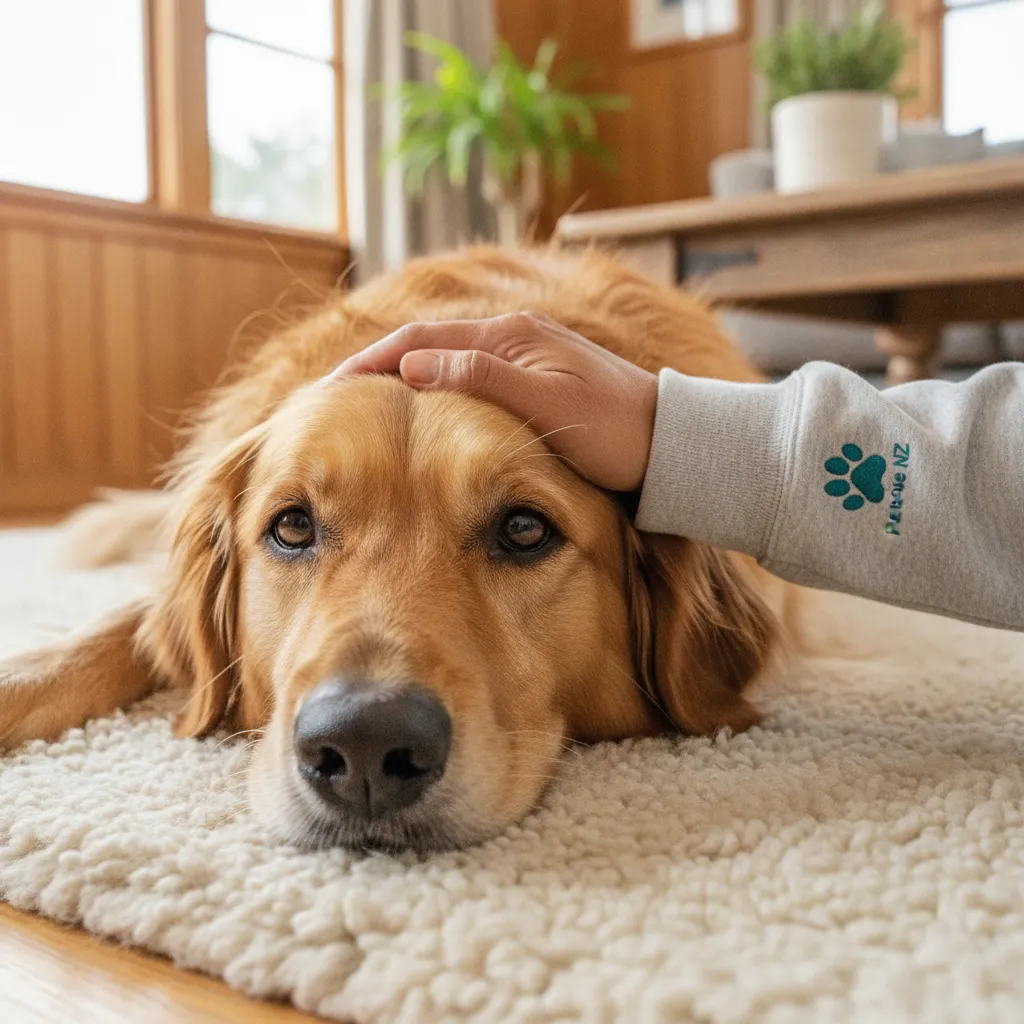
It means your dog stays right where they are—at home. They sleep in their own bed and eat from their own bowl while you review potential adopters online. There is zero cage time and zero shelter stress.
This home-to-home model is changing how Aotearoa handles animal welfare. It removes the middleman and connects good people directly with each other. You get to personally ensure your dog goes to an environment that matches their specific needs.
| Platform Method | Stress Level for Dog | Owner Control | Safety & Moderation |
|---|---|---|---|
| Traditional Shelter | High (Kennel environment) | None | High |
| Facebook Groups | Low (Stays home) | High | Very Low (Scam prone) |
| General Classifieds | Low (Stays home) | High | Low (Highly transactional) |
| Pet Rescue NZ | Low (Stays home) | 100% Complete Control | High (Dedicated moderation) |
Protecting Your Family from Scams
Many families instinctively turn to social media or general classified sites when they need help. This is where things get risky. Unmoderated platforms are chaotic, and unfortunately, they attract scammers or people with bad intentions.
When rehoming your dog in NZ, you need an environment built specifically for animal welfare. General marketplaces treat animals like secondhand furniture, and Facebook groups can quickly become overwhelmed with unhelpful, judgmental comments.
You need a platform that prioritizes safety, transparency, and the pet’s wellbeing above all else. Dedicated rehoming platforms require registered accounts and provide resources to help you vet potential adopters safely.
Never list your dog “free to a good home” on unmoderated social media pages. This language often attracts bad actors. Always ask for a small adoption fee to ensure the adopter is genuinely invested in the dog’s future.
Involving Your Kids in the Process
If you have children, rehoming a family dog adds a heavy layer of emotional complexity. Kids often don’t understand why their best friend has to leave. Honesty, scaled to their age level, is absolutely crucial here.
Explain the situation in simple, plain English. Focus on the dog’s needs rather than the family’s stress. For example, explaining that “Max needs a home with a bigger yard where he can run all day” helps kids see the decision as an act of kindness.
Give them a role in the transition. Let them help pick out the photos for the online profile, or ask them to write a special list of the dog’s favorite games to give to the new family.
Allowing children to pack a special bag of toys and treats for the dog gives them a sense of closure. It transforms a moment of loss into a proactive, loving farewell.
How to Create a Standout Listing
You don’t need to be a marketing expert to write a great profile for your dog. Honesty is your absolute best tool. Adopters appreciate transparency above all else, and it saves everyone time in the long run.
Start with the basics. Clearly state their age, breed, size, and general energy level. Then, move into the specific details that make your dog unique. What makes them goofy? What makes them a great companion?
- Mention their daily routine and exercise requirements to set clear expectations.
- Note any dietary restrictions, allergies, or ongoing medical needs.
- Be perfectly clear about how they interact with kids, cats, or other dogs.
- Highlight their favorite toys, sleeping habits, and endearing quirks.
Capturing the Right Photos
Photos are the very first thing a potential new family will see. Skip the blurry, dark images taken on your phone at night. Take your dog outside in natural light to show off their true personality.
Capture them doing what they love. If they are a couch potato, show them lounging comfortably. If they are a fetch fanatic, get a crisp action shot at the local park.
Writing with Complete Honesty
Don’t hide your dog’s quirks or behavioral challenges. If they pull on the lead during walks, say so. If they aren’t great with toddlers, make that explicitly clear in your listing.
The goal isn’t to appeal to everyone on the internet. The goal is to find the right one. By being upfront, you filter out homes that wouldn’t be a good fit, preventing a failed adoption down the line.
Managing the Handover with Care
Once you find the right family, the final step is the physical handover. This is undeniably an emotional day. Be kind to yourself, and don’t rush the process.
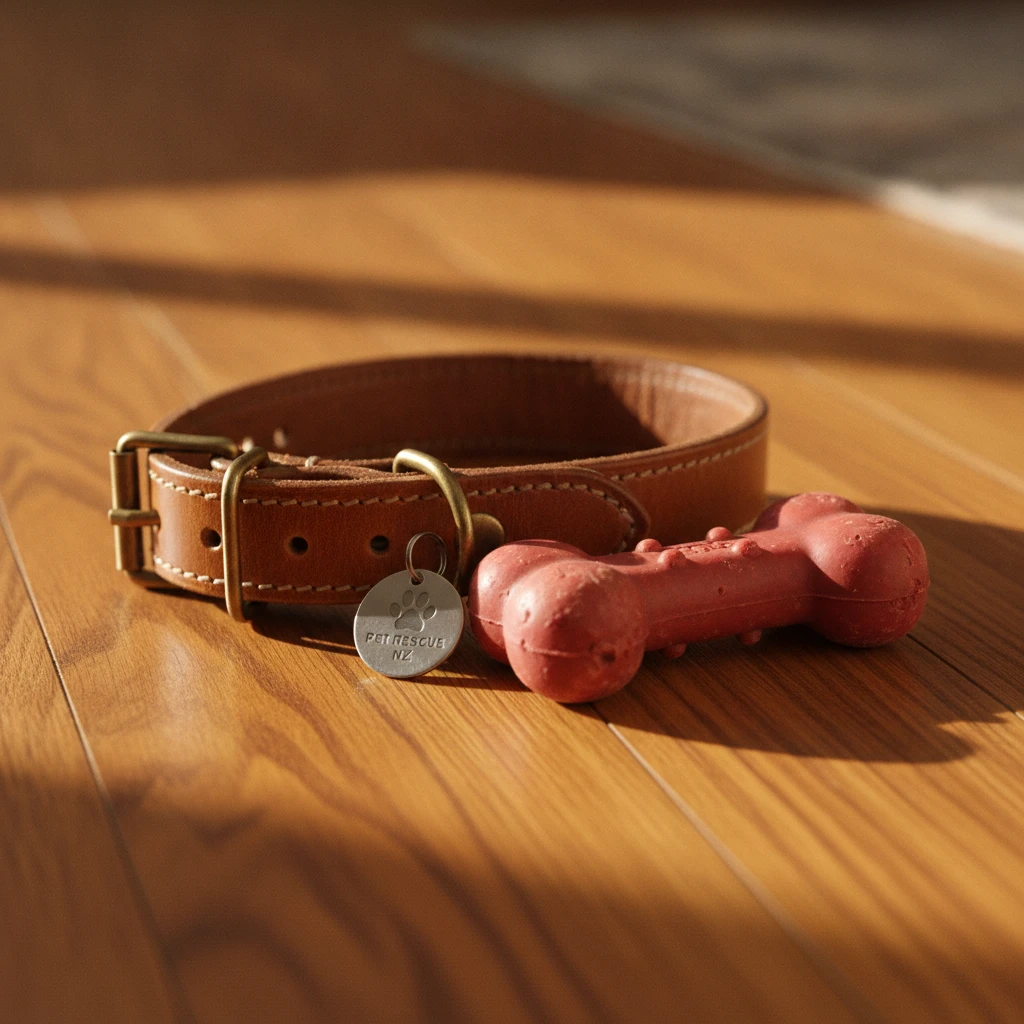
Pack up all of their belongings. Their unwashed bed, their favorite chew toys, their remaining food, and any vet records should all go with them. Familiar smells will help them settle into their new environment much faster.
Trusting Your Gut
You are the ultimate advocate for your dog. If a potential adopter says all the right things but something in your gut feels off, walk away. You don’t owe anyone an explanation.
You have 100% control over this process from start to finish. Your pet stays home until the right family says yes. Trust your instincts; you will know when the fit is genuinely right.
Always arrange a neutral, in-person meeting at a local park before finalizing the adoption. This allows you to observe how the adopter interacts with your dog in a low-pressure environment.
Real Kiwi Rehoming Stories
Nothing illustrates the power of direct adoption quite like real experiences. Take the story of a young Auckland family who had to relocate for work on short notice.
Their landlord in the new city strictly prohibited dogs. They were devastated and considered surrendering to the local shelter. Instead, they listed their Labrador on a dedicated peer-to-peer platform.
Within a week, they connected with a retired couple in Tauranga who had recently lost their own dog. The families met at a local park midway. The transition was seamless, and the original owners still get occasional photo updates, bringing them immense peace of mind.
Many adopters are happy to send occasional text updates or photos during the first few weeks. Discuss this boundary openly during the handover so everyone is on the same page.
Summary & Action Plan
Rehoming your dog in NZ doesn’t have to be a traumatic, guilt-ridden experience. By choosing a home-to-home approach, you protect your pet from shelter anxiety and retain complete control over their future.
Take a deep breath. Gather your dog’s vet records and take some clear, well-lit photos. Have a gentle conversation with your family about the next steps.
When you are ready, create a space where your dog’s story can be told honestly. No shelters. No middlemen. Just good people finding each other. Every pet has a story—let’s help write the next chapter together.
About the Author: Sarah Jenkins
Sarah is a community advocate and pet welfare specialist based in Tāmaki Makaurau. With over a decade of experience in animal rescue and peer-to-peer rehoming, she is quietly passionate about keeping pets out of shelters and helping Kiwi families navigate difficult life transitions with empathy and practical support.