
Rehoming Your Dog in NZ: Essential Tips for a Smooth Transition
Life changes. We get it. Sometimes, despite your very best intentions, keeping your dog simply isn’t an option anymore. Whether it is due to an unexpected move, a new baby, or the crushing weight of financial pressure, making the call to rehome your best mate is incredibly heavy.
You are likely feeling a mix of guilt, stress, and fear about what comes next. But taking control of the process means you get to write the next chapter of their story. You don’t have to surrender them to a cold, noisy pound, and you certainly don’t have to roll the dice on a chaotic social media page.
If you are researching Rehoming Your Dog in NZ: Essential Tips for a Smooth Transition, you are already taking the right steps. By choosing a direct, home-to-home adoption, your pet stays exactly where they feel safe—on your couch—until the right family says yes. No shelters. No middlemen. Just good people finding each other.
Key Takeaways
When rehoming your dog in NZ, essential tips for a smooth transition include keeping your pet at home to avoid shelter stress, legally updating council registration under the Dog Control Act 1996, transferring NZCAR microchip details, and carefully screening new adopters in person to ensure a safe, lasting match.
The 2026 Reality: Why Home-to-Home is the Best Option
As of mid-2026, the New Zealand pet welfare sector is buckling under the weight of a severe cost-of-living crisis. Traditional physical shelters are no longer the safety net they once were. Recent data shows that 1 in 6 NZ pet owners have considered rehoming their pet in the last year simply due to financial strain.
The situation in our major cities is heartbreaking. In a recent 12-month period, Auckland Council shelters impounded over 12,000 dogs, resulting in a devastating euthanasia rate exceeding 50 percent. Institutions are physically maxed out, and waitlists to surrender an animal can stretch for months.
This is exactly why Pet Rescue NZ champions the “No-Shelter” movement. By facilitating direct home-to-home adoptions, we bypass the overwhelmed pound system entirely. Your dog experiences zero cage time, and you retain 100 percent control over who adopts them.
When you look at the statistics, it becomes clear that many good dogs are losing their homes through no fault of their own. By choosing a peer-to-peer platform, you are giving your dog the softest landing possible. They go straight from your family to their new forever home.
The Legal Side of Rehoming in Aotearoa
Rehoming a pet isn’t just an emotional handover; it is a legal transfer of responsibility. In New Zealand, you must navigate a few strict governance constraints to ensure you are fully compliant with the law. First and foremost is the Animal Welfare Act 1999.
Under this Act, the legal “Duty of Care” remains strictly with you until the physical handover occurs. You cannot simply leave a dog behind when moving house, as abandonment is a serious criminal offence. You are legally required to ensure their physical and behavioural needs are met right up until they walk out the door with their new family.
It is an offence under the Animal Welfare Act 1999 to abandon an animal where no provision is made to meet their needs. You remain legally responsible for your dog until a formal transfer of ownership is complete.
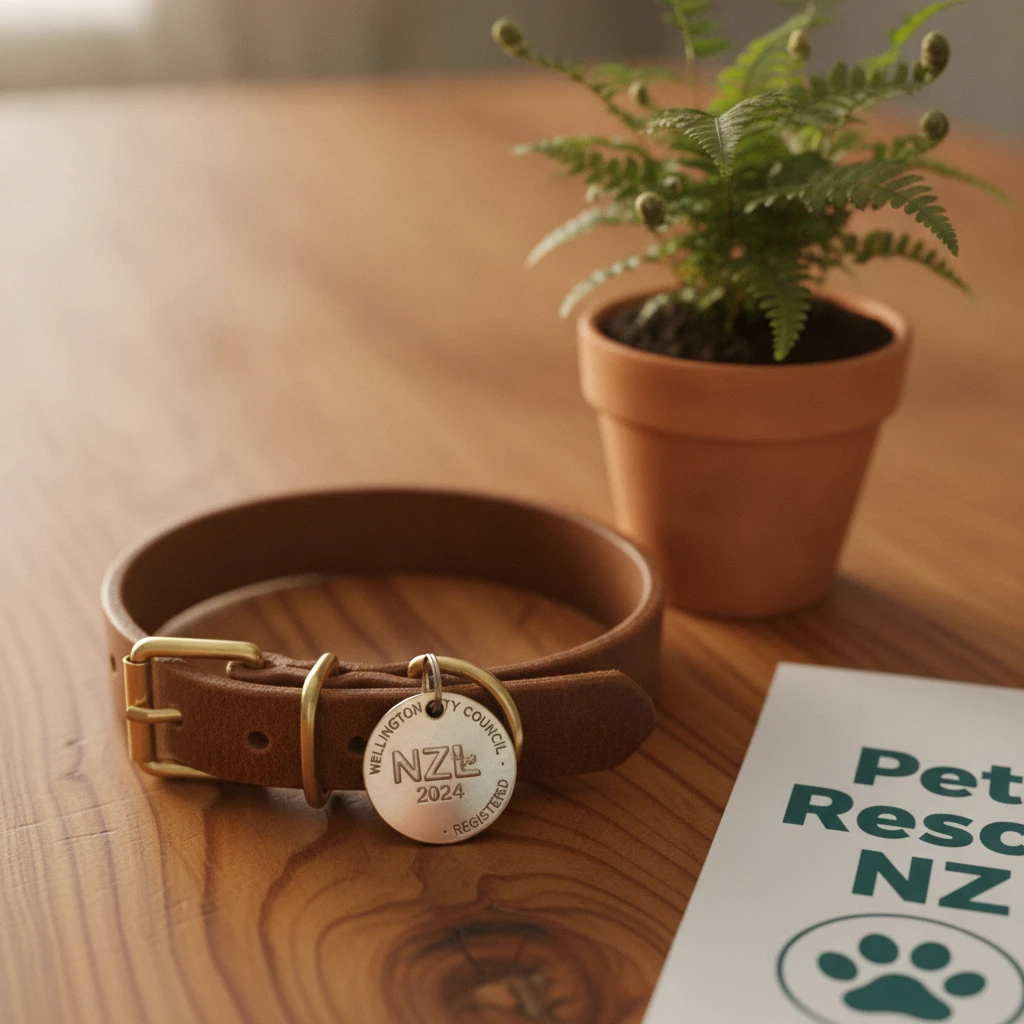
Next, you must comply with the Dog Control Act 1996. When you rehome your dog, you are legally obligated to notify your local council of the change of ownership within 14 days. If the dog is moving to a different district, you must notify both the old and new councils within six weeks.
Finally, do not forget the microchip. Council registration and the New Zealand Companion Animal Register (NZCAR) are two entirely different databases. You must log into the NZCAR and update the guardianship details so the new owner can be contacted if the dog ever gets lost.
Preparing Your Dog for Their New Family
Setting your dog up for success starts long before they meet their new family. A crucial part of rehoming your dog in NZ, essential tips for a smooth transition is ensuring they are physically and medically ready. Book a final check-up with your local vet to ensure their vaccinations are up to date and they are in good health.
Gather all their paperwork. Adopters will want to see vet records, desexing certificates, and microchip numbers. Having this information neatly organised builds immense trust and shows you are a responsible owner who genuinely cares about the dog’s future.
When writing your dog’s listing, be completely honest about their quirks. If they hate cats, pull on the lead, or get anxious during thunderstorms, say so. Transparency prevents failed adoptions.
Take clear, bright photos of your dog in their natural environment. Show them lounging on the couch, playing in the yard, or walking on the beach. Avoid blurry photos or pictures where the dog looks stressed. A warm, inviting profile is the key to attracting the right kind of Kiwi family.
How to Screen Adopters Safely
Because Pet Rescue NZ is a peer-to-peer platform, we do not conduct home checks or manually match pets. You are entirely in the driver’s seat. This gives you the ultimate power to choose the perfect home, but it also means you need to ask the right questions.
Start with a phone call. A five-minute chat will tell you more about a person’s vibe than a dozen text messages. Ask about their lifestyle, their working hours, and whether they rent or own. If they rent, politely ask to see written permission from their landlord allowing a dog on the property.
- Have they owned a dog before, and what happened to it?
- Are there young children or other pets in the home?
- How many hours a day will the dog be left alone?
- Are they financially prepared for unexpected vet bills?
Always arrange the first meeting in a neutral, public space like a local park. This reduces territorial behaviour from your dog and allows you to safely observe how the potential adopter interacts with them.
Trust your gut. You’ll know when it’s right. If something feels off, or if the adopter is rushing the process, it is completely okay to walk away. Your pet stays home until the right family says yes.
The Costs and Risks: Shelters vs. Online Platforms
When exploring your options for rehoming your dog in NZ, essential tips for a smooth transition require understanding the different pathways available. The landscape has changed dramatically, and the traditional route isn’t always the safest or most accessible anymore.
Physical shelters like the SPCA do incredible work, but they are often at capacity and may require surrender fees. On the other end of the spectrum, generic classified sites treat pets like commodities, and social media groups are entirely unmoderated.
| Rehoming Method | Stress Level for Dog | Owner Control | Platform Safety |
|---|---|---|---|
| Physical Shelters / Pounds | High (Cages, noise, unfamiliar dogs) | Zero (You surrender all rights) | High (Staff vet the adopters) |
| Facebook Groups | Low (Dog stays at home) | High (You choose the buyer) | Very Low (Unmoderated, scam-heavy) |
| Generic Classifieds (Trade Me) | Low (Dog stays at home) | High (You choose the buyer) | Low (Highly transactional) |
| Pet Rescue NZ | Zero (Direct home-to-home transfer) | Complete (You make the final call) | High (Dedicated scam awareness & reporting) |
Pet Rescue NZ offers a freemium model to remove financial barriers. You can list your dog for free on a basic 30-day listing, or upgrade to a $9.99 Featured Listing for 10x more exposure. We are a community-funded platform with no corporate agenda—just good people helping pets.
Avoiding Pet Scams in New Zealand
Unfortunately, the digital age has brought a rise in sophisticated online pet scams. In 2026, “Advance Fee” and “Phantom Puppy” scams are rampant on unmoderated platforms. Scammers prey on the emotional vulnerability of both rehomers and adopters.
As a rehomer, you need to be vigilant about who is inquiring about your dog. Be wary of adopters who refuse to meet in person, offer to send a “pet transport courier” to pick up the dog, or communicate using overly formal, generic language.
The golden rule of online pet rehoming is to never hand over your dog—or any paperwork—without meeting the adopter face-to-face first. Genuine Kiwi families will always want to meet the dog before committing.
To ensure the safety of our community, Pet Rescue NZ operates a dedicated Scam Awareness Hub. We provide structure, accountability, and highly visible reporting tools. If a message feels off, report it immediately so our moderation team can take swift action.
Ultimately, rehoming your dog in NZ, essential tips for a smooth transition all boil down to patience and care. Take a deep breath. You are making a brave, selfless decision for your pet’s future. Stick to the process, trust your instincts, and you will find them the perfect forever home.

About the Author: Sarah MacMillan
Sarah is a lead community advocate at Pet Rescue NZ. With over a decade of experience in New Zealand animal welfare, she specialises in helping Kiwi families navigate the emotional and legal complexities of home-to-home pet adoptions. She is fiercely passionate about keeping pets out of shelters and in loving homes.