Rehoming your pet responsibly in NZ involves a thoughtful process to ensure your beloved companion finds a safe, loving, and permanent new home. This definitive guide provides New Zealand pet owners with essential steps, legal considerations, and ethical practices for navigating this sensitive transition with care and integrity, focusing on your pet’s welfare.
Reasons for Rehoming a Pet
Making the decision to rehome a cherished pet is often one of the most difficult a pet owner can face. It’s rarely taken lightly and is typically a last resort after exhausting other options. Understanding the common reasons behind this decision can help destigmatize the process and encourage more responsible action rather than abandonment.
Life Changes and Circumstances
Many rehoming situations stem from unavoidable life changes. These can include significant shifts in a family’s living situation, such as moving to a new home where pets are not allowed, relocating overseas, or downsizing. Financial hardship can also play a major role, as the costs associated with pet care – food, vet bills, grooming, and insurance – can become prohibitive during tough economic times. Furthermore, the arrival of a new baby or a change in relationship status can sometimes alter household dynamics to the point where an animal’s needs can no longer be adequately met.
Pet Behavioural Issues
Sometimes, a pet’s behaviour can become unmanageable for its current owners. This might include severe separation anxiety, aggression towards other animals or people, destructive tendencies, or house-soiling problems that persist despite training efforts. While many behavioural issues can be addressed with professional help, some owners may lack the resources, time, or expertise to manage complex problems effectively, leading to the heartbreaking decision to rehome.
Allergies and Health Concerns
New or worsening allergies within the household, particularly among children, can necessitate rehoming. In other cases, an owner’s own health deteriorates, making it impossible to provide the necessary care, exercise, or attention their pet requires. This could involve physical limitations preventing walking a dog, or a chronic illness that depletes the energy needed for daily pet maintenance.
Regardless of the reason, approaching the rehoming process with honesty, empathy, and a commitment to your pet’s future well-being is paramount. New Zealand’s pet welfare organisations understand these challenges and are often equipped to offer support and guidance.
Options for Responsible Placement
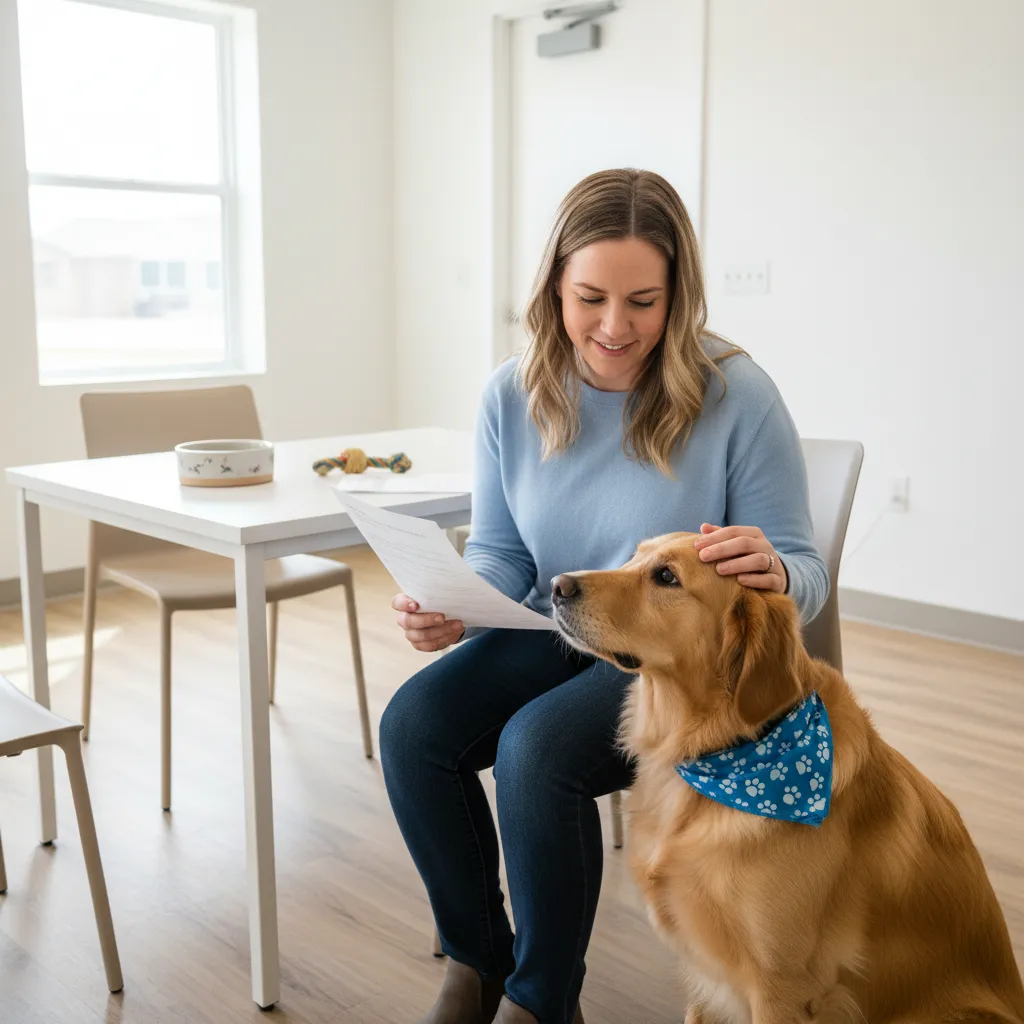
Once the decision to rehome has been made, the next critical step is to explore the most responsible and humane placement options available in New Zealand. The goal is to find a loving, permanent home that is well-suited to your pet’s individual needs and temperament.
 <
<
Working with Animal Welfare Organisations
Partnering with reputable animal welfare organisations, such as the SPCA New Zealand or local rescue groups, is often the safest and most ethical route. These organisations have extensive experience in assessing animal behaviour and health, finding suitable adopters through rigorous screening processes, and providing temporary shelter and care. They can offer invaluable advice, and many operate comprehensive rehoming programmes. While some may have waitlists or require a surrender fee, this cost is typically invested directly into your pet’s care, including veterinary checks, microchipping, desexing, and finding a new family.
It’s important to research local rescues and their policies. Many operate on a foster-based system, which can be less stressful for pets than a traditional shelter environment. Ensure any organisation you consider has a transparent process for adoption and a strong track record of successful placements.
Private Rehoming Strategies
Private rehoming, where you directly find a new owner, can be a viable option, but it requires significant due diligence on your part. This approach allows you to have more control over who adopts your pet and can be less stressful for some animals who do not adapt well to shelter environments. However, it comes with the responsibility of thoroughly screening potential adopters.
Networking and Online Platforms
Start by reaching out to your personal network – friends, family, colleagues, and veterinarians. Often, someone you know or someone they know might be looking for a pet. Social media and dedicated online pet rehoming platforms (ensure they are reputable and discourage ‘free to good home’ ads) can also be effective tools. When using online platforms, be extremely cautious and protect your privacy. Avoid disclosing your home address or meeting strangers alone.
Thorough Vetting Process
A responsible private rehoming process must include a comprehensive vetting system for potential adopters. This should involve detailed questionnaires about their living situation, pet experience, lifestyle, and willingness to provide veterinary care. Conduct multiple interviews, ask for references (e.g., from a vet or landlord if applicable), and perform a home check if possible. A crucial step is to facilitate several meet-and-greets between your pet and the prospective family, ideally in their home environment, to assess compatibility. Never rehome a pet for free; a small rehoming fee helps deter individuals with ill intentions and ensures the new owner is committed. This fee can also be donated to a local animal charity.
For further guidance on responsible pet ownership and rehoming considerations, resources like the Ministry for Primary Industries (MPI) animal welfare codes offer valuable insights into ethical treatment and legal responsibilities in New Zealand.
Preparing Your Pet for a New Home
Once you’ve identified potential rehoming avenues, preparing your pet for this transition is crucial for their well-being and successful integration into a new family. A well-prepared pet is more likely to adapt quickly and thrive in their new environment.
Health and Veterinary Checks
Before rehoming, ensure your pet is up-to-date on all vaccinations, worming, and flea treatments. A comprehensive veterinary check-up is essential to confirm they are in good health and address any underlying medical conditions. Provide all veterinary records to the new owners. If your pet is not already desexed and microchipped, these procedures are highly recommended and, in some cases (especially for dogs), legally required in New Zealand. Microchipping ensures your pet can be identified if they ever go missing, and desexing helps control pet overpopulation and can positively impact behaviour.
 <
<
Behavioural Preparation and Training
Address any minor behavioural issues as much as possible before rehoming. Basic obedience training can make a pet more appealing to potential adopters and easier to manage in a new home. Ensure your pet is well-socialised, comfortable with different people and environments, and ideally house-trained. Provide a detailed history of your pet’s habits, quirks, likes, and dislikes to the new owners. Be honest about any challenges, as transparency helps the new family be prepared and provides the best chance for a successful match. If your pet has specific anxieties or needs, communicating these openly allows the new owners to provide appropriate care.
Gathering Essential Documentation and Supplies
Compile a complete ‘pet dossier’ for the new owners. This should include:
- All veterinary records (vaccination history, desexing certificate, microchip details).
- Registration documents (especially for dogs in NZ).
- Information about their diet, feeding schedule, and any known allergies.
- A list of their favourite toys, treats, and activities.
- Details about their routine (e.g., walk times, sleep habits).
- Any behavioural notes or training tips.
Additionally, provide the new owners with a starter kit of familiar items, such as their current food, favourite blanket or bed, toys, collar, and lead. These familiar scents and objects can help ease their transition and provide comfort in a new place.
Legal & Ethical Considerations
Rehoming a pet in New Zealand comes with specific legal obligations and ethical responsibilities that every owner must uphold to ensure their animal’s welfare and a smooth transition.
Microchipping and Registration
In New Zealand, it is a legal requirement for all dogs to be microchipped and registered with their local council by three months of age or upon acquisition. This applies even if you are rehoming a dog. When rehoming, it is crucial to update the microchip registry with the new owner’s details and inform the local council of the change of ownership. Failure to do so can result in fines and legal complications for both the old and new owners. While not legally mandatory for cats, microchipping is highly recommended for all pets to aid in their return if lost. Reputable rescue organisations will typically ensure all animals they rehome are microchipped and desexed prior to adoption.
Contracts and Agreements
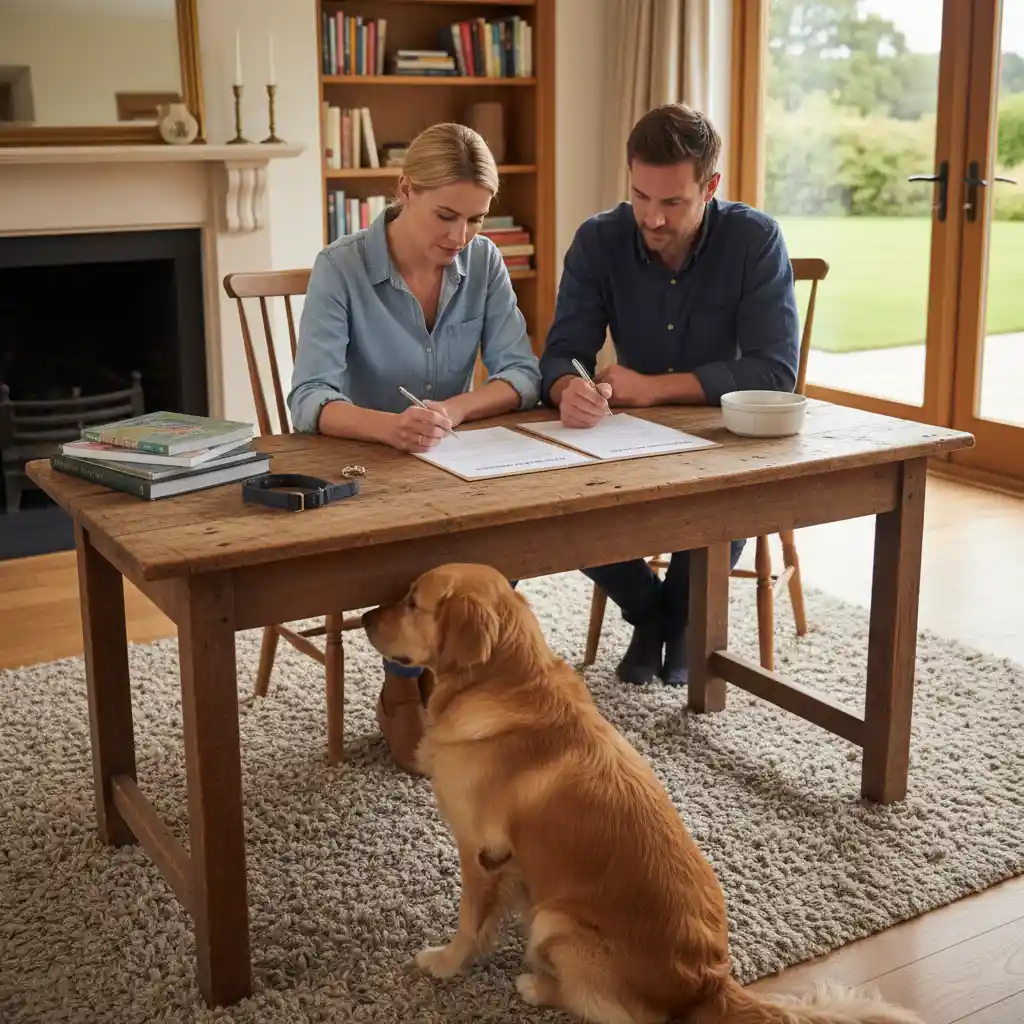
For private rehoming, drafting a rehoming agreement or contract is a wise ethical and legal safeguard. This document should clearly state the transfer of ownership, confirm the pet’s health status (to the best of your knowledge), outline any specific care requirements, and detail the rehoming fee (if applicable). It protects both parties and ensures that the new owner understands their responsibilities. Organisations like the SPCA often use comprehensive adoption contracts, which serve as an excellent template for private rehoming.
Disclosure of Information
Ethically, you are obligated to provide full and honest disclosure about your pet’s history, health, and behaviour to potential new owners. Withholding information about medical conditions, aggression, or separation anxiety, for example, is not only unethical but could lead to the pet being returned or even abandoned if the new owners are unprepared for the challenges. Transparency ensures the new owners can make an informed decision and are equipped to provide the best possible care for your pet. This includes sharing details about their diet, exercise needs, personality traits, and any known fears or triggers. A responsible new owner will appreciate your honesty and diligence.
Upholding these legal and ethical standards not only protects you but, more importantly, ensures that your beloved companion finds a safe, stable, and genuinely loving forever home in New Zealand. Responsible rehoming is a testament to your commitment to animal welfare, even when faced with difficult personal circumstances. For more in-depth information on animal welfare regulations in New Zealand, you can consult the SPCA New Zealand website.
People Also Ask
What are the first steps to rehome a pet in NZ?
The first steps involve a thorough assessment of your pet’s health and behaviour, gathering all veterinary records, and then researching reputable animal welfare organisations or preparing for a responsible private rehoming process. Honesty about your pet’s needs is crucial.
Can I rehome a pet privately in New Zealand?
Yes, private rehoming is possible, but it requires significant due diligence. You must thoroughly vet potential adopters through interviews, reference checks, and ideally a home visit to ensure a safe and loving environment. A rehoming fee is recommended to deter unsuitable individuals.
What is the role of SPCA in pet rehoming in NZ?
SPCA New Zealand plays a vital role in animal welfare and rehoming. They assess animals, provide necessary veterinary care, offer temporary shelter or foster homes, and carefully screen potential adopters to ensure suitable matches. They are a highly reputable option for responsible rehoming.
Do I need to microchip my pet before rehoming in NZ?
For dogs, microchipping and council registration are legal requirements in NZ. While not legally mandatory for cats, microchipping all pets is highly recommended before rehoming. It ensures identification and helps track changes of ownership, protecting your pet.
What are the legal responsibilities when rehoming a dog in NZ?
When rehoming a dog in NZ, you are legally responsible for updating the microchip registry with the new owner’s details and informing your local council of the change of ownership. Ensuring the dog is registered and microchipped is paramount for compliance with the Dog Control Act.
How can I ensure my rehomed pet goes to a good home?
To ensure a good home, thoroughly vet all potential adopters. This includes detailed questionnaires, multiple interviews, checking references (e.g., vet, landlord), and conducting home visits. Be transparent about your pet’s history, and use a rehoming contract to formalise the process.