To adopt a senior dog in NZ involves choosing a canine companion typically over the age of seven from reputable organizations like the SPCA or HUHA. These “golden oldies” offer a calmer lifestyle, often come pre-trained, and provide immense emotional rewards for owners willing to manage age-related health needs.
Adopting a pet is a transformative experience, but there is a special kind of magic reserved for those who choose to bring a senior dog into their lives. In New Zealand, shelters and rescue centers are frequently populated with older dogs who have been surrendered due to owner illness, housing crises, or changing family circumstances. These animals, often overlooked in favor of puppies, possess a dignity and gratitude that is unmatched. This guide provides a comprehensive look at the benefits, care requirements, and profound joy of adopting a senior dog in Aotearoa.
Why Adopt a Senior Dog in NZ?
When you browse the listings of New Zealand rescue organizations, you will often see the term “Golden Oldie.” These are dogs generally aged seven and older. While the definition of “senior” varies by breed—giant breeds age faster than smaller ones—the sentiment remains the same. Adopting a senior dog is an act of compassion, but it is also a practical decision for many Kiwi households.
New Zealand’s lifestyle is diverse, ranging from active outdoor adventures to relaxed urban living. Senior dogs often fit perfectly into the latter category. They are typically past the high-energy destruction phase of puppyhood and are looking for a comfortable bed and a gentle walk rather than a marathon run. By choosing to adopt a senior dog in NZ, you are saving a life that is statistically less likely to be adopted, providing a soft landing for a creature that has likely known the comfort of a home before.
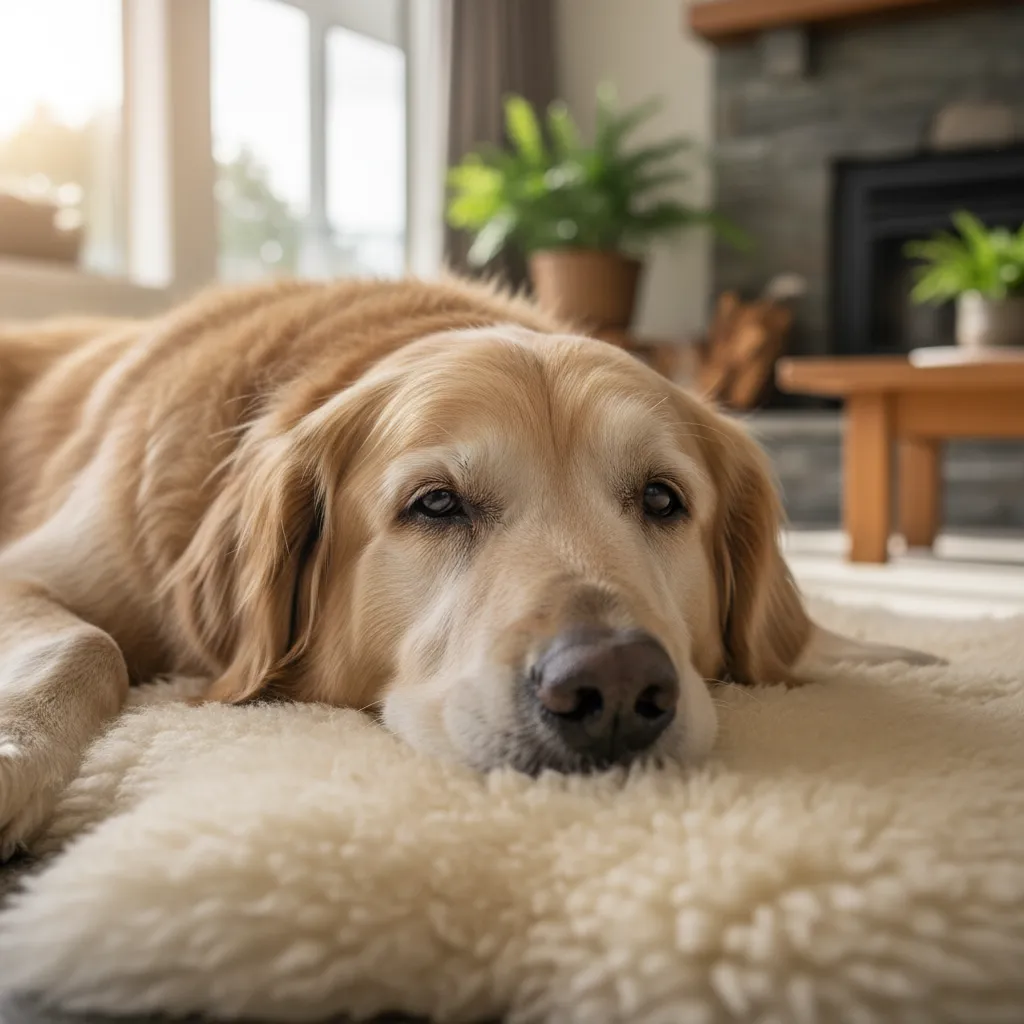
The Distinct Advantages of Older Pets
There are numerous tangible benefits to adopting an older animal. While puppies are adorable, they require a significant investment of time, patience, and training energy that many working professionals or retirees simply do not have.
What You See Is What You Get
With a senior dog, their personality is fully developed. You don’t have to guess how big they will grow or what their temperament will be like. If you are looking for a calm lap dog or a steady walking companion, a senior dog’s foster carer can tell you exactly who that dog is. This transparency significantly reduces the risk of mismatching a dog to your lifestyle.
Training and House Manners
Most senior dogs available for adoption have lived in homes previously. This means they are often already house-trained, understand basic commands like “sit” and “stay,” and know what “no” means. They are less likely to chew on furniture or shoes, a common grievance with puppies. This pre-installed training allows for a much smoother transition into your home, letting you focus on bonding rather than basic discipline.
Lower Exercise Requirements
While senior dogs still need daily exercise to maintain muscle mass and mental health, they do not require the intense physical activity that young dogs do. A gentle stroll through the local reserve or a wander along a New Zealand beach is usually sufficient. This makes them ideal companions for seniors, people with limited mobility, or busy professionals who cannot commit to hours of exercise every day.
Preparing Your Home for a Golden Oldie
Bringing a senior dog home requires some specific environmental adjustments to ensure their comfort and safety. As dogs age, their sensory perception and mobility may decline, so your home setup should accommodate these changes.
Flooring and Traction
Slippery floors (like polished timber or tiles) can be a nightmare for arthritic dogs. They struggle to grip, which can lead to slips, falls, and a loss of confidence. Placing non-slip rugs or yoga mats in high-traffic areas and near food bowls can make a world of difference. This simple adjustment helps prevent injury and reduces joint strain.
Accessibility
If your home has stairs, consider whether your new companion can navigate them safely. You may need to install ramps for car access or to help them get onto the couch if they are allowed. Elevated food and water bowls can also reduce the strain on their neck and shoulders while eating, making mealtime more comfortable.
Common Health Needs for Senior Animals
It is important to be realistic about the health implications of adopting a senior dog. Aging is a natural process, and with it comes a higher likelihood of certain medical conditions. However, with modern veterinary care, many of these issues can be managed effectively to ensure a high quality of life.
Mobility and Arthritis Management
Osteoarthritis is the most common ailment in senior dogs, particularly in New Zealand’s damper climate during winter. You might notice stiffness when rising, a reluctance to jump, or a slowing down on walks. Management is multifaceted:
- Weight Management: Keeping your dog at a healthy weight is the single most effective way to manage arthritis.
- Supplements: Glucosamine, chondroitin, and Omega-3 fatty acids (fish oil) support joint health.
- Medication: Non-steroidal anti-inflammatory drugs (NSAIDs) prescribed by your vet can provide immense relief from pain.
Dental Disease
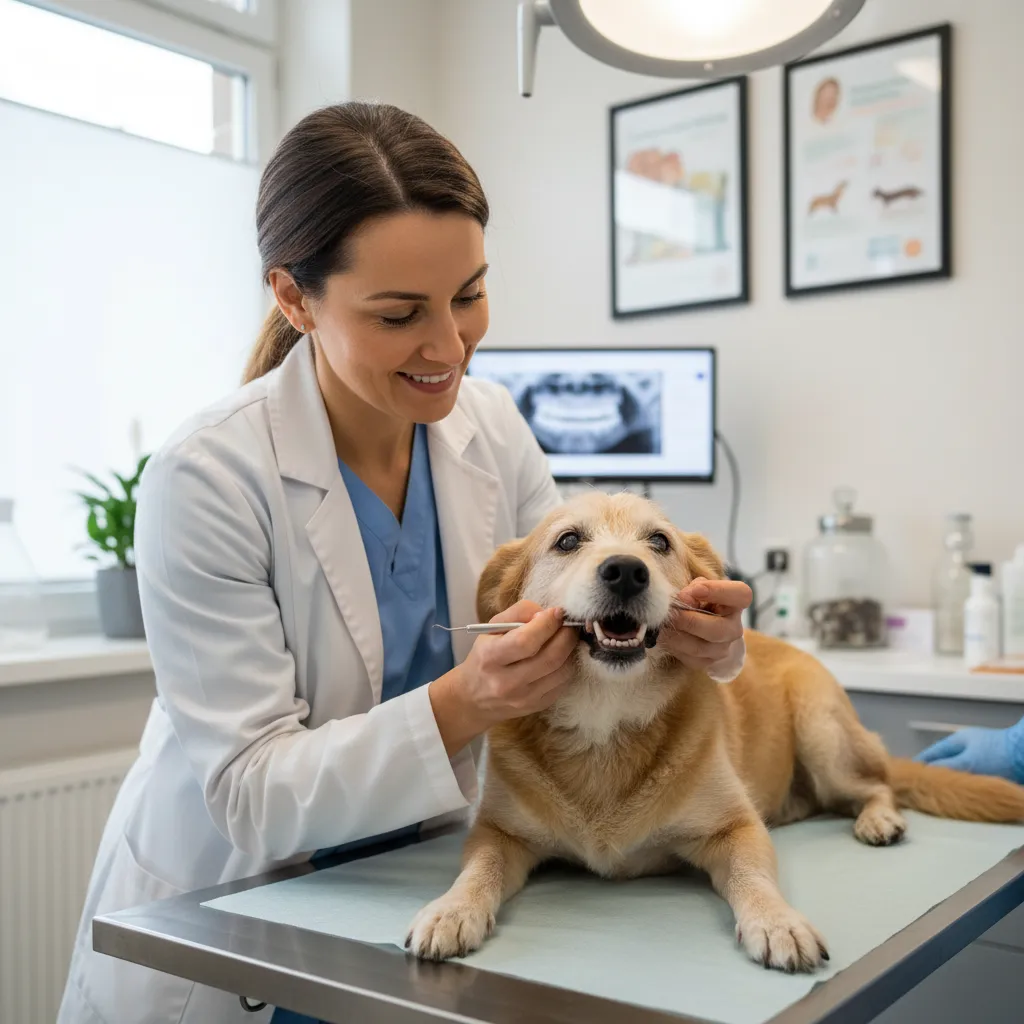
Dental health is often a window into the overall health of a senior dog. Years of plaque buildup can lead to gingivitis, tooth decay, and infections that can spread to the heart and kidneys. When adopting, ask for a dental assessment. Many rescue organizations will perform a dental scale and polish (and extractions if necessary) before adoption, but ongoing care like brushing or dental chews will be your responsibility.
Sensory Decline
Many older dogs experience a decline in vision (nuclear sclerosis or cataracts) and hearing. This doesn’t mean they cannot live happy lives; it just means you need to communicate differently. Hand signals can replace voice commands for deaf dogs, and keeping furniture in consistent places helps blind dogs navigate their environment safely.
Palliative Care and Quality of Life
One of the emotional hurdles of adopting a senior dog is the knowledge that your time together may be shorter than with a puppy. However, this time is often incredibly high-quality. Palliative care in veterinary medicine has advanced significantly, focusing on comfort rather than cure for chronic conditions.
The goal is to maintain a good “Quality of Life” (QoL). Tools like the HHHHHMM Scale (Hurt, Hunger, Hydration, Hygiene, Happiness, Mobility, More good days than bad) help owners objectively assess how their pet is doing. In New Zealand, many veterinary clinics offer hospice-style consultations to help you manage your pet’s comfort at home.
According to the SPCA New Zealand, making decisions about end-of-life care is one of the hardest parts of pet ownership, but it is also the final act of love. Adopting a senior dog means you agree to be there for them during their twilight years, ensuring they are loved, warm, and pain-free until the very end.
Success Stories of Senior Adoptions
The narrative that senior dogs are “problem dogs” is rapidly changing thanks to countless success stories across New Zealand. Take the story of “Barnaby,” a 12-year-old Spaniel mix adopted from a Christchurch shelter. His new owners were looking for a companion who wouldn’t mind their smaller apartment. Barnaby not only settled in within 24 hours but also became a local celebrity at the nearby retirement village where he serves as an unofficial therapy dog.
Then there is “Tess,” a 10-year-old Labrador adopted by a young couple in Wellington. They were worried about the financial commitment, but they found that Tess’s calm demeanor helped them slow down their own frantic lives. Tess required thyroid medication, but the couple viewed this as a small price to pay for the unconditional love and greeting they received every time they walked through the door.

Where to Find Senior Dogs in New Zealand
If you are ready to open your heart and home to a senior dog, there are several avenues to explore in New Zealand. It is crucial to adopt from ethical sources that prioritize animal welfare.
SPCA New Zealand
The SPCA is the largest animal welfare organization in the country. They frequently have older dogs available for adoption across their various centers. Their “Golden Oldies” often have reduced adoption fees to encourage people to take them home.
HUHA (Helping You Help Animals)
HUHA is a leading no-kill shelter in NZ that does incredible work, often taking in animals that other organizations cannot. They frequently care for older dogs and ensure they receive necessary medical treatment before finding them forever homes.
Breed-Specific Rescues
Many breed-specific clubs (like Greyhound Racing rescue groups or Labrador clubs) have rehoming programs. Retired working dogs or show dogs often need retirement homes. These organizations are excellent resources as they know the specific needs of the breed intimately.
For more information on the responsibilities of dog ownership in New Zealand, including registration and microchipping, you can refer to the Department of Internal Affairs dog control section.
Frequently Asked Questions
Is it expensive to insure a senior dog in NZ?
Yes, pet insurance premiums typically increase as a dog ages, and some insurers in New Zealand may not offer new policies for dogs over a certain age (often 7 or 9 years). Pre-existing conditions are generally excluded. However, some companies offer accident-only cover or specialized senior plans. It is worth comparing quotes or setting aside a savings buffer for veterinary costs.
What is considered a senior dog age?
Generally, a dog is considered senior when they reach the last 25% of their expected lifespan. For small breeds, this might be 10-12 years old, while for giant breeds, “senior” status can begin as early as 6 or 7 years old. In New Zealand adoption contexts, dogs aged 7+ are usually categorized as seniors.
Can you teach a senior dog new tricks?
Absolutely. The old adage “you can’t teach an old dog new tricks” is a myth. Senior dogs are often more focused and less distracted than puppies. With positive reinforcement and patience, older dogs can learn new cues, brain games, and routines effectively.
What should I feed a senior dog?
Senior dogs often require diets lower in calories (to prevent obesity due to lower activity) but higher in fiber and quality protein. Many premium dog food brands in NZ offer “Senior” or “Mature” formulas that include joint support supplements like glucosamine and are easier to digest.
Do senior dogs get along with other pets?
This depends entirely on the individual dog’s history and temperament. Many senior dogs are excellent with other pets because they have lower energy and are less likely to pester other animals. However, some may be set in their ways or have pain that makes them grumpy if bumped. Always conduct a supervised “meet and greet” before adoption.
How do I help a senior dog adjust to a new home?
Patience is key. Give them a quiet, warm space of their own. Stick to a consistent routine for feeding and toileting to build security. Avoid overwhelming them with too many visitors initially. Let them approach you for affection at their own pace.