Senior pet health in New Zealand encompasses a dedicated approach to caring for aging companion animals, focusing on preventative care, early detection of age-related conditions, and enhancing their overall quality of life. This involves understanding common geriatric issues, adapting nutrition and exercise, managing pain, and modifying their living environment to ensure comfort and well-being as they enter their golden years.
Common Health Issues in Senior Pets
As our beloved pets age, they become more susceptible to a range of health issues that can impact their comfort and vitality. Recognizing these common conditions early is crucial for effective management and maintaining their quality of life. Regular veterinary check-ups in New Zealand are key to identifying these issues before they become severe.
Arthritis and Joint Problems
Osteoarthritis is one of the most prevalent conditions in senior pets, affecting their joints and leading to pain, stiffness, and reduced mobility. You might notice your dog struggling to get up, hesitating before jumping, or your cat becoming less agile. Management includes anti-inflammatory medications, joint supplements, physical therapy, and environmental modifications.
Dental Disease
Periodontal disease is rampant in older pets, often going unnoticed until severe. Plaque and tartar buildup lead to gum inflammation, pain, tooth loss, and can even contribute to systemic health issues affecting the heart, kidneys, and liver. Regular dental check-ups, professional cleanings under anaesthesia, and at-home dental care are vital for senior pet health.
Kidney Disease
Chronic kidney disease (CKD) is a common and progressive condition in older pets, particularly cats. Symptoms include increased thirst and urination, weight loss, and lethargy. Early diagnosis through blood and urine tests allows for dietary management, fluid therapy, and medications to slow progression and improve comfort. You can learn more about chronic kidney disease on Wikipedia, which outlines the general condition often seen in both humans and animals.
Heart Conditions
Heart disease, such as degenerative valve disease in dogs or hypertrophic cardiomyopathy in cats, can become more common with age. Symptoms may include coughing, difficulty breathing, reduced exercise tolerance, and fainting. Veterinary cardiologists in New Zealand can diagnose these conditions and prescribe medications to manage symptoms and improve heart function.
Cognitive Dysfunction Syndrome (CDS)
Often compared to Alzheimer’s in humans, CDS affects a pet’s brain function, leading to changes in behaviour such as disorientation, altered sleep-wake cycles, house soiling, and reduced interaction. While there’s no cure, certain medications, dietary supplements, and environmental enrichment can help manage symptoms and slow progression.
Cancer
The risk of various cancers increases significantly with age in pets. Lumps, unexplained weight loss, lethargy, loss of appetite, and lameness can all be signs. Early detection through regular veterinary exams and vigilance from owners is paramount, allowing for more treatment options and better prognoses.
Vision and Hearing Loss
Just like humans, pets can experience cataracts, glaucoma, and general vision deterioration, as well as reduced hearing, as they age. While these aren’t always painful, they can impact a pet’s ability to navigate and interact. Adapting the home environment and maintaining consistent routines can help pets cope with sensory loss.

Nutrition & Exercise for Older Animals
Maintaining optimal nutrition and appropriate exercise is fundamental to supporting the health and well-being of senior pets in New Zealand. Their metabolic rates, activity levels, and nutrient requirements change with age, necessitating adjustments to their diet and routine.
Tailoring Dietary Needs
Senior pet diets are typically formulated with fewer calories to prevent obesity, higher quality protein for muscle maintenance, and often include supplements like omega-3 fatty acids for joint health and antioxidants for cognitive support. Consult your New Zealand vet to select a diet appropriate for your pet’s specific health profile, whether it’s a commercial senior diet or a prescription formula for specific conditions.
Hydration is Key
Older pets are more prone to dehydration due to various factors, including reduced thirst drive or underlying kidney issues. Ensuring constant access to fresh water is crucial. Consider using multiple water bowls, pet fountains, or adding wet food to their diet to increase water intake.
Maintaining Appropriate Weight
Both obesity and underweight conditions can exacerbate age-related health problems. Obesity places extra strain on joints and organs, while being underweight can indicate underlying illness or insufficient calorie intake. Regular weight monitoring and dietary adjustments are essential to keep your senior pet at an ideal body condition score.
Gentle Exercise Routines
While strenuous activity may be a thing of the past, regular, gentle exercise is still vital for senior pets. Short, frequent walks for dogs, or interactive play sessions with toys for cats, help maintain muscle mass, joint flexibility, and cognitive function without overexertion. Always monitor your pet for signs of fatigue or discomfort.
Importance of Regular Vet Checks
Your vet in New Zealand can provide personalised advice on diet and exercise based on your pet’s breed, age, and health status. Regular check-ups allow for adjustments to be made as your pet’s needs evolve, ensuring their nutritional and physical requirements are consistently met.
Pain Management & Comfort Care
Pain is often a silent struggle for senior pets. Learning to recognise subtle signs and implementing effective pain management strategies can dramatically improve their quality of life. A holistic approach, combining veterinary treatment with comfort measures at home, is often most effective for our aging companions in New Zealand.
Recognizing Signs of Pain
Pets are masters at hiding pain, but common indicators include reluctance to move, limping, changes in gait, reduced appetite, increased irritability, excessive licking of a particular area, or withdrawal. A change in behaviour is often the most telling sign. If you observe any such changes, a veterinary consultation is warranted.
Veterinary Interventions
Your vet can prescribe a range of medications to manage pain, including non-steroidal anti-inflammatory drugs (NSAIDs), gabapentin, or other analgesics. These are often used in conjunction with other therapies. Regular blood tests are important when pets are on long-term medication to monitor organ function.
Complementary Therapies
Beyond pharmaceuticals, many complementary therapies can provide significant relief. These include acupuncture, hydrotherapy, laser therapy, chiropractic adjustments, and massage. Discuss these options with your veterinarian to determine if they are suitable additions to your pet’s pain management plan.
The Role of Palliative Care
When conditions become advanced or irreversible, palliative care focuses on comfort and pain relief rather than a cure. This approach aims to provide the best possible quality of life for your pet during their final months or weeks, ensuring they remain comfortable and cherished.
Making Environmental Adjustments
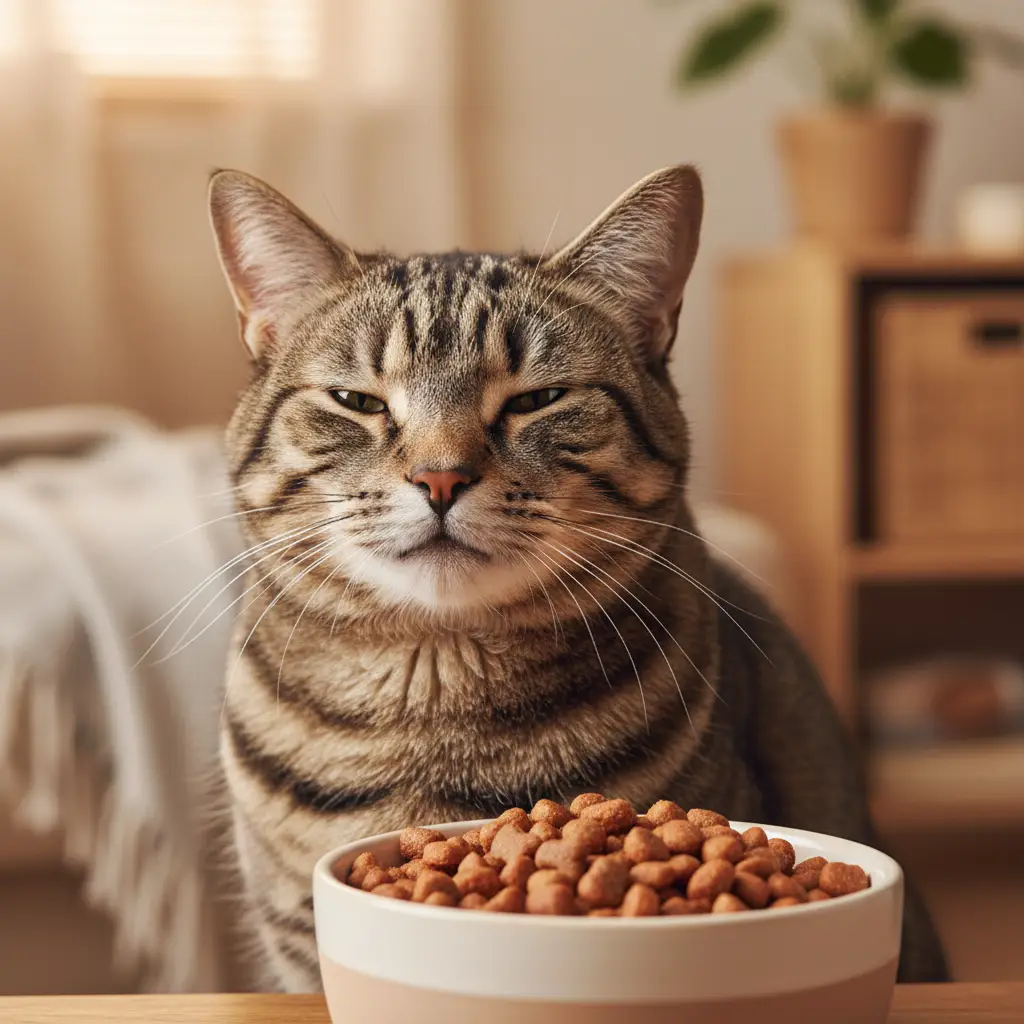
Adapting your home environment to meet the changing needs of your senior pet can significantly enhance their safety, comfort, and independence. Simple modifications can make a world of difference for pets facing mobility issues, sensory loss, or cognitive decline.
Creating a Safe & Accessible Home
Provide orthopedic beds for joint support. Use non-slip rugs on slippery floors to prevent falls. Ramps or pet stairs can help them access favourite furniture or cars without straining. Block off dangerous areas and ensure all pathways are clear of obstacles, especially for pets with vision impairment.
Temperature Regulation
Older pets may struggle to regulate their body temperature. Ensure they have access to warm, draft-free sleeping areas in winter and cool, shaded spots in summer. Heated beds can be particularly comforting for pets with arthritis, while cooling mats can prevent overheating.
Enrichment and Mental Stimulation
Despite physical limitations, senior pets still need mental engagement. Provide puzzle toys, gentle play sessions, or short training exercises using positive reinforcement. This helps keep their minds active, reduces boredom, and can mitigate symptoms of cognitive dysfunction.
Grooming and Hygiene
Older pets may find it difficult to groom themselves effectively. Regular brushing helps prevent matting, stimulates circulation, and allows you to check for lumps or skin issues. Regular nail trims are essential to prevent discomfort and mobility problems. Keep their sleeping areas clean and ensure easy access to litter trays for cats.
The Role of Regular Veterinary Care in New Zealand
Proactive and consistent veterinary care is the cornerstone of effective senior pet health management. In New Zealand, regular check-ups with your trusted local veterinarian are indispensable for early detection, prevention, and ongoing management of age-related conditions, significantly extending both the lifespan and quality of life for your pet.
Biannual Check-ups
While annual check-ups suffice for younger animals, senior pets benefit greatly from veterinary visits every six months. This increased frequency allows for earlier detection of subtle changes that could indicate emerging health issues, enabling prompt intervention and management before conditions become advanced.
Diagnostic Screening
Routine diagnostic tests, such as blood work (complete blood count, biochemistry panel), urinalysis, and sometimes blood pressure measurements, are critical components of senior pet check-ups. These screenings can uncover underlying conditions like kidney disease, liver dysfunction, diabetes, or thyroid issues even before outward symptoms appear, allowing for timely treatment. The New Zealand Veterinary Association (NZVA) advocates for comprehensive care, highlighting the importance of such diagnostic tools.
Vaccinations and Parasite Control
Maintaining appropriate vaccination schedules and effective parasite control remains important for senior pets, though protocols may be adjusted based on lifestyle and health status. Your vet will recommend a tailored plan to protect your aging companion from preventable diseases and infestations without over-vaccinating.

Emotional Support for Senior Pets and Their Owners
As pets age, their emotional needs and behaviours can change, and so too does the emotional journey for their human companions. Providing consistent love, understanding, and support during these golden years is as important as physical care, acknowledging the deep bond shared in the New Zealand pet-owning community.
Understanding Behavioral Changes
Aging can bring about changes in personality and behaviour, from increased anxiety and vocalisation to withdrawal or house-soiling. These changes can be signs of pain, cognitive decline, or other medical issues. Consult your vet to rule out medical causes, and then consider strategies like maintaining routine, providing a calm environment, and using calming aids if appropriate.
Cherishing Every Moment
The time we have with our senior pets is precious. Make an effort to create special moments, whether it’s gentle cuddles, a favourite treat, or a quiet walk. Focus on their comfort and happiness, celebrating the bond you share. Capturing memories through photos or simply being present can be incredibly rewarding.
When to Consider End-of-Life Care
Making decisions about end-of-life care is one of the hardest parts of pet ownership. Your veterinarian can guide you through this difficult process, discussing quality of life assessments, palliative care options, and humane euthanasia when the time comes. Resources like Pet Rescue NZ often provide support and advice during these challenging times, emphasizing the importance of compassion and peace for your beloved companion.
People Also Ask
What are the first signs of aging in pets?
The first signs of aging in pets often include subtle changes in activity levels, such as sleeping more or being slower to rise. You might also notice a decreased interest in play, minor weight fluctuations, a duller coat, or bad breath indicating dental issues. Changes in thirst, urination, or occasional stiffness after rest are also common initial indicators.
How often should a senior pet visit the vet in NZ?
For senior pets in New Zealand, it’s generally recommended to have veterinary check-ups every six months. This allows for earlier detection of age-related conditions, proactive management of chronic diseases, and timely adjustments to care plans, ultimately leading to a better quality of life and potentially a longer lifespan.
What kind of diet is best for an older dog or cat in New Zealand?
The best diet for an older dog or cat in New Zealand is typically a high-quality senior-specific formula that is lower in calories to prevent weight gain, provides easily digestible proteins for muscle maintenance, and often includes joint-supporting nutrients like glucosamine and omega-3 fatty acids. Consult your local NZ vet for a recommendation tailored to your pet’s specific health needs.
Can old pets still learn new tricks or engage in play?
Yes, old pets can absolutely still learn new tricks and engage in play! While their physical capabilities might be reduced, mental stimulation is crucial for cognitive health. Keep play sessions short, gentle, and positive. Learning simple new commands or engaging with puzzle toys can keep their minds sharp and their spirits high.
How can I make my home more comfortable for a senior pet?
To make your home more comfortable for a senior pet, provide orthopedic bedding for joint support, use non-slip rugs on smooth floors, and consider ramps or stairs for accessing furniture. Ensure easy access to food, water, and litter boxes (for cats). Maintain a consistent, calm environment and manage temperature to prevent discomfort from heat or cold.
What is the average lifespan of common senior pets in NZ?
The average lifespan of common senior pets in New Zealand varies by species and breed. For dogs, small breeds often live 12-15+ years, while large breeds may live 8-12 years. Cats generally live 15-20 years, with many exceeding 20 years with good care. These are averages, and individual pets can live longer or shorter depending on genetics, health, and care.