Safe pet handover tips involve meticulously planning the transfer by selecting a neutral, quiet location and providing a comprehensive care package containing the animal’s medical records, familiar bedding, and current food. To minimize trauma, owners must maintain a calm demeanor, utilize scent-swapping techniques prior to the meeting, and establish clear communication boundaries with the new family to facilitate a stress-free adjustment period.
Rehoming a beloved pet is one of the most emotionally complex decisions a pet owner can face. In the landscape of New Zealand’s home-to-home rehoming, the focus has shifted significantly toward ethical, owner-driven processes that prioritize the animal’s welfare over convenience. Unlike surrendering a pet to a shelter, which can be disorienting and stressful, a direct handover allows for a controlled, compassionate transition. This guide serves as an educational bridge, ensuring that when the time comes to say goodbye, you are equipped with the knowledge to make the process as smooth and trauma-free as possible.

Choosing the Right Location and Time
The physical environment where the handover takes place sets the tone for the entire relationship between the pet and their new family. Animals are highly sensitive to their surroundings, and the wrong location can trigger fight-or-flight responses that make the transition difficult.
The Neutral Ground Strategy
For dogs, meeting on neutral territory is often the most effective strategy. A quiet park or a low-traffic walking trail allows the dog to meet the new owner without the territorial instinct to protect their home. This reduces barrier frustration and allows the dog to associate the new person with a positive, interesting activity like a walk.
For cats, however, the strategy differs. Cats are territorial and generally feel safest in familiar environments. A handover at the current home is often best, provided the new owners are calm and allow the cat to approach them. If a neutral location is required for safety or privacy reasons, ensure the cat is secure in a comfortable, covered carrier to minimize visual overstimulation.
Timing is Everything
The time of day and the day of the week are critical variables. Ideally, schedule the handover for a weekend or a time when the new owners have several days off work. This allows them to be present during the critical first 48 to 72 hours, helping the pet settle in without being left alone immediately.
Avoid rushing the process. A handover should never be squeezed into a lunch break or late at night. Daylight hours are preferable, as they allow for better visibility of body language and a less intimidating atmosphere. Ensure both parties have allocated at least an hour for the exchange, allowing for a thorough conversation and a slow, unhurried goodbye.
The Art of the Introduction: First Impressions Matter
A safe handover is not just about the physical exchange; it is about the psychological transfer of trust. Animals look to their current guardians for cues on how to react to new situations. If you project anxiety or grief, your pet will mirror those emotions.
Scent Swapping Before the Meeting
One of the most powerful yet underutilized safe pet handover tips is scent swapping. Before the final handover, exchange an item of clothing or a blanket between households. Give the new owner a blanket your pet sleeps on, and ask them for an unwashed t-shirt they have worn.
Place the new owner’s scent near your pet’s food bowl or sleeping area. This creates a positive association with the new person’s smell before they even meet. By the time the handover occurs, the new owner will smell familiar and safe, significantly lowering the animal’s stress levels.
Managing Body Language
During the handover, maintain a relaxed posture. Avoid tight leashes or forced interactions. Let the pet initiate contact with the new family. If you are rehoming a dog, taking a parallel walk—where the current and new owners walk side-by-side without forcing the dogs to interact immediately—is an excellent icebreaker.
For cats, placing the carrier in a quiet room and allowing the new owner to sit nearby and speak softly helps bridge the gap. Treats and toys can be used as social lubricants, but they should be offered gently, not forced.
The Essential Care Package: Belongings and Information
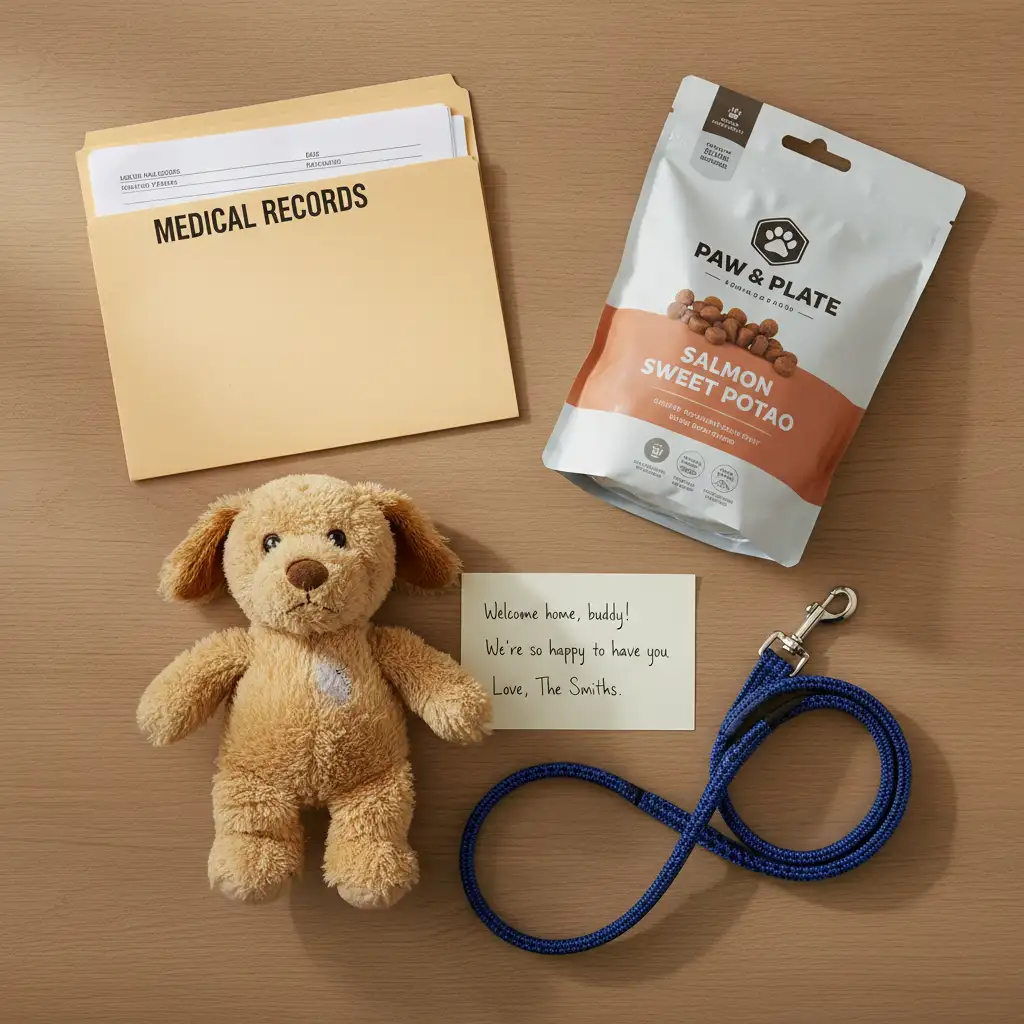
To ensure a seamless transition, the pet should not arrive at their new home empty-handed. A well-prepared “Go-Bag” is essential for maintaining continuity and comfort.
The “Go-Bag” Essentials
Your pet’s care package should include physical items that smell like home. Do not wash their favorite blanket or bed before the handover; the familiar scent is a crucial anchor during the first few nights in a strange environment. Include:
- Food Supply: Provide at least two weeks’ worth of their current food. Sudden diet changes combined with stress can cause severe gastrointestinal distress.
- Favorite Toys: Include their preferred chew toys or comfort plushies.
- Litter or Bedding: For cats, a small amount of used litter can help them identify their new bathroom area quickly.
The “User Manual”
Every pet has quirks, habits, and preferences that aren’t captured in medical records. Write a comprehensive document detailing:
- Daily Routine: Feeding times, walk schedules, and sleep habits.
- Behavioral Quirks: Are they afraid of thunderstorms? Do they hate the vacuum cleaner? Do they have a specific spot they like to be scratched?
- Commands: List the specific words and hand signals the pet knows to avoid confusion.
Medical and Legal Documentation
In New Zealand, responsible pet ownership involves proper registration. You must provide all vaccination records, desexing certificates, and medical history. Crucially, you must arrange for the transfer of the microchip details.
You should initiate the transfer of ownership on the New Zealand Companion Animal Register (NZCAR). This ensures that if the pet escapes during the transition—a common occurrence due to confusion—they can be reunited with the new owner immediately.
Managing Emotional Aspects for Pet and Owner
The emotional weight of rehoming falls heavily on both the human and the animal. Acknowledging this is vital for a safe handover.
For the Current Owner
It is normal to feel a mix of relief, guilt, and profound sadness. However, during the handover, you must be the calm leader your pet needs. Tears and prolonged, emotional goodbyes can confuse the animal and make them think something is wrong. Say your private goodbyes at home before you leave. At the handover, keep the tone upbeat and positive.
For the Pet: The Decompression Phase
Animals do not understand the concept of “rehoming.” They only know their environment has changed. It is common for pets to experience anxiety, loss of appetite, or regression in toilet training during the first few days.
The new owners should be educated on the “Rule of Three” (3 days to decompress, 3 weeks to learn the routine, 3 months to feel at home). Providing the new owners with resources from reputable organizations like SPCA New Zealand can help them understand these behavioral milestones and manage expectations.
Post-Handover Communication and The Transition Period
The relationship doesn’t end the second the leash is handed over. However, boundaries are necessary to allow the pet to bond with their new family.
The “No-Contact” Adjustment Period
While it is tempting to visit the pet immediately, this can be detrimental. Seeing their old owner can reset the settling-in process and cause renewed separation anxiety. It is generally recommended to avoid physical visits for at least 4 to 6 weeks.
Structured Updates
Agree on a communication schedule beforehand to avoid anxiety on both sides. For example, the new owner might agree to send a text update and a photo once a day for the first three days, then once a week for the first month. This provides the previous owner with peace of mind without intruding on the new family’s privacy.
The Trial Period
In the world of ethical home-to-home rehoming, a trial period is a safety net. Agreeing to a two-week trial period ensures that if the match is truly not right (e.g., the resident dog attacks the new dog, or severe allergies develop), the pet can return to safety rather than being surrendered to a shelter. This agreement should be written down and signed by both parties to ensure the pet’s safety is the ultimate priority.
By following these safe pet handover tips, you are advocating for your pet one last time, ensuring their journey to a new life is paved with comfort, familiarity, and love.
Frequently Asked Questions
What should I pack in my pet’s rehoming bag?
A rehoming bag should include at least two weeks of current food, unwashed bedding (for familiar scent), favorite toys, all medical records, vaccination certificates, and a written guide detailing the pet’s routine, habits, and commands.
How long does it take for a rehomed pet to settle in?
Most experts refer to the “3-3-3 Rule”: 3 days to decompress (often hiding or sleeping), 3 weeks to learn the new routine, and 3 months to feel completely at home and build trust with the new family.
Should I visit my pet after rehoming them?
It is best to avoid visiting for at least 4 to 6 weeks. Early visits can confuse the pet, trigger separation anxiety, and hinder the bonding process with the new owner. Stick to photo updates initially.
Where is the best place to hand over a dog?
A neutral location, such as a quiet park or walking trail, is best for dogs. This prevents territorial behavior and allows the dog to associate the new owner with a neutral, positive experience rather than the loss of their home.
How do I transfer my pet’s microchip in New Zealand?
In New Zealand, you should log into your account on the New Zealand Companion Animal Register (NZCAR) and initiate a transfer of ownership. The new owner will then need to accept the transfer to update their contact details.
What if the rehoming doesn’t work out?
Ethical rehoming should include a written agreement for a trial period (usually 2-4 weeks). If the placement fails during this time, the previous owner agrees to take the pet back to avoid the animal entering the shelter system.