
Urgent Help: Professional Behaviour Support for Dogs in NZ
Living with a dog that has severe behavioural issues is exhausting. You love them, but you are constantly on edge. Every walk feels like a military operation, and every time the doorbell rings, your heart sinks.
Life changes. We get it. Sometimes, despite your absolute best efforts, the situation becomes unmanageable and unsafe for your family. In 2026, the New Zealand pet welfare sector is buckling under a severe cost-of-living crisis, making professional help harder to access.
If you are desperately searching for urgent help with professional behaviour support for dogs in NZ, please know that you are not alone. There is no judgment here. We are just good people trying to find the best possible outcome for you and your dog.
Key Takeaways
If you need urgent help with professional behaviour support for dogs in NZ, start by consulting a certified veterinary behaviourist to rule out medical triggers. If specialist costs are unaffordable and rehoming becomes necessary, use a safe, home-to-home platform to bypass overcrowded shelters and ensure zero cage time.
The Reality of Dog Behaviour Issues in Aotearoa
Right now, Kiwi families are facing a perfect storm. The financial squeeze is very real, and it is directly impacting the welfare of our pets. Recent data shows that 1 in 6 NZ pet owners have considered rehoming their dog in the last year due to financial strain alone.
When you add complex behavioural issues to that mix, the pressure becomes overwhelming. Many common dog behaviour problems, like jumping up or pulling on the lead, can be fixed with basic consistency. But severe issues—like reactivity, resource guarding, or crippling separation anxiety—require serious intervention.
Basic obedience training teaches your dog commands. Behaviour modification changes the emotional response behind your dog’s actions. If your dog is acting out of deep-seated fear, a standard obedience trainer might not be enough.
The 2026 Shelter Crisis
Institutional shelters across the country are completely overwhelmed. In Auckland alone, recent 2025/2026 figures show the council impounded over 12,000 dogs. Tragically, this resulted in a euthanasia rate exceeding 50%.
Sending a dog with behavioural quirks into a loud, stressful pound environment is a recipe for disaster. Cages elevate anxiety, making previously manageable dogs appear aggressive. That is exactly why the “No-Shelter” movement is growing so rapidly across New Zealand.
Recognizing When You Need a Specialist
It can be incredibly hard to admit when things have gotten out of hand. We often make excuses for our pets because we love them deeply. But ignoring escalating behaviour only puts your family, the public, and the dog at serious risk.
You need to seek urgent help and professional behaviour support for dogs in NZ if you notice specific red flags. These are not quirks; they are cries for help that require a structured, professional approach to resolve safely.
Unprovoked aggression, biting that breaks the skin, and severe self-harm during separation anxiety are critical emergencies. Do not attempt to fix these without professional veterinary guidance.
Veterinary Behaviourist vs. Standard Trainer
Understanding who to call is half the battle. A standard dog trainer focuses on obedience, manners, and basic leash skills. They are fantastic for puppies and general unruliness.
A veterinary behaviourist, however, is a qualified vet who specializes in animal psychology and can prescribe necessary medication. Often, sudden behavioural changes are linked to undiagnosed pain, arthritis, or neurological issues that a standard trainer cannot diagnose.
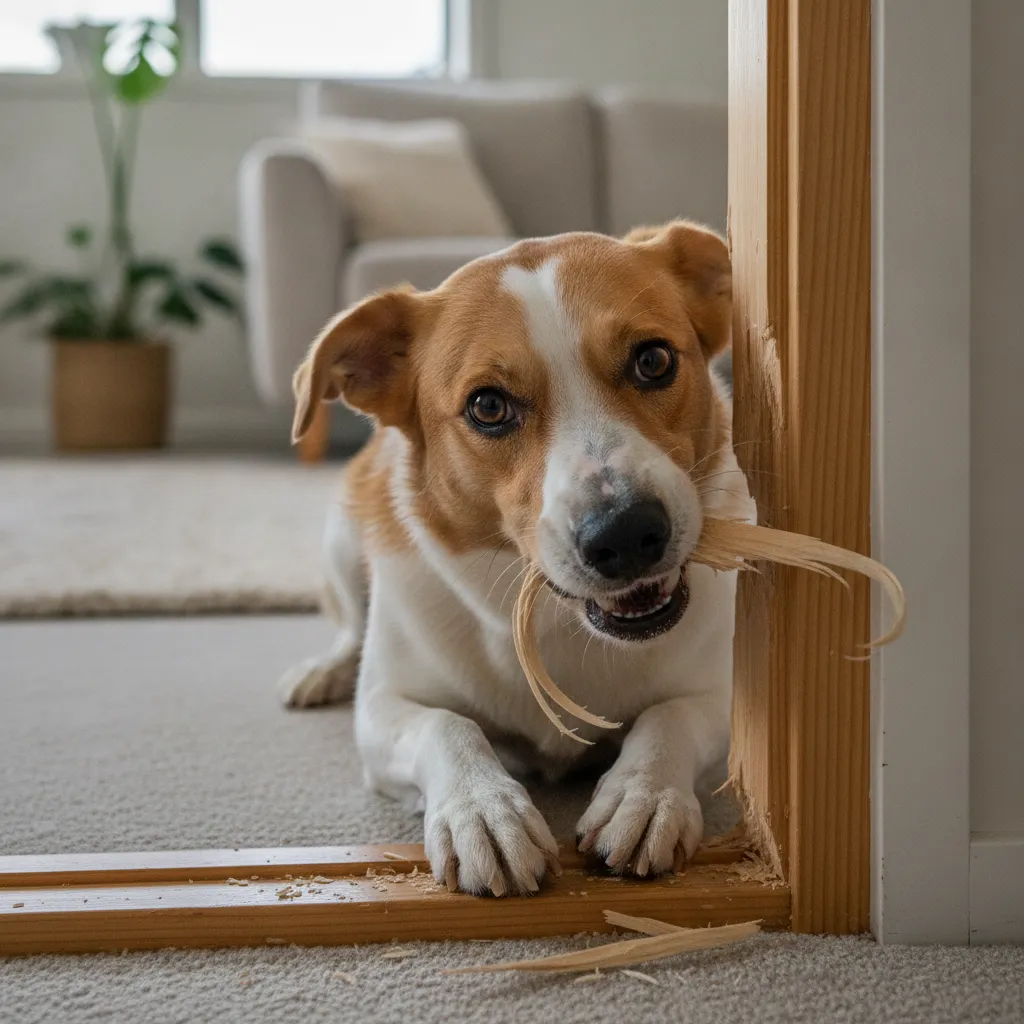
The True Cost of Dog Behaviourists in NZ
Let’s have an honest conversation about money. Kiwis don’t like waffle, so let’s get straight to the point: professional help is expensive. Finding urgent help for professional behaviour support for dogs in NZ can seem financially out of reach for many everyday families.
With up to 30% of New Zealanders currently delaying routine vet visits due to the cost of living, affording a specialist is a luxury. If you are struggling to pay the weekly grocery bill, a $500 consultation fee simply isn’t an option.
| Service Type | Estimated Cost (NZD) | Best Suited For |
|---|---|---|
| Veterinary Behaviourist | $300 – $600+ (Initial Consult) | Severe anxiety, unprovoked aggression, medication needs. |
| Certified Private Trainer | $100 – $180 (Per Hour) | Leash reactivity, mild guarding, basic obedience issues. |
| Group Training Classes | $150 – $250 (Per 6-Week Course) | Puppy socialization, basic manners. (Not for reactive dogs). |
| Online Consultations | $80 – $150 (Per Session) | Initial assessments, minor behavioural tweaks, rural owners. |
The Heavy Burden of Financial Guilt
There is a massive amount of guilt attached to not being able to afford help. You might feel like you are failing your dog by not being able to fix them. But skipping household essentials just to afford a trainer is not a sustainable or healthy way to live.
We need to acknowledge these hard realities without laying blame. If you cannot afford the intervention your dog desperately needs, you are not a bad owner. You are simply facing an impossible situation.
What to Do When You Can’t Afford Help
If you have exhausted your resources and the home environment is no longer safe or fair for the dog, rehoming might be the kindest choice. This is where the traditional pet welfare system often fails Kiwi families.
Taking a reactive or anxious dog to the SPCA or a council pound often leads to long-term caging or, devastatingly, euthanasia. Shelters are physically maxed out, and their strict criteria mean many dogs simply don’t make it to the adoption floor.
Keep your pet safe on your own couch until the right family is found. Direct adoption removes the shelter middleman entirely and dramatically reduces stress for anxious dogs.
The Dangers of Facebook and Classifieds
When desperate for a solution, some owners turn to Facebook groups or Trade Me. Please, trust your gut and avoid these platforms for vulnerable dogs. Facebook is chaotic, unmoderated, and full of bad actors looking for free dogs to exploit.
Trade Me treats animals like used furniture and is currently plagued by advance-fee scams. You need a structured, safe environment to find a forever home, where you maintain total control over who adopts your pet.
How to Safely Rehome a Dog with Quirks
If you decide that rehoming is the only way forward, honesty is your absolute best tool. Never hide a dog’s bite history, resource guarding, or anxiety triggers. The goal is to find a family equipped to handle their specific needs.
Every pet has a story—let’s help write the next chapter honestly. When you use a dedicated platform, you can screen adopters to ensure they have the time, space, and experience your dog requires.

Writing a Transparent Listing
When creating a profile for your dog, use plain English. Explain exactly what the triggers are. If they hate cats, say so. If they need a quiet, adult-only home in the country, make that crystal clear.
Adopters appreciate transparency above all else. Many experienced dog owners actively look for “project dogs” they can help rehabilitate. Hiding a problem only sets the dog up for failure in their new home.
Adopters are much more forgiving of behavioural issues when they are disclosed upfront. A surprise issue after adoption almost always leads to the dog being returned, breaking everyone’s heart.
Legal Responsibilities Under the Dog Control Act 1996
It’s important to remember your legal obligations during this emotional time. Under the Dog Control Act 1996, you remain legally responsible for the dog until the physical handover is complete.
You must also ensure that local council registrations and the NZ Companion Animal Register (NZCAR) microchip details are updated. A digital platform connects you, but the legal transfer is entirely between you and the new owner.
Preparing for the Handovers
Transitioning a dog with anxiety requires deep patience. Do not rush the process. Arrange multiple meet-and-greets in neutral territory before making a final decision on the adoption.
To set the new owners up for success, pass on any training notes, harnesses, or tools you have been using. If you are seeking urgent help with professional behaviour support for dogs in NZ and have previously worked with a vet, provide their contact details to the new family.
- Always meet potential adopters in a neutral, quiet space first.
- Provide a written summary of the dog’s daily routine and feeding schedule.
- Hand over all veterinary records and microchip transfer paperwork.
- Send the dog with their unwashed bed or favourite blanket for comfort.