Determining the best pet for me NZ requires a careful analysis of your current housing situation, activity level, financial stability, and long-term commitment capabilities. To find the ideal companion, you must evaluate whether your lifestyle suits a high-energy working breed, a low-maintenance indoor cat, or a small animal, while specifically considering New Zealand’s rental climate and local council regulations regarding animal management.
Assessing Your Lifestyle: The First Step to the Perfect Match
Before browsing adoption listings or visiting your local SPCA, the journey to finding the perfect pet begins with a mirror. In New Zealand, our lifestyles vary dramatically, from high-density apartment living in Auckland to sprawling lifestyle blocks in the Waikato. The animal you choose must thrive in your specific environment, not just survive in it.
Many prospective owners fall in love with the aesthetic of a specific animal without considering the mechanics of daily life. For instance, a Border Collie might look striking, but without hours of daily stimulation, they can become destructive. Conversely, a Greyhound might seem large, but they are often famously lazy “couch potatoes” suitable for smaller homes.

Housing Constraints and Outdoor Access
Your physical environment is the primary dictator of pet suitability. In New Zealand, housing types heavily influence pet happiness:
- Apartments and Townhouses: With the rise of medium-density housing in cities like Wellington and Christchurch, outdoor space is often premium. Cats (specifically indoor-only) or smaller dog breeds that do not require vast running space are ideal here. However, noise control is a major factor; a vocal dog may breach body corporate rules.
- Suburban Homes with Backyards: This is the traditional Kiwi dream, but fencing is critical. Many rescue organizations in NZ will not adopt dogs out to properties without fully fenced sections (often requiring 1.8m fences for jumpers).
- Rural and Lifestyle Blocks: While this seems like paradise for any pet, rural living comes with specific hazards, such as stock (sheep/cattle) and machinery. Dogs must be stock-proof, and cats may pose a significant risk to native wildlife if not managed correctly.
Time and Energy Availability
Be honest about your schedule. If you work a standard 9-to-5 and commute, a puppy that requires feeding every four hours and toilet training is likely not the best pet for me NZ standards would suggest. Adult dogs, cats, or pair-bonded animals who keep each other company might be better choices.
Matching Pets to Personality and Living Situation
Once you have audited your lifestyle, you can begin matching species and temperaments to your reality. The goal is a symbiotic relationship where both human and animal needs are met.
The Active Adventurer
If your weekends involve tramping in the Waitākere Ranges or running along Oriental Bay, you need a companion with stamina. Working breeds or active mixed breeds are excellent partners. However, you must ensure you can provide this level of activity every day, not just on weekends. A bored working dog is a stressed working dog.
The Homebody
If your perfect evening involves a book and a heater, a high-energy dog will be a source of frustration. Consider:
- Senior Dogs: Older dogs are often overlooked in NZ shelters. They are usually house-trained, lower energy, and incredibly grateful for a soft bed.
- Cats: An adult cat is generally independent. For those worried about native birds, keeping cats indoors or building a “catio” is a responsible and increasingly popular choice in New Zealand.
- Greyhounds: Often retired from racing, many Greyhounds are surprisingly low-energy and sleep for the majority of the day, making them excellent apartment companions despite their size.
Families with Young Children
Safety is paramount. Not all small dogs are good with children (some can be snappy if handled roughly), and not all large dogs are gentle giants. When looking for the best pet for a family, look for “bulletproof” temperaments rather than specific breeds. Rodents like rats or guinea pigs can be great first pets, but they require delicate handling and adult supervision—they are not “starter pets” to be ignored.
Considering Breed-Specific Needs in the NZ Context
New Zealand has a unique mix of popular breeds, largely influenced by our agricultural history and current trends. Understanding these traits is vital for successful adoption.
The Working Dog Legacy
NZ is home to many Huntaways, Border Collies, and Heading dogs. These are highly intelligent, high-drive animals bred to work all day. When these breeds end up in rescue, it is often because a suburban owner underestimated their need for mental stimulation. If you adopt a working breed mix, you must be prepared to engage in agility, flyball, or extensive training to keep their minds occupied.
Brachycephalic Breeds
Pugs, Bulldogs, and French Bulldogs are popular but come with health warnings. In the NZ summer, these dogs can struggle significantly with heat. Furthermore, potential owners must be financially prepared for likely vet bills regarding breathing issues, skin allergies, and eye problems.
Restricted Breeds
Under the Dog Control Act 1996, certain breeds (like the American Pit Bull Terrier) are classified as menacing or dangerous. While many are lovely pets, owning one in NZ comes with strict legal requirements, including muzzling in public and secure containment. This can affect your ability to rent or find insurance.
For a deeper understanding of breed-specific legislation and care requirements, reliable information can be found through the New Zealand Government’s Dog Safety resources.
The Benefits of Adopting Mixed Breeds
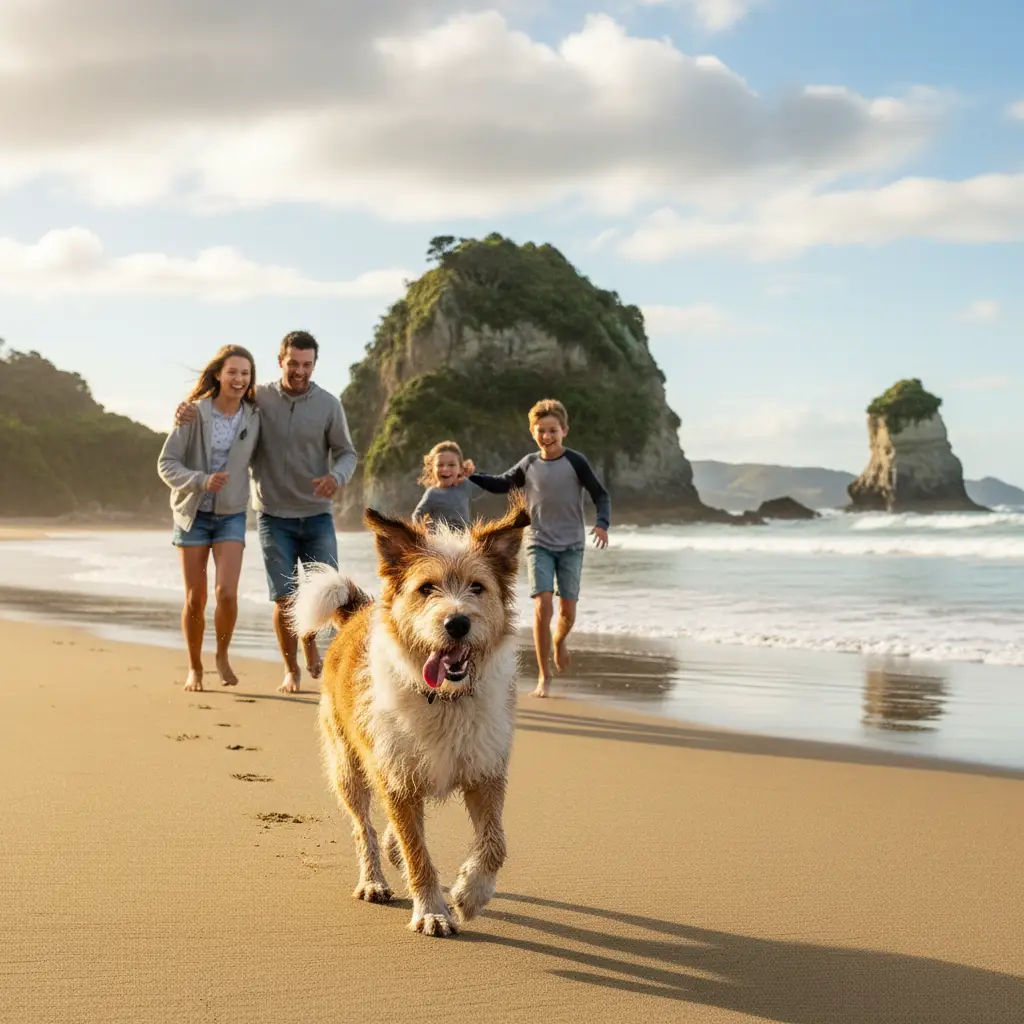
When searching for the “best pet for me NZ,” do not overlook the mixed breed, affectionately known here as the “bitser” or the “SPCA Special.” There are compelling reasons to choose a mixed breed over a purebred, especially in the rescue context.
Hybrid Vigor
Mixed breeds often benefit from a broader gene pool, which can reduce the risk of inherited genetic disorders common in purebreds (such as hip dysplasia in German Shepherds or breathing issues in Pugs). While not a guarantee, mixed breeds generally have robust constitutions and can lead long, healthy lives.
Unique Personality
With a mixed breed, you are adopting an individual, not a stereotype. Foster carers and rescue staff assess these animals based on their actual behavior rather than breed expectations. You might find a Huntaway cross that hates exercise or a Terrier mix that is quiet. This allows for a more accurate match to your specific lifestyle.
Supporting the Rescue Mission
New Zealand shelters are frequently at capacity. By choosing a mixed breed, you are directly saving a life and freeing up space for another animal in need. It is an ethical choice that contributes to solving the overpopulation crisis.
Navigating Rental Laws and Council Bylaws
One of the biggest hurdles to pet ownership in New Zealand is the rental market. While changes to the Residential Tenancies Act have been discussed to make it easier for tenants to have pets, landlords still have significant discretion.
Renting with Pets
If you are renting, you must obtain written permission from your landlord before adopting. To increase your chances:
- Create a Pet CV: Include references for your pet from previous landlords, vaccination records, and proof of registration.
- Offer a Property Inspection: Offer to let the landlord inspect the property more frequently to ensure no damage is occurring.
- Choose the Right Pet: Landlords are often more amenable to older, house-trained animals than destructive puppies.
Council Registration and Microchipping
All dogs over three months old in New Zealand must be registered with their local council. Fees vary by region (e.g., Auckland Council vs. Wellington City Council). Additionally, all dogs registered for the first time must be microchipped. While not mandatory for cats (though highly recommended and mandatory in some specific council areas like Wellington), microchipping is the only reliable way to reunite with your pet if they get lost.
You should also be aware of the New Zealand Companion Animal Register (NZCAR), which is the national database for microchipped pets.
Where to Seek Advice on Pet Suitability
You don’t have to make this decision alone. There are experts dedicated to ensuring the match is successful and permanent.
Rescue Organizations
Staff at the SPCA, HUHA (Helping You Help Animals), and local rescue groups are experts in matchmaking. Be honest with them about your flaws. If you admit you are lazy, they will thank you and point you toward a low-energy companion rather than judging you. They want the adoption to stick.
Foster Parents
Many rescue animals in NZ are kept in foster homes rather than kennels. Foster parents are the gold standard for information. They know if the dog steals food, if the cat scratches the sofa, or if the rabbit is friendly. Always ask to speak to the foster carer if possible.
Veterinarians
Before adopting, consider booking a consultation with a local vet. They can give you an unbiased opinion on the costs and health risks associated with different breeds and sizes of animals.
The Adoption Process: What to Expect
Adopting a pet in New Zealand is a thorough process designed to protect the animal. While it may seem bureaucratic, these steps ensure you are truly ready.
- Application: You will fill out a detailed questionnaire about your home, work hours, and family members.
- Meet and Greet: You (and your family/existing dogs) will meet the animal to test chemistry.
- Property Check: For dogs, a rescue representative may visit your home to check fencing height and security.
- Adoption Fee: This fee covers desexing, microchipping, vaccination, and flea/worm treatment. It is significantly cheaper than paying for these services individually.

Finding the “best pet for me NZ” is not about finding the cutest animal; it is about finding the animal whose needs overlap perfectly with your lifestyle. When you choose with your head as well as your heart, you ensure a lifetime of companionship and avoid the heartbreak of rehoming.
People Also Ask
What is the easiest pet to own in NZ?
For low-maintenance companionship, an adult indoor cat or a retired Greyhound are often considered the easiest pets in NZ. They require less active exercise than working dog breeds and adapt well to various living situations, including apartments.
Can I have a pet in a rental in NZ?
Yes, but you must have the landlord’s consent. While tenancy laws encourage reasonable consideration of pet requests, landlords can still decline. Offering a “Pet CV” and references can improve your chances of approval.
How much does it cost to own a dog in NZ?
The estimated cost of owning a dog in NZ ranges from $1,500 to $3,000+ per year. This includes food, annual vaccinations, flea/worm treatments, and council registration fees, but excludes emergency vet bills or insurance.
What is the best family dog in NZ?
There is no single “best” breed, but Labrador Retrievers, Golden Retrievers, and mixed-breed rescues with known histories are popular for families. The temperament of the individual dog is more important than the breed.
Are mixed breed dogs healthier?
Generally, yes. Mixed breed dogs often benefit from “hybrid vigor,” meaning they have a wider gene pool which can reduce the likelihood of inheriting specific genetic disorders common in purebred dogs.
Where can I adopt a pet in NZ?
You can adopt pets from the SPCA, HUHA, local council pounds, and breed-specific rescue groups. Websites like TradeMe Pets also have adoption sections dedicated to rescue organizations.