A comprehensive pet care guide NZ owners rely on involves understanding local council registration, mandatory microchipping via the NZ Companion Animal Register, and adherence to the Animal Welfare Act. Responsible ownership requires navigating the veterinary system, securing pet-friendly housing, and ensuring native wildlife safety through proper behavioral training.
Welcoming a new pet into your home is a transformative experience, whether you are a long-time resident or new to New Zealand. The country is known for its love of animals, having one of the highest rates of pet ownership in the world. However, New Zealand also has strict biosecurity laws, unique conservation challenges, and specific council regulations that every owner must understand. This guide serves as your definitive resource for integrating a pet into the Kiwi lifestyle, ensuring their health, happiness, and legal compliance.
Essential Care for New Pet Owners in NZ
The foundation of responsible pet ownership in New Zealand is built upon legal compliance and proactive identification. Unlike many other jurisdictions, New Zealand places a heavy emphasis on protecting its unique biodiversity, which directly influences how we care for our domestic animals.

Council Registration and Legal Obligations
If you own a dog in New Zealand, you are legally required to register it with your local city or district council. This must be done by the time the dog is three months old. Registration fees vary by region—for example, fees in Auckland may differ from those in Wellington or Christchurch. These fees contribute to animal control services, dog parks, and community safety programs.
Failure to register your dog can result in significant infringement fines. Upon registration, you will receive a tag that must be worn by your dog at all times. Cats, while not currently requiring council registration in most regions, are increasingly becoming a topic of local government discussion regarding containment and microchipping mandates to protect native birdlife.
The NZ Companion Animal Register (NZCAR)
While council registration is a legal requirement for dogs, microchipping is the gold standard for reunification for all pets. In New Zealand, microchipping is mandatory for dogs registered for the first time after 1 July 2006. However, simply inserting the chip is not enough; you must register the chip number on the NZ Companion Animal Register (NZCAR).
The NZCAR is a dedicated database accessible by vets, the SPCA, and animal control officers nationwide. If your pet goes missing during a move or a natural disaster, this database is the primary tool used to reunite you. It is critical to keep your contact details updated on the NZCAR, especially if you move houses or change phone numbers.
Desexing and Population Control
New Zealand has a significant population of stray and unwanted animals, putting immense pressure on rescue organizations like the SPCA, HUHA, and local pounds. Desexing (spaying or neutering) is strongly advocated by all welfare groups. Aside from preventing unwanted litters, desexing has health benefits, including a reduction in certain cancers and roaming behaviors. Many councils offer reduced registration fees for desexed dogs as an incentive for responsible ownership.
Navigating the NZ Veterinary System
New Zealand boasts a high standard of veterinary care, comparable to human healthcare standards in other developed nations. However, understanding how the system works can save you stress and money.
Choosing the Right Clinic
Veterinary clinics in NZ range from small, owner-operated practices to large corporate groups like VetPartners. When choosing a vet, consider the following:
- Proximity: In an emergency, drive time matters.
- BESTPractice Accreditation: Look for clinics accredited by the New Zealand Veterinary Association (NZVA), ensuring high standards of service and hygiene.
- After-Hours Access: Not all clinics offer 24/7 care. Identify the nearest “After Hours” or Emergency Vet hospital in your region.
Understanding Pet Insurance in NZ
Veterinary costs in New Zealand are unsubsidized, meaning owners pay the full cost of care. A complex surgery, such as orthopedic repair for a cruciate ligament, can cost between $3,000 and $6,000 NZD. Because of this, pet insurance is highly recommended.
Major providers in the market include Southern Cross Pet Insurance, PD Insurance, and Petcover. Policies generally cover accidents and illnesses, but pre-existing conditions are almost strictly excluded. It is advisable to secure insurance while your pet is young and healthy to maximize coverage eligibility.
Preventative Health: Vaccinations and Parasites
New Zealand’s temperate climate is ideal for fleas and worms year-round. Unlike some colder climates where pests die off in winter, NZ owners must maintain a strict flea and worming regimen every month. Additionally, core vaccinations for dogs (Parvovirus, Distemper, Hepatitis, and Kennel Cough) and cats (Feline Enteritis, Cat Flu) are essential. Leptospirosis is also a significant concern in NZ, particularly for dogs in rural areas or those near waterways, and requires a specific annual vaccination.
Nutrition and Local Products
New Zealand is a major exporter of high-quality meat and dairy, which translates into an abundance of premium, locally-made pet food options. Feeding your pet a balanced diet is easier here than in many other parts of the world due to the access to fresh, raw ingredients.
Premium NZ Pet Food Brands
The “Freeze-Dried” and “Raw” food movements are strong in New Zealand. Brands like K9 Natural, Ziwi Peak, and Sunday Pets utilize NZ’s grass-fed lamb, beef, and sustainably caught seafood (like Green Lipped Mussels) to create nutrient-dense diets. These products are often grain-free and high in protein, catering to the biological needs of cats and dogs.

Toxic Flora and Fauna
Part of nutrition is knowing what not to let your pet ingest. New Zealand has specific flora that can be lethal:
- Karaka Berries: Found on the native Karaka tree, these orange berries contain a potent toxin (karakin) that causes convulsions and can be fatal to dogs. They drop in late summer and autumn.
- Tutu: A native shrub where all parts of the plant are toxic.
- Sea Slugs: Found on Auckland and Coromandel beaches, these can contain tetrodotoxin, which is deadly to dogs if licked or eaten.
Integration and Behavioral Welfare
Integrating a pet into the NZ environment goes beyond just the home; it involves the wider community and the environment. This is particularly true for rescue animals.
The 3-3-3 Rule for Rescue Pets
If you are adopting from the SPCA or a private rescue, apply the 3-3-3 rule: 3 days to decompress, 3 weeks to learn the routine, and 3 months to start feeling at home. Patience is key. Many NZ rescues operate on a foster model, meaning the animal may have already started socialization in a home environment, but the transition to your home is still a major event.
Kiwi Avoidance Training
One of the most unique aspects of dog ownership in New Zealand is the responsibility to protect native wildlife. Ground-dwelling birds like the Kiwi, Weka, and Penguins are defenseless against dogs. Even a playful dog can crush a Kiwi’s ribcage.
The Department of Conservation (DOC) runs Kiwi Aversion Training programs. These sessions teach dogs to avoid the scent of Kiwi and are often mandatory if you wish to take your dog hunting or hiking in conservation areas. Being a responsible owner means keeping dogs on leads in bush areas and strictly adhering to “No Dog” zones.
Travel and Logistics for Pets
Whether you are moving cities or just going on holiday, logistics can be a hurdle. New Zealand’s geography requires specific planning for pet transport.
Finding Pet-Friendly Rentals
The rental market in New Zealand is competitive, and finding “pet-friendly” housing is notoriously difficult. When applying for rentals, prepare a “Pet Resume” for your animal. Include references from previous landlords, vaccination records, and proof of registration. Offering to pay for professional carpet cleaning at the end of the tenancy can sometimes sway a hesitant landlord.
Public Transport and Domestic Travel
Rules regarding pets on public transport are evolving. In Auckland, for example, dogs are allowed on trains and ferries during off-peak hours and weekends, provided they are muzzled or in a cage (for small dogs). However, buses generally do not allow pets unless they are assistance animals or in a secure carrier.
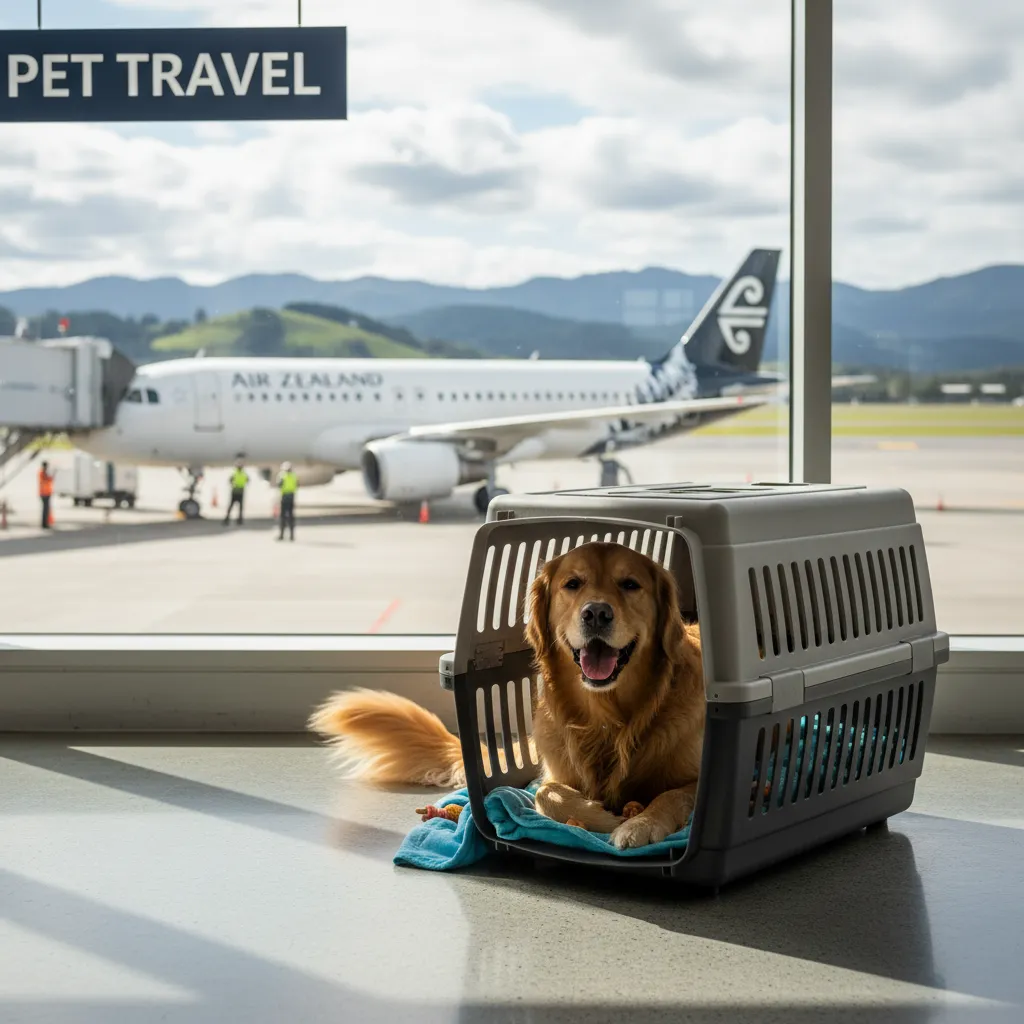
For air travel, Air New Zealand allows pets to travel as checked baggage on domestic flights. They must be in an IATA-approved crate. It is vital to book this well in advance as space in the hold is limited. Unlike some countries, pets are generally not allowed in the cabin on domestic NZ flights.
Frequently Asked Questions
How much is dog registration in NZ?
Dog registration fees in New Zealand are set by local councils and vary by region. Typically, fees range from $90 to $180 NZD per year. Discounts are often available for desexed dogs, working dogs, and owners with “Responsible Dog Owner” (RDO) license status. Late payments usually incur significant penalties.
Is pet insurance worth it in NZ?
Yes, pet insurance is highly recommended in New Zealand. Veterinary care is not government-subsidized, and emergency surgeries or treatment for chronic conditions can cost thousands of dollars. Insurance provides a financial safety net, allowing owners to make medical decisions based on welfare rather than cost.
What plants are poisonous to dogs in NZ?
Common toxic plants in New Zealand include Karaka berries (highly toxic kernels), Tutu, Wandering Jew (causes skin allergies), and various bulb plants like Daffodils and Lilies (especially toxic to cats). Owners should also be wary of sea slugs on beaches, which can be fatal if ingested.
Can I take my dog on public transport in Auckland?
In Auckland, dogs are allowed on trains and ferries, generally during off-peak times and weekends. Large dogs must be muzzled and on a lead, while small pets must be in an approved carrier. Most buses currently do not allow larger dogs unless they are certified disability assist dogs.
How do I register my cat in NZ?
Currently, most councils in NZ do not require mandatory registration for cats, unlike dogs. However, microchipping your cat and registering the chip on the NZ Companion Animal Register (NZCAR) is strongly advised and sometimes required by local bylaws to help identify owned cats versus strays.
What is the cost of vet visits in New Zealand?
A standard veterinary consultation fee in New Zealand typically ranges from $60 to $100 NZD. Additional costs apply for vaccinations, medications, diagnostics (blood tests/X-rays), and after-hours emergency services, which have higher surcharge fees.