An emergency vet in NZ provides critical, after-hours medical care for pets suffering from life-threatening conditions or severe injuries outside standard clinic hours. To access help, owners should immediately contact their local veterinary clinic, as most provide a 24/7 diversion service or specific instructions for the nearest dedicated animal emergency centre.
Immediate Action: National Pet Emergency Hotlines
When a pet’s health deteriorates rapidly, every second counts. In New Zealand, unlike the human medical system, there is no single government-funded “111” number for animal emergencies. However, there are specific hotlines and protocols you can follow to get immediate advice.
The Animal Poisons Helpline
If you suspect your pet has ingested a toxic substance, your first call should often be to the Animal Poisons Helpline before rushing to the clinic, as they can determine if treatment is necessary.
- Phone: 0800 869 738 (0800 TOX PET)
- Service: This service is free for pet owners in New Zealand. They can advise on ingestion of plants, household cleaners, medications, and other toxins.
Teletriage Services
Several veterinary networks in New Zealand offer after-hours teletriage. If you are unsure if your pet needs to be seen immediately or if it can wait until morning, calling your regular vet’s number is the first step. Most NZ clinics divert after-hours calls to a registered nurse or a triage service who can assess the severity of the situation.
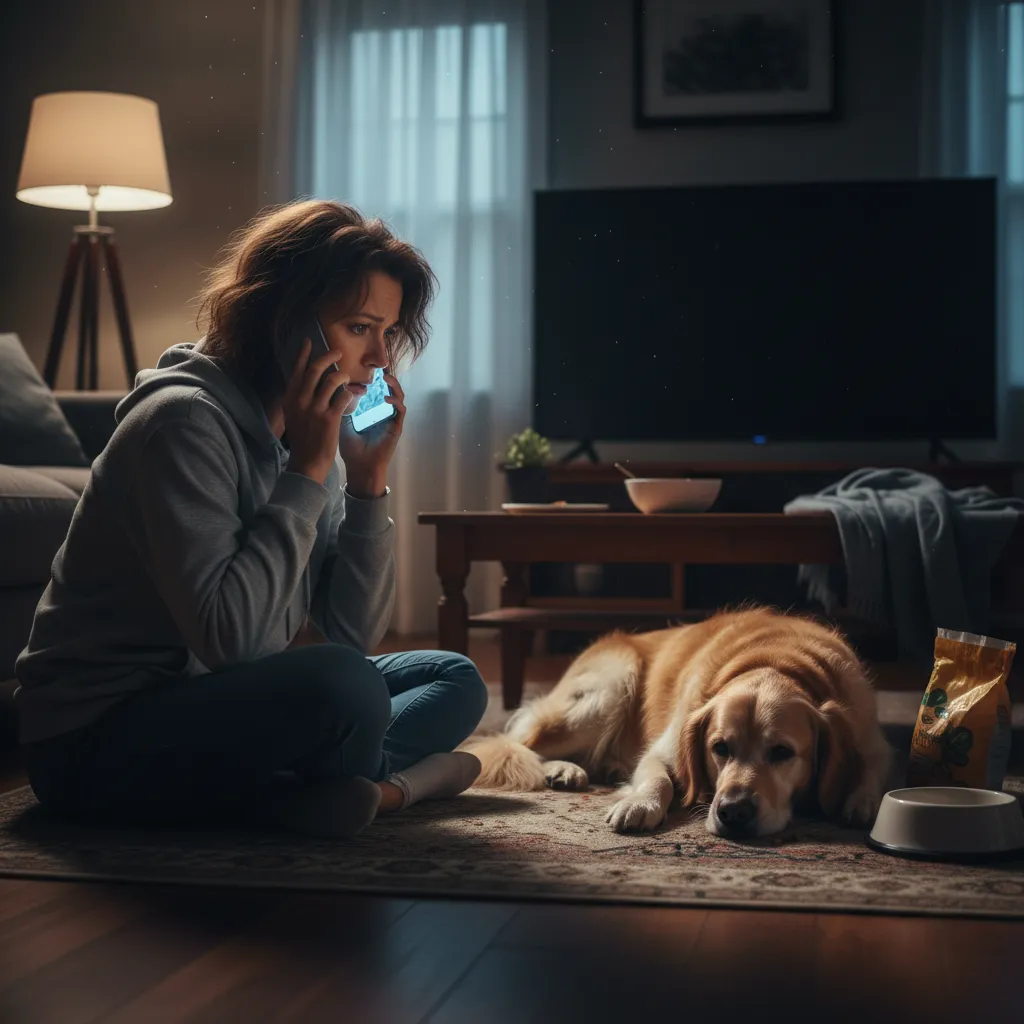
Finding a Local Emergency Vet in NZ
New Zealand has a robust network of dedicated after-hours clinics, particularly in major urban centres. In rural areas, the local mixed-practice vet usually operates an on-call roster. Below is a guide to finding care in major regions.
Auckland Region
Auckland is served by several 24-hour dedicated emergency hospitals. These facilities function much like human hospital ERs.
- Veterinary Specialist Group (VSG): Located in Mount Wellington, offering specialist and emergency care.
- Animal Referral Centre (ARC): Locations in Albany and Mount Wellington, providing 24/7 emergency services.
- Western Area Emergency Clinic: Servicing West Auckland after hours.
Wellington Region
The capital city relies heavily on the Wellington After Hours Veterinary Clinic. Located centrally, usually in Newtown or surrounding hubs, this clinic services the overflow from daytime practices across the Hutt Valley, Porirua, and Wellington City.
Christchurch & South Island
Christchurch has the After Hours Veterinary Centre based on Disraeli Street. For other South Island towns like Queenstown or Dunedin, a rotating roster system among local clinics is common. Always call your primary vet first to listen to the recorded message directing you to the vet on duty.
Rural New Zealand
If you live in a rural community, your “emergency vet” is likely your daytime vet (or a colleague from a neighboring practice) who has been woken up to attend to you. In these scenarios, it is strictly required to call ahead. Do not simply show up at a rural clinic at 2:00 AM, as the vet will not be on-site unless summoned.
Recognizing a True Pet Emergency
Panic is a natural reaction when a pet is unwell, but distinguishing between a situation that can wait until morning and one that requires an immediate emergency vet NZ visit is crucial. Triage nurses prioritize cases based on the “ABC” method (Airway, Breathing, Circulation).
Seek immediate veterinary attention if your pet exhibits any of the following:
- Difficulty Breathing: Panting, gasping, blue or pale gums, or extending the neck to breathe. This is the highest priority emergency.
- Major Trauma: Hit by a car, attacked by another dog, or a fall from a height, even if they appear fine (internal bleeding is often invisible).
- Uncontrollable Bleeding: Arterial bleeding (spurting) or wounds that do not stop bleeding after 5 minutes of pressure.
- Seizures: Clusters of seizures or a single seizure lasting longer than 2-3 minutes.
- Bloat (GDV): Especially in large dogs. Symptoms include non-productive retching (trying to vomit but nothing coming up), a distended hard stomach, and extreme restlessness. This is fatal without surgery.
- Inability to Urinate: Particularly in male cats. If your cat is straining in the litter box and crying, this is a life-threatening blockage.
- Eye Injuries: Bulging eyes, deep scratches, or sudden blindness.
- Heat Stroke: Collapse, excessive panting, and vomiting after exercise or being in a hot car.
According to the New Zealand Veterinary Association (NZVA), prompt action in these scenarios significantly improves the prognosis for recovery.
Common NZ Pet Toxins and Dangers
New Zealand’s unique flora and fauna present specific risks that pet owners must be aware of. Ingesting these items warrants an immediate trip to the emergency vet.
Karaka Berries
Found commonly in NZ parks and coastal areas, the orange berries of the Karaka tree contain karakin, a potent neurotoxin. Consumption can cause seizures and death in dogs. The kernels remain toxic for a long time, even when the berry has rotted away.
1080 Poison
Used for possum control, Sodium fluoroacetate (1080) is lethal to dogs. While warning signs are usually posted in treated areas, secondary poisoning (eating a possum carcass that died of 1080) is a risk. Symptoms include frantic running, howling, and convulsions.
Sea Slugs (Pleurobranchaea maculata)
Found on Auckland and Coromandel beaches, these grey, side-gilled sea slugs contain tetrodotoxin. Ingestion is rapidly fatal. If you see your dog lick or eat something grey and slimy on the beach, induce vomiting immediately (under vet advice) and rush to the clinic.
What to Do Before You Leave
Once you have decided to go to the clinic, a few minutes of preparation can save time upon arrival.
- Call Ahead: This allows the veterinary team to prepare equipment (oxygen, IV fluids) before you arrive. It also ensures a vet is actually on-site.
- Gather Information: Bring any medication your pet is currently taking. If they have eaten a toxin, bring the packaging or a sample of the plant.
- Safety First: Pain can cause even the gentlest pet to bite. Use a muzzle or a makeshift muzzle (using a tie or bandage) if you must move a painful animal, provided they are not vomiting or having trouble breathing.
Transporting an Injured Pet
Moving an injured animal requires care to prevent further damage, particularly if spinal injury is suspected.
For Dogs
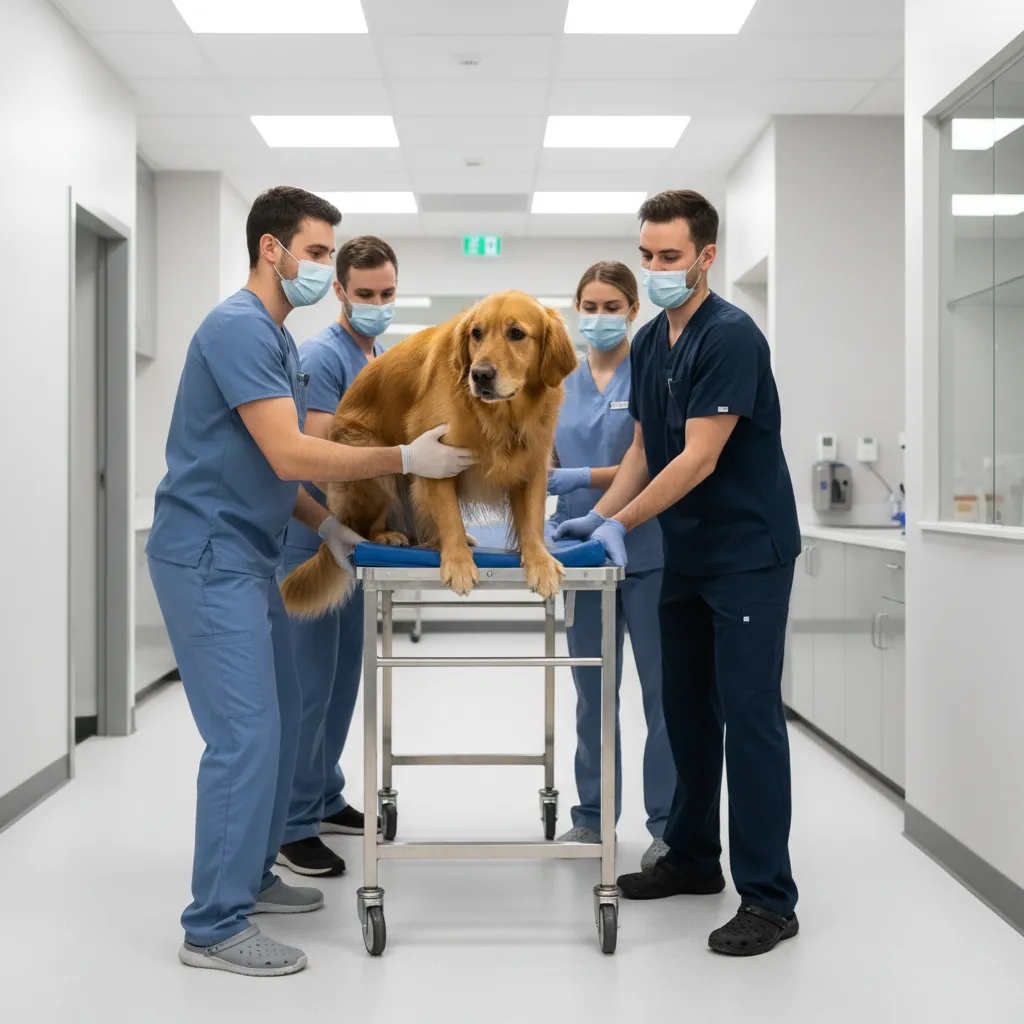
Use a flat board, a stiff piece of cardboard, or a taut blanket as a stretcher. Coordinate with a second person to lift the dog simultaneously to keep the spine level. If you are driving, ensure the dog is confined so they cannot jump around or interfere with the driver.
For Cats
Cats will instinctively hide when in pain. Wrap the cat in a thick towel (leaving the head exposed if breathing is okay) to prevent scratching and place them securely in a carrier or a sturdy box with air holes. The top-loading feature of many carriers is best for injured cats.
Costs, Insurance, and Payment
Emergency veterinary care is significantly more expensive than routine daytime consults. This is due to the costs of running a facility 24/7, specialist staff wages, and the complexity of cases treated.
Standard Fees
An after-hours consultation fee in New Zealand typically ranges from $150 to $350 just to see the vet. Diagnostics (blood tests, X-rays), treatment, and hospitalization are additional. A surgical emergency like a C-section or GDV surgery can cost between $3,000 and $8,000.
Payment Policies
Almost all emergency clinics in NZ require payment at the time of service or a significant deposit before hospitalization. “Accounts” are rarely offered.
Pet Insurance
If you have pet insurance (e.g., Southern Cross, PD Insurance, Petcover), bring your policy number. While you usually have to pay the vet upfront and claim it back later, some insurers offer “pre-approval” for high-cost surgeries, which can be arranged rapidly in emergencies.
Emergency First Aid Basics
While you should never delay professional care, basic first aid can stabilize your pet during transport.
Stopping Bleeding
Apply firm, direct pressure to the wound using a clean cloth or gauze. Do not lift the cloth to check if bleeding has stopped; this disrupts the clot. If blood soaks through, add another layer on top. Avoid tourniquets unless it is a limb that has been severed or mangled, as they can cause limb loss.
CPR (Cardiopulmonary Resuscitation)
If your pet is unconscious, not breathing, and has no heartbeat:
1. Lay the pet on their right side.
2. Check the airway for obstructions.
3. Perform chest compressions. For medium/large dogs, compress the widest part of the chest. For cats/small dogs, squeeze the chest with one hand around the sternum.
4. Rate: 100-120 compressions per minute. Give 2 rescue breaths into the nose (holding the mouth shut) for every 30 compressions.
Frequently Asked Questions
Below are common questions regarding accessing emergency veterinary care in New Zealand.
Is there a 24-hour vet helpline in NZ?
While there is no government-run 111 for pets, many local clinics subscribe to after-hours triage services. You should call your regular vet’s phone number first; if they are closed, the answering service will direct you to a registered vet nurse or the nearest emergency facility.
How much does an emergency vet visit cost in NZ?
The initial consultation fee usually ranges from $150 to $350 depending on the time of night and location. Treatment costs are additional. It is common for emergency surgeries to cost several thousand dollars.
Can I call 111 for a pet emergency?
No, 111 is strictly for human emergencies (Police, Fire, Ambulance). Calling 111 for a pet can tie up lines needed for human life-threatening situations. Call your local vet or the SPCA if the animal is a stray and in distress.
What is the number for animal poison control NZ?
You can contact the Animal Poisons Helpline at 0800 869 738. This service is free for pet owners and provides expert advice on whether a toxic ingestion requires immediate clinical treatment.
Do emergency vets require payment upfront?
Yes, most emergency clinics in New Zealand require full payment at the time of treatment or a substantial deposit (often 50% of the estimate) prior to admitting a pet for surgery or hospitalization.
What qualifies as a vet emergency?
Situations requiring immediate care include difficulty breathing, collapse, seizures, uncontrollable bleeding, inability to urinate (especially in male cats), bloating with retching, and ingestion of known toxins.