To rehome a pet during a disaster in New Zealand or seek temporary care, owners must immediately contact the SPCA, HUHA (Helping You Help Animals), or local Civil Defence centres. During crises like floods or earthquakes, priority is placed on temporary emergency fostering to reunite families later, rather than permanent surrender, utilizing specialized animal welfare response teams deployed in affected regions.
Understanding Rehoming and Temporary Care Options
New Zealand is a nation of pet lovers, with one of the highest rates of pet ownership in the world. However, our geography also makes us prone to natural disasters, ranging from earthquakes and volcanic activity to cyclones and severe flooding. When these events collide with personal financial crises or housing instability, pet owners are often faced with the heartbreaking decision of how to ensure their animal companions are safe, even if it means parting with them.
The concept of “rehoming” in the context of a disaster is nuanced. It does not always mean a permanent goodbye. In the immediate aftermath of an event like Cyclone Gabrielle or the Christchurch earthquakes, the primary goal of animal welfare organizations is temporary displacement followed by reunification. Permanent rehoming is viewed as a last resort when the owner’s circumstances have changed so drastically that they can no longer provide basic welfare needs.
Navigating this landscape requires knowing the difference between emergency evacuation shelters, temporary foster networks, and permanent surrender facilities. This guide serves as a comprehensive resource for New Zealanders facing these difficult choices, ensuring that animal welfare remains the top priority throughout the process.
Temporary Fostering During Emergencies
When a disaster strikes, your home may become uninhabitable, or you may be evacuated to accommodation that does not permit animals. In these scenarios, temporary fostering is the bridge that keeps families together in the long run. New Zealand has developed a robust network of organizations dedicated to this specific need.
Specialized Rescue Organizations
Several organizations step up specifically during national emergencies. HUHA (Helping You Help Animals) is renowned for setting up temporary animal shelters in disaster zones. They deploy veterinary teams and establish secure holding areas where pets can be cared for while owners sort out their immediate housing situations.
Similarly, Pet Refuge provides temporary shelter for pets belonging to individuals escaping domestic violence, which often correlates with times of high stress and hardship. While their primary focus is family violence, the model of temporary care is one that is increasingly being adopted for broader disaster relief.
Community-Led Fostering
During localized disasters, community networks often mobilize faster than official government responses. Social media platforms, particularly local community Facebook groups and Neighborly, frequently become hubs for informal fostering offers. If you are displaced, reaching out to these local networks can yield immediate, short-term solutions. However, it is crucial to vet temporary carers to ensure the safety of your pet. Always ask for identification and, if possible, a written agreement regarding the temporary nature of the arrangement.

Support for Owners Facing Financial Hardship
Disasters often bring economic ruin. The loss of a home or employment can make the cost of pet food and veterinary care impossible to manage. Before considering rehoming due to financial constraints, owners should explore the support systems designed to keep pets in their original homes.
Pet Food Banks and Pantries
Across New Zealand, “Pet Food Pantries” have emerged to assist struggling owners. Organizations like the SPCA and various independent rescue groups often maintain stocks of donated food specifically for families in financial distress. Accessing these resources can provide the breathing room needed to get back on your feet without having to surrender a beloved companion.
Veterinary Assistance
Medical costs are a leading cause of pet surrender. If your pet requires urgent care during a period of hardship, communicate openly with your veterinarian. Some clinics offer payment plans (such as VetCare Finance) or have discretionary funds for hardship cases. Additionally, charities like the Community Veterinary Clinic may offer subsidized desexing, microchipping, and basic care for low-income earners.
Disaster Preparedness: Protecting Pets Before Crisis Hits
The most effective way to avoid the need for emergency rehoming is robust preparation. The New Zealand Government’s Get Ready campaign emphasizes that if it is not safe for you, it is not safe for your pet. Leaving a pet behind significantly increases the likelihood that they will need rescue and subsequent rehoming.
The Pet Go-Bag
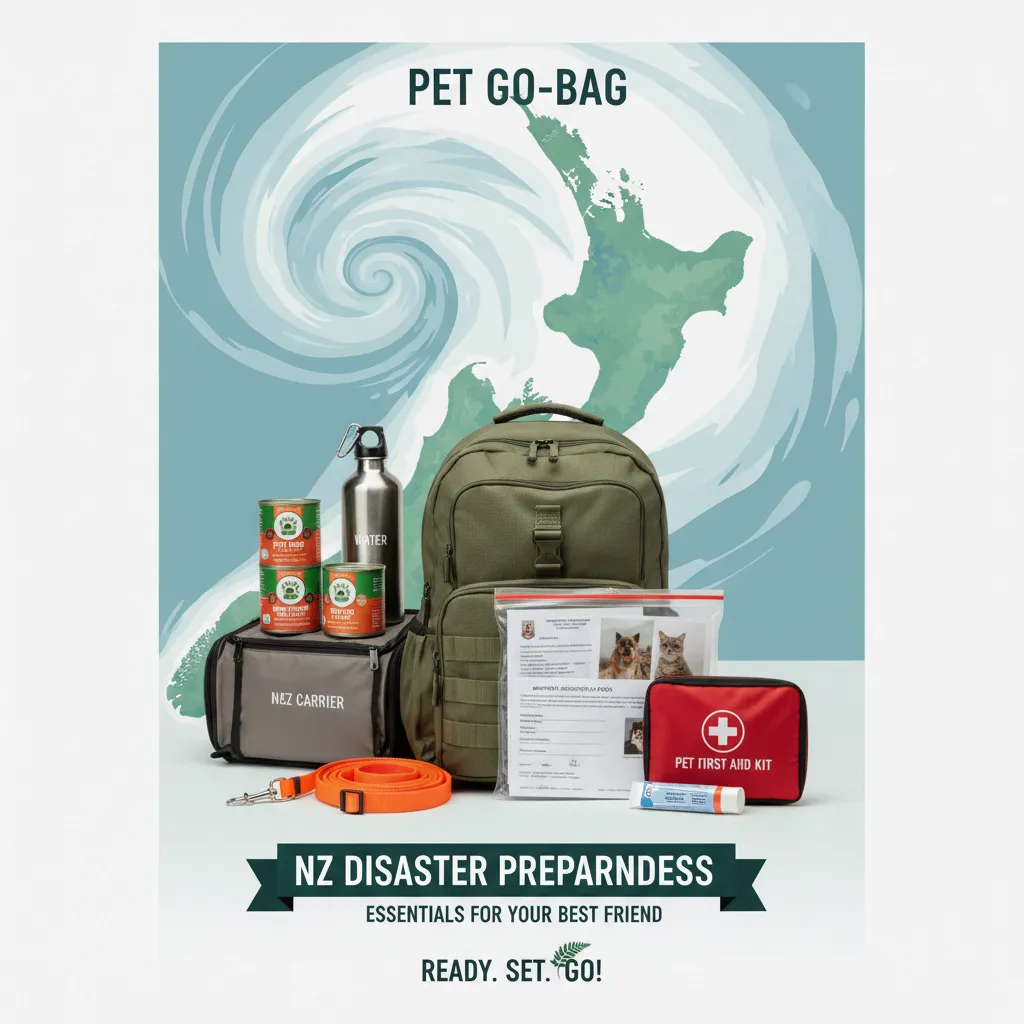
Every pet owner should have a “Go-Bag” ready for immediate evacuation. This kit should include:
- Food and Water: At least five days’ supply of food and bottled water.
- Medications: A supply of any chronic medications and a basic pet first aid kit.
- Identification: A copy of vaccination records, registration documents, and a recent photo of the pet (for identification if you are separated).
- Restraint: A sturdy leash, harness, and a carrier or crate. Crate training your pet before a disaster is vital, as many emergency shelters will only accept contained animals.
- Sanitation: Poop bags, kitty litter, and a portable litter tray.
Microchipping and Registration
In the chaos of a disaster, pets often flee in fear. A microchip is the only permanent form of identification. Ensure your details are up to date on the New Zealand Companion Animal Register (NZCAR). A collar with an ID tag is also essential for immediate visual identification by neighbours or rescue workers.
Emergency Shelters and Civil Defence Protocols
Knowing where to go is half the battle. In New Zealand, Civil Defence Centres (CDCs) are established during major emergencies. However, policies regarding pets can vary depending on the facility and the nature of the disaster.
Civil Defence Centres (CDCs)
Historically, human shelters were not always equipped for animals. However, lessons learned from the Canterbury earthquakes and Edgecumbe floods have shifted protocols. Most CDCs will now attempt to accommodate pets, provided they are caged or leashed and do not pose a threat to others. However, owners are generally expected to care for their own animals within the facility (feeding, cleaning, exercising). Pets may not be allowed in sleeping areas used by people due to allergies and hygiene regulations.
MPI and Animal Welfare Emergency Management
The Ministry for Primary Industries (MPI) coordinates the animal welfare response during a state of emergency. They work with groups like the SPCA, Massey University Veterinary Emergency Response Team (VERT), and the NZ Veterinary Association to set up dedicated animal shelters if human shelters cannot cope. If you cannot take your pet to a CDC, look for announcements regarding MPI-sanctioned animal holding facilities.
The Last Resort: Ethical Rehoming and Surrender
If temporary fostering and financial support are insufficient, and you are unable to provide for your pet’s welfare long-term, permanent rehoming may be the most responsible choice. This is a decision born of love, ensuring the animal receives the care you can no longer provide.
Surrendering to the SPCA or Rescues
Surrendering a pet to the SPCA or a reputable rescue organization ensures the animal will be medically assessed, behaviorally evaluated, and placed in a safe new home. This process is far safer than offering a pet for “free to a good home” on social media or trading platforms, which can attract individuals with bad intentions (such as dog fighters or hoarders).
When surrendering:
- Be Honest: Disclose all behavioral quirks and medical history. This helps the organization find the right match.
- Call Ahead: Shelters are often at capacity. You may be placed on a waiting list.
- Prepare for Fees: Some organizations request a surrender fee to help cover the costs of processing and rehoming, though this is often waived in genuine hardship cases.
Private Rehoming
If you prefer to rehome the pet yourself, use reputable platforms or ask your vet to put a notice on their community board. Always conduct a home check of the potential new owner and ask for a vet reference. Avoid using general marketplace listings unless you are extremely vigilant about vetting.
Legal Obligations and Transferring Ownership
Rehoming a pet in New Zealand involves legal administrative steps to ensure the new owner is recognized and the old owner is absolved of liability (e.g., for dog control fees or damages).
Updating Registries
Once a pet is rehomed, you must update the NZ Companion Animal Register (NZCAR). This usually requires the signature or digital consent of both the old and new owners. For dogs, you must also notify your local council to transfer the dog registration. Failure to do so means you remain liable for annual registration fees and any fines the dog might incur.
Disasters and hardships are testing times for any pet owner. By understanding the ecosystem of support available in New Zealand—from temporary fostering and food banks to emergency shelters and ethical surrender options—you can make informed decisions that prioritize the safety and well-being of your animal companions.