Senior pet care NZ involves a proactive approach to veterinary medicine, dietary adjustments, and environmental modifications tailored to aging companion animals in New Zealand. To ensure optimal health, owners must schedule bi-annual health checks, manage chronic conditions like arthritis, and adapt nutrition to support slowing metabolisms and organ function.
Defining Senior Status in Pets
Understanding when your companion transitions from an adult to a senior is the first step in providing appropriate care. In the veterinary community, there is no single age that defines “senior” across all breeds and species. Generally, cats and small dogs are considered seniors around 7 to 10 years of age. Larger dog breeds, such as Golden Retrievers or Labradors, may reach senior status as early as 6 years old, while giant breeds like Great Danes are often considered seniors by age 5.
In New Zealand, where the pet population is aging alongside the human population, veterinarians are increasingly emphasizing the concept of “geriatric” care for pets that exceed these age thresholds significantly. It is crucial to remember that age is not a disease; it is a life stage. However, with this life stage comes an increased risk of specific health conditions that require vigilance and management.

Transitioning to senior care does not mean your pet’s active life is over. Instead, it signals a shift in maintenance strategies. The goal of senior pet care NZ is to detect issues early—often before clinical signs become obvious—to ensure your pet remains comfortable and happy for as long as possible.
Recognizing Signs of Aging vs. Illness
One of the most dangerous myths in pet ownership is the idea that “slowing down” is a natural, unavoidable consequence of aging that requires no intervention. While energy levels may naturally dip, significant lethargy, withdrawal, or changes in habit are often indicators of underlying pain or metabolic disease, not just “old age.”
Physical Changes to Monitor
As pets age, their bodies undergo various physiological changes. You may notice a graying muzzle or a loss of muscle mass (sarcopenia), particularly along the spine in cats or the hind legs in dogs. Another common physical change is nuclear sclerosis, a clouding of the eye lens that appears bluish-gray but does not significantly affect vision, unlike cataracts.
However, owners must be vigilant for lumps and bumps. Older pets are more susceptible to neoplasia (tumors). A regular home check—running your hands over your pet’s body weekly—can help you find masses while they are small and treatable.
Behavioral Indicators
Behavioral changes are often the first sign that something is wrong. An older cat that stops jumping onto the windowsill hasn’t necessarily lost interest in the view; it is highly likely suffering from osteoarthritis. A dog that becomes irritable when petted or hesitant to use the stairs is likely communicating pain. Other red flags include changes in water consumption (often a sign of kidney disease or diabetes) and changes in appetite.
Managing Pain and Mobility Issues
Chronic pain, particularly from osteoarthritis, is the most common condition affecting senior pets in New Zealand. The damp, colder winters in regions like Otago or the central North Island can exacerbate joint stiffness and pain, making mobility management a top priority for Kiwi pet owners.
Arthritis Management Strategies
Arthritis is a degenerative joint disease that causes inflammation and pain. Management is multimodal, meaning it requires a combination of therapies for the best results. This often includes:
- Weight Management: Keeping your pet lean is the single most effective way to reduce joint pain. Excess weight places compounded stress on aging joints.
- Pharmaceuticals: Non-steroidal anti-inflammatory drugs (NSAIDs) prescribed by your veterinarian are the cornerstone of pain relief. Newer treatments, such as monoclonal antibody injections (e.g., Solensia for cats or Librela for dogs), have revolutionized pain management by targeting nerve growth factors.
- Supplements: High-quality Omega-3 fatty acids (fish oil) and glucosamine/chondroitin supplements can support joint health, though they work best as preventative measures or adjuncts to medication.
Home Environment Modifications
Adapting your home is essential for senior pet safety. Slippery floorboards or tiles can be treacherous for a dog with weak hind legs. Placing yoga mats or non-slip runners in high-traffic areas can prevent injuries caused by slipping.
For cats, consider low-entry litter boxes. High-sided boxes can be painful to enter for an arthritic cat, leading to inappropriate elimination outside the box. Ramps or pet stairs can help dogs access vehicles or furniture without the impact of jumping.
Adjusting Diet and Nutrition for Seniors
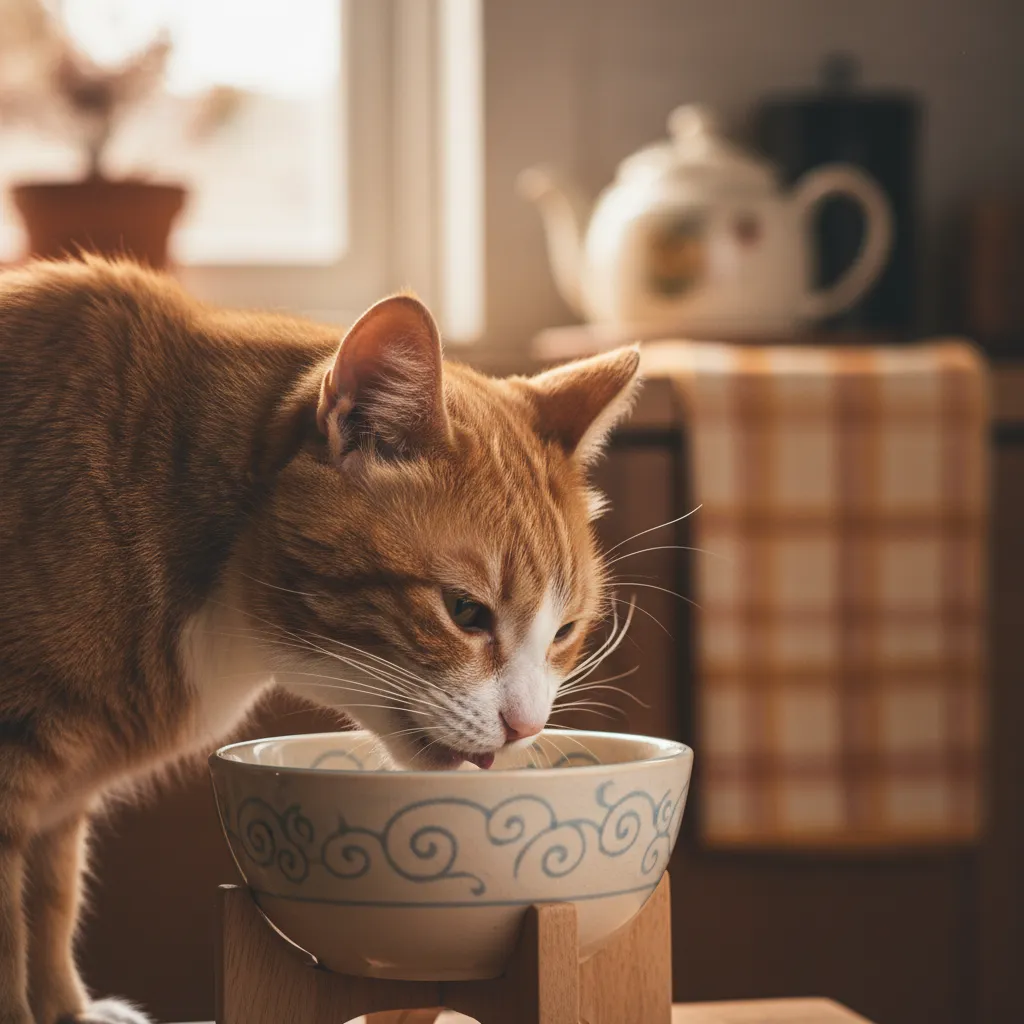
Nutritional needs change drastically as pets age. The metabolism slows down, meaning older pets often require fewer calories to maintain a healthy weight. Conversely, geriatric pets (the very old) may lose the ability to digest food efficiently and might struggle to keep weight on.
Specific Dietary Requirements
Senior diets are formulated to address these shifting needs. They typically contain:
- High-Quality Protein: Unless a pet has kidney disease, senior pets need high-quality protein to maintain muscle mass.
- Fiber: Increased fiber content helps maintain gastrointestinal health and can prevent constipation, a common issue in older, less active pets.
- Antioxidants: Vitamins E and C, along with beta-carotene, support the immune system and may aid in cognitive health.
For pets with specific conditions like Chronic Kidney Disease (CKD)—prevalent in older cats—prescription diets with restricted phosphorus and controlled protein levels are medically necessary to extend life expectancy.
Cognitive Health and Behavioral Changes
Cognitive Dysfunction Syndrome (CDS), often referred to as “doggy dementia” (though it affects cats too), is a progressive neurodegenerative condition similar to Alzheimer’s disease in humans. It is under-diagnosed because many owners attribute the symptoms to normal aging.
Symptoms of Cognitive Dysfunction
The acronym DISHA is commonly used to identify symptoms:
- Disorientation: Getting lost in familiar places, staring at walls, or getting stuck in corners.
- Interactions: Changes in how the pet interacts with owners or other pets (becoming clingy or distant).
- Sleep-Wake Cycle: Sleeping more during the day and wandering or vocalizing at night (sundowning).
- House Soiling: Forgetting house training.
- Activity Level: Aimless wandering or pacing.
While CDS cannot be cured, its progression can be slowed with specific diets enriched with medium-chain triglycerides (MCTs), supplements, and medication. Mental stimulation through food puzzles and gentle training can also help keep the brain active.
The Critical Importance of Senior Dental Care
Dental disease is not just a cosmetic issue causing bad breath; it is a source of chronic pain and systemic infection. In senior pets, the bacteria from periodontal disease can enter the bloodstream, affecting the heart, liver, and kidneys—organs that may already be compromised by age.
Many owners fear anesthesia for older pets. However, age itself is not a contraindication for anesthesia. With pre-anesthetic blood work to assess organ function and modern monitoring protocols, dental procedures can be performed safely on senior pets. According to the New Zealand Veterinary Association, maintaining oral health is vital for the overall longevity and comfort of animal companions. Removing painful, rotting teeth often results in a “new lease on life,” with owners reporting their pets act years younger once the chronic pain is gone.
Maintaining and Assessing Quality of Life
The ultimate goal of senior pet care NZ is maintaining a good Quality of Life (QoL). This can be a subjective concept, making it difficult for owners to assess objectively. When living with a pet daily, gradual declines can be hard to notice.
The HHHHHMM Scale
To help owners evaluate their pet’s status, veterinarians often recommend the HHHHHMM Quality of Life Scale. This assesses:
- Hurt: Is pain successfully managed?
- Hunger: Is the pet eating enough?
- Hydration: Is the pet dehydrated?
- Hygiene: Can the pet keep themselves clean? Do they soil themselves?
- Happiness: Does the pet express joy and interest?
- Mobility: Can the pet get up and move around?
- More Good Days than Bad: The tipping point for end-of-life decisions.
Regularly scoring your pet on this scale can provide a tangible record of their decline or improvement, aiding in difficult decisions regarding palliative care or euthanasia.
Navigating End-of-Life Decisions
The hardest part of loving a senior pet is saying goodbye. In New Zealand, veterinarians are highly trained to support owners through this process with empathy and dignity. Palliative care, or “pet hospice,” focuses on comfort rather than cure during the final stages of life.
When the bad days outnumber the good, euthanasia offers a peaceful, pain-free release from suffering. Planning ahead—discussing options with your vet, deciding whether you want to be present, and determining aftercare (burial or cremation)—can reduce the trauma of the event when the time comes.
People Also Ask
At what age is a pet considered senior in NZ?
In New Zealand, cats and small dogs are generally considered senior between 7 and 10 years old. Large dog breeds are considered senior around 6 years old, while giant breeds may be classified as senior as early as 5 years old. Regular senior health checks are recommended starting at these ages.
How often should senior pets visit the vet?
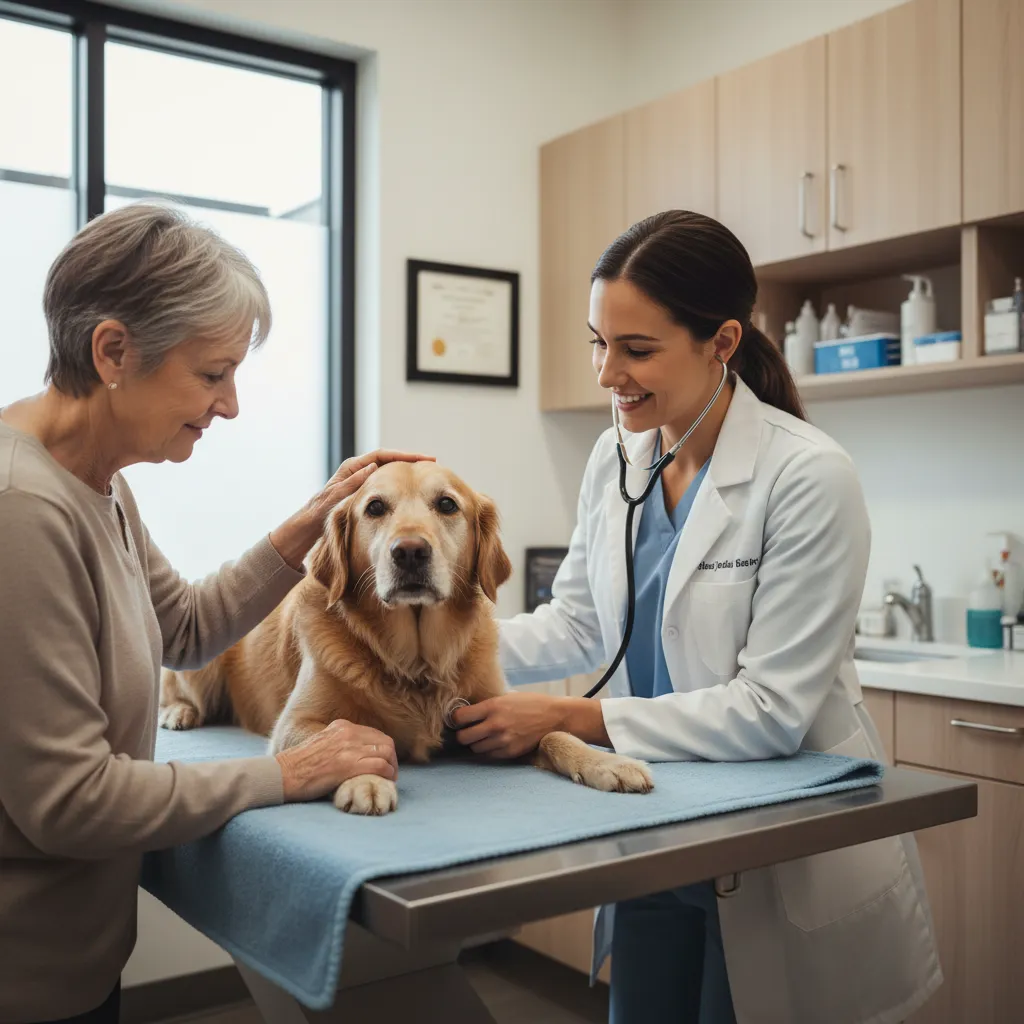
Senior pets should visit the veterinarian at least every six months. Because animals age faster than humans, a twice-yearly check-up allows for the early detection of age-related diseases like kidney failure, arthritis, and heart disease, improving the chances of successful management.
What are the signs of arthritis in older dogs?
Common signs of arthritis in older dogs include stiffness after resting (especially in the morning), reluctance to jump into cars or onto furniture, difficulty climbing stairs, lagging behind on walks, irritability when touched, and licking joints. It is often worse in cold, damp weather.
Is anesthesia safe for senior pets for dental work?
Yes, anesthesia can be safe for senior pets when appropriate precautions are taken. This includes pre-anesthetic blood testing to check organ function, IV fluid support during the procedure, and advanced monitoring of heart rate and blood pressure. Untreated dental disease often poses a greater health risk than anesthesia.
What supplements are best for senior dogs in NZ?
The most beneficial supplements for senior dogs typically include Glucosamine and Chondroitin for joint support, Omega-3 fatty acids (fish oil) for inflammation and coat health, and antioxidants for cognitive function. Always consult a veterinarian before starting supplements to ensure they do not interact with other medications.
How can I help my dog with dementia?
To help a dog with dementia (Cognitive Dysfunction Syndrome), maintain a strict routine, avoid rearranging furniture, provide mental stimulation through food puzzles, and ensure they get daylight exposure to regulate sleep cycles. Veterinarians can also prescribe specific diets and medications to slow cognitive decline.