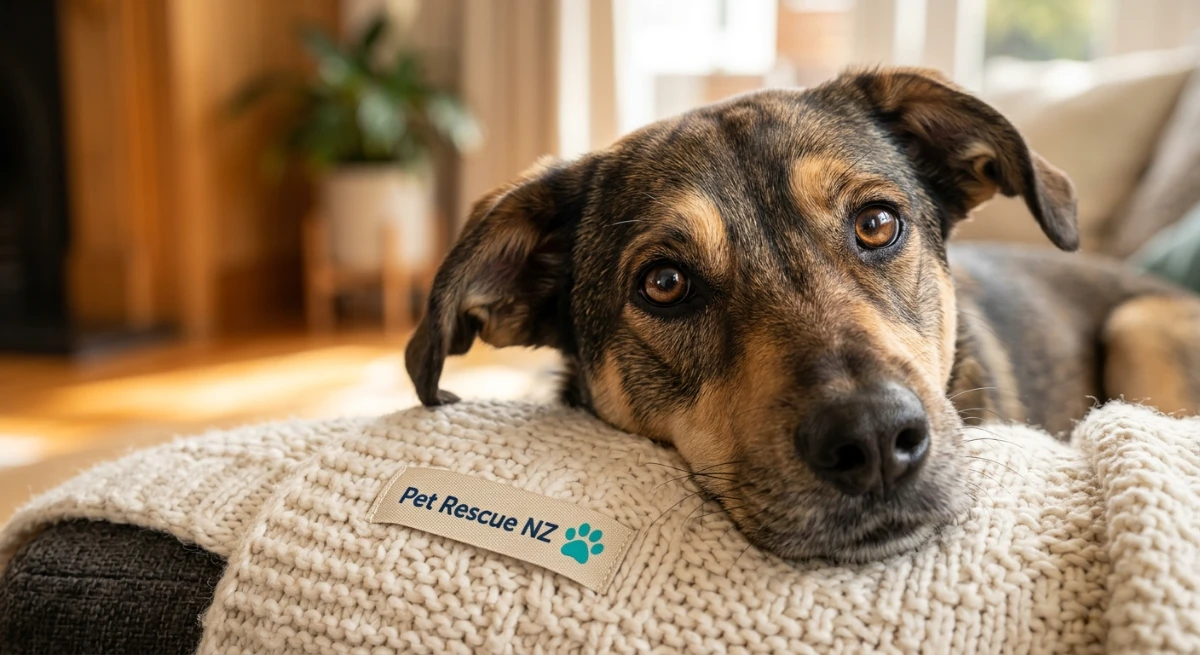
Understanding Your Dog’s Needs: A Guide for NZ Owners
When we welcome a dog into our lives, we are not just taking on a pet; we are welcoming a new family member into our whānau. Across Aotearoa, our dogs walk alongside us on black-sand beaches, join us on bushwalks, and curl up at our feet during stormy winter nights. But truly caring for these loyal companions goes far deeper than simply filling a food bowl or throwing a tennis ball in the local park. To give them a life that is genuinely fulfilling, we must dedicate ourselves to Understanding Your Dog’s Needs: A Guide for NZ Owners.
Our relationship with dogs in New Zealand is incredibly special. According to the latest pet ownership data, nearly two-thirds of Kiwi households share their lives with a companion animal. Dogs are a massive part of this, bringing joy, comfort, and unconditional love to hundreds of thousands of homes across the country. Yet, meeting their complex needs in a fast-paced world can sometimes feel overwhelming, especially when life throws unexpected curveballs.
At Pet Rescue NZ, we believe that every dog deserves to live a happy, healthy, and safe life. We also understand that being a great dog owner is a continuous journey of learning and adaptation. This guide is designed to walk you through the essential aspects of canine care, offering practical, honest advice that fits our unique Kiwi lifestyle.
Key Takeaways
To truly master Understanding Your Dog’s Needs: A Guide for NZ Owners, focus on the five domains of animal welfare: nutrition, environment, physical health, behavioral opportunities, and emotional states. Prioritizing these areas ensures a happy, healthy companion while navigating Kiwi-specific challenges like rental housing and cost-of-living pressures.
The five domains of dog welfare
To truly understand what our dogs need, we can look to the Five Domains model of animal welfare. This framework is widely respected by veterinary professionals and animal advocates across New Zealand. It reminds us that welfare is not just about avoiding suffering, but actively promoting positive experiences.
The Five Domains look at nutrition, environment, health, behavior, and mental state. When we address each of these areas, we help our dogs experience what Companion Animals New Zealand calls “A Good Life”. Let’s break down what each domain means for you and your dog.
Physical and nutritional needs
A healthy diet is the foundation of your dog’s well-being. Dogs require a balanced diet tailored to their age, breed, size, and activity level. Feeding them high-quality food supports their immune system, keeps their coat shiny, and maintains their energy levels.
In New Zealand, we are fortunate to have access to excellent commercial pet foods, but we must also be aware of local hazards. For example, the native karaka tree produces orange berries that are highly toxic to dogs and can be fatal if ingested. Always keep a close eye on what your dog is sniffing or chewing when exploring local bush tracks.
Fresh, clean water must always be available, both inside the house and out in the yard. If you are heading out for a day of hiking or visiting a regional park, remember to pack a portable water bowl. Keeping your dog hydrated is just as important as keeping yourself hydrated on the trail.
Environmental comfort and safety
Our dogs need a safe, comfortable place to rest and sleep. This means having a dedicated indoor bed away from cold drafts, direct sunlight, and household chaos. A secure home environment helps reduce anxiety and gives your dog a sense of belonging.
For outdoor spaces, secure fencing is absolutely essential. Under the Dog Control Act, Kiwi owners have a legal obligation to keep their dogs under control and contained within their property boundaries. A sturdy fence not only keeps your dog safe from roaming but also protects them from traffic and potential conflicts.
Additionally, always ensure your dog has access to adequate shelter if they spend time outdoors. New Zealand’s weather can be highly unpredictable, shifting from intense sunshine to sudden rainstorms in a matter of minutes. Outdoor shelters should be weatherproof, insulated, and elevated off the cold ground.
Health and veterinary care
Regular veterinary check-ups are key to catching health issues before they become serious. This includes annual vaccinations, dental checks, and consistent parasite control for fleas, ticks, and worms. Staying on top of preventive care is much easier on your dog—and your wallet—than treating an advanced illness.
Registering your dog on the NZCAR is the single best way to ensure they find their way back to you if they ever slip through an open gate or wander off.
Desexing and microchipping are also fundamental aspects of responsible pet ownership in Aotearoa. Microchipping is a legal requirement for most dogs in New Zealand and is your best insurance policy if your dog ever gets lost. It ensures that vet clinics and animal shelters can quickly identify your dog and reunite you.
It is also wise to consider pet insurance early in your dog’s life. Medical emergencies, accidents, or chronic illnesses can arise unexpectedly, and veterinary treatments can be costly. Having insurance provides peace of mind, allowing you to focus on your dog’s recovery rather than the financial strain.
Behavioral opportunities and play
Dogs are active, intelligent animals that need regular physical exercise and mental stimulation. Daily walks are not just about burning off physical energy; they are crucial opportunities for your dog to explore, sniff, and interact with the world.
Mental enrichment is just as important as physical exercise. You can challenge your dog’s brain by using puzzle feeders, hiding treats around the garden, or teaching them new tricks using positive reinforcement. A mentally stimulated dog is far less likely to engage in destructive behaviors like digging or excessive barking.
To keep your dog mentally stimulated, try introducing a stuffed puzzle toy, setting up a safe sniffing route on your daily walk, and dedicating 10 minutes to positive reinforcement training.
Remember that play is also a fantastic way to strengthen your bond with your dog. Whether it’s a game of fetch, a gentle tug-of-war, or an interactive training session, play releases feel-good hormones in both you and your companion. It builds trust and helps your dog feel secure in their place within your family.
Positive mental and emotional states
The ultimate goal of meeting the first four domains is to achieve a positive mental state for your dog. Our dogs are sentient beings capable of experiencing a wide range of emotions, including joy, fear, frustration, and sadness. A happy dog is one that feels safe, loved, and understood.
To support their emotional well-being, avoid using punishment-based training methods, which can cause fear and damage your relationship. Instead, focus on rewarding the behaviors you want to see. Creating a predictable daily routine also helps reduce stress, as dogs thrive when they know what to expect.
Pay close attention to how your dog reacts to different situations. If they seem anxious around visitors or fearful of loud noises like thunderstorms, give them a safe, quiet space to retreat to. Supporting them through their fears with patience and kindness is a key part of Understanding Your Dog’s Needs: A Guide for NZ Owners.
Decoding your dog’s body language
Dogs are constantly communicating with us, but they do so primarily through body language rather than vocalizations. Learning to read these subtle physical cues is essential for preventing misunderstandings and keeping everyone safe.
Many behavioral issues stem from owners misinterpreting what their dog is trying to say. By becoming a keen observer of your dog’s posture, ears, eyes, and tail, you can gain deep insights into their current emotional state.
Subtle signs of stress and anxiety
When a dog is feeling stressed or uncomfortable, they will often display “calming signals” to diffuse the situation. These signs can be incredibly subtle, and they are easily missed if you don’t know what to look for.
Common indicators of stress include lip licking (when no food is present), yawning out of context, and “whale eye,” where the whites of the dog’s eyes are visible. Your dog might also turn their head away, shake their body as if they are wet, or hold their tail low or tucked between their legs.
If you notice these signs, it is important to give your dog some space and remove them from the source of stress. Forcing a stressed dog to interact with a person or another animal can lead to their anxiety escalating, potentially resulting in defensive behavior.
Joy, relaxation, and content behaviors
On the flip side, a happy and relaxed dog is easy to spot once you know the signs. A content dog will have a loose, wiggly body, soft eyes, and relaxed ears that are in their natural position.
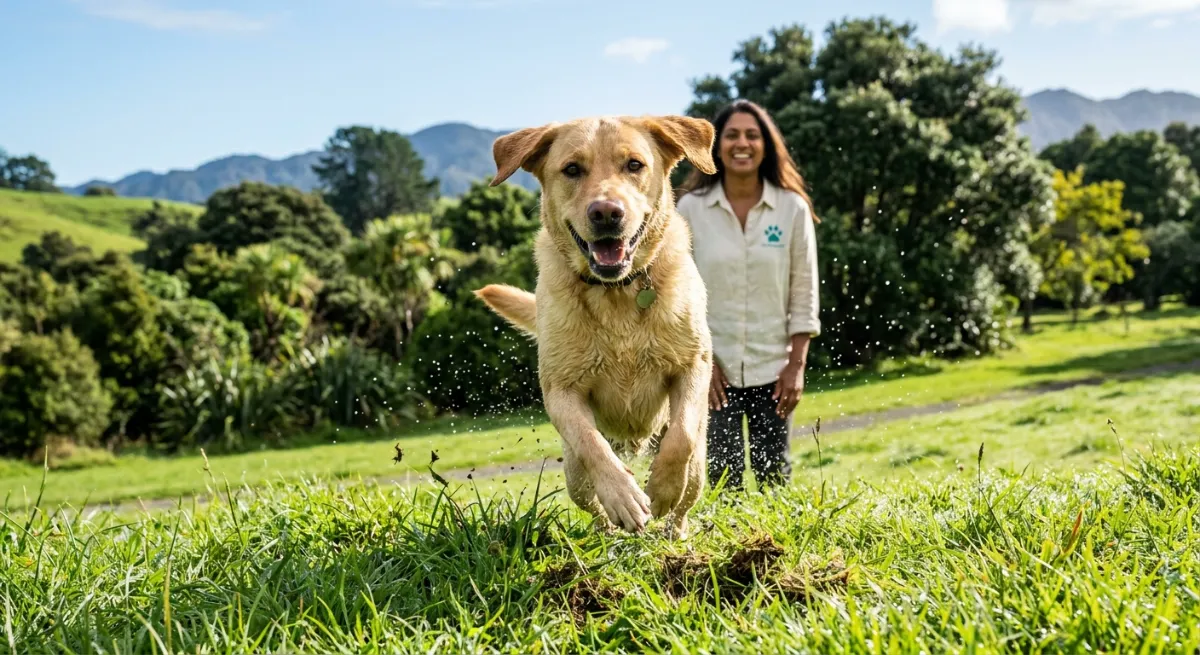
Their mouth might be slightly open, looking almost like they are smiling, with a relaxed tongue. When they invite you to play, they may perform a “play bow,” lowering their front chest to the ground while keeping their rear end in the air.
A relaxed dog will also seek out your company, leaning against you or resting nearby. They are able to settle easily and sleep deeply, showing that they feel entirely safe and secure in their environment.
Why a wagging tail doesn’t always mean happy
One of the most common myths in dog ownership is that a wagging tail always indicates a happy dog. In reality, a wagging tail simply means the dog is emotionally aroused or excited—but that excitement can be positive or negative.
A slow, stiff wag, or a tail held high and vibrating, can actually be a warning sign of tension or impending aggression. Conversely, a loose, sweeping “helicopter” wag that involves the whole back end usually indicates genuine joy and friendliness.
Always look at the entire dog, rather than just the tail, to get an accurate picture of how they are feeling. If the rest of their body is stiff and tense, a wagging tail is a sign that you should proceed with extreme caution.
Navigating the cost of living as a Kiwi owner
There is no denying that the cost of living in Aotearoa has put pressure on many households in recent years. Feeding and caring for a dog is a significant financial commitment, and inflation has made veterinary care, high-quality food, and pet products more expensive.
According to recent surveys, more than a quarter of Kiwi pet owners have found it challenging to meet the rising costs of pet care. It is a hard reality, but there are practical ways to manage these expenses without compromising your dog’s well-being.
Budgeting for your dog’s physical needs
To keep food costs manageable, consider buying high-quality kibble in bulk, which is often far more cost-effective than buying smaller bags. You can also make your own simple dog treats at home using dog-safe ingredients like dehydrated sweet potato or small pieces of plain cooked chicken.
When it comes to toys and bedding, you don’t need to spend a fortune on high-end retail products. Many dogs are perfectly happy with simple DIY toys, like a cardboard box filled with paper and dry treats for them to shred, or an old towel tied into a tight knot for a game of tug.
Additionally, look out for local community initiatives. Some animal charities and veterinary clinics offer low-cost desexing and microchipping days, which can significantly reduce the initial costs of responsible dog ownership. This is an essential aspect of Understanding Your Dog’s Needs: A Guide for NZ Owners.
Preventive care versus emergency expenses
Investing in preventive care is one of the smartest financial decisions you can make as a dog owner. Regular vaccinations, flea and worming treatments, and basic dental hygiene (like brushing your dog’s teeth or providing safe dental chews) can prevent incredibly expensive veterinary bills down the road.
Setting up a dedicated “pet emergency fund” is another excellent strategy. By putting away a small, manageable amount of money each week, you can build a safety net to cover unexpected veterinary visits or treatments.
Pet insurance is also highly recommended, especially for younger dogs before any pre-existing conditions develop. It helps ensure that if your dog is involved in an accident or develops a serious illness, you can make treatment decisions based on their welfare rather than your bank balance.
Unique challenges of NZ lifestyles and environments
Living in New Zealand offers incredible opportunities for outdoor adventures with our dogs, but it also presents unique environmental and lifestyle challenges that we must navigate.
From strict rental agreements to regional council bylaws and our intense summer sun, being a responsible Kiwi dog owner requires a good understanding of local rules and conditions.
Rental housing barriers and pet-friendly living
Finding a pet-friendly rental property is one of the biggest challenges faced by dog owners in New Zealand, particularly for younger demographics and those living in major urban centers like Auckland and Wellington.
Many landlords are hesitant to allow dogs due to fears of property damage or noise complaints. To improve your chances of securing a pet-friendly home, it can be incredibly helpful to create a “pet resume” for your dog.
This resume can include a photo of your dog, proof of registration and microchipping, records of up-to-date vaccinations, and a written reference from a previous landlord or your vet confirming that your dog is well-behaved and quiet. Being proactive and transparent goes a long way in building trust with potential landlords.
Managing the climate and outdoor safety in New Zealand
New Zealand’s climate is generally mild, but our summer sun is incredibly intense. Dogs do not sweat the way humans do; they rely on panting to cool down, making them highly susceptible to heatstroke.
Never, ever leave your dog in a parked car during the warmer months, even with the windows cracked. The temperature inside a car can reach dangerous levels in minutes, leading to rapid heatstroke and death. If you are running errands, it is always safest to leave your dog at home in a cool, shaded room.
Be mindful of hot footpaths and sand when taking your dog out for a walk. If the ground is too hot for you to comfortably hold the back of your hand against it for five seconds, it is far too hot for your dog’s sensitive paw pads. Opt for early morning or late evening walks when the ground has cooled down.
Adoption and rehoming: A compassionate choice
Life is unpredictable, and sometimes, despite our very best intentions, our circumstances change. Relationship breakdowns, sudden financial hardship, health issues, or housing crises can mean that keeping a beloved dog is no longer possible.
At Pet Rescue NZ, we believe that choosing to rehome a dog in these situations is not an act of failure—it is a deeply compassionate, responsible decision made out of love for the animal. It is about putting your dog’s needs ahead of your own feelings.
When life changes: Making the right choice for your dog
If you find yourself struggling to meet your dog’s physical or emotional needs, it is important to be honest with yourself. Every dog deserves to thrive, not just get by. If you can no longer provide the time, space, or resources they need, rehoming may be the best path forward.
It is entirely normal to feel a profound sense of guilt or sadness during this time. We want you to know that there is no judgment here. Our community is built on empathy, and we are here to support you through every step of the process.
When rehoming, the goal is always to find a family that matches your dog’s specific personality and needs. By taking a proactive, thoughtful approach, you can ensure your dog transitions smoothly into their next chapter.
How direct home-to-home rehoming preserves well-being
Traditionally, surrendering a pet meant taking them to a physical shelter. While shelters do incredibly important work, the kennel environment can be highly stressful, loud, and disorienting for a dog who is used to a comfortable home.
This is why Pet Rescue NZ advocates for direct, home-to-home rehoming. By listing your dog on our peer-to-peer platform, your dog gets to stay in the comfort and safety of their familiar home until the perfect new family is found.
Rehoming or adopting dogs through unmoderated social media pages puts you at risk of scams, backyard breeders, and unsafe handovers. Always use dedicated, secure platforms that prioritize animal welfare.
This model eliminates shelter stress, guarantees zero cage time, and gives you, the owner, complete control over who adopts your dog. You can chat directly with potential adopters, ask the right questions, and ensure a seamless, warm handover that keeps your dog’s emotional well-being at the forefront of Understanding Your Dog’s Needs: A Guide for NZ Owners.
Summary of companion dog needs in New Zealand
To help you keep track of everything we’ve covered, we have put together a quick-reference table summarizing the core needs of Kiwi dogs and the simple, practical steps you can take to meet them.
| Need Category | Why It Matters | Signs of Deficiency | Practical Kiwi Solutions |
|---|---|---|---|
| Nutritional | Fuels physical health and prevents systemic diseases. | Dull coat, low energy, weight fluctuations, or digestive issues. | High-quality balanced diet, fresh water, and avoiding toxic local plants. |
| Environmental | Provides safety, shelter, and a sense of secure territory. | Excessive barking, pacing, hiding, or destructive chewing. | A quiet indoor sleeping corner, secure fencing, and shelter from winter winds. |
| Behavioral | Allows natural canine behaviors like sniffing, digging, and playing. | Hyperactivity, listlessness, or obsessive-compulsive licking. | Decompression walks on a long line, puzzle feeders, and nose work games. |
| Emotional | Nurtures the human-animal bond and builds confidence. | Separation anxiety, fear of novel objects, or withdrawal. | Consistent daily routines, positive reinforcement, and quality bonding time. |
Dog ownership trends in New Zealand
To give you a broader picture of pet ownership in Aotearoa, let’s look at the latest statistics from Companion Animals New Zealand. The data shows just how deeply embedded companion animals are in our national identity.
As the data illustrates, dogs are present in nearly a third of all Kiwi households. This high rate of companionship highlights the collective responsibility we share to ensure our canine whānau receive the very best care possible, reinforcing the importance of Understanding Your Dog’s Needs: A Guide for NZ Owners.
Frequently asked questions
About the Author
This guide was crafted by the dedicated team at Pet Rescue NZ. As a family-run, community-funded platform, we are passionate about supporting Kiwi families and their companion animals. Our mission is to promote responsible pet ownership, share honest welfare insights, and facilitate safe, direct home-to-home rehoming across Aotearoa.