Cleaning Standards: Moving Out with Pets
End of tenancy cleaning with pets refers to the specialized sanitation process required to return a rental property to its pre-lease condition, accounting for animal-specific issues. This includes mandatory flea fumigation, deep steam cleaning of carpets to remove dander, and the use of enzymatic solutions to neutralize biological odors, ensuring the return of the security deposit.
Moving house is widely considered one of life’s most stressful events. Add a furry companion to the mix, and the complexity doubles. For tenants, the stakes are high; security deposits often amount to five weeks’ rent or more, and landlords are increasingly vigilant when inspecting properties that have housed animals. The gap between what a tenant considers “clean” and what a landlord expects can be vast, especially when pet hair, odors, and potential infestations are involved. This guide serves as the definitive resource for tenants moving out with pets, ensuring you meet your contractual obligations and leave on good terms.
Understanding the Standards: Reasonably Clean vs. Professional Clean
The first step in a successful move-out is understanding the legal and contractual benchmarks you are expected to meet. A common misconception among tenants is that the property must be upgraded or returned in a “brand new” condition. In reality, the legal requirement in most jurisdictions is to return the property in the same condition as it was at the start of the tenancy, minus “fair wear and tear.”
Fair Wear and Tear vs. Pet Damage
Distinguishing between fair wear and tear and actual damage is critical when you have pets. Fair wear and tear refers to the gradual deterioration of a property that occurs naturally over time. However, damage caused by pets rarely falls under this category.
- Fair Wear and Tear: Slight fading of curtains due to sunlight, minor scuffs on the hallway wall from high traffic, or worn carpet pile in the center of a room.
- Pet Damage (Chargeable): Scratches on door frames, torn curtains from climbing cats, urine stains on carpets, or dug-up patches in the lawn.
According to the Tenancy Deposit Scheme (TDS), disputes over cleaning are the most common cause for deposit deductions. When pets are involved, the scrutiny increases. Landlords are entitled to deduct money for professional cleaning if the property is not returned to the standard detailed in the check-in inventory. Therefore, referencing your initial inventory report is vital. If the carpets were professionally steam cleaned before you moved in, you are generally expected to do the same when moving out.
The Battle Against Pet Hair and Dander
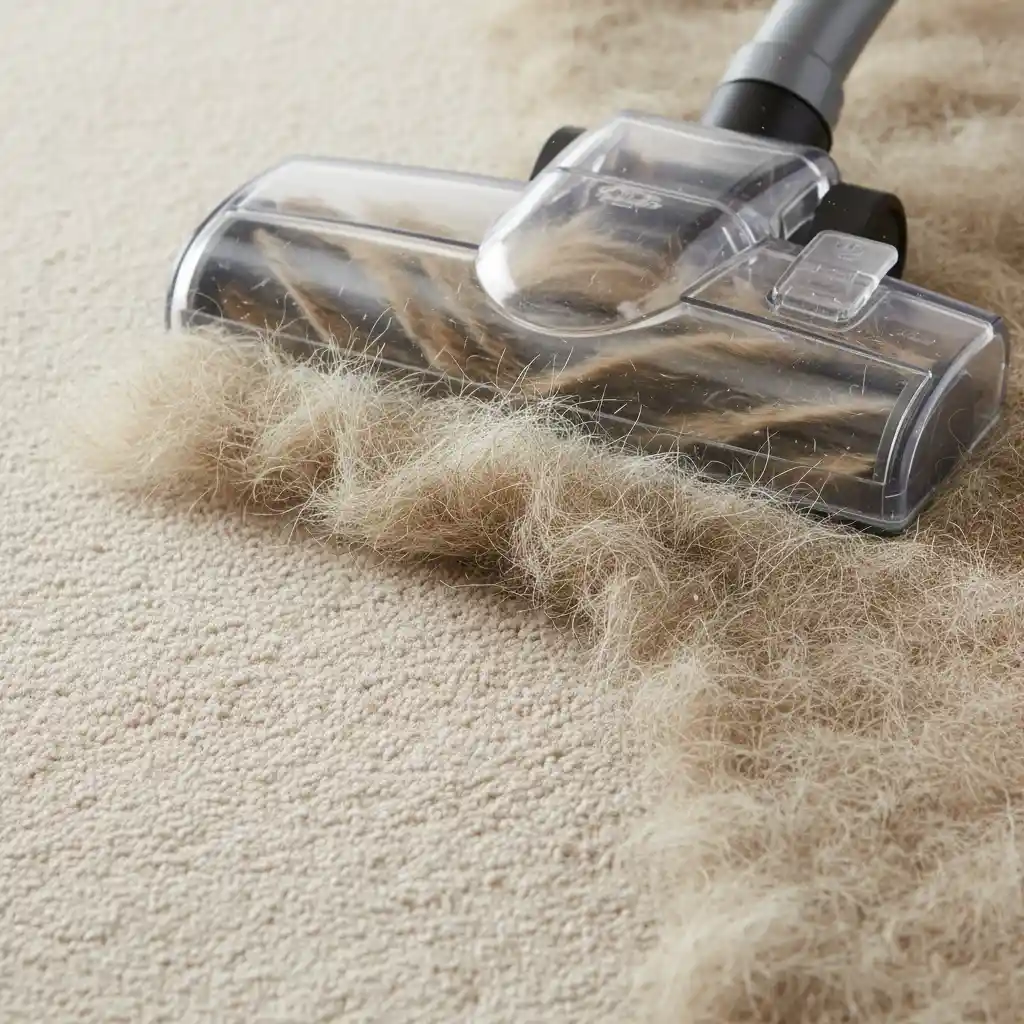
Pet hair is insidious. It works its way into carpet fibers, behind radiators, and into the mechanisms of household appliances. A standard vacuum run is rarely sufficient to meet end of tenancy cleaning standards.
Effective Hair Removal Techniques
- The Initial Vacuum: Use a high-powered vacuum with a HEPA filter. Go over every room in multiple directions (North-South, then East-West) to lift pile and trapped hair.
- Rubber Broom or Squeegee: For carpets that are heavily embedded with hair, a rubber broom uses static electricity and friction to pull hair to the surface that vacuums miss.
- Detailing: Use a damp rubber glove to wipe down skirting boards, fabric lampshades, and upholstery. The friction balls up the hair for easy removal. Don’t forget to vacuum the inside of closets and behind heavy appliances where tumbleweeds of fur accumulate.
- Washing Machine Maintenance: If you are leaving a furnished property with a washing machine, ensure you run a maintenance cycle with a cleaner to remove any pet hair trapped in the drum or filter.
Eliminating Pet Odors: Beyond Masking
The most common reason for a landlord to withhold a deposit after a pet tenancy is smell. You may be “nose blind” to the scent of your dog or cat, but a landlord or new tenant will notice it immediately. Traditional cleaning products often mask odors with floral scents, which eventually fade, revealing the underlying pet smell.
The Science of Enzymatic Cleaning
To truly pass an inspection, you must destroy the source of the odor. Urine, vomit, and feces contain uric acid crystals and proteins that standard detergents cannot break down. When humidity rises, these crystals rehydrate and the smell returns.
You must use enzymatic cleaners. These bio-based cleaners contain bacteria and enzymes that digest the organic matter causing the smell. When treating carpets or upholstery:
- Saturate the Area: The cleaner must reach as deep as the urine soaked. If it reached the underlay, the cleaner must too.
- Dwell Time: Enzymes need time to work. Cover the treated area with plastic wrap to keep it moist for 12-24 hours.
- Extraction: Once treated, use a carpet cleaner to extract the liquid.
Do not use steam cleaners on urine stains before enzymatic treatment. The heat can bond the proteins to the man-made fibers of the carpet, setting the stain and smell permanently.
Repairing Physical Damage: Scratches and Chews
Physical damage is distinct from cleaning but often lumped into the same “make good” obligations. Common issues include scratched doors, chewed skirting boards, and torn fly screens.
Woodwork and Doors
For minor surface scratches on wooden doors or frames caused by a dog jumping up:
- Sand and Re-stain/Paint: Lightly sand the affected area. If the wood is painted, match the paint code (often found in the inventory) and apply a fresh coat. If stained, use a wood filler wax stick that matches the grain color.
- Deep Gouges: For chewed skirting boards, you may need to use a two-part wood filler. Apply, let it harden, sand it flush with the profile of the board, and then paint.
If the damage is extensive, such as a cat having shredded the carpet at a doorway, “patching” is rarely acceptable unless done by a professional who can make it invisible. In many cases, you may be liable for the depreciated cost of replacing the carpet in that room.
Outdoor Areas: Lawn Burn and Digging
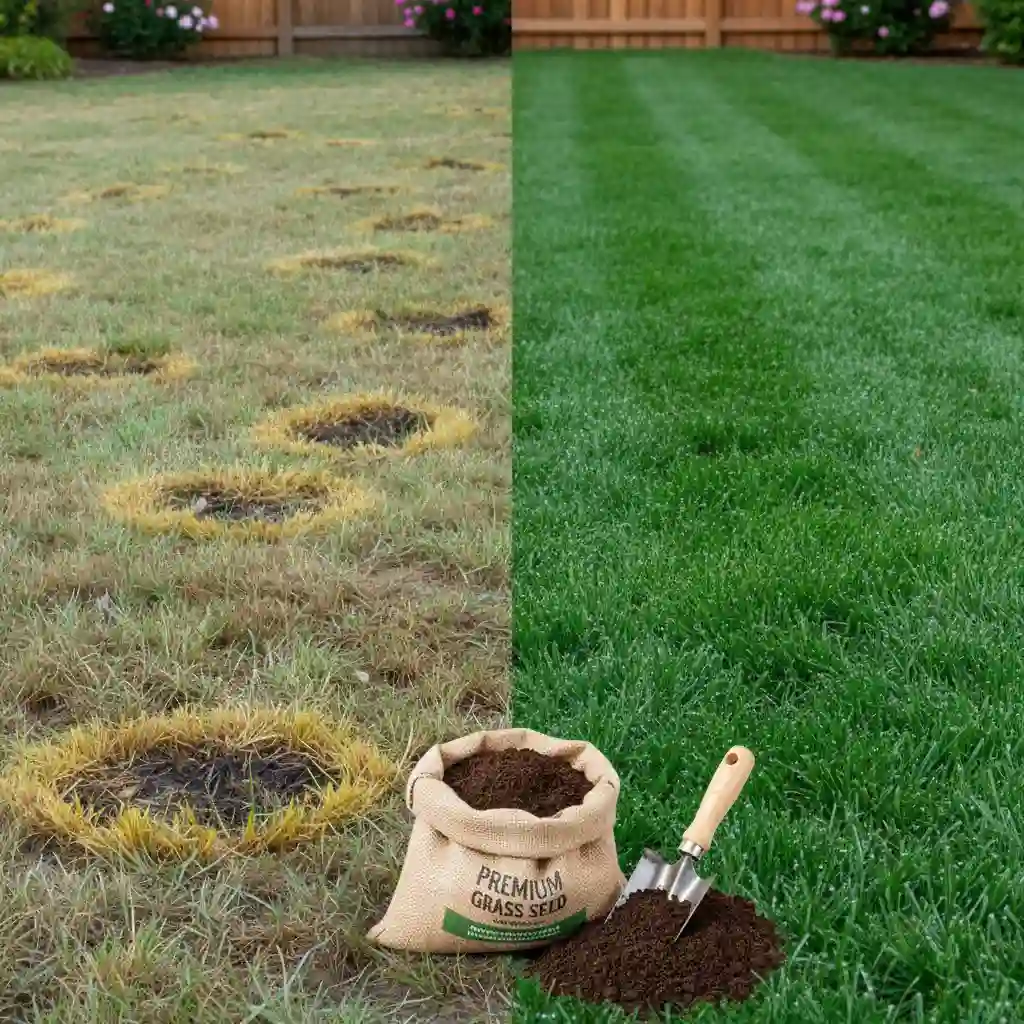
Many tenancy agreements specify that the garden must be returned in a “neat and tidy” state. For pet owners, this presents specific challenges, primarily urine burn marks on the lawn and holes from digging.
Rectifying Urine Burns
- Flush the Soil: Water the affected areas heavily to leach excess nitrogen and salts from the soil.
- Rake and Remove: Rake out the dead, yellow grass.
- Neutralize: Apply a lawn repair treatment that contains gypsum or lime to help balance the soil pH.
- Reseed: Mix grass seed with topsoil and cover the patch. Keep it moist until germination.
Note that this process takes weeks. If you are moving out in two days, you cannot grow new grass. In this scenario, be prepared to negotiate a deduction for garden maintenance.
Flea Treatment Requirements and Fumigation
Even if your pet has never had fleas, many tenancy agreements include a mandatory “flea fumigation” clause upon vacating. This is a preventative measure to protect the next tenant.
Contractual vs. Statutory
Check your lease carefully. Some clauses specifically demand a “professional pest control receipt.” In this case, setting off a store-bought flea bomb (fogger) will not satisfy the contract, and the landlord can charge you for a professional service regardless of your efforts.
If the contract only states the property must be “free of pests,” you may be able to treat it yourself. However, ensure you use a product containing an Insect Growth Regulator (IGR). Adulticides kill living fleas, but IGRs prevent eggs and larvae from developing. Without IGR, eggs in the carpet can hatch weeks after you move out, leading to a dispute long after you’ve returned the keys.
For authoritative advice on pest life cycles and safe treatment, refer to resources like the RSPCA or your local veterinarian. Always ventilate the property thoroughly after any chemical treatment.
DIY vs. Hiring Professional Cleaners
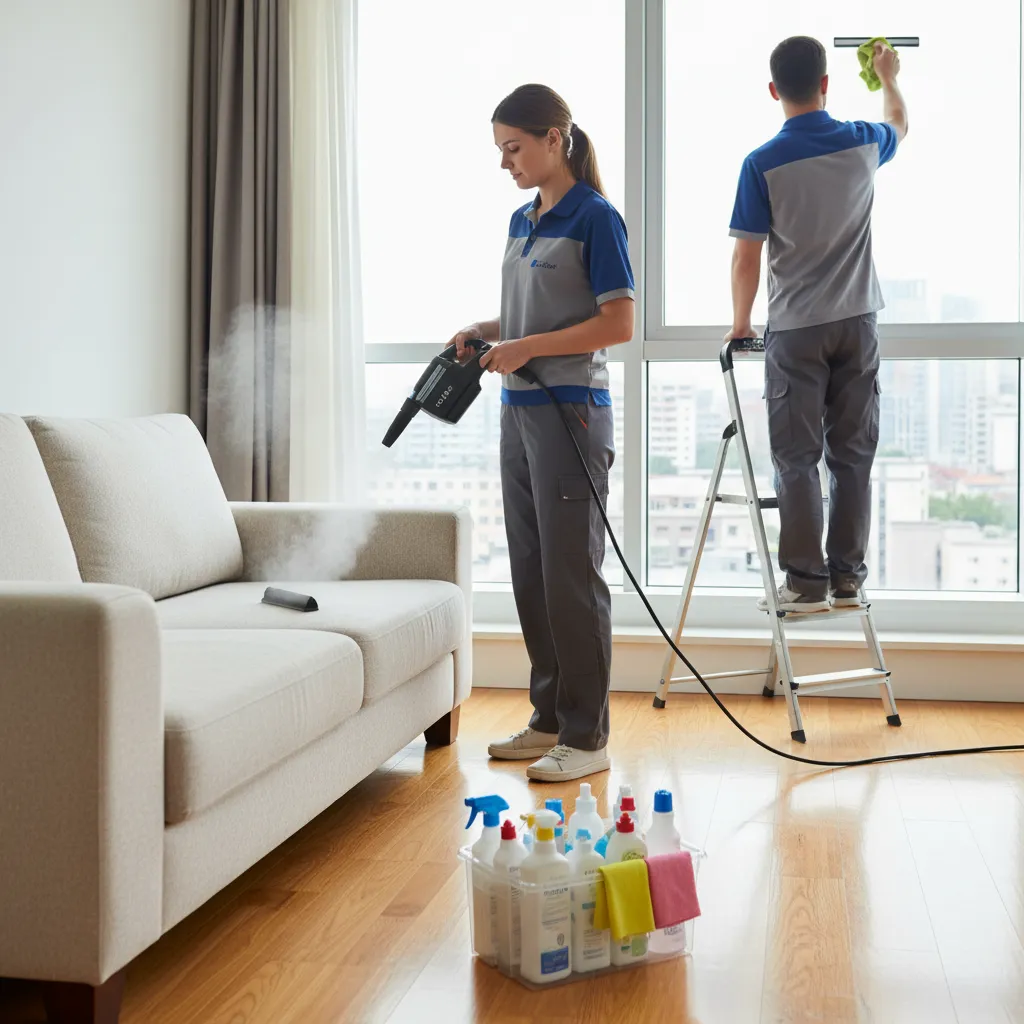
The ultimate question for tenants is whether to tackle the cleaning themselves or hire a professional end of tenancy cleaning company.
The DIY Route
Pros: significantly cheaper; you have control over the process.
Cons: incredibly labor-intensive; you must rent equipment (carpet cleaner); if the landlord finds fault, you have no recourse.
If you choose DIY, you must buy specific pet-safe chemicals and likely rent a commercial-grade carpet cleaner (like a Rug Doctor). The cost of rentals and chemicals can add up quickly.
The Professional Route
Pros: Guaranteed standards; many companies offer a “re-clean guarantee” (if the landlord complains, they come back for free); they have industrial equipment.
Cons: Higher upfront cost.
When hiring a professional, explicitly request an “End of Tenancy Clean with Pet Treatment.” This ensures the quote includes flea fumigation and heavy-duty carpet extraction. Having the receipt for this service is your golden ticket during the final inspection—it is proof of due diligence.
Conclusion: Securing Your Deposit
Moving out with pets requires a proactive strategy. Do not wait until the final week to assess the property. Walk through your home 30 days before your move-out date with your original inventory in hand. Identify the scratches, smell the carpets, and inspect the garden.
By distinguishing between simple cleaning and necessary repairs, utilizing enzymatic cleaners for odors, and adhering to flea treatment clauses, you demonstrate responsible pet ownership. Whether you scrub the floors yourself or hire a squad of professionals, the goal remains the same: leaving the property in a condition that respects the landlord’s asset and secures the return of your hard-earned deposit.
People Also Ask
Can a landlord charge for professional cleaning if I have pets?
In many jurisdictions (like the UK under the Tenant Fees Act 2019), landlords cannot force you to use a specific professional cleaning company. However, they can require the property to be cleaned to a professional standard. If you cannot achieve this standard yourself (removing all hair, odors, and stains), they can deduct the cost of professional cleaning from your deposit to rectify the shortfall.
How do I get rid of dog smell in a rental house?
To remove dog smell, you must clean all soft furnishings. Wash curtains and cushion covers. Use an enzymatic cleaner on carpets and upholstery to break down organic proteins. Ventilate the property thoroughly and consider using an ozone generator (with caution and while the property is empty) for extreme cases.
Is flea fumigation mandatory when moving out?
Flea fumigation is mandatory if it is written into your tenancy agreement as a special clause for pet permission. Even without a clause, if an infestation is found during the final inspection, you will be liable for the cost of pest control. Many tenants perform it as a preventative measure to ensure a full deposit return.
What is considered fair wear and tear with pets?
Fair wear and tear covers gradual aging, such as worn carpet pile in traffic areas. It does NOT cover pet damage. Scratched doors, torn curtains, urine stains, and chewed skirting boards are considered damage, not wear and tear, and are chargeable against the deposit.
Can I rent a carpet cleaner for end of tenancy cleaning?
Yes, you can rent commercial-grade carpet cleaners (like Rug Doctor or Bissell) from hardware stores. If you do this, keep the receipt as proof of deep cleaning. Ensure you use the correct shampoo ratio and do not over-wet the carpet, which can cause mold or shrinkage.
How do I fix urine burn on the lawn before moving out?
Flush the area with water to dilute the nitrogen. Rake out dead grass and apply a patch repair mix containing grass seed and soil. If you don’t have time for the grass to grow back (2-3 weeks), you may have to accept a deduction for garden maintenance.
