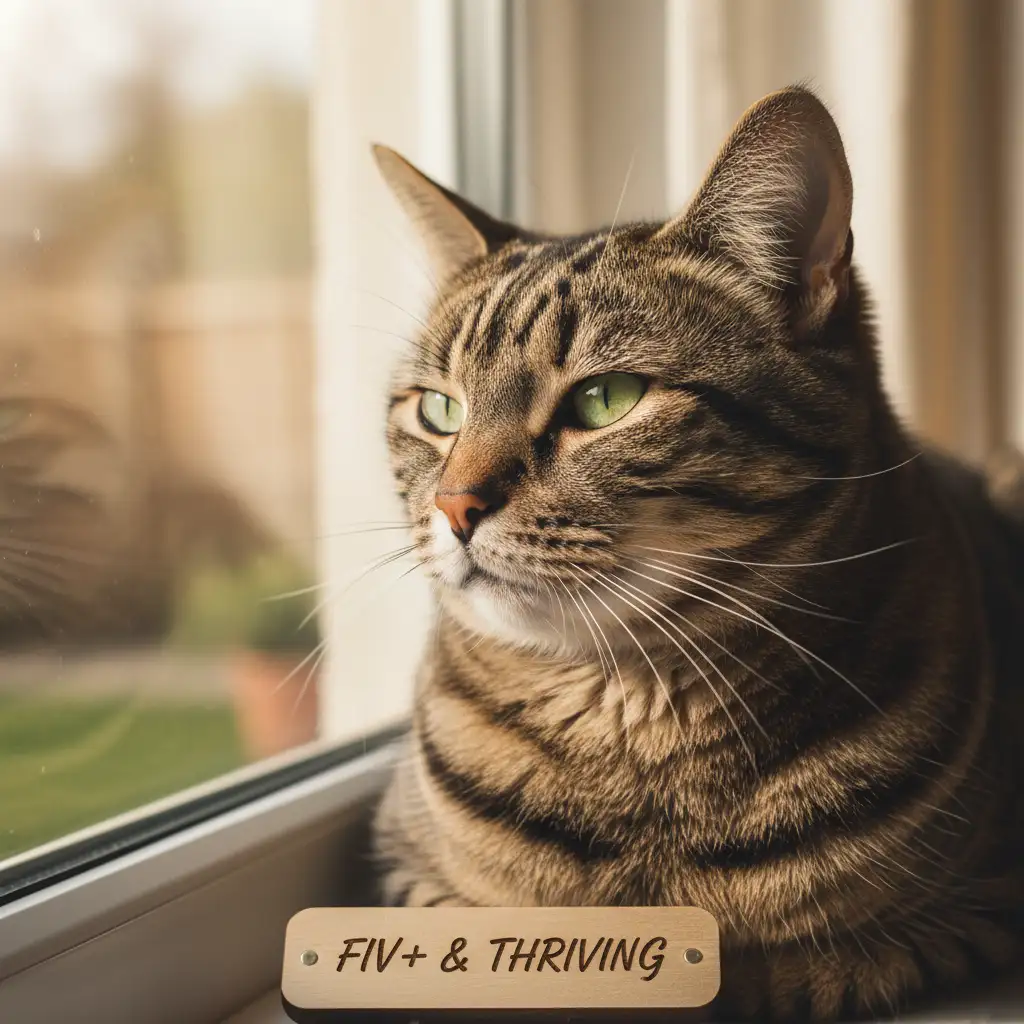
FIV+ Cat Care & Adoption
FIV cat adoption NZ refers to the compassionate act of rehoming cats diagnosed with Feline Immunodeficiency Virus within New Zealand. Adopting an FIV-positive cat requires a commitment to an indoor-only lifestyle to protect New Zealand’s unique native wildlife and prevent virus transmission. With proper care, these cats typically live normal, healthy lifespans.
Understanding Feline Immunodeficiency Virus
When prospective pet owners in New Zealand begin their search for a feline companion, they may encounter cats listed as “FIV Positive.” Understanding the biological mechanisms of the Feline Immunodeficiency Virus (FIV) is the first step toward destigmatizing the condition and realizing the potential these animals have as loving pets.
FIV is a lentivirus, which places it in the same retrovirus family as HIV (Human Immunodeficiency Virus). However, it is critical to understand that FIV is species-specific. It cannot be transmitted to humans, dogs, or other non-feline animals. The virus works by slowly compromising the cat’s immune system over a period of years. It targets the white blood cells, specifically T-lymphocytes, which are responsible for fighting off infections.
In the acute phase, occurring shortly after infection, a cat may show mild symptoms such as fever or lethargy, which often go unnoticed. Following this, the cat enters an asymptomatic carrier phase. This phase can last for many years, sometimes the cat’s entire life, during which they appear completely healthy. It is only in the terminal phase—often called Feline AIDS—that the immune system collapses, leaving the cat vulnerable to secondary infections. However, with modern veterinary care and a stress-free environment, many FIV-positive cats never reach this terminal stage and succumb to old age instead.
Myths vs. Reality of FIV Transmission
There is perhaps no condition in veterinary medicine more misunderstood by the general public than FIV. These misconceptions often lead to FIV-positive cats lingering in shelters across New Zealand far longer than their uninfected counterparts. It is time to separate the scientific reality from fear-based myths.
Myth: FIV is Spread Through Casual Contact
Reality: FIV is not easily spread. It is not transmitted through sharing food bowls, grooming each other (social grooming), sharing litter boxes, or sneezing. The virus is extremely fragile outside the body and dies within seconds of exposure to air and sunlight.
The primary mode of transmission is through deep, penetrating bite wounds where saliva enters the bloodstream. This is why unneutered male street cats are the most common demographic for FIV, as they fight over territory and mates. In a stable, indoor household where cats are sterilized and introduced properly, the risk of transmission to an FIV-negative housemate is negligible. Many households successfully manage “mixed status” clowders (groups of cats) without the virus spreading.
Myth: FIV+ Cats Have Short, Painful Lives
Reality: An FIV diagnosis is not a death sentence. Studies have shown that FIV-positive cats can have a life expectancy similar to that of uninfected cats, provided they are kept indoors and their health is monitored. They do not live in constant pain. For the vast majority of their lives, they are indistinguishable from any other cat in terms of energy, affection, and behavior.
Myth: You Cannot Have Other Cats
Reality: While caution is advised, it is not impossible. If the cats are non-aggressive and socialized, they can cohabit. However, the safest route for risk-averse owners is to adopt an FIV-positive cat as an only child or to adopt a pair of FIV-positive cats together. This ensures companionship without any anxiety regarding transmission.
According to the SPCA New Zealand, FIV positive cats can live long and happy lives, and the organization actively encourages the adoption of these special animals into appropriate homes where they can be kept safe and healthy.
Indoor-Only Requirements for FIV+ Cats
In the context of FIV cat adoption NZ, the requirement for an indoor-only lifestyle is non-negotiable. This policy serves a dual purpose: protecting the cat and protecting the environment. New Zealand has a unique ecosystem, and responsible pet ownership is paramount.
Protecting the Cat
Because an FIV-positive cat has a compromised immune system, they are less equipped to fight off common pathogens found outdoors. A simple scratch from a bush, a flea bite, or a fight with another cat can escalate into a serious infection much faster than in an FIV-negative cat. By keeping them indoors, you strictly control their environment, reducing exposure to bacteria, viruses, and parasites.
Protecting the Community and Wildlife
Allowing an FIV-positive cat to roam free is irresponsible regarding the wider feline population. If an FIV-positive cat gets into a territorial dispute with a neighbor’s cat, they could transmit the virus. Furthermore, New Zealand places a high value on protecting native bird life. Keeping cats indoors is the single most effective way to prevent predation on native species.
Enrichment for Indoor Cats
Transitioning to an indoor lifestyle requires effort from the owner to prevent boredom and obesity. Environmental enrichment is key:
- Vertical Space: Install cat trees, shelves, and window perches. Cats feel secure when they can observe their territory from above.
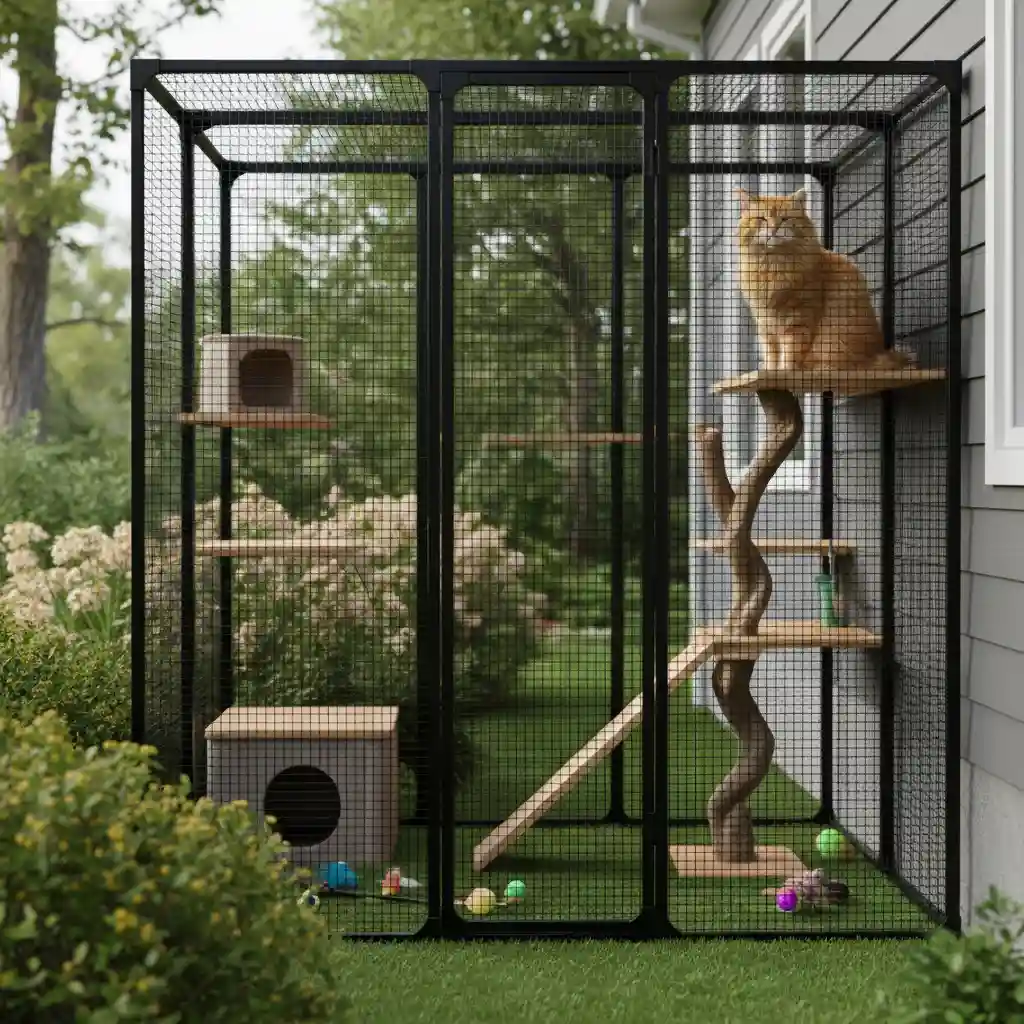
- Catios: A “catio” (cat patio) is an enclosed outdoor space that allows your cat to experience fresh air and sunshine without the risks of roaming. In NZ, where DIY is part of the culture, building a secure run is a popular option.
- Interactive Play: Engage in at least two 15-minute play sessions daily using wand toys to simulate hunting behavior.
Long-Term Health Management
Adopting an FIV-positive cat involves a proactive approach to veterinary care. While they are not “sick” on a daily basis, their immune system needs support to function optimally.
Diet and Nutrition
Nutrition is the foundation of immunity. FIV-positive cats should be fed a high-quality, balanced diet. While raw feeding is popular in some circles, it poses a higher risk of bacterial contamination (Salmonella, E. coli) which can be dangerous for immunocompromised animals. Most veterinarians recommend a premium commercial wet food or a cooked diet formulated by a veterinary nutritionist to ensure safety and complete nutrition.
Veterinary Schedule
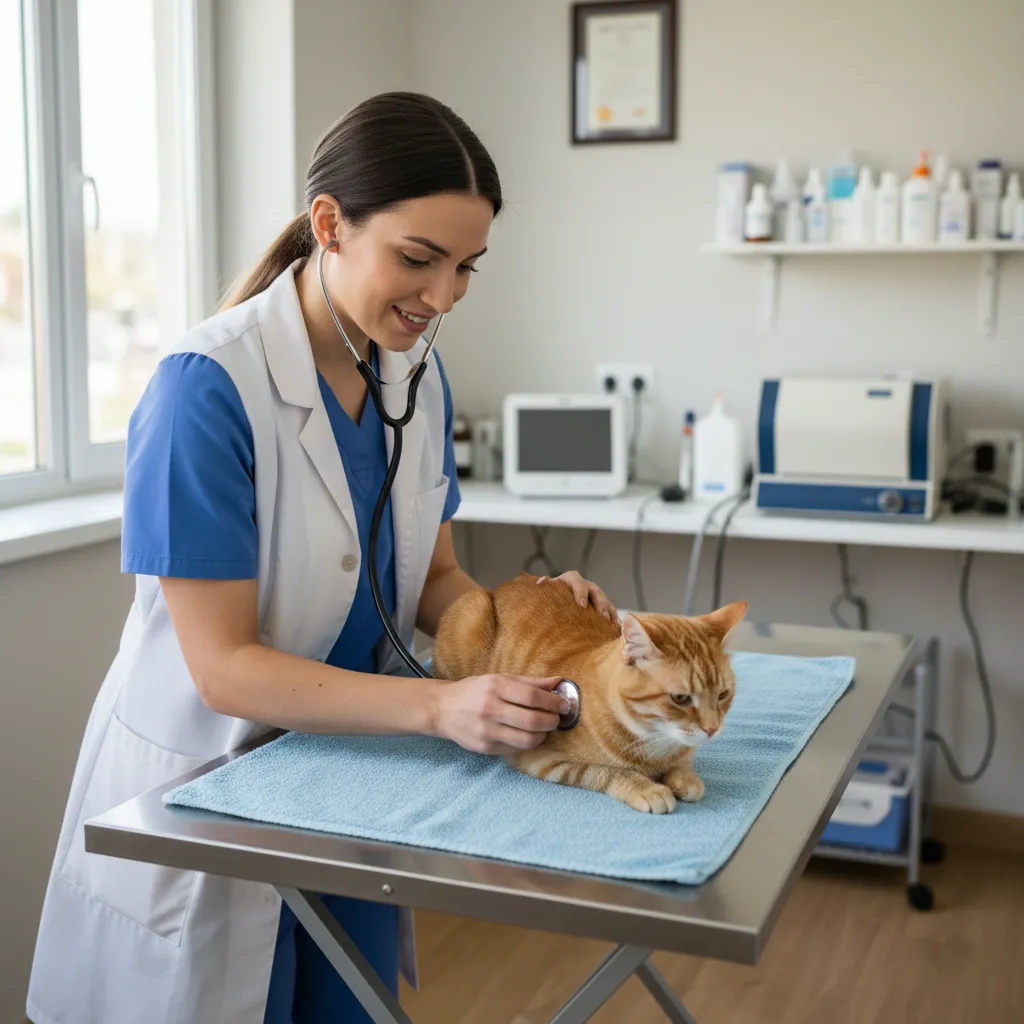
Unlike the standard annual check-up, FIV-positive cats should see a vet every six months. These wellness checks allow for early detection of minor issues before they become major infections. Particular attention should be paid to:
- Dental Health: FIV cats are prone to stomatitis and gingivitis. Regular dental cleanings and at-home brushing are essential.
- Parasite Control: Strict flea and worm control is vital, as parasites tax the immune system.
- Prompt Treatment: If an FIV cat shows signs of illness (sneezing, diarrhea, loss of appetite), they cannot “wait and see.” They require immediate veterinary attention to prevent secondary complications.
Adopting in NZ: Rentals and Tenant Advocacy
New Zealand’s rental market can be challenging for pet owners, but adopting an FIV-positive cat can actually present a unique advantage when negotiating with landlords. This falls under the niche of tenant advocacy and responsible pet ownership.
Landlords are often concerned about two things: damage to the property and nuisance to neighbors. An FIV-positive cat, by necessity, addresses both:
- Strictly Indoor: You can guarantee the landlord that the cat will not be roaming the neighborhood, digging up gardens, or fighting with other cats. This eliminates noise complaints and neighborhood disputes.
- Neutered/Spayed: Rescue organizations in NZ will not rehome an FIV cat without desexing them. Desexed cats are less likely to spray or mark territory inside the home.
- Health Monitored: Owners of special needs cats are statistically more diligent. By presenting a “Pet CV” that explains the FIV condition and the indoor-only requirement, you demonstrate a high level of responsibility.
When applying for a rental, be transparent. Explain that “FIV+ means indoor-only,” which translates to a quieter, safer tenant experience for the landlord.
The Adoption Process in New Zealand
For those new to pet ownership or considering adoption for the first time, here are some Essential Tips for First-Time Adopters in New Zealand.
If you have decided to open your heart and home to an FIV-positive cat, there are several avenues in New Zealand. Major organizations like the SPCA, as well as smaller, region-specific rescues (such as Cat Rescue Christchurch or Lonely Miaow in Auckland), frequently have FIV-positive cats seeking homes.
To further understand the process of pets finding new homes, you can learn more about Understanding Home-to-Home Pet Rehoming.
Questions to Ask the Shelter
- Has the cat had a full dental check recently?
- Are there any current secondary infections (e.g., upper respiratory issues)?
- How is the cat’s temperament with humans? (Stress is an immune suppressant, so a calm temperament is medically beneficial).
- What is their history with other cats?
While this guide focuses on FIV cats, PetRescue also provides valuable resources such as a Rehoming Older Dogs in NZ: A Loving Transition Guide for a broader understanding of pet transitions.
Adopting an FIV cat is a rewarding experience. These cats often bond deeply with their owners, grateful for the safety and comfort of a forever home. By choosing to adopt, you are saving a life that might otherwise be overlooked due to stigma.
Frequently Asked Questions
Below are common questions regarding FIV cat adoption in New Zealand.
Can FIV cats live with other cats?
Yes, FIV cats can live with non-FIV cats provided the household is stable and there is no aggression. Since the virus is transmitted through deep bite wounds, peaceful cohabitation poses negligible risk. However, proper introduction is essential to prevent fighting.
Is FIV contagious to humans or dogs?
No. Feline Immunodeficiency Virus is species-specific. It cannot be transmitted to humans, dogs, or any other non-feline animals. It is strictly a cat-to-cat virus.
How long do FIV cats live?
With proper indoor care, a high-quality diet, and regular vet check-ups, FIV-positive cats can live a normal lifespan. Many live into their late teens, dying of old age rather than the virus itself.
Why must FIV cats stay indoors in NZ?
Keeping FIV cats indoors in New Zealand is crucial for two reasons: to protect the cat’s compromised immune system from outdoor pathogens and to prevent the spread of the virus to other cats. It also protects NZ’s native wildlife from predation.
Does pet insurance cover FIV in NZ?
Most pet insurance policies consider FIV a pre-existing condition if diagnosed before the policy starts. While they may not cover FIV-related treatments, they usually cover unrelated accidents or illnesses. Always check the specific policy wording.
What is the difference between FIV and FeLV?
FIV (Feline Immunodeficiency Virus) and FeLV (Feline Leukemia Virus) are different retroviruses. FeLV is generally more severe and easily transmitted through casual contact like grooming, whereas FIV requires deep bite wounds. FeLV typically impacts lifespan more significantly than FIV.
