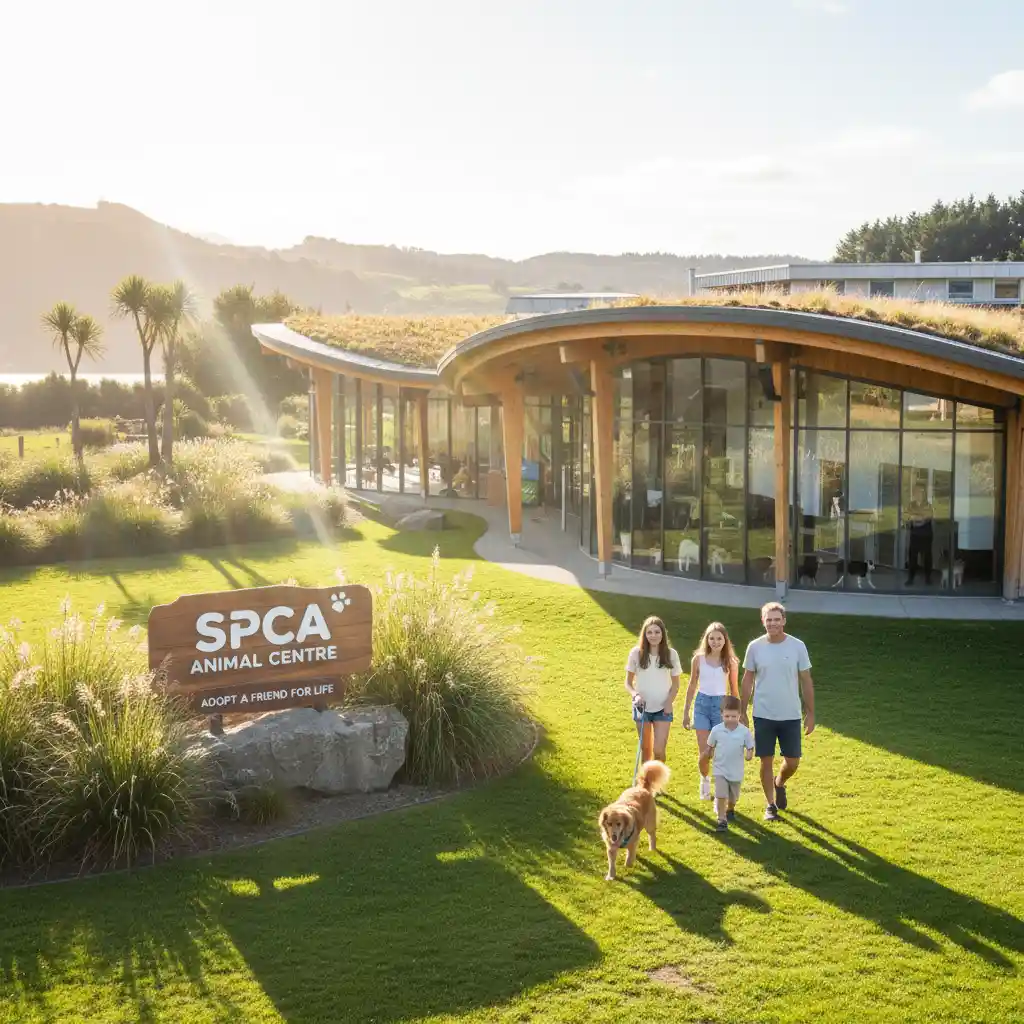
Hawke’s Bay Rehoming Services
SPCA Napier Hastings refers to the consolidated animal welfare services operated by the Society for the Prevention of Cruelty to Animals within the Hawke’s Bay region. Primarily anchored by the Napier Centre, these services provide critical rehoming for stray and surrendered animals, enforce animal welfare laws through an inspectorate, and offer community education across the twin cities of Napier and Hastings.
The landscape of animal welfare in Hawke’s Bay is a testament to the region’s resilience and compassion. Whether you are looking to adopt a new family member, surrender a pet due to unforeseen circumstances, or seeking advocacy for pet-friendly housing, understanding the ecosystem of SPCA Napier Hastings and its partner organizations is essential. This guide serves as the definitive resource for navigating rehoming services in the Bay, covering everything from the adoption floor to the aftermath of regional disasters.
Understanding SPCA Napier Hastings Services
For decades, the SPCA has been the cornerstone of animal protection in New Zealand. In Hawke’s Bay, the operation has evolved significantly, particularly under the “One SPCA” structure which merged independent centres into a unified national body. For residents searching for “SPCA Napier Hastings,” it is crucial to understand how the facilities are distributed and what specific services are offered at each location.
The Napier Centre: The Operational Hub
The primary animal holding and rehoming facility for the region is located in Napier. This centre serves as the heartbeat for animal welfare operations across both cities. It is here that stray animals are processed, medical checks are performed, and the majority of adoptions take place. The facility is equipped to handle cats, dogs, and small animals, providing them with a safe haven while they await their forever homes.
Key services at the Napier hub include:
- Adoption Services: Viewing areas for cats and dogs, where potential adopters can meet animals.
- Sick and Injured Animal Intake: A drop-off point for animals in distress (stray or injured).
- Inspectorate Headquarters: The base of operations for SPCA Inspectors who investigate complaints of cruelty and neglect throughout Hawke’s Bay.
The Hastings Presence
While the main shelter operations are concentrated in Napier, Hastings remains a vital part of the network. Historically, Hastings had its own distinct shelter operations, but in the modern era, the focus in Hastings often shifts towards fundraising and community support. SPCA Op Shops located in Hastings are critical revenue generators that fund the medical costs of animals housed in Napier. Furthermore, the inspectorate covers the Hastings district extensively, ensuring that animal welfare laws are upheld from Flaxmere to Havelock North.
The Importance of Desexing
A primary goal of the SPCA Napier Hastings team is population control. The centre frequently runs desexing campaigns or offers Snip ‘n’ Chip vouchers to low-income earners. This preventative approach helps reduce the number of unwanted litters that eventually end up in the rehoming system.
The Adoption Process in Hawke’s Bay
Adopting a pet is a life-changing commitment. The SPCA Napier Hastings team follows a rigorous yet supportive process to ensure that matches are sustainable and safe for both the animal and the human family. Navigating this process requires preparation.
Step 1: The Search
Most animals available for adoption are listed on the national SPCA website, filtered by the Hawke’s Bay region. It is highly recommended to view these profiles online first. The profiles provide details on the animal’s temperament, energy levels, and specific needs (e.g., “must be an only dog” or “needs a secure fence”).
Step 2: The Application and Interview
Once you identify a potential pet, you will need to complete an application form. This is not merely a formality; it is a tool for the adoption officers to gauge compatibility. Questions will cover your housing situation, work hours, and experience with pets. Following the application, you will have a consultation with a staff member. They might ask:
- Do you rent or own your home? (Landlord permission is mandatory).
- How many hours a day will the animal be left alone?
- Do you have a plan for veterinary costs?
Step 3: The Meet and Greet
If the paper application looks promising, a meet and greet is arranged. For dog adoptions, this is particularly critical. If you already own a dog, you will be required to bring them to the centre to introduce them to the potential new family member on neutral ground. This ensures there is no immediate aggression or incompatibility.
Step 4: Property Inspections
For dog adoptions, a property check is standard procedure. An SPCA representative may visit your home to ensure fencing is of an adequate height and condition to contain the specific dog you wish to adopt. This is a safety measure to prevent the animal from wandering and becoming a nuisance or getting injured on the roads.
Beyond SPCA: Other Rehoming Charities
While “SPCA Napier Hastings” is the most searched term, the Hawke’s Bay region is home to several other incredible charities that fill the gaps in the welfare system. These organizations often specialize in specific animals or operate on a foster-based model.
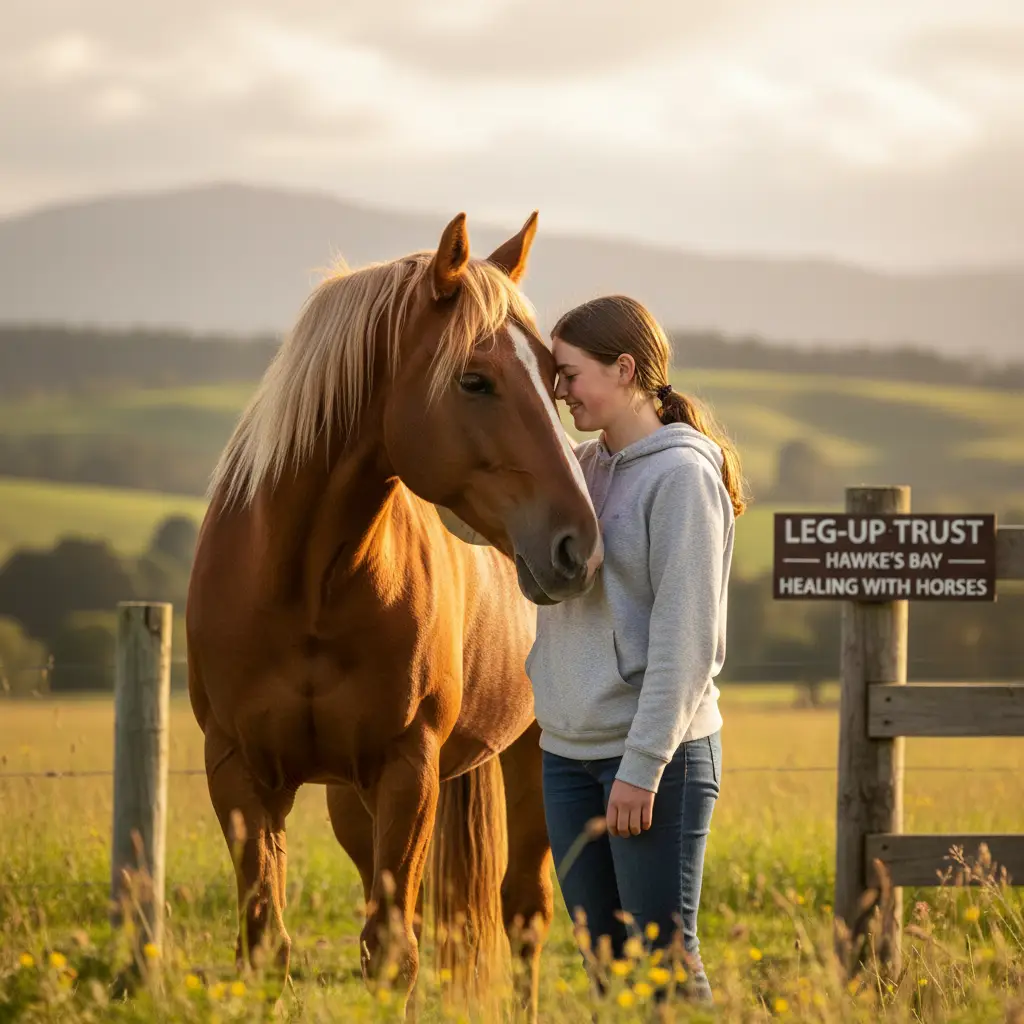
The Leg-Up Trust
The Leg-Up Trust is a unique entity in the Hawke’s Bay landscape. While not a traditional “pound,” they focus on the intersection of animal welfare and human mental health. They often take in horses that might otherwise be discarded and use them to help disadvantaged youth who are struggling with behavioral or emotional issues. By providing a second chance to these animals, they also provide a second chance to the young people working with them. Supporting the Leg-Up Trust contributes to a holistic model of community health.
Local Council Pounds
The Napier City Council and Hastings District Council both operate animal control services. It is important to distinguish between the SPCA (welfare and cruelty) and the Council (wandering dogs and registration). However, the Councils do rehome dogs that are unclaimed but suitable for family life. Adopting from the pound can be a direct way to save a life, as these facilities often have limited capacity compared to the SPCA.
Private Rescues and Foster Networks
Various smaller, volunteer-run groups operate in the Bay. These groups often rely entirely on foster carers rather than a central facility. They are vital for animals that do not cope well in a shelter environment, such as nervous cats or puppies needing round-the-clock care. Groups like Reviewing The Situation or breed-specific rescues often list available pets on platforms like TradeMe or Facebook.
Disaster Response: Animal Welfare Post-Cyclone
The devastation wrought by Cyclone Gabrielle in early 2023 fundamentally changed the conversation around animal welfare in Hawke’s Bay. The search for “SPCA Napier Hastings” spiked as residents sought help for displaced pets, livestock, and horses caught in floodwaters.
The Emergency Response
In the wake of the cyclone, the SPCA, alongside the Ministry for Primary Industries (MPI) and local volunteer groups, mobilized unprecedented resources. Temporary shelters were established, and food drops were coordinated for isolated rural communities. This event highlighted the necessity of having a disaster plan for your pets.
For more information on disaster preparedness for animals, you can visit the SPCA New Zealand Official Site, which offers downloadable checklists for emergency kits.
Long-term Displacement and Rehoming
The aftermath of the cyclone is still being felt. Many families were displaced from their homes, leading to a surge in “compassionate surrenders”—instances where owners love their pets but simply cannot house them due to red-stickered properties. The SPCA Napier Hastings team has been working tirelessly to support these families, offering temporary boarding where possible or facilitating rehoming when reunion is not an option. This context makes the current need for foster carers in the Bay higher than ever before.
Pet-Friendly Housing and Tenant Advocacy
One of the leading causes of animal surrender in Napier and Hastings is the rental crisis. Finding pet-friendly accommodation is notoriously difficult. This falls under the market niche of “Tenant Advocacy,” where animal welfare groups are increasingly stepping in to educate both landlords and tenants.
Creating a Pet CV
To compete in the tight Hawke’s Bay rental market, tenants are encouraged to create a “Pet CV.” This document should include:
- References: Statements from previous landlords confirming the pet caused no damage.
- Vaccination/Desexing Records: Proof of responsible ownership.
- Photos: Cute, non-threatening photos of the pet.
- Behavioral Description: Honest assessment of the pet’s activity levels and noise.

Legal Rights and Advocacy
While New Zealand landlords currently have the right to refuse pets, recent discussions in the tenancy advocacy space suggest a shift toward the “reasonable grounds” model used in other jurisdictions. The SPCA actively advocates for changes in the Residential Tenancies Act to make it easier for responsible tenants to keep their families—pets included—together. Until legislation changes, open communication and a solid Pet CV are your best tools.
How to Support Local Animal Welfare
If you cannot adopt, there are numerous ways to support the SPCA Napier Hastings and other local entities.
Volunteering
Volunteers are the backbone of the organization. Roles vary significantly and include:
- Animal Care Assistants: Cleaning cages, feeding, and socializing animals at the Napier Centre.
- Op Shop Retail: Assisting in the Hastings or Napier charity stores to generate funds.
- Foster Carers: Providing a temporary home for kittens, puppies, or recovering animals. This is particularly vital during “kitten season” (spring/summer).
Donations
Financial contributions are always needed, but physical donations are also welcomed. The centres often have a “wish list” that includes blankets, towels, specific pet foods, and toys. You can check the Napier City Council website for information on dog registration fees, which also contribute to local animal management services.
People Also Ask
Where is the SPCA located in Napier?
The SPCA Napier Centre is located at 31 Mersey Street, Pandora, Napier. This facility serves as the main animal reception and adoption hub for the Hawke’s Bay region.
Can I drop off stray cats at SPCA Hastings?
It is best to contact the SPCA first. Generally, stray animals are processed at the main Napier Centre on Mersey Street. The Hastings locations are primarily Op Shops and may not have the facilities to intake live animals safely.
How much does it cost to adopt a dog from SPCA Napier?
Adoption fees vary by age and breed. Typically, adult dogs range from $250 to $300, while puppies may be slightly higher. This fee includes desexing, microchipping, first vaccinations, flea/worm treatment, and a vet check.
What should I do if I find an injured animal in Hawke’s Bay?
If you find an injured animal, contact the SPCA Napier Hastings immediately. For emergencies outside of business hours, there is usually an after-hours contact number provided on their voicemail, or you can take the animal to a local emergency vet.
Does the SPCA help with vet bills in Hawke’s Bay?
The SPCA is a charity and generally does not cover private veterinary bills. However, they may offer desexing assistance or payment plans for specific campaigns. For financial hardship, you may need to inquire about WINZ assistance or other local charities.
How can I become a foster parent for SPCA Napier?
To become a foster parent, you must apply via the SPCA website. You will need to undergo a property check and an interview. Foster carers are essential for raising kittens, caring for animals recovering from surgery, or helping animals that are stressed in the shelter environment.
