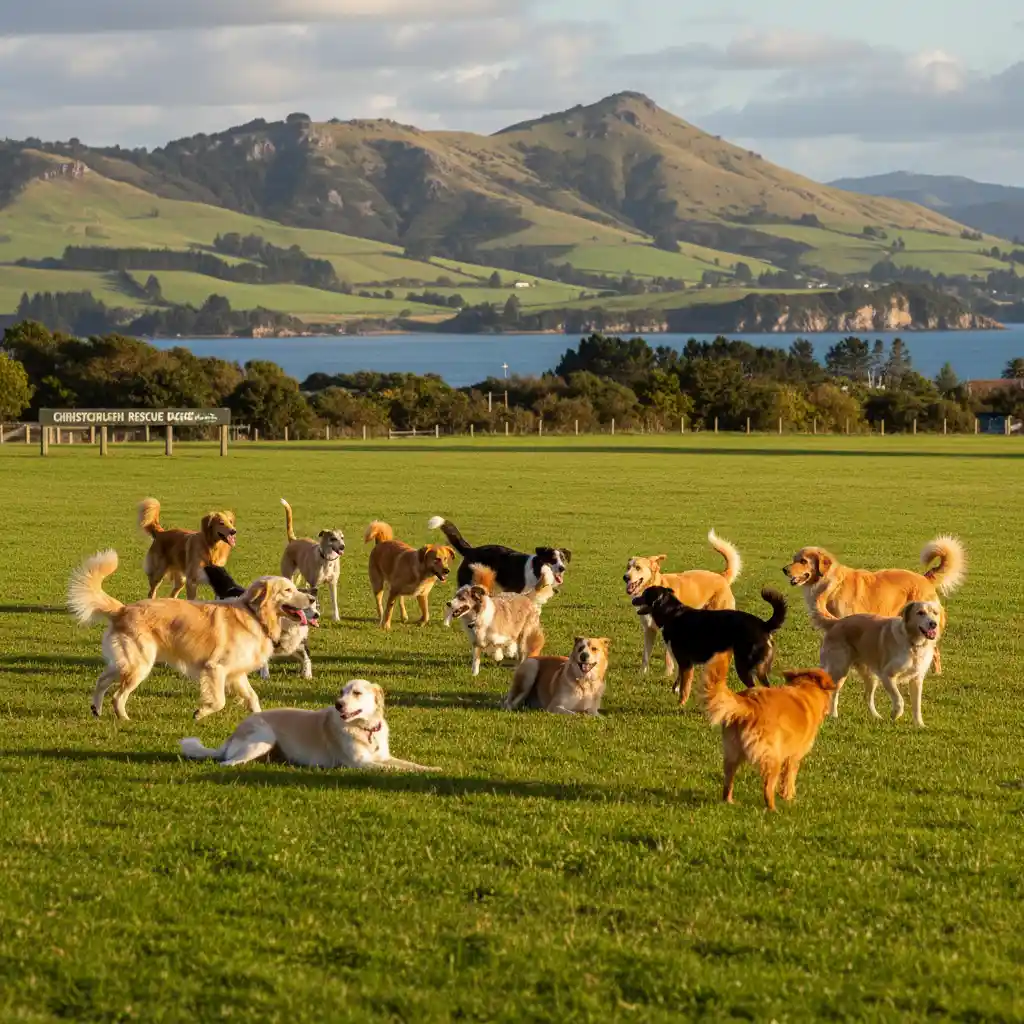
Canterbury Rescue Collective
Dog rescue Christchurch refers to the network of charitable trusts, foster-based organizations, and dedicated volunteers in the Canterbury region working to rehabilitate and rehome displaced canines. To adopt a dog here, you must typically apply through established organizations like Dogwatch Sanctuary Trust or Christchurch Bull Breed Rescue, passing property checks and compatibility assessments to ensure a lifelong match.
The Landscape of Animal Rescue in Canterbury
The Canterbury region, with Christchurch as its hub, is home to a robust and compassionate community of animal welfare organizations. Often referred to informally as the “Canterbury Rescue Collective,” this ecosystem is comprised of various independent charities that share a singular goal: to provide a safety net for animals that have been abandoned, abused, surrendered, or found wandering.
Unlike a centralized municipal pound which focuses on animal control, these rescue groups focus on welfare, rehabilitation, and rehoming. The need for dog rescue in Christchurch has grown significantly in recent years due to economic pressures, housing crises, and post-COVID lifestyle changes. These organizations bridge the gap between a dog’s unfortunate past and their potential future in a loving home.
Each organization within this collective tends to specialize in different areas—some focus on specific breeds, others on rural working dogs, and some operate large-scale sanctuary facilities. Understanding the specific mission of each group is the first step for any prospective adopter looking to navigate the dog rescue Christchurch landscape.
Dogwatch Sanctuary Trust: A Pillar of Protection
When discussing dog rescue in Christchurch, the conversation almost invariably starts with the Dogwatch Sanctuary Trust. Established in 1982, Dogwatch is one of the most prominent and longest-running rescues in the South Island. They operate a dedicated Adoption Centre in Bromley, which serves as a halfway house for dogs awaiting their forever homes.
The Dogwatch Philosophy
Dogwatch operates under a strict non-destruction policy for healthy and rehomable dogs. This means that once a dog enters their care, they are safe until a suitable home is found, regardless of how long that takes. Their facility allows them to assess dogs in a controlled environment, observing behavior, socialization skills, and medical needs.
The Adoption Centre Experience
The sanctuary is staffed by a mix of dedicated employees and a vast army of volunteers who walk, feed, and socialize the dogs. For potential adopters, this is invaluable. The staff can tell you exactly how a dog behaves on a leash, how they react to other dogs, and what their energy levels are. They take in a wide variety of dogs, from pound seizures to private surrenders, ensuring that mixed breeds and purebreds alike get a second chance.
Christchurch Bull Breed Rescue: Advocacy and Rehabilitation
A vital, albeit often misunderstood, sector of the dog rescue Christchurch market is dedicated to “power breeds.” Christchurch Bull Breed Rescue (CBBR) specializes in the rescue, rehabilitation, and rehoming of bull breeds—such as Staffordshire Bull Terriers, American Bulldogs, and crosses thereof. These dogs frequently face unfair stigma and are disproportionately represented in council pounds.
Combatting Stigma Through Education
CBBR does more than just rehome; they act as advocates. Their mission involves educating the public about the true nature of these breeds, which are often affectionate, loyal, and excellent family pets when raised correctly. They work tirelessly to dismantle the “dangerous dog” narrative that often leads to these breeds being euthanized unnecessarily.
Foster-Based Model
Unlike sanctuary-based models, breed-specific rescues often rely heavily on foster homes. This allows the dogs to decompress in a home environment rather than a kennel. It provides the rescue with crucial data on how the dog behaves in a domestic setting—information that is critical for successful placement. If you are looking to adopt a bull breed, CBBR ensures that the dog has been temperament-tested and matched to a lifestyle that can handle their strength and energy.
Rural Canterbury Rehoming and Working Dogs
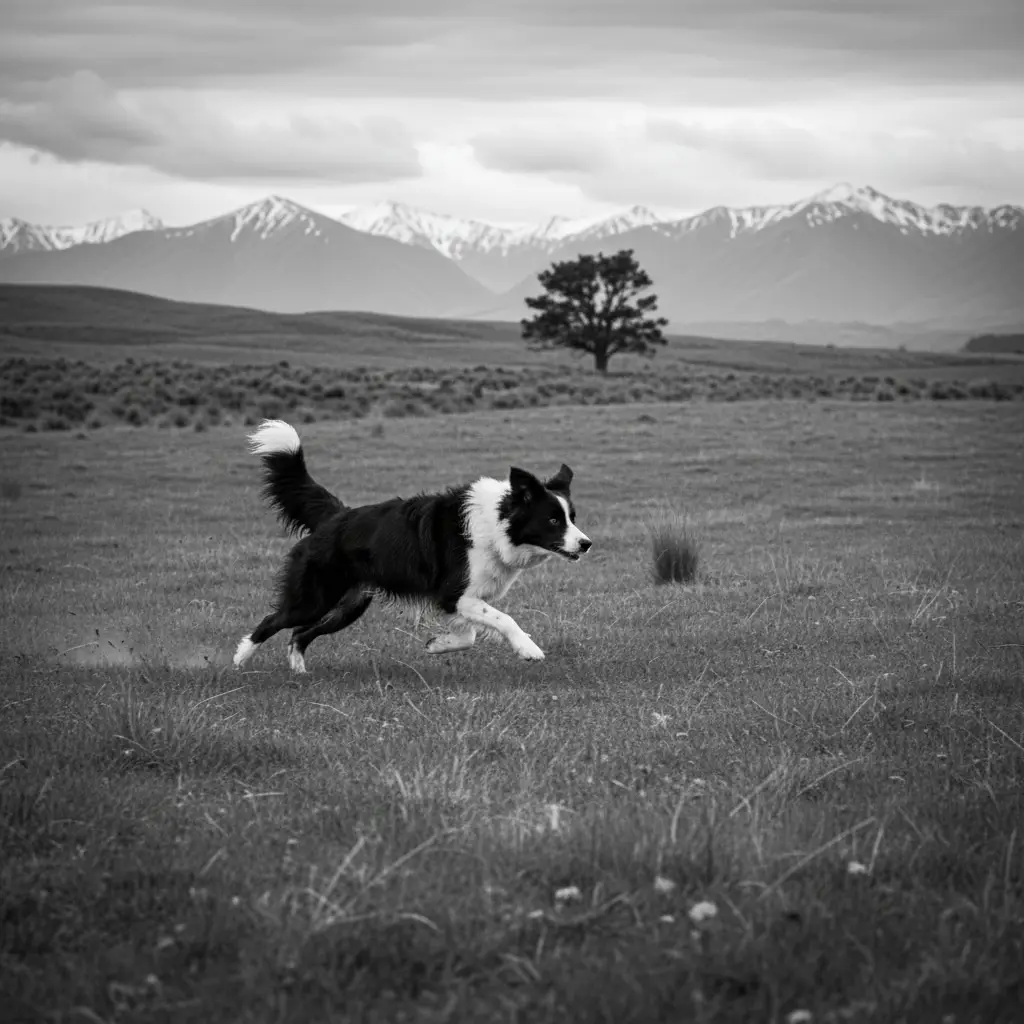
Canterbury is a vast region with a significant rural sector. Consequently, there is a specific need for rescuing working breeds and farm dogs. Rural Canterbury rehoming initiatives often operate slightly differently than their urban counterparts. These rescues deal with Huntaways, Border Collies, and Heading dogs that may have failed as working dogs, are retiring, or are simply surplus to requirements on a farm.
These dogs are often high-energy and highly intelligent. A rescue specializing in rural dogs will prioritize placing them in active homes where their mental and physical needs are met. This might be a lifestyle block, a farm, or with an active family committed to agility training or long daily runs. Adopting a rural rescue dog in Christchurch requires an honest assessment of your activity level; a working breed left alone in a small city apartment is rarely a recipe for success.
The Feline Connection: Cat Rescue Christchurch
While the primary intent of this guide is dog rescue, the ecosystem is interconnected. Many households in Christchurch are multi-pet homes. Cat Rescue Christchurch deserves mention as a parallel organization that often collaborates with dog rescues. For example, if a dog is listed as “cat-friendly,” that assessment is crucial for adopters who already support the feline rescue community.
Cat Rescue Christchurch operates primarily through a network of foster homes, focusing on stray and abandoned cats and kittens. They also run trap-neuter-return (TNR) programs for feral colonies. For families looking to adopt both a dog and a cat, understanding the interplay between these organizations can be helpful. Some foster carers even foster for both species, providing the perfect testing ground for inter-species compatibility.
Tenant Advocacy: Adopting a Dog While Renting
One of the biggest barriers to dog rescue in Christchurch is the rental market. Many compassionate people want to adopt but fear rejection from landlords. This is where the “Tenant Advocacy” aspect of the niche becomes critical. Securing a rental property that allows pets requires preparation and professionalism.
Creating a Pet CV
To compete in the Christchurch rental market, you must treat your prospective dog as a tenant. Create a “Pet CV” that includes:
- References: Letters from previous landlords or property managers attesting to the dog’s behavior and your cleanliness.
- Vaccination Records: Proof of desexing, microchipping, and up-to-date vaccinations.
- Training Certificates: Evidence of obedience training or puppy preschool graduation.
- Photos: Cute, non-threatening photos of the dog.
Understanding Your Rights
While New Zealand landlords currently have the right to refuse pets, recent discussions and proposed changes in tenancy laws aim to make it easier for tenants to own pets. It is vital to consult official sources for the most current legislation. Tenancy Services NZ provides up-to-date information on the rights and responsibilities of both landlords and tenants regarding pets.
Rescue organizations like Dogwatch often require written permission from a landlord before they will proceed with an adoption application. Being proactive with your Pet CV can make this process much smoother.
The Adoption Process: What to Expect
Adopting a dog in Christchurch is not as simple as walking in and buying a pet. Reputable rescues have a rigorous process designed to minimize the risk of the dog being returned. While each organization differs slightly, the general workflow is consistent.
1. The Application
You will complete a detailed questionnaire asking about your work hours, fencing, family composition (children/other pets), and activity levels. Be honest; rescues are not looking for “perfect” owners, but for “suitable” matches.
2. The Meet and Greet
If your application matches a specific dog’s needs, you will be invited to meet them. This usually happens at the shelter (like Dogwatch) or at a foster home. All family members and existing dogs must usually attend to ensure chemistry.
3. Property Check
A volunteer will visit your home to inspect the fencing and sleeping arrangements. They are checking for security—ensuring a dog cannot jump over or dig under fences. For rural properties, they will check stock security.
4. Adoption Fee and Trial Period
Adoption fees in Christchurch typically range from $300 to $450. This fee contributes to the cost of de-sexing, microchipping, registration, flea/worm treatment, and vaccinations. Most adoptions operate on a trial basis (usually 2-4 weeks) to ensure the dog settles in well.

How to Support the Canterbury Rescue Collective
Not everyone is in a position to adopt, but the dog rescue Christchurch community relies heavily on public support to function. These organizations receive little to no government funding.
Volunteering
Time is as valuable as money. Dogwatch and other groups need volunteers to walk dogs, clean kennels, transport animals to vet appointments, and help with fundraising events. It is a rewarding way to interact with animals without the full-time commitment of ownership.
Fostering
Fostering saves lives. By taking a dog into your home temporarily, you free up space in the shelter for another emergency intake. Fostering is particularly crucial for Christchurch Bull Breed Rescue and rural rehoming groups that do not have large kennel facilities.
Donations
Monetary donations are always needed for vet bills, but goods are also appreciated. Blankets, towels, quality dog food, and toys are constant requirements. Many rescues have “wish lists” on their websites.
For more information on animal welfare standards and how you can help on a national level, you can visit the SPCA New Zealand website, which sets the benchmark for animal care across the country.
By choosing to support the Canterbury rescue collective—whether through adoption, advocacy, or donation—you are playing a direct role in saving lives and building a more compassionate community in Christchurch.
People Also Ask
How much does it cost to adopt a dog in Christchurch?
Adoption fees usually range between $300 and $450 NZD. This fee typically covers de-sexing, microchipping, first vaccinations, flea and worm treatment, and council registration.
Can I adopt a dog if I rent in Christchurch?
Yes, you can, provided you have written permission from your landlord. Rescue organizations will require proof of this permission before processing your application. Creating a Pet CV can help convince landlords.
Where is Dogwatch Sanctuary Trust located?
Dogwatch Sanctuary Trust is located at 230 Dyers Road, Bromley, Christchurch. They have an adoption centre on-site where you can view dogs by appointment or during open hours.
Does Christchurch Bull Breed Rescue only take Pitbulls?
No, they take various bull breeds and crosses, including Staffordshire Bull Terriers and American Bulldogs. Their focus is on breeds that are often stigmatized or difficult to rehome due to breed perception.
How do I surrender a dog in Christchurch?
You should contact organizations like Dogwatch or the SPCA directly. Do not abandon the dog. Most rescues have a surrender process that involves providing medical history and behavioral information to help them rehome the dog safely.
Is Dogwatch a no-kill shelter?
Dogwatch operates under a non-destruction policy for healthy and rehomable dogs. They do not euthanize dogs simply for space or time limits; dogs stay in their care until adopted.
