Flea and Worm Treatment Guide NZ
Effective flea treatment in NZ requires a multi-faceted approach combining high-quality veterinary-grade preventatives with rigorous environmental control. Due to New Zealand’s temperate, humid climate, flea activity is year-round, meaning pet owners must utilize treatments containing active ingredients like fluralaner or sarolaner to break the lifecycle and prevent infestations in the home.
New Zealand is renowned for its beautiful landscapes and outdoor lifestyle, but it is also, unfortunately, a paradise for parasites. For pet owners and tenants alike, managing fleas and worms is not merely a matter of stopping an itch; it is a critical component of household hygiene, tenancy security, and animal welfare. The phrase “flea treatment NZ” is searched thousands of times a month for a reason: our climate allows these pests to thrive with a tenacity rarely seen in drier parts of the world.
Whether you have just adopted a rescue puppy or are a long-term tenant looking to secure your bond return, understanding the nuances of parasite control is essential. This guide covers everything from the science of the flea life cycle to the specific obligations regarding sheep measles in our agricultural nation.
When is Flea Season in New Zealand?
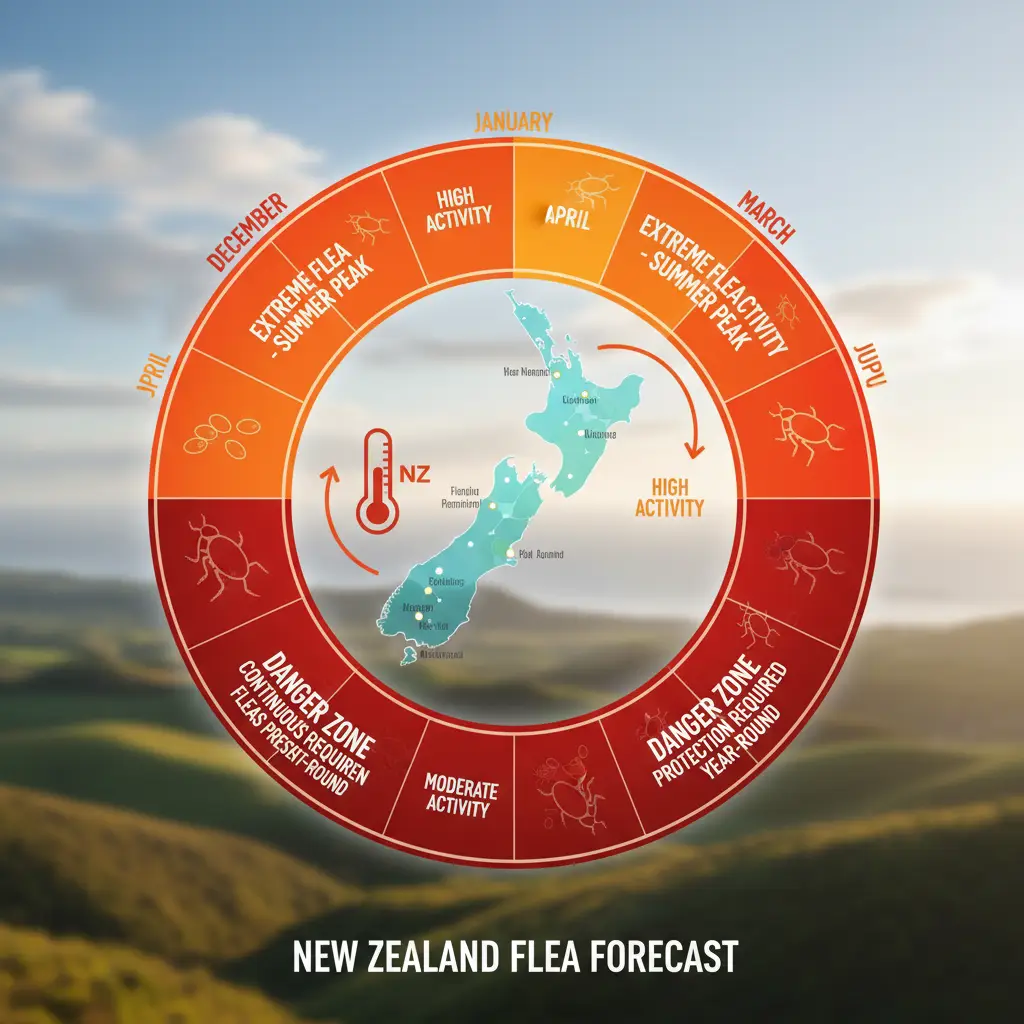
One of the most common misconceptions among New Zealand pet owners is that flea treatment is only necessary during the summer months. While it is true that flea populations explode between December and March due to the heat, New Zealand does not experience the deep freezes necessary to kill off flea populations entirely.
In the North Island, particularly in Auckland and Northland, high humidity and mild winters create a perpetual breeding ground. Even in the cooler South Island, modern homes are kept warm through heat pumps and insulation, providing an artificial summer environment indoors where fleas can breed comfortably year-round.
If you stop treating your pet in April believing the danger has passed, you are leaving a window of opportunity for fleas to lay dormant eggs in your carpet. These eggs can hatch the moment the heating is turned on or the spring sun arrives, leading to a massive infestation come October. Consistency is the only way to ensure a flea-free home.
Prescription vs. Supermarket Treatments: The Truth
Not all flea treatments are created equal. When walking down the pet aisle of a supermarket, you will see an array of shampoos, collars, and spot-on pipettes at attractive price points. However, for many New Zealand households, these products are no longer effective.
The Resistance Issue
Many supermarket brands rely on older chemical formulations, such as fipronil or imidacloprid. While these were once miracle cures, decades of widespread use have led to genetic resistance in flea populations. In many cases, owners apply these treatments correctly, yet the fleas survive.
Veterinary Grade Innovations
The “Gold Standard” of flea treatment has shifted toward the isoxazoline class of drugs (often found in chewable tablets like Bravecto, NexGard, or Simparica). These act systemically; the medication is absorbed into the pet’s bloodstream. When a flea bites, it ingests the compound and dies rapidly, often before it can lay eggs.
Key differences include:
- Speed of Kill: Veterinary tablets often kill fleas within 4 to 8 hours. Older spot-ons can take 24 to 48 hours, allowing time for egg-laying.
- Water Fastness: Because New Zealand dogs love the beach, spot-on treatments can wash off. Oral chews remain effective regardless of swimming or bathing.
- Spectrum: Many vet-grade treatments are “all-in-one,” handling fleas, ticks, and mites simultaneously.
Understanding the Flea Life Cycle
To truly conquer an infestation, you must think like a flea. The adult fleas you see on your pet represent only 5% of the total population. The remaining 95% exists in your environment as eggs, larvae, and pupae.
- Eggs: An adult female flea can lay up to 50 eggs a day. These eggs are not sticky; they fall off your pet like salt from a shaker, landing in bedding, carpets, and between floorboards.
- Larvae: These hatch from eggs and burrow deep into carpet fibers to avoid light. They feed on “flea dirt” (dried blood passed by adult fleas).
- Pupae (The Cocoon): This is the most resilient stage. The larva spins a sticky cocoon that is impervious to most household sprays. They can remain dormant for months, waiting for the vibration or heat of a passing host to trigger emergence.
- Adults: Once hatched, they must find a blood meal immediately to survive and reproduce.
This life cycle explains why you might still see fleas weeks after treating your pet. This is known as the “pupal window.” As the new adults hatch, they jump onto the treated pet and die, but the hatching process can continue for weeks until the environmental reservoir is depleted.
Worming, Hydatids, and Sheep Measles Control
In New Zealand, worming is not just about your pet’s health; it is a matter of agricultural security. While roundworms and hookworms are common concerns for puppy health, tapeworms pose a specific threat to our farming industry.
Sheep Measles (Taenia ovis)
Sheep measles is caused by a tapeworm found in dogs. While the worm causes little harm to the dog, the eggs passed in the dog’s faeces can infect sheep. This causes cysts in the sheep’s muscle tissue, resulting in the meat being condemned. This costs the New Zealand sheep industry millions of dollars annually.
According to OSPRI, an agency responsible for disease management in NZ, breaking this cycle is vital. If you take your dog onto rural land, or even if you feed your dog raw sheep or goat meat, you must treat them with a wormer containing Praziquantel every 30 days. Standard supermarket wormers may not contain sufficient doses of Praziquantel to handle this specific parasite.
Hydatids
Thanks to rigorous control programs, true Hydatids (Echinococcus granulosus) was declared eradicated in New Zealand in 2002. However, complacency can be dangerous. Continued vigilance with broad-spectrum worming ensures that we maintain this status and protect human health, as Hydatids can cause serious cysts in human organs.
Treating the Home Environment
If your pet has fleas, your house has fleas. Treating the animal without treating the environment is like bailing water out of a sinking boat without plugging the hole. Here is the protocol for clearing a New Zealand home:
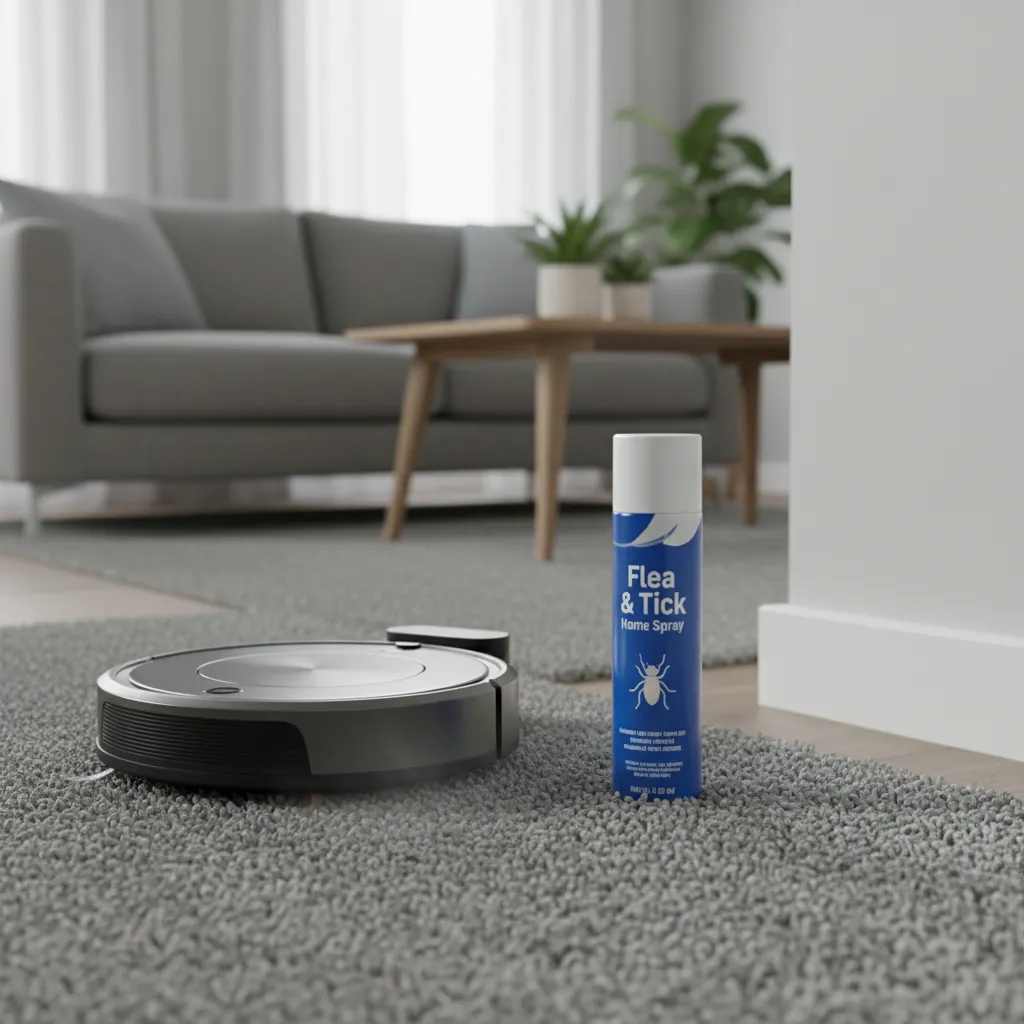
- The Mechanical Clean: Vacuum every inch of the house. Focus on skirting boards, under sofas, and dark corners. The vibration of the vacuum stimulates pupae to hatch, making them vulnerable to chemicals. Crucial: Empty the vacuum bag or canister into an outside bin immediately.
- Hot Wash: Wash all pet bedding, throw blankets, and cushion covers on a hot cycle (at least 60°C).
- Environmental Sprays: Use a spray containing an Insect Growth Regulator (IGR) like methoprene or pyriproxyfen. Products like Indorex or Ripcord (when diluted correctly) are popular in NZ. These sprays don’t just kill adults; they stop eggs and larvae from developing.
- Patience: Do not vacuum for 48 hours after spraying to let the chemical bind to the fibers. After that, resume daily vacuuming to encourage the remaining pupae to hatch and die.
Tenant Tips: Protecting Your Bond and Tenancy
For renters in New Zealand, a flea infestation can be a source of significant stress and financial loss. Under the Residential Tenancies Act, tenants are generally responsible for fumigation if they introduced the pest (i.e., by owning a pet).
Proactive Steps for Tenants:
- Keep Records: Keep receipts of all flea and worm treatments. If a landlord claims there is an infestation upon your exit, your history of purchasing Bravecto or similar products is strong evidence of responsible ownership.
- The Exit Spray: Even if you haven’t seen fleas, it is courteous and protective to use a flea bomb or environmental spray when vacating a property. This ensures the next tenant doesn’t inherit a dormant problem that could be blamed on you later.
- Carpet Cleaning: Professional carpet cleaning often required at the end of a tenancy can wash away flea treatments. Always spray after the carpets have been cleaned and dried, not before.
Critical Safety Warnings
When dealing with chemicals, safety is paramount. The most critical warning for New Zealand pet owners involves Permethrin.
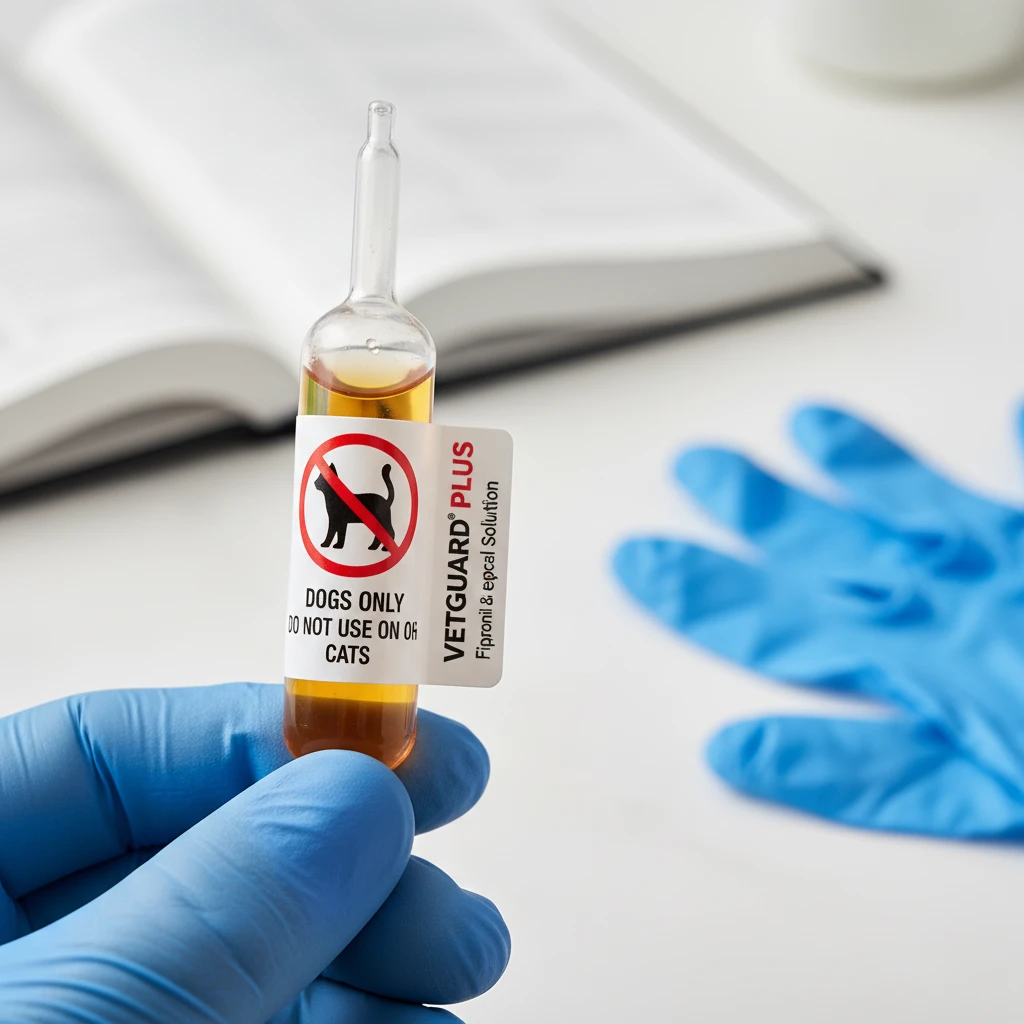
Permethrin is highly toxic to cats. Many dog flea treatments (especially supermarket spot-ons) contain high concentrations of permethrin. If a cat comes into contact with a treated dog, or if the product is accidentally applied to a cat, it causes severe tremors, seizures, and often death. Always read the label. If you have both cats and dogs, consult your veterinarian about safe, non-permethrin options.
Furthermore, natural remedies such as garlic, essential oils (tea tree), or diatomaceous earth are rarely effective against a full-blown NZ flea infestation and can sometimes be toxic to pets. For reliable advice, always refer to the New Zealand Veterinary Association guidelines or your local clinic.
By combining veterinary-grade prevention, environmental management, and an understanding of the parasite life cycle, you can keep your home flea-free and your pets happy. Whether you are protecting a farm dog from sheep measles or a lap cat from an itch, consistency is key.
People Also Ask
What is the best flea treatment for dogs in NZ?
The most effective treatments currently available in NZ are veterinary-grade isoxazolines, such as Bravecto, NexGard, or Simparica. These oral chews are highly effective against resistant flea populations and are not affected by swimming or bathing, unlike older topical treatments.
How often should I flea treat my cat in NZ?
Frequency depends on the product used. Most spot-on treatments (like Broadline or Advocate) require monthly application. Some newer products, like Bravecto for cats (spot-on), can last up to 3 months. In NZ’s humid climate, year-round treatment is strongly recommended.
Do I need to treat my house if I treat my pet?
Yes. Only 5% of the flea population lives on the pet; the other 95% (eggs, larvae, and pupae) live in your carpets and bedding. If you have an active infestation, you must treat the environment with a spray containing an Insect Growth Regulator (IGR) and vacuum daily.
Why does my dog still have fleas after treatment?
This is usually due to the “pupal window.” Fleas in the environment are continuing to hatch and jump onto the dog. If the dog is treated with a high-quality product, these fleas will die shortly after contact. It can take up to 3 months to fully deplete the environmental reservoir.
Are supermarket flea collars effective?
Generally, cheap supermarket flea collars are not effective for established infestations and often only protect the area immediately around the neck. However, veterinary-grade collars like Seresto are highly effective and release active ingredients over the entire body for up to 8 months.
What is the rule for sheep measles in NZ?
To prevent sheep measles, dogs that visit rural land or are fed raw sheep/goat meat must be treated with a wormer containing Praziquantel every 30 days. This prevents the dog from shedding eggs that infect livestock, causing meat condemnation.
