Fostering Dogs for HUHA/SPCA
To foster dogs in NZ, volunteers must apply through registered charities like HUHA or the SPCA, undergo a comprehensive home inspection to verify secure fencing, and commit to providing temporary shelter, socialization, and basic training to rescue dogs until they are matched with a permanent adoptive family.
Fostering a dog is one of the most direct and impactful ways to contribute to animal welfare in New Zealand. Every year, thousands of dogs enter shelters across the country due to abandonment, neglect, or changes in their owners’ circumstances. While shelters provide a safe haven, they can be stressful environments for sensitive animals. This is where foster carers step in, offering a bridge between a chaotic past and a stable future.
The Role of Foster Carers in Rehabilitation
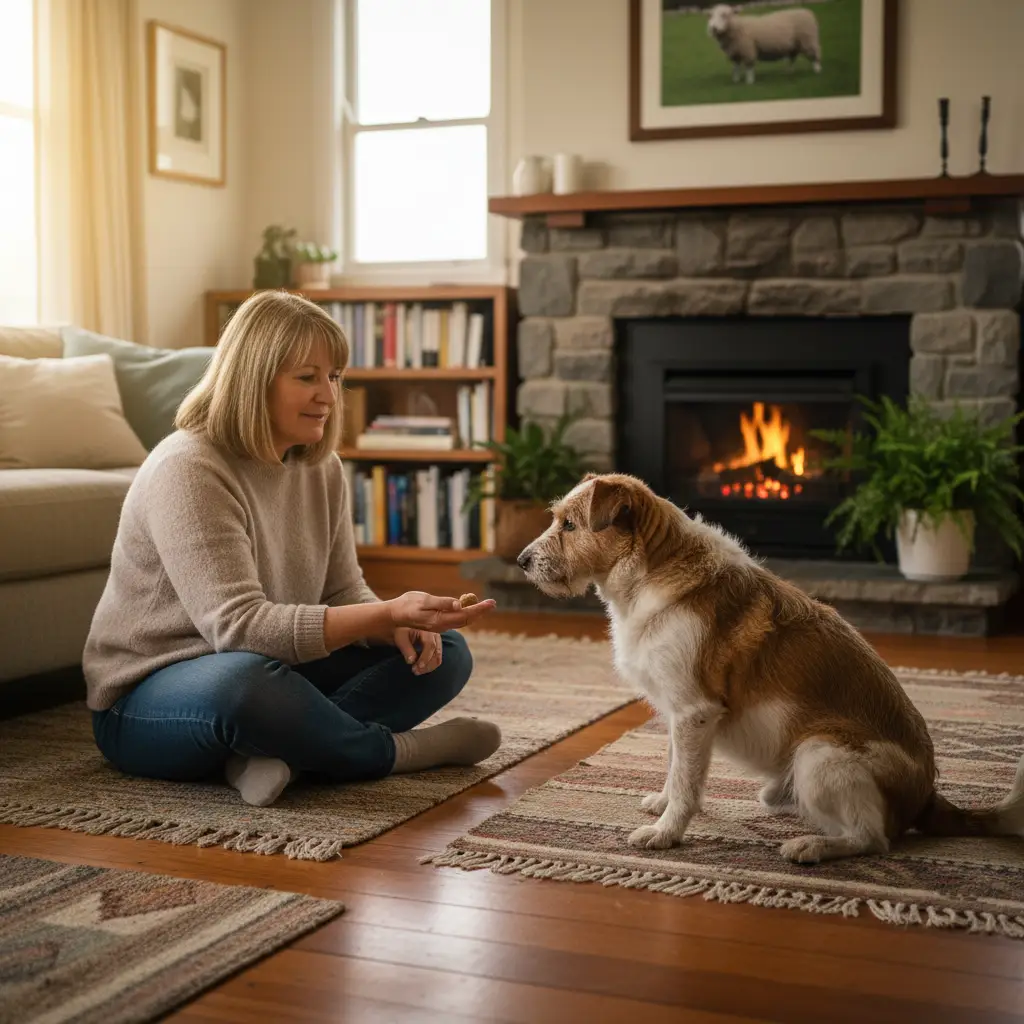
Foster carers are the backbone of the animal rescue community in New Zealand. Unlike a kennel environment, a foster home allows a dog to decompress and reveal their true personality. This period of respite is critical for rehabilitation, particularly for dogs that have suffered trauma or have never lived inside a home before.
Bridging the Gap Between Shelter and Forever Home
The primary function of a foster carer is to prepare the dog for adoption. This involves more than just feeding and walking the animal; it requires observation and documentation. Potential adopters need to know if a dog is house-trained, how they react to visitors, whether they are good with children, and if they can coexist with other pets. By living with the dog 24/7, a foster carer gathers this vital intelligence, which significantly increases the chances of a successful, permanent match. Without this “real-world” testing, shelters are often guessing at a dog’s suitability for domestic life. This vital role of foster carers directly supports the success of Understanding Home-to-Home Pet Rehoming practices.
Socialization and Desensitization
Many rescue dogs in New Zealand, particularly those coming from rural puppy mills or hoarding situations, may lack basic socialization. A foster home provides a controlled environment to introduce these dogs to the sights and sounds of everyday life—vacuum cleaners, televisions, passing cars, and walks on a lead. This process, known as desensitization, helps reduce anxiety and builds confidence. For a nervous dog, learning that a human hand predicts treats rather than pain is a monumental step in their rehabilitation journey.
Understanding HUHA and SPCA Foster Programs
In New Zealand, the two most prominent organizations facilitating dog fostering are HUHA (Helping You Help Animals) and the SPCA (Society for the Prevention of Cruelty to Animals). While they share a common goal, their operational models and the types of dogs they care for can differ.
HUHA (Helping You Help Animals) Overview
HUHA is New Zealand’s leading no-kill animal shelter. They are renowned for taking on “hard cases”—animals with significant medical needs, behavioral quirks, or those displaced by natural disasters. HUHA’s foster program is community-driven and deeply supportive. Because they operate a no-kill policy, animals remain in their care until adopted, meaning foster placements can sometimes be longer-term compared to other agencies. They often rescue large groups of animals at once, such as ex-farm dogs or retired greyhounds, requiring a network of fosters ready to mobilize quickly.
SPCA New Zealand Overview
The SPCA is the oldest and largest animal welfare charity in New Zealand, with a statutory role in enforcing the Animal Welfare Act 1999. Their foster network is vast, covering regions from Northland to Invercargill. The SPCA often utilizes foster care for puppies who are too young to be desexed and adopted, animals recovering from surgery (such as amputation or orthopedic repair), and animals that are failing to thrive in the shelter environment due to stress. Their resources are substantial, often providing comprehensive veterinary support through their own clinics.
Key Differences and Support Provided
Both organizations typically cover the financial costs associated with fostering. This includes food, bedding, collars, leads, and all veterinary care. The foster carer provides the love, time, and space. However, communication styles may differ. HUHA is known for its grassroots, close-knit community feel, often organizing group walks and active Facebook support groups for fosters. The SPCA, being a larger corporate entity, has structured protocols and dedicated foster coordinators in each region to manage the logistics of thousands of animals.
The Application Process and Home Checks
Becoming a foster parent is a transactional commitment that requires vetting. The safety of the dog is paramount, and organizations must ensure that foster homes adhere to strict standards.
Initial Application and Criteria
The process begins with an online application form. You will be asked about your daily routine, the hours you work, the ages of any children in the home, and details about existing pets. Honesty is crucial here. If you work full-time away from the home, you may not be suitable for a puppy requiring feeding every four hours, but you might be perfect for an older, low-energy dog. Most organizations require the primary carer to be over 18 years of age and have access to reliable transport for vet visits.
Property Inspections and Fencing
The most common reason for a foster application to be declined in New Zealand is inadequate fencing. For medium to large dogs, a fully fenced property with fences at least 1.8 meters high is often the standard requirement. There should be no gaps that a dog could squeeze through or dig under. Gates must be secure and lockable. During the home check, a volunteer or staff member will physically inspect the perimeter of your property. They are not looking for a show home; they are looking for a secure facility that prevents escape.
Matching the Right Dog to Your Lifestyle
Once approved, the matching process begins. Foster coordinators act as brokers, pairing the specific needs of a dog with the capabilities of a foster carer. If you are an avid runner, you might be matched with a high-energy Huntaway cross. If you prefer quiet evenings, a senior dog might be assigned to you. It is vital to respect the coordinator’s decision, as they have assessed the dog’s temperament and know what environment will facilitate the best rehabilitation, ensuring Safe Dog Rehoming in NZ: Meeting Adopters with Care.
Fostering in Rentals: Navigating Tenant Rights
A significant barrier to fostering in New Zealand is the rental market. However, legislative changes and a shift in culture are slowly opening doors for tenants who wish to foster.
Gaining Landlord Consent
Under the Residential Tenancies Act, landlords cannot unreasonably withhold consent for pets, though this is often more applicable to permanent pets than temporary fosters. When applying to foster, you must provide written consent from your landlord or property manager. To advocate for your case, create a “Pet Resume” for the potential foster dogs or the organization itself, highlighting that the charity covers liability and that the dogs are vet-checked. Demonstrating that you are a responsible tenant who understands property maintenance can go a long way.
Dealing with Behavioral Issues in Foster Dogs
Foster dogs often come with baggage. Understanding how to manage behavioral issues is essential for maintaining peace in your home and helping the dog progress.
Common Challenges
Separation Anxiety: Many rescue dogs panic when left alone. This can manifest as barking, destruction, or toileting indoors. Fosters help by practicing “alone time” in short, gradual increments.
Leash Reactivity: Some dogs may lunge or bark at other dogs while on a walk. This is often fear-based rather than aggression.
Resource Guarding: A dog that has gone hungry may growl if you approach their food bowl. This requires careful management and should never be punished.
Positive Reinforcement Techniques
Both HUHA and SPCA advocate for force-free, positive reinforcement training. This involves rewarding desired behaviors with treats, praise, or play, and ignoring or redirecting unwanted behaviors. Punishment-based methods (like check chains or yelling) can severely damage a rescue dog’s fragile trust and are strictly prohibited by reputable rescue organizations.
When to Seek Professional Help
If a foster dog shows signs of aggression or severe distress, it is imperative to contact the foster coordinator immediately. Organizations often have partnerships with professional dog trainers and animal behaviorists. For further reading on animal welfare standards and behavioral guidelines, you can refer to the Ministry for Primary Industries (MPI) Code of Welfare for Dogs, which outlines the minimum standards of care required in New Zealand.
Preparing Your Home for a Foster Dog
Preparation prevents poor performance. Before your foster dog arrives, you need to “dog-proof” your home to ensure safety and comfort.
Essential Supplies
While the charity usually provides food and medical supplies, having a few items of your own is helpful. Baby gates are excellent for managing spaces and keeping dogs out of specific rooms (like the kitchen or the baby’s room). Enzyme cleaners are necessary for cleaning up toilet accidents, as they break down the scent markers that encourage dogs to re-soil the same spot.
Creating a Safe Space
Every foster dog needs a decompression zone—a crate or a quiet corner with a bed where they can retreat if they feel overwhelmed. This space should be off-limits to children and other pets. Instruct family members that when the dog is in their “safe zone,” they are to be left alone. This autonomy is crucial for building confidence.
The Emotional Journey of Letting Go
The most common objection to fostering is, “I could never give them back.” This sentiment, while understandable, overlooks the purpose of fostering.
“Foster Failing” vs. Successful Rehoming
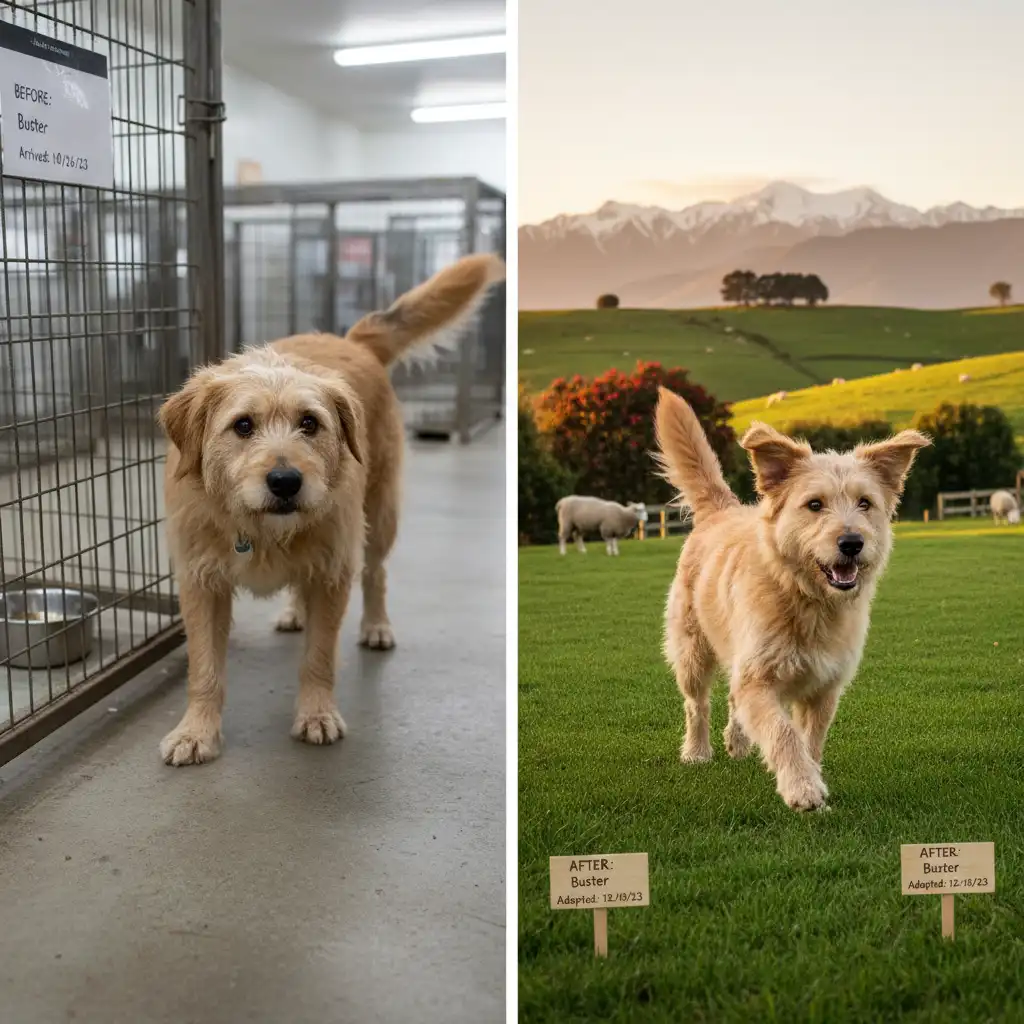
“Foster failing” is a humorous term used when a carer decides to permanently adopt their foster dog. While this is a happy outcome for that specific dog, it often means that foster home is closed to future rescues. The goal of a foster carer is to say goodbye. Watching a dog you nursed back to health drive away with a loving new family is a bittersweet but profoundly rewarding experience. It is the realization that by letting go, you are saving space for the next dog who has nowhere else to go. This journey embodies the spirit of Caring Farewells and New Beginnings for NZ Pet Owners.
For more information on animal welfare and volunteering opportunities, you can visit Wikipedia’s overview of Animal Welfare in New Zealand.
Frequently Asked Questions
Do foster carers get paid in NZ?
No, foster carers in New Zealand are volunteers and do not receive a salary. However, organizations like HUHA and SPCA typically cover all costs associated with the dog’s care, including food, bedding, and veterinary bills.
How long do you foster a dog for?
The duration of fostering varies significantly depending on the dog’s needs. It can range from a two-week temporary stay while an owner is hospitalized, to several months for puppies needing socialization or dogs recovering from major surgery.
Can I foster a dog if I work full time?
Yes, full-time workers can often foster, provided the dog is an adult and can be left alone for reasonable periods. However, puppies or dogs with severe separation anxiety usually require someone who is home for most of the day.
What happens if the foster dog doesn’t get along with my pets?
If integration fails despite best efforts and slow introductions, the organization will move the foster dog to a different carer. The safety of your resident pets and the foster dog is always the priority.
Can I adopt the dog I am fostering?
Yes, foster carers usually have the first option to adopt their foster dog. This is affectionately known as a ‘foster fail’. However, standard adoption fees and contracts will still apply.
Do I need a fenced property to foster dogs in NZ?
Almost always, yes. Secure fencing (usually 1.8m high) is a standard requirement for fostering dogs to ensure they cannot escape. Some exceptions might be made for very young puppies who do not go outside, but this is rare.
