
Adopting vs Buying: Ethical Guide
Deciding whether to adopt or buy a dog in NZ requires balancing ethical considerations with your specific lifestyle needs. Adoption offers a cost-effective, compassionate route to save a life through organisations like the SPCA, while buying from a reputable, registered breeder ensures predictability regarding health, temperament, and lineage for specific working or family requirements.
The Great Debate: Adopting vs Buying in New Zealand
Bringing a dog into your home is one of the most significant commitments a household can make. In New Zealand, the conversation surrounding where to source a pet has become increasingly nuanced. It is no longer a simple binary choice between “good” adopters and “bad” buyers. Instead, it is a complex decision involving lifestyle compatibility, financial planning, and ethical responsibility.
The phrase “Adopt, Don’t Shop” has permeated the Kiwi pet culture, driven by the tireless work of organisations like the SPCA, HUHA (Helping You Help Animals), and local council pounds. However, for many New Zealanders—particularly those with specific working requirements, allergies, or strict rental agreements—purchasing a dog from a registered breeder remains a valid and necessary path. The goal of this guide is to move beyond the rhetoric and provide a commercial investigation into the realities of dog ownership in Aotearoa.
Whether you choose to rescue a mixed-breed “bitser” or purchase a pedigree Border Collie, the ultimate goal is responsible ownership. This means ensuring the dog you choose is one you can support for its entire life, keeping it out of the shelter system in the long run.
The Case for Adoption: Saving a Life
Adopting a dog in New Zealand is widely regarded as the most ethical choice for general pet ownership. With thousands of dogs entering shelters annually, adoption directly alleviates the strain on the rescue ecosystem.
The Pros of Adoption
1. Saving a Life: When you adopt, you are not just giving a home to the dog you take; you are freeing up space in a shelter for another animal in need. This is crucial in NZ, where seasonal influxes of puppies often overwhelm local resources, highlighting the importance of solutions like Understanding Home-to-Home Pet Rehoming.
2. Cost-Effectiveness: As we will detail in the financial section later, adoption is significantly cheaper upfront. Rescue fees almost always cover desexing, microchipping, initial vaccinations, and flea/worm treatments. These are costs you would otherwise incur out-of-pocket.
3. Adult Temperament: Many rescue dogs are adults. This allows you to bypass the chaotic puppy stage—no teething, less toilet training, and a clearer idea of the dog’s personality. Foster-based rescues can tell you exactly how a dog behaves in a home environment.
The Cons of Adoption
1. The Unknown History: A rescue dog may come with baggage. Past trauma, poor socialization, or unknown triggers can manifest as behavioral issues that require patience and professional training to resolve.
2. Breed Uncertainty: While “special blends” are genetically diverse and often healthy, you cannot be 100% certain of the breed mix. This can make it difficult to predict future size or energy levels, which can be a hurdle for renters with strict landlord criteria regarding dog size.
Buying from a Breeder: Predictability and Purpose
Buying a dog is often stigmatized, but when done through ethical channels, it plays a vital role in preserving breeds and providing dogs for specific functions. In New Zealand, this distinction is best represented by the difference between “backyard breeders” and breeders registered with Dogs New Zealand (formerly the NZ Kennel Club).
When Buying Makes Sense
1. Predictability: If you have small children, other pets, or specific lifestyle constraints, knowing the lineage is invaluable. A reputable breeder can predict the adult size, coat type (crucial for allergy sufferers), and general temperament of the puppy.
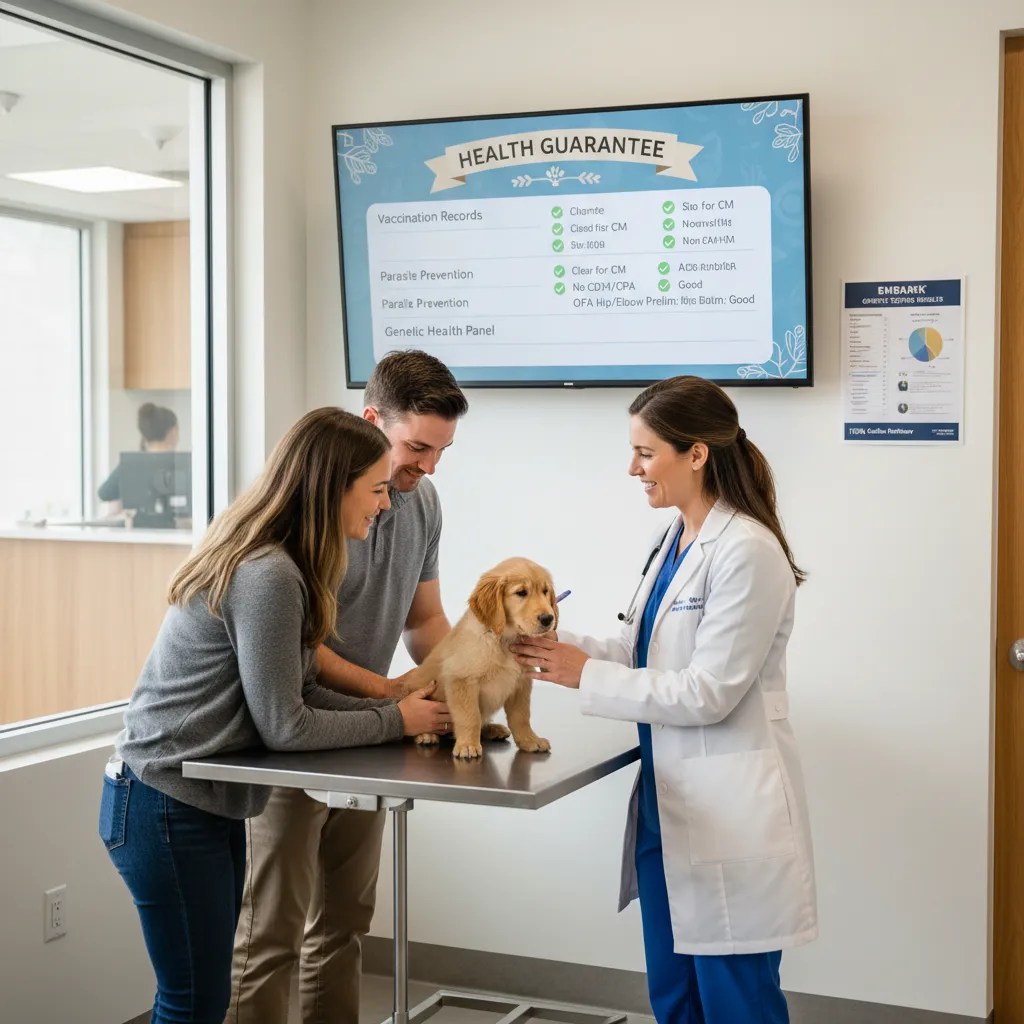
2. Health Testing: Ethical breeders in NZ conduct rigorous genetic health testing (DNA tests, hip and elbow scoring) to ensure hereditary diseases are not passed down. This can save thousands in vet bills over the dog’s life.
3. Working Requirements: New Zealand has a strong agricultural backbone. Farmers requiring heading dogs or huntaways need specific instincts that are bred into working lines. Similarly, hunters or those involved in dog sports often require the specific physical attributes of a purebred.
The Red Flags of Buying
You must avoid “puppy mills” or backyard breeders who prioritize profit over welfare. Signs of a bad breeder include:
- Refusing to let you see the mother (dam) or the facility.
- Selling puppies before 8 weeks of age.
- No questions asked about your lifestyle or home environment.
- Advertising exclusively on generic trading platforms without a dedicated website or kennel association registration.
Financial Breakdown: Rescue Fees vs Breeder Prices
Understanding the financial commitment is a critical part of the “adopt or buy dog NZ” query. The initial purchase price is just the tip of the iceberg, but the disparity between the two options is massive.
Adoption Costs (Approximate NZD)
Adoption fees generally range from $250 to $450 depending on the organization (e.g., SPCA, Chained Dog Rehabilitation, local Council pounds). This fee typically includes:
- Desexing surgery (Value: $300 – $600)
- Microchipping and registration on the NZ Companion Animal Register (Value: $60 – $80)
- First round of vaccinations (Value: $80 – $100)
- Flea and worm treatment (Value: $30)
Total Value Provided: $470 – $810+.
Cost to You: ~$300.
Breeder Costs (Approximate NZD)
Purchasing a purebred dog from a reputable breeder typically costs between $1,500 and $4,000. However, unlike adoption, this price usually covers the puppy only. You will then need to pay for:
- Desexing (at 6-12 months): $300 – $600
- Remaining vaccinations: $150 – $200
- Microchipping: $60
Total Initial Year Cost: $2,000 – $5,000+.
While adoption is clearly the financial winner upfront, potential adopters should maintain a savings buffer for training or unforeseen health issues that might arise from unknown genetics.
The Renter’s Reality: Pet Ownership in NZ Rentals
For the “Pet Adoption & Tenant Advocacy” niche, this is the most critical section. New Zealand’s rental market is notoriously difficult for pet owners. Under current regulations, landlords can no longer unreasonably refuse pets, but they can still impose conditions, making documents like a ‘Pet CV’ or a Drafting a Pet Addendum crucial.
The “Pet CV” Strategy
Whether you adopt or buy, securing a rental requires professionalism. If you are adopting, the uncertainty of the breed can be a hurdle. If you are buying, a large breed might be an automatic rejection.
To succeed, you must create a Pet CV containing:
- References: Letters from previous landlords or property managers attesting to the dog’s behavior.
- Health Records: Proof of desexing, flea treatment, and vaccinations.
- Training Certificates: Completion of puppy preschool or obedience training (e.g., Canine Good Citizen).
- Insurance: Offering to hold third-party liability insurance for your pet can alleviate landlord fears regarding property damage.
Adopting an older dog can actually be an advantage here. You can present a landlord with a known quantity—a dog that is already house-trained and past the chewing phase—whereas a puppy from a breeder represents a higher risk to carpets and skirting boards.
Ethical Considerations and the Rescue Ecosystem
The decision to adopt or buy impacts the broader New Zealand ecosystem. Responsible pet ownership also touches on wider environmental concerns, such as those discussed in Indoor vs Outdoor Cats: NZ Conservation. New Zealand has a significant issue with roaming dogs and unwanted litters, particularly in rural areas. By supporting the SPCA New Zealand or local rescues, you are funding the fight against animal cruelty and neglect.
However, ethical breeders are not the enemy of rescue. In fact, responsible breeders will always take their dogs back if the owner can no longer care for them, ensuring those dogs never enter the shelter system. The true threat to the ecosystem comes from unmonitored backyard breeding and impulse purchases.
The Hybrid Approach: Some prospective owners choose to support breed-specific rescues. If you love Greyhounds, for example, adopting a retired racer through Greyhounds as Pets NZ combines the predictability of a purebred with the ethical benefit of rescue.
Making the Final Decision
Ultimately, the choice to adopt or buy a dog in NZ is personal. There is no single “right” answer, but there is a right way to go about it.
Choose Adoption If:
- You want to save a life and support animal welfare.
- You have a limited upfront budget.
- You are flexible regarding breed and appearance.
- You prefer an adult dog with an established personality.
Choose a Breeder If:
- You need a hypoallergenic dog or specific physical traits.
- You require a dog for working, hunting, or showing.
- You need a guarantee of the dog’s history and health lineage.
- You are prepared to wait on a list and pay a premium for a well-raised puppy.
Whichever path you choose, ensure you are ready for the 10-15 year commitment. A dog is a family member, not a transaction.
People Also Ask
How much does it cost to adopt a dog in NZ?
Adoption fees in New Zealand typically range from $250 to $450 NZD. This fee is highly cost-effective as it generally includes desexing, microchipping, registration, vaccinations, and flea/worm treatments, which would cost over $800 if paid for separately.
Is it better to adopt or buy a dog?
Neither is inherently ‘better,’ as it depends on your needs. Adoption is more ethical and cheaper, saving a life from a shelter. Buying from a reputable breeder offers predictability regarding temperament, size, and health, which is vital for specific working roles or families with strict requirements.
How do I spot a backyard breeder in NZ?
Red flags for backyard breeders include: selling puppies before 8 weeks old, refusing to let you see the mother or the property, not asking you questions about your lifestyle, and lacking registration with Dogs NZ. They often advertise solely on general trading sites without health test proof.
Can landlords refuse pets in NZ?
Under the Residential Tenancies Amendment Act, landlords cannot unreasonably refuse a request to keep a pet. However, they can impose reasonable conditions (e.g., requiring carpets to be professionally cleaned upon exit). Tenants should provide a ‘Pet CV’ to strengthen their application.
What is the most popular dog breed to adopt in NZ?
Mixed breeds, often affectionately called ‘bitsers’ or ‘special blends,’ are the most common dogs available for adoption in NZ. Staffy crosses and Huntaway/Collie crosses are also frequently found in shelters due to their prevalence in NZ homes and farms.
How long does the dog adoption process take in NZ?
The process can take anywhere from a few days to a few weeks. It typically involves an application form, a meet-and-greet with the dog, a property inspection (to ensure fencing is secure), and final paperwork. This ensures the match is safe and sustainable for both the dog and the owner.