Maine Coon Rehoming NZ
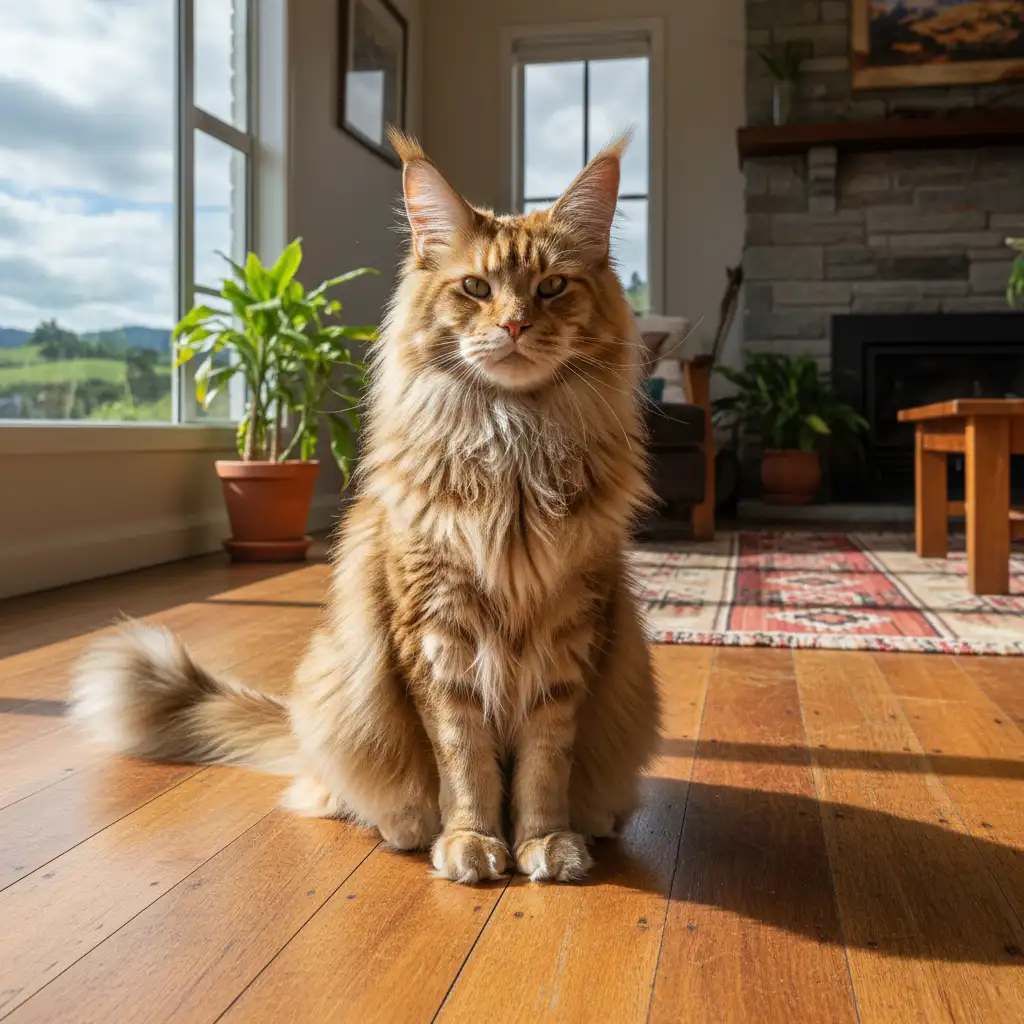
Maine Coon adoption NZ involves securing a Gentle Giant through specialized rescue networks, retired breeder programs, or the SPCA. Due to their high value and specific care needs, purebred Maine Coons rarely appear in general shelters, requiring prospective owners to join waiting lists or contact registered breeders for adult rehoming opportunities. For insights into such home-to-home processes, consider Understanding Home-to-Home Pet Rehoming.
Adopting a Maine Coon in New Zealand is a pursuit of patience and persistence. Known as the “Gentle Giants” of the cat world, these majestic felines are highly coveted, making them one of the most difficult breeds to find in standard rescue scenarios. Unlike mixed-breed domestic shorthairs that unfortunately fill cages at the SPCA, Maine Coons are often protected by a network of ethical breeders and enthusiasts who ensure they rarely end up in the shelter system. This guide serves as the definitive resource for navigating the complex landscape of Maine Coon rehoming in Aotearoa, addressing availability, health concerns, and the unique challenges of renting with a large-breed cat.
Understanding the Maine Coon: More Than Just Size
Before diving into the logistics of adoption, it is crucial to understand exactly what you are signing up for. The Maine Coon is not merely a cat; it is a significant presence in the home, both physically and personally. Originating from North America but thriving in New Zealand’s temperate climate, these cats are rugged, heavily furred, and exceptionally intelligent.
Physically, a male Maine Coon can weigh between 7 to 10 kilograms (sometimes more), while females generally range from 4 to 7 kilograms. Their defining features include tufted ears (resembling a lynx), a bushy tail that they use for warmth, and large, tufted paws that act as snowshoes. However, their temperament is the primary driver for their popularity in NZ adoption circles.
They are frequently described as “dog-like.” They will follow owners from room to room, are known to play fetch, and often have a fascination with water. For prospective adopters, this means realizing that a Maine Coon requires more interaction and stimulation than the average independent feline. They are social creatures that do not thrive in isolation, making them perfect for families but potentially challenging for owners who work long hours away from home without providing a companion animal.
The Reality of Maine Coon Adoption NZ Availability
If you are searching for “Maine Coon adoption NZ” expecting to walk into a local shelter and find a selection of purebreds, you will likely be disappointed. The market dynamics for this breed in New Zealand create a scarcity in the rescue sector for several reasons:
- Breeder Contracts: Ethical breeders in New Zealand, particularly those registered with the New Zealand Cat Fancy (NZCF), almost always include a “return to breeder” clause in their contracts. This means if an owner can no longer keep the cat, they are legally or ethically bound to return it to the breeder rather than surrendering it to a shelter.
- High Value: Because Maine Coon kittens can cost upwards of $2,000 to $3,500 NZD, they are high-value assets. Owners are less likely to abandon them, and if they must rehome them, they often do so privately within friends or family networks.
- Misidentification: Many long-haired domestic cats in shelters are mislabeled as “Maine Coon mixes” to increase adoptability. While these cats are wonderful companions, true Maine Coons have distinct genetic traits and health profiles that differ from lookalikes.
Therefore, the “transactional” nature of adopting a Maine Coon is rarely about paying a small shelter fee for a kitten. It is about networking, patience, and often paying a higher rehoming fee for a retired adult cat from a breeder.
Where to Find Maine Coons for Rehoming in New Zealand
To successfully adopt a Maine Coon, you must look in the right places. Relying solely on TradeMe Pets or general shelter visits is inefficient. Here is a strategic approach to finding your cat:
1. Registered Breeders (Retired Adults)
This is your highest probability channel. Breeding queens are often retired after a few litters (usually around 3-5 years old), and stud cats may be retired when the breeder keeps a son to replace him. These cats are usually desexed, vet-checked, and socialized before being offered for rehoming. They need “pet homes” where they can be the center of attention rather than living in a cattery environment.
2. Breed-Specific Rescue Groups
While NZ doesn’t have a massive dedicated “Maine Coon Rescue” organization like the US, there are pedigree cat rescue networks. Facebook groups dedicated to NZ Cat Rescue often share posts about specific breeds needing homes. Joining groups like “Maine Coon Lovers NZ” can provide leads on private rehoming situations.
3. The SPCA and Local Shelters
While rare, purebreds do sometimes end up at the SPCA New Zealand due to owner death or extreme changes in circumstances. To catch these opportunities, you must monitor their listings daily or foster a relationship with local branch staff who can alert you if a large longhair comes in.
Health Checks and Medical Considerations for Large Breeds
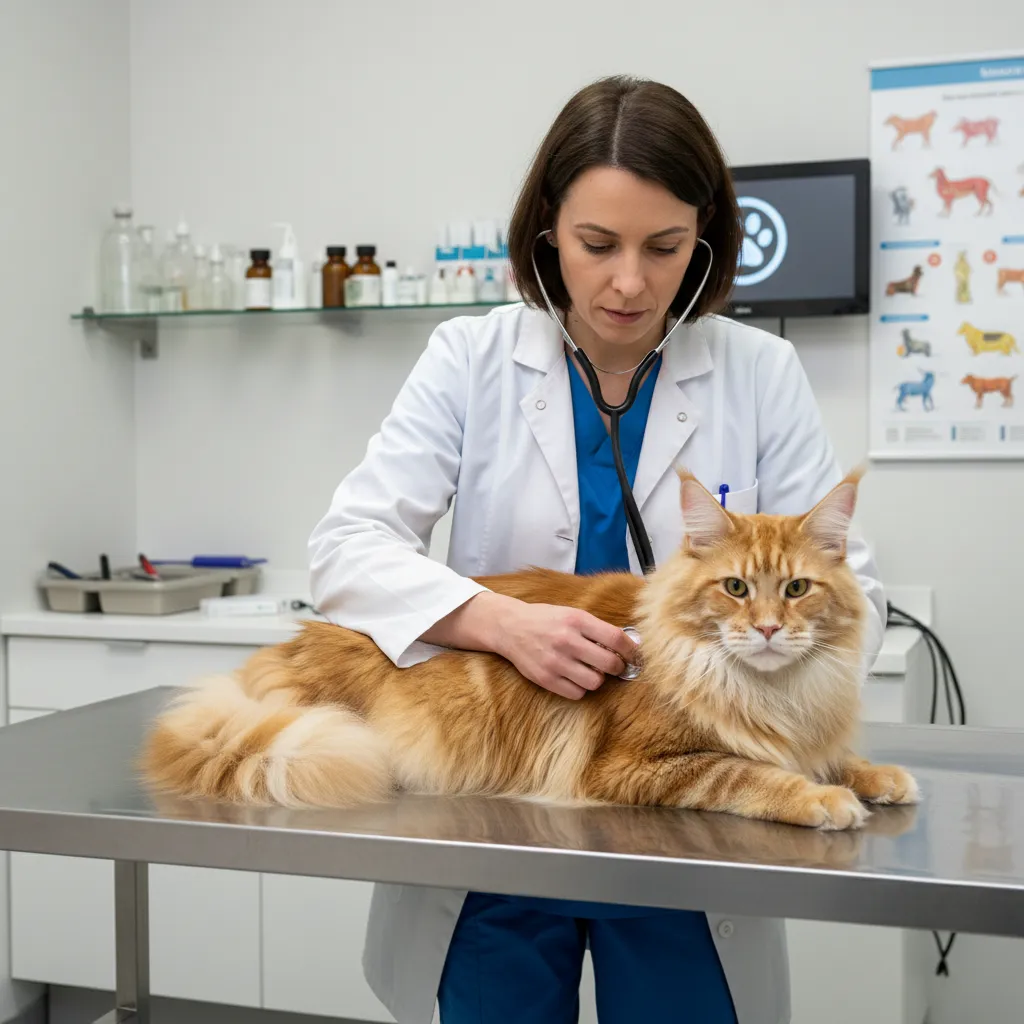
Adopting a Maine Coon comes with a responsibility to monitor specific health conditions prevalent in the breed. Unlike the robust genetic diversity of a “moggy,” purebreds have known vulnerabilities. When adopting, specifically ask for veterinary history regarding the following:
Hypertrophic Cardiomyopathy (HCM)
HCM is the most common form of heart disease in cats and is genetically prevalent in Maine Coons. It causes the heart muscle to thicken, leading to potential heart failure. Ethical breeders screen for this via DNA tests and echocardiograms. If you are adopting a retired breeder, ask to see their HCM scan results. If adopting a rescue, schedule a cardiac scan immediately.
Hip Dysplasia
Due to their large size and heavy bone structure, Maine Coons are susceptible to hip dysplasia, a malformation of the hip joint that leads to arthritis. Watch for a swaying gait, difficulty jumping, or reluctance to be touched on the hips. Weight management is critical; an overweight Maine Coon is at severe risk of joint collapse.
Spinal Muscular Atrophy (SMA)
This is a genetic disease affecting the skeletal muscles of the trunk and limbs. While it is not painful and doesn’t affect intelligence, it causes mobility issues. DNA testing is available and should have been performed if the cat came from a registered line.
Retired Breeding Cats: A Golden Opportunity
For many Kiwis, the best route to “Maine Coon adoption NZ” is acquiring a retired breeding cat. There are distinct advantages to this path:
- Known Temperament: The breeder knows the cat intimately. They can tell you exactly if the cat likes dogs, fears vacuum cleaners, or needs a lap to sleep on.
- Socialization: These cats are used to handling, grooming, and human interaction.
- Health History: You usually get a complete medical history, including genetic test results that you would never get with a random shelter rescue.
However, be aware that some ex-breeding cats may have behavioral quirks. A former stud male, even after neutering, might retain some dominance behaviors, though this usually fades. Former queens might be protective or, conversely, extremely affectionate now that they no longer have maternal duties.
Tenant Advocacy: Renting with a Giant Breed in NZ
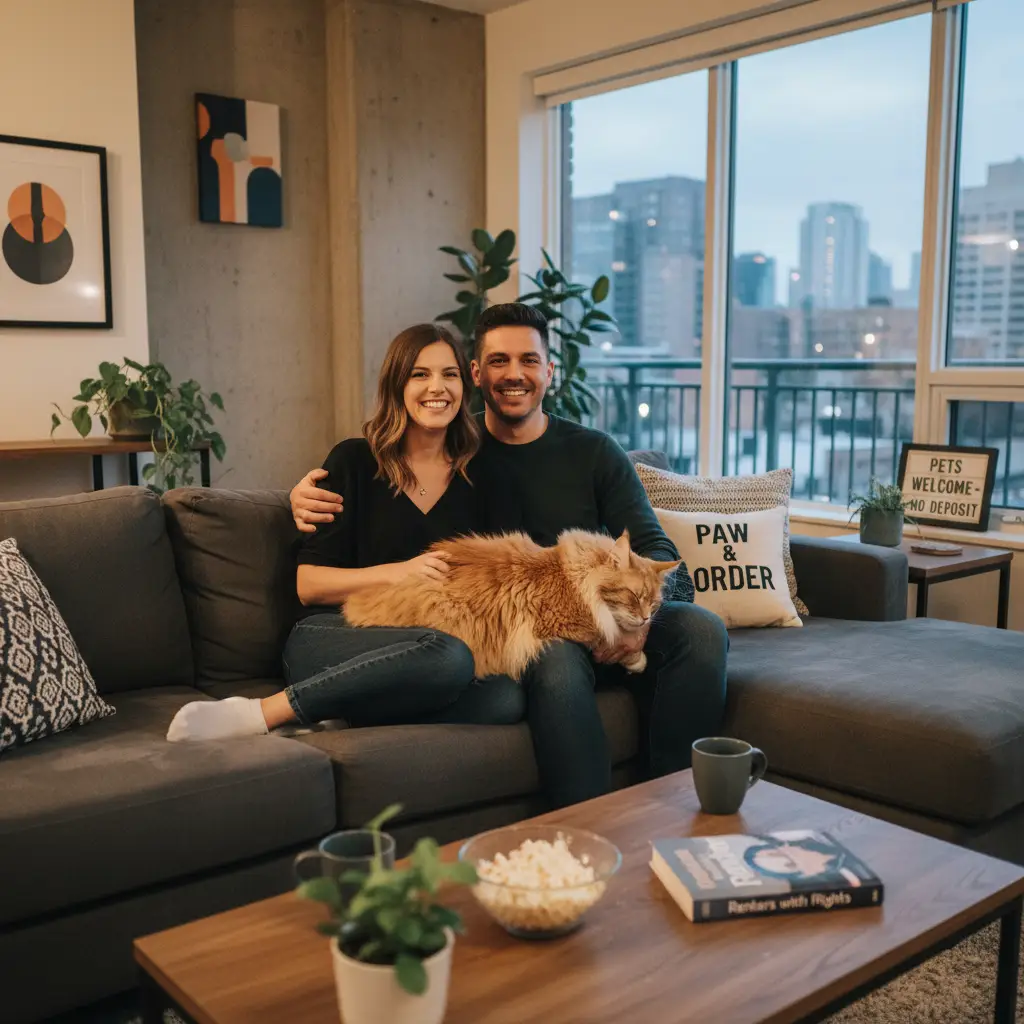
New Zealand’s rental market is notoriously tough for pet owners. Attempting to rent with a cat that looks like a small bobcat can be intimidating for landlords. However, as a tenant advocate strategy, the Maine Coon can actually be easier to sell to a landlord than a hyperactive kitten.
Creating a Pet Resume
To secure a rental with a Maine Coon, do not just check the “has pet” box. Submit a Pet Resume with your application. This document should include:
- A Photo: Show the cat looking sleepy and gentle. Avoid photos that make them look predatory or wild.
- Description: Emphasize that Maine Coons are “floor dwellers” (less likely to climb curtains) and sleep up to 16 hours a day. Use terms like “low energy indoors” and “fully litter trained.”
- References: Include a reference from a previous property manager specifically stating the cat caused no damage.
- Vet Records: Proof of desexing and flea/worm treatment is non-negotiable.
Furthermore, offer to include a “Pet Clause” in the tenancy agreement where you agree to professional carpet cleaning upon exit. This specific action alleviates the primary fear landlords have regarding long-haired cats.
The Adoption Process, Fees, and Waiting Lists
Transactional expectations need to be adjusted for this breed. Adopting a Maine Coon is rarely free or cheap.
Adoption Fees
While a standard SPCA adoption might cost $100-$200, rehoming a Maine Coon from a breeder or specialist rescue often incurs a fee between $500 and $1,000 NZD. This fee covers the cost of desexing (which is more expensive for large cats), recent dental work (common in older cats), and ensures the adopter is financially committed. Free-to-good-home listings should be viewed with extreme suspicion, as they are often scams or involve stolen animals.
The Waiting Game
If you are committed to this breed, you must join waiting lists. Contact breeders listed on the NZCF website and express your interest in adult rehoming specifically. Be polite, provide details about your home environment, and be prepared to wait 6 to 12 months. Breeders care deeply for their lines; they will not release a retired cat to the first person who asks. They look for the best home, not the fastest one.
Conclusion: Preparing for Your Gentle Giant
Adopting a Maine Coon in New Zealand is a rewarding journey that brings a unique, dog-like feline companion into your life. Whether you secure a retired show cat or find a lucky rescue, the key to success lies in preparation. Ensure your home is ready for a large animal—invest in sturdy scratching posts (standard ones will topple), large litter boxes, and high-quality food to support their joints and coat.
By understanding the scarcity of the breed in shelters, prioritizing health checks, and presenting yourself as a responsible tenant and owner, you significantly increase your chances of successfully adopting one of these magnificent animals. The Maine Coon is not just a pet; it is a lifestyle choice, requiring space, grooming, and love in equal, giant measures.
People Also Ask
How much does it cost to adopt a Maine Coon in NZ?
Adoption fees for Maine Coons in NZ typically range from $500 to $1,000 when rehoming a retired adult from a breeder. Shelter adoptions, if available, are generally lower ($150-$250), while purchasing a kitten from a breeder can cost between $2,000 and $3,500.
Are Maine Coon cats good for apartments in NZ?
Yes, Maine Coons can thrive in apartments if they have enough space. Despite their size, they are relatively inactive indoors. However, you must provide large scratching posts and mental stimulation. Landlord approval is crucial due to their size.
Do Maine Coons have health problems common in NZ?
Maine Coons are generally healthy but are prone to Hypertrophic Cardiomyopathy (heart disease), Hip Dysplasia, and Spinal Muscular Atrophy. It is vital to ask for genetic test results or vet checks regarding these conditions before adopting.
Where can I find Maine Coon rescue centers in New Zealand?
There is no single dedicated Maine Coon rescue center in NZ. Most rehoming occurs through registered breeders retiring their cats, the SPCA, or general cat rescue groups. Facebook groups like ‘Maine Coon Lovers NZ’ are good resources for leads.
Are Maine Coons high maintenance?
Yes, they require regular grooming (at least twice a week) to prevent matting in their thick coats. They also eat more than average cats and require larger litter boxes and sturdier furniture, making them more expensive to maintain.
Can I get a Maine Coon from the SPCA?
It is possible but rare. Purebred Maine Coons are valuable and usually rehomed privately or returned to breeders. However, Maine Coon mixes do occasionally appear at SPCA centers, so it is worth monitoring their listings.
Are there resources for rehoming other types of pets in NZ?
Yes, for owners needing to find new homes for their dogs, a comprehensive guide is available: Rehoming Your Dog in NZ: A Compassionate Guide for Owners.
Where can I find tips for rehoming puppies responsibly?
To ensure a smooth transition for young canines, refer to expert advice on Responsible Puppy Rehoming Tips for NZ Owners.
