Manawatu Pet Rescue Guide
Animal rescue Palmerston North refers to the collaborative network of shelters, foster-based organizations, and council services dedicated to the rehabilitation and rehoming of stray, abandoned, or surrendered pets in the Manawatu region. To adopt a pet or report an animal in need, residents must navigate between volunteer groups like ARAN, the SPCA, and local government animal control units.
The State of Animal Welfare in Manawatu
The Manawatu region, anchored by the vibrant city of Palmerston North, is home to a passionate community of animal lovers and advocates. However, like many parts of New Zealand, it faces significant challenges regarding stray animal populations, particularly un-desexed cats and dogs requiring rehoming due to changing owner circumstances. The animal rescue ecosystem in Palmerston North is not a single entity but a tapestry of organizations working in unison to ensure the welfare of companion animals.
Navigating this landscape can be confusing for prospective adopters or those seeking help for an animal. Unlike a centralized system, the region relies heavily on a mix of statutory bodies (like the City Council) and charitable trusts that operate primarily on volunteer power and donations. Understanding who handles what—from noise control and wandering stock to intensive medical rehabilitation—is the first step in successfully adopting a pet or advocating for animal welfare in the district.
ARAN Animal Rescue NZ: A Foster-Based Haven
When discussing animal rescue Palmerston North, ARAN Animal Rescue NZ is frequently the first name that comes to mind for dog lovers. Established as a charitable trust, ARAN operates differently from traditional shelters that keep animals in kennels. Instead, they utilize a foster-based model, which is instrumental in assessing an animal’s true temperament in a home environment.
The ARAN Philosophy
ARAN focuses heavily on rescuing dogs from council pounds that are at risk of euthanasia. They act as a lifeline, pulling these dogs from the pound system, providing necessary veterinary care (including desexing, vaccination, and microchipping), and placing them with foster families. This “home-first” approach allows the rescue to provide accurate behavioral assessments to potential adopters, ensuring a higher success rate for permanent placements.
Adoption Criteria
Because ARAN invests significantly in each animal, their adoption criteria are rigorous. They prioritize property inspections to ensure secure fencing and require meet-and-greets to check compatibility with existing pets. Their goal is not just to empty a cage, but to find a “forever home” where the animal will not be returned. They also occasionally handle cats and kittens, though their primary reputation in the Manawatu is built on their tireless work with dogs.
Manawatu District & Palmerston North Animal Control
It is crucial to distinguish between animal rescue charities and animal control services, although their paths often cross. In the Manawatu, there are two primary government bodies handling animal management: the Palmerston North City Council (PNCC) and the Manawatu District Council (MDC).
Palmerston North City Council (PNCC)
The PNCC operates the local pound. Their primary mandate is public safety and enforcing the Dog Control Act 1996. This involves collecting roaming dogs, managing registration, and responding to dog attacks. While the pound is not a “rescue” in the traditional sense, they do facilitate adoptions for unclaimed dogs that pass a temperament test. Adopting directly from the pound can be a rewarding way to save a life, though these dogs may come with less background history than those from a foster home.
Manawatu District Animal Control
Covering the wider region including Feilding and rural areas, the Manawatu District Council also manages animal control. They deal frequently with stock issues but also handle lost and wandering dogs. Both councils work with groups like ARAN to transfer adoptable dogs when the pounds reach capacity, highlighting the symbiotic relationship between government enforcement and charitable welfare.
Community Cat Coalitions and TNR Efforts
The stray cat population is a significant issue in Palmerston North, exacerbated by the region’s large student population and transient rental market. Several grassroots groups and independent volunteers dedicate themselves to Trap-Neuter-Return (TNR) programs to manage these colonies humanely.
The Importance of TNR
TNR involves trapping feral or stray cats, desexing them, and returning them to their territory (if they are feral) or socializing them for adoption (if they are strays/kittens). This stabilizes the population and prevents the birth of unwanted kittens. In Palmerston North, small volunteer networks often operate quietly to manage these colonies, relying on public donations to fund desexing surgeries.
Adopting Rescue Cats
For those looking to adopt a cat, these smaller networks are goldmines. The cats are often fostered in homes, meaning they are litter-trained and socialized. When searching for “animal rescue Palmerston North” specifically for felines, look for local Facebook community groups dedicated to Manawatu cat rescue, as many operate without a central website but are highly active on social media platforms.
Massey University Vet Clinic Rehoming
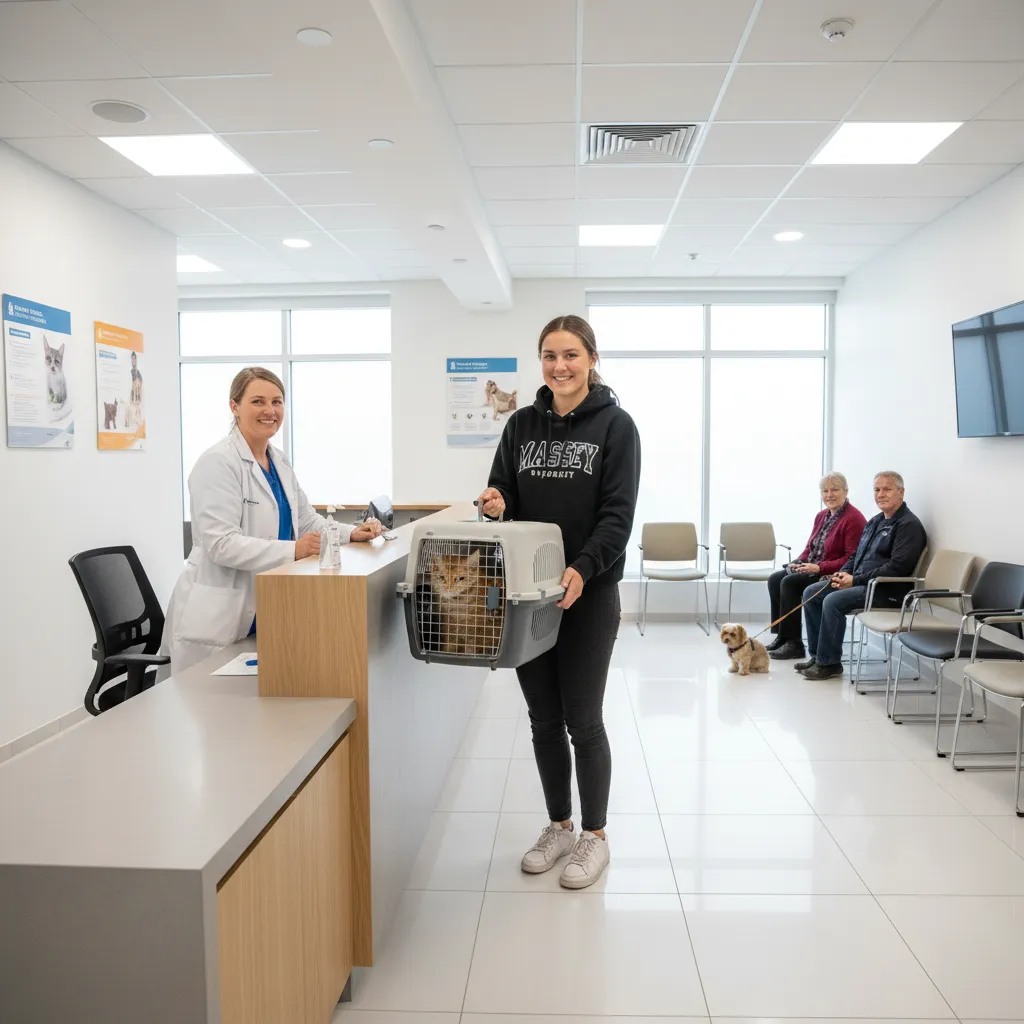
Palmerston North is unique in that it hosts Massey University, which boasts New Zealand’s premier veterinary school. The Massey University Veterinary Teaching Hospital plays a distinct and vital role in the local animal welfare ecosystem.
The Teaching Hospital Role
While primarily a hospital for treating client-owned animals and livestock, the clinic often ends up with animals that have been surrendered or abandoned. In these instances, the veterinary staff and students often facilitate rehoming. These animals have the distinct advantage of receiving world-class veterinary care prior to adoption.
The Student Network
The veterinary student association and various student clubs often organize rehoming drives or foster networks. Animals adopted through Massey channels are typically fully vetted, desexed, and up-to-date on all medical requirements. It is a less advertised avenue for adoption but a highly reputable one for those in the know.
The Role of SPCA Palmerston North
No guide to animal rescue would be complete without mentioning the SPCA (Society for the Prevention of Cruelty to Animals). The Palmerston North center is a cornerstone of animal welfare in the region.
The SPCA is the only organization with the legal power to investigate and prosecute animal cruelty cases under the Animal Welfare Act 1999. Beyond enforcement, they run a shelter that houses cats, dogs, and small animals like rabbits and guinea pigs. They provide a structured adoption process, including:
- Behavioral Assessments: Ensuring the pet is safe to handle.
- Medical Checks: Desexing, microchipping, and vaccinations.
- Post-Adoption Support: Resources for new owners.
For more information on national standards and animal welfare laws, you can visit the Ministry for Primary Industries (MPI) website.
Renting with Pets: A Guide for Manawatu Tenants
One of the biggest barriers to adoption in Palmerston North is the rental market. As a city with a high density of students and renters, finding a “pet-friendly” landlord can be difficult. However, tenant advocacy is a growing niche within the rescue community.
Creating a Pet CV
To increase your chances of securing a rental with a rescue pet, experts recommend creating a “Pet CV.” This document should include:
- A photo of the pet.
- Details of breed, age, and size.
- Vaccination and desexing records.
- References from previous landlords specifically stating the pet caused no damage.
- Obedience training certificates (especially for dogs).
Knowing Your Rights
Under the Residential Tenancies Act, landlords can currently refuse pets. However, recent discussions in New Zealand tenancy law are shifting toward a model where requests cannot be unreasonably declined. When negotiating, offer to add specific clauses regarding carpet cleaning or flea treatments upon vacating. Being proactive often alleviates a landlord’s fear of property damage.
For authoritative advice on tenancy agreements and pets, refer to the Tenancy Services website.
The Adoption Process: What to Expect
Adopting a pet in Manawatu is a structured process designed to protect both the animal and the family. While steps vary slightly between ARAN, the SPCA, and the Council, the general workflow is consistent.
1. Application
You will be asked to fill out a form detailing your living situation, work hours, and experience with pets. Be honest—rescues aren’t looking for “perfect” owners, but for suitable matches. If you work full time, they might suggest an older, lower-energy dog rather than a puppy.
2. Meet and Greet
This is crucial. All family members (and often existing dogs) must meet the potential new pet. This observation period helps staff see how the animal interacts with children or other animals.
3. Property Check
For dogs, secure fencing is non-negotiable. A volunteer may visit your home to check for gaps in fences or toxic plants in the garden. For cats, they may ask about your location relative to busy roads.
4. Adoption Fee
Adoption fees in Palmerston North generally range from $150 to $350. This is a fraction of the cost of the veterinary work the animal has received (desexing alone can cost more than the fee). This fee keeps the rescue operational.

Volunteering and Supporting Local Rescues
If you cannot adopt, you can still play a pivotal role in the Manawatu rescue scene. These organizations run on community support.
Fostering
Fostering is the backbone of groups like ARAN. By providing a temporary home, you save two lives: the animal you foster, and the one that takes its place in the pound or shelter. Rescues typically cover all food and vet bills for foster carers.
Donations
Cash is king for veterinary bills, but goods are also appreciated. Old towels, blankets, quality pet food, and toys are always in demand at the SPCA and foster homes. Even sharing posts on social media helps increase the visibility of animals looking for homes.
Frequently Asked Questions
Here are some common questions regarding animal rescue in Palmerston North.
Where can I surrender my dog in Palmerston North?
You should contact the SPCA Palmerston North or ARAN Animal Rescue NZ. However, most rescues are at capacity and require a waiting period. The Palmerston North City Council pound is primarily for stray/roaming dogs, not owner surrenders, though they may offer advice.
How much does it cost to adopt a dog in Manawatu?
Adoption fees typically range from $250 to $350 for dogs. This fee generally covers desexing, microchipping, registration, vaccinations, and flea/worm treatments.
Can I adopt a pet if I rent a house in Palmerston North?
Yes, provided you have written permission from your landlord. Many rescues, including the SPCA and ARAN, will ask to see this permission or contact your landlord directly before approving an adoption.
What is the difference between the Pound and the SPCA?
The Council Pound (Animal Control) focuses on enforcing dog control laws, managing roaming dogs, and public safety. The SPCA focuses on animal welfare, cruelty investigations, and rehabilitating sick or injured animals. Both rehome animals, but their primary mandates differ.
Are there specific cat rescues in Palmerston North?
Yes, aside from the SPCA, there are smaller volunteer groups and TNR (Trap-Neuter-Return) advocates that operate via social media networks to rescue and rehome cats and kittens in the Manawatu region.
How do I report a stray dog in Manawatu?
If you see a stray dog in the city, contact the Palmerston North City Council Animal Control. If you are in the wider district (e.g., Feilding), contact the Manawatu District Council. For injured animals, contact the SPCA or a local vet immediately.
