
Nelson/Tasman Animal Welfare
Animal rescue Nelson refers to the collaborative network of welfare organizations, including the SPCA Nelson Centre, Second Chance Dog Rescue, and council-run facilities, dedicated to the rehabilitation and rehoming of stray, abandoned, or surrendered animals. To adopt or assist, residents must engage with these specific entities which handle health checks, desexing, and matching pets with suitable homes across the Tasman region.
The Landscape of Animal Rescue in Nelson
The Nelson-Tasman region, known for its stunning landscapes and outdoor lifestyle, is also home to a vibrant community of animal lovers. However, like many parts of New Zealand, the region faces significant challenges regarding animal welfare. From stray kitten populations in urban Nelson to working dogs needing rehoming in rural Tasman, the demand for animal rescue services is consistently high.
The ecosystem of animal rescue in Nelson is not a single entity but a tapestry of charitable organizations, government bodies, and dedicated volunteers. These groups work tirelessly to bridge the gap between abandonment and a forever home. Understanding the distinct roles of these organizations is crucial for anyone looking to adopt a pet, surrender an animal, or volunteer their time. While some focus on enforcement and animal justice, others are purely foster-based networks relying on the generosity of private citizens to house animals temporarily.
Furthermore, the region faces unique geographic challenges. The separation between Nelson City, Richmond, Motueka, and Golden Bay means that rescue resources are often stretched over a wide area. Transportation of animals, access to veterinary care in remote areas, and coordinating foster carers across the district require immense logistical effort. This guide serves as the definitive resource for navigating this landscape, ensuring you connect with the right organization for your specific needs.
SPCA Nelson Centre: The Cornerstone of Welfare
The Society for the Prevention of Cruelty to Animals (SPCA) is arguably the most recognized name in animal welfare, and the Nelson Centre plays a pivotal role in the region. Located in Richmond, the Nelson Centre serves as the primary hub for animal welfare investigations, rehabilitation, and adoption.
The Role of Inspectorate Services
Unlike smaller rescue groups, the SPCA holds statutory power. This means they are responsible for enforcing the Animal Welfare Act 1999. SPCA Inspectors respond to complaints regarding cruelty and neglect. When an animal is seized or surrendered due to welfare concerns, they are brought to the Nelson Centre for immediate veterinary assessment. This distinction is vital; while other rescues focus on rehoming, the SPCA is also the frontline defense against animal abuse.
Adoption Services and Facilities
The Nelson Centre is equipped to handle a wide variety of animals. While cats and dogs are the most common residents, it is not unusual to find rabbits, guinea pigs, and occasionally livestock such as goats or chickens looking for homes. The adoption process at the SPCA is rigorous to ensure the long-term safety of the animal.
Prospective adopters should be prepared for:
- Detailed Applications: Questions regarding your home environment, fencing, and lifestyle.
- Meet and Greets: Mandatory interactions with the animal, often requiring all family members and existing dogs to be present.
- Desexing and Microchipping: All animals adopted from the SPCA are desexed, microchipped, vaccinated, and treated for fleas and worms before release.
For more detailed information on their nationwide standards and local listings, you can visit the official SPCA New Zealand website.
Second Chance Dog Rescue: A Community Lifeline
While the SPCA handles a broad spectrum of welfare issues, Second Chance Dog Rescue fills a critical niche specifically for canines in the Nelson/Tasman area. This organization is renowned for its dedication to dogs that might otherwise be overlooked or those that require specific environments to thrive.
The Foster-Based Model
One of the defining characteristics of Second Chance is its reliance on a network of foster homes rather than a centralized kennel facility. This model offers several distinct advantages for animal rescue in Nelson:
- Behavioral Assessment: Dogs living in a home environment provide a more accurate picture of their behavior than those in high-stress kennels. Foster carers can assess how a dog reacts to vacuum cleaners, cats, children, and visitors.
- Decompression: Many rescue dogs suffer from anxiety. A home setting allows them to decompress and reveal their true personalities, making the matching process with permanent owners much more successful.
- Socialization: Foster dogs often live with other pets, providing crucial socialization that helps them integrate into their future forever homes.
Focus on Working Breeds
Given the rural nature of the Tasman district, there is a high volume of working breeds (Collies, Huntaways, etc.) that end up in the rescue system. Second Chance is particularly adept at handling these high-energy dogs, understanding that they require active homes and mental stimulation, not just a backyard. Their adoption listings provide honest, transparent assessments of a dog’s energy levels and training needs.
Tasman District Council Pound Adoptions
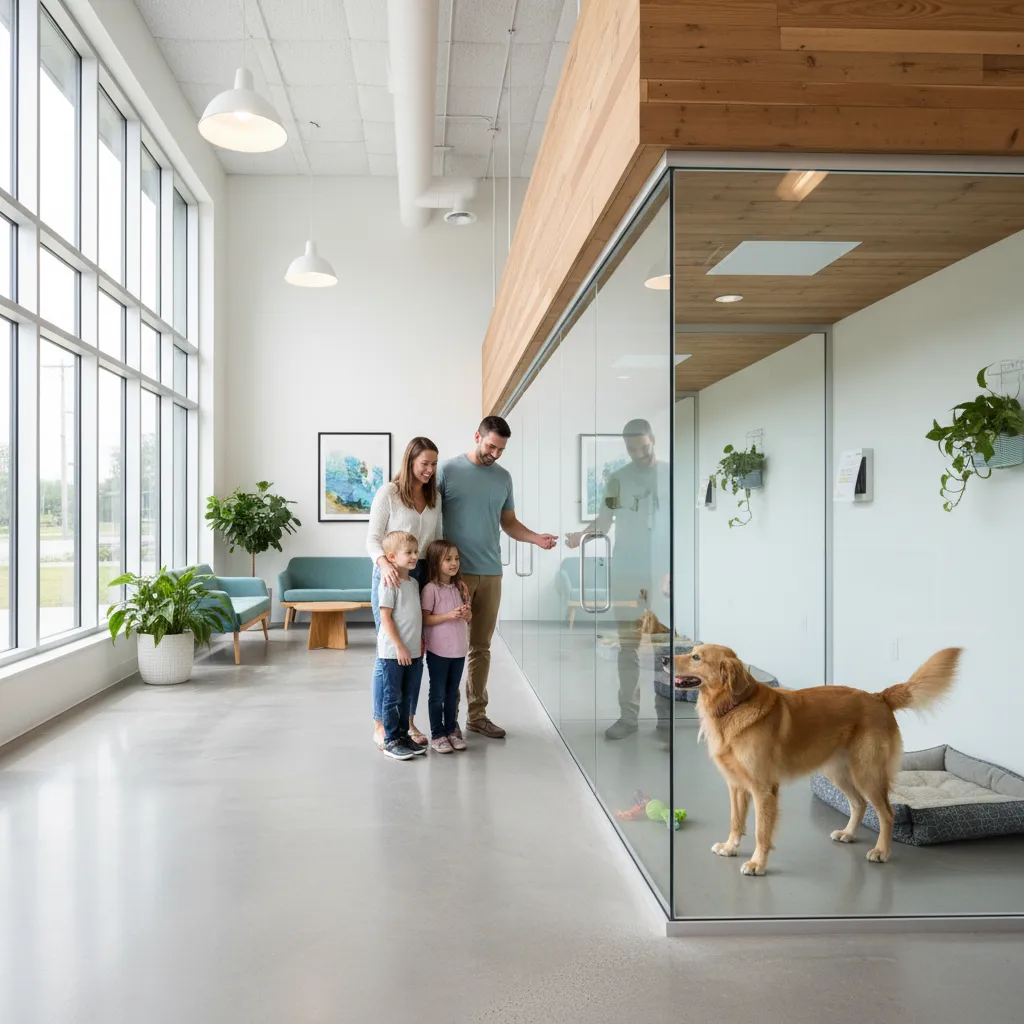
A frequently overlooked avenue for animal rescue in Nelson is the local council pound system. The Tasman District Council operates animal control services, and while their primary mandate is public safety and dog registration compliance, they are also deeply involved in rehoming unclaimed dogs.
The “Adopt a Dog” Initiative
The Tasman District Council runs a proactive “Adopt a Dog” program. When stray dogs are picked up and not claimed by an owner within the statutory period (usually 7 days), the council assesses them for rehoming suitability. Unlike the grim stereotype of the “dog pound,” the staff work hard to find homes for adoptable dogs.
These dogs are often advertised on social media platforms and the council website. Adopting from the pound can be a rewarding experience, often saving a dog from the very brink. However, potential adopters should note that the history of these dogs is often completely unknown. They may be strays with no training, or escaped family pets that were never microchipped.
Requirements and Fees
Adopting from the council typically involves:
- Registration Fees: You will need to pay for the dog’s registration for the current year.
- Desexing Vouchers: While not always desexed prior to release (depending on facility capabilities), the council often provides vouchers or requires proof of desexing as a condition of adoption.
- Property Inspections: Animal Control Officers will inspect your property to ensure fencing is adequate to contain the specific dog you wish to adopt.
Golden Bay and Rural Animal Support
The geography of the Tasman region presents a barrier to access for those living in Golden Bay (Takaka, Collingwood). The hill acting as a physical divide means that relying solely on Nelson-based services is not always feasible. Consequently, volunteer groups in Golden Bay have stepped up to manage local welfare needs.
Community Volunteer Networks
In Golden Bay, animal welfare is often community-driven. Informal networks of volunteers coordinate to trap stray cats, transport injured wildlife to vets over the hill, and foster animals locally. These groups often operate through social media community pages.
If you are located in Golden Bay and looking to adopt or surrender, it is best to check local community noticeboards or specific Golden Bay animal welfare Facebook groups. These grassroots efforts are vital for the rural ecosystem, preventing the uncontrolled breeding of feral cats and providing immediate aid to lost stock or pets before professional help can arrive from the main centers.
Tenant Advocacy: Renting with Pets in Nelson
One of the leading causes of animal surrender in Nelson is the inability to find pet-friendly rental housing. The rental market in Nelson and Tasman is highly competitive, and landlords are often hesitant to allow pets. This section addresses the “Tenant Advocacy” niche, providing strategies to secure housing and keep pets out of the rescue system.
Creating a Pet CV
To compete in the rental market, tenants must professionalize their pet ownership. A “Pet CV” is a powerful tool. It should include:
- References: Written references from previous landlords specifically stating the pet caused no damage and was not a nuisance.
- Veterinary Records: Proof of desexing, microchipping, and up-to-date vaccinations/flea treatment. This shows responsible ownership.
- Photos and Bio: A cute photo and a description of the pet’s age, breed, and activity level.
- Training Certificates: If your dog has passed obedience training, include the certificate.
Understanding Tenancy Laws
Under current New Zealand law, landlords can refuse pets, but they cannot include blanket “no pets” clauses if they are unreasonable in certain specific contexts (though this area of law is evolving). However, tenants are responsible for any damage caused by the pet. Offering to pay for professional carpet cleaning at the end of the tenancy as a special lease term can often sway a hesitant landlord.
For authoritative advice on tenancy agreements and pets, refer to the Tenancy Services NZ website.
The Adoption Process: What to Expect
Whether you choose the SPCA, Second Chance, or the Council, the adoption process follows a general trajectory designed to protect both the animal and the community.
1. The Application
Expect to fill out a detailed questionnaire. Rescues are not looking for “perfect” homes, but “appropriate” homes. Be honest about your work hours. A high-energy Huntaway is not suitable for someone working 10 hours a day with a small courtyard, whereas an older Greyhound might be perfectly content.
2. The Property Check
In Nelson, fencing is a major criteria for dog adoption. Most rescues require a fully fenced property with gates. For rentals, written landlord permission is non-negotiable. For cat adoptions, some rescues may require you to live a certain distance from major highways to ensure the cat’s safety.
3. The Trial Period
Many rescues in the Tasman region offer a trial period (usually 2-4 weeks). This is a safety net. If the animal does not settle, or if there is conflict with existing pets, the animal can be returned. This reduces the risk for the adopter and ensures the animal doesn’t end up in an unhappy environment.

How to Support Local Rescues
Not everyone is in a position to adopt, but the animal rescue Nelson network relies heavily on community support to function. Here are high-impact ways to help:
- Fostering: This is the most critical need. By fostering, you directly save a life by freeing up space in a shelter or providing a home for a rescue that doesn’t have a facility.
- Donating Goods: The SPCA and Second Chance often need blankets, towels, high-quality pet food, and toys. Check their “wish lists” before donating.
- Volunteering: From walking dogs at the shelter to cleaning cat cages or helping at fundraising op-shops, time is a valuable currency.
- Advocacy: Share adoption profiles on social media. A single share can connect a dog with its new owner.
By engaging with these organizations, you contribute to a compassionate community that values the welfare of all sentient beings in the Nelson/Tasman region.
People Also Ask
Where can I surrender my dog in Nelson?
You can surrender a dog at the SPCA Nelson Centre in Richmond or contact Second Chance Dog Rescue. However, surrenders are usually by appointment only and depend on capacity. You should contact them by phone first to discuss the situation and provide medical history for the animal.
How much does it cost to adopt a dog from the SPCA Nelson?
Adoption fees vary by age and breed but typically range from $250 to $350 for adult dogs and slightly more for puppies. This fee covers desexing, microchipping, first vaccinations, flea/worm treatment, and a vet check, representing significant savings compared to paying for these services privately.
Does Nelson have a cat specific rescue?
Yes, alongside the SPCA, there are smaller organizations and charitable trusts like The Nelson Ark (which focuses on rehabilitation programs) and foster networks that specifically handle stray and colony cats. Check local listings for specialized cat rescue groups operating in the Tasman district.
Can I adopt a dog from the Tasman District Council pound?
Yes, the Tasman District Council runs an “Adopt a Dog” program for unclaimed dogs suitable for rehoming. These dogs are often advertised on their Facebook page or website. You will need to pay registration fees and ensure your property is adequately fenced.
What should I do if I find a stray animal in Nelson?
If you find a stray dog, contact the Tasman District Council Animal Control or Nelson City Council immediately. For injured stray animals, contact the SPCA or a local vet. Do not approach aggressive animals; instead, note their location and description for the authorities.
Are there volunteer opportunities for animal rescue in Golden Bay?
Yes, Golden Bay has active volunteer networks. Since there is no large SPCA facility directly in Takaka, local volunteers manage fostering and transport. Connecting with community Facebook pages in Golden Bay is the best way to find current volunteer needs.
