Northland Animal Shelters
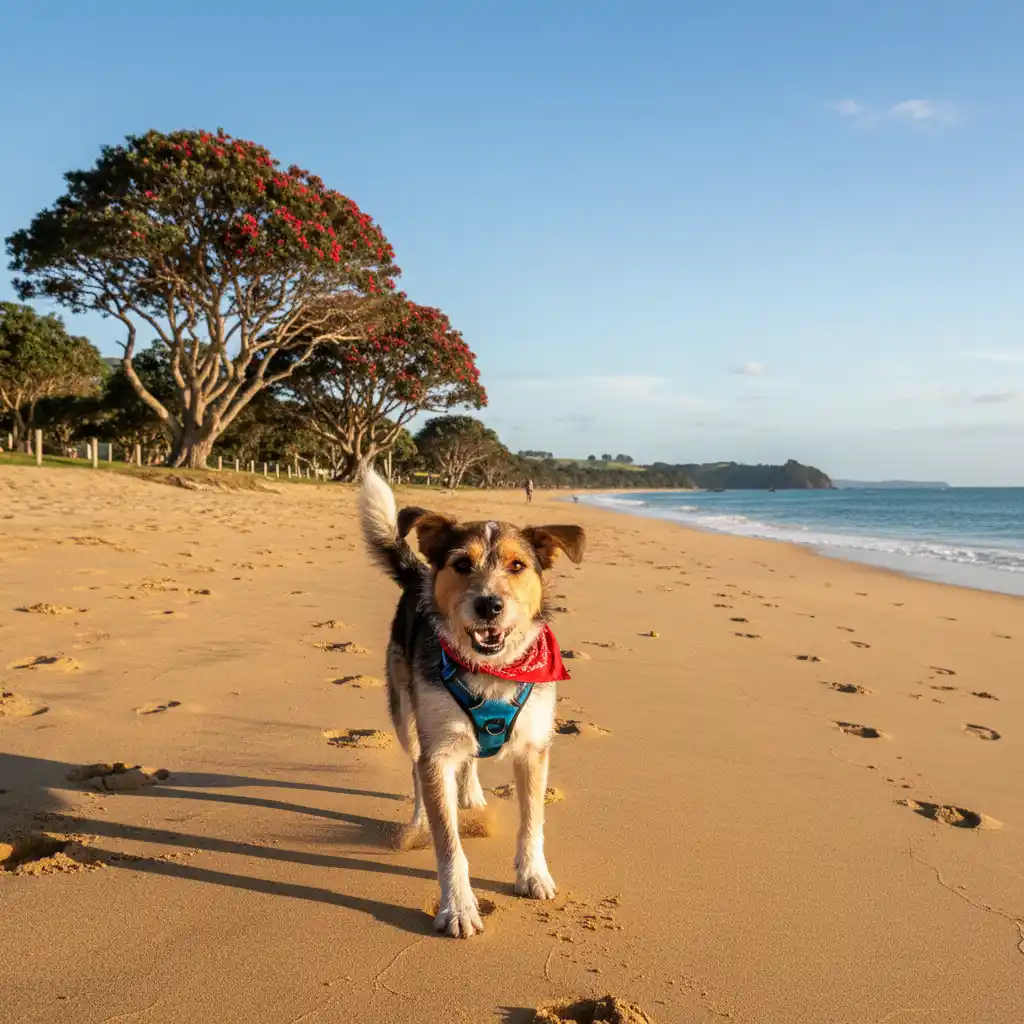
Animal rescue Northland refers to the network of charitable organizations, municipal pounds, and community groups across New Zealand’s Te Tai Tokerau region dedicated to the welfare of animals. This includes major entities like the SPCA in Whangarei and Kaitaia, independent charities such as Bay of Islands Animal Rescue, and local council rehoming programs that facilitate the rehabilitation and adoption of stray, abandoned, or surrendered pets.
The State of Animal Rescue in Northland
The Northland region, stretching from Mangawhai in the south up to Cape Reinga, presents a unique landscape for animal welfare. With vast rural areas, a warm climate conducive to breeding cycles, and pockets of economic hardship, the demand for animal rescue services in Northland is consistently high. The region faces specific challenges, including large populations of stray “camp dogs,” unneutered community cats, and working dogs that require rehoming after retiring from farm life.
Animal rescue in Northland is not centralized into a single facility. Instead, it is a collaborative ecosystem comprising the Society for the Prevention of Cruelty to Animals (SPCA), determined independent charitable trusts, and local district councils. These organizations work tirelessly to combat overpopulation through desexing campaigns, educate the public on responsible ownership, and ultimately find forever homes for thousands of animals every year.
For prospective adopters, understanding the distinction between these different organizations is vital. While the goal—saving lives—is the same, the adoption processes, fees, and types of animals available can vary significantly between a council pound in the Far North and a foster-based rescue in Kerikeri.
SPCA Whangarei and Kaitaia Centers
The SPCA is the most recognized name in animal welfare across New Zealand, and its presence in Northland is anchored by two primary centers: Whangarei and Kaitaia. These centers serve as the backbone for animal welfare enforcement and large-scale rehoming in the region.
SPCA Whangarei Center
Located in the region’s largest city, the Whangarei SPCA center handles a high volume of incoming animals. This facility is equipped to manage everything from neonatal kittens requiring round-the-clock care to livestock cases involving horses or farm animals seized by inspectors. The Whangarei center often serves as a hub, transferring animals to other regions if local capacity is reached, ensuring that adoptable pets have the best chance of finding a home.
Adopting from SPCA Whangarei involves a rigorous vetting process. Potential owners must complete an application, undergo a property check (often virtual or via photos), and meet the animal to ensure compatibility. The adoption fee typically covers desexing, microchipping, vaccinations, and flea/worm treatments, providing excellent value and peace of mind for new owners.
SPCA Kaitaia Center
Further north, the Kaitaia center operates in a challenging environment with a large rural catchment area. The Kaitaia SPCA plays a critical role in the Far North District, often dealing with complex welfare cases. They are heavily involved in community outreach, offering desexing assistance to low-income families to curb the cycle of unwanted litters.
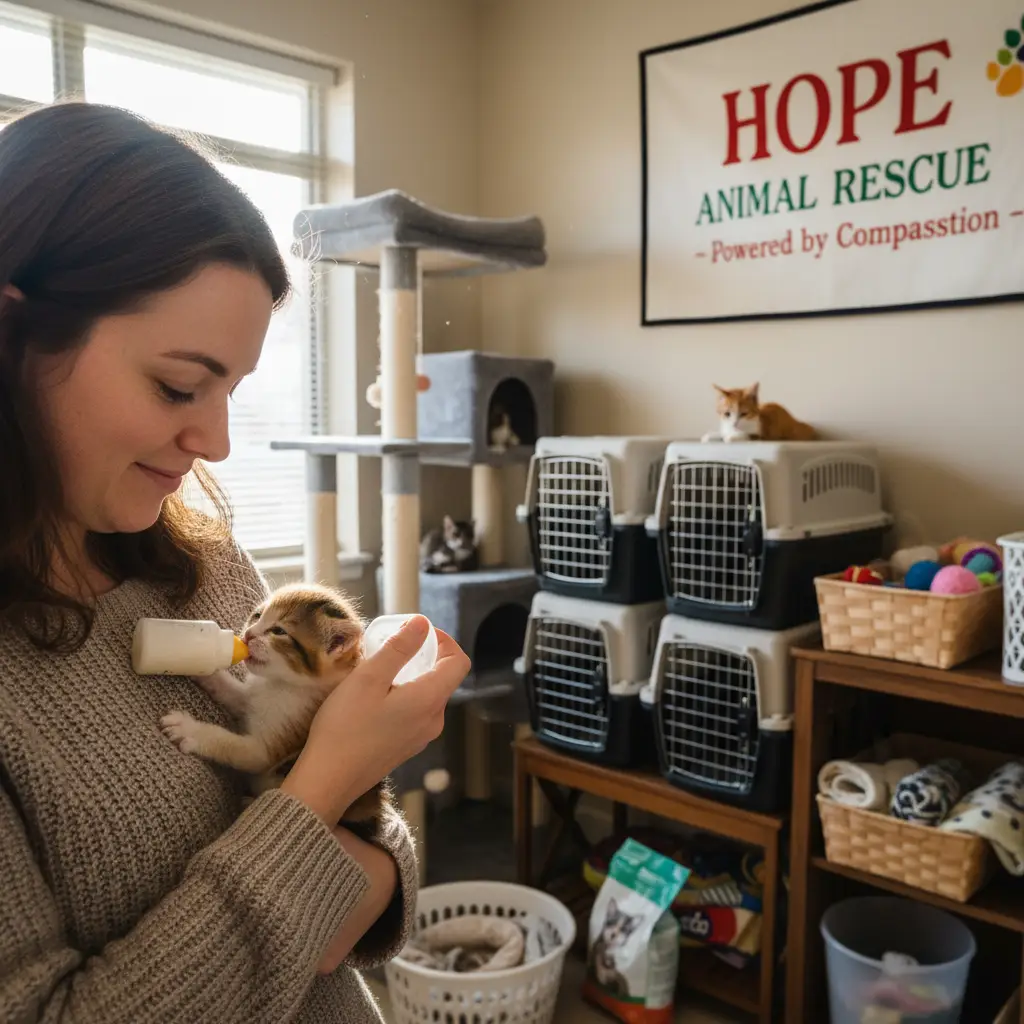
Because the Kaitaia center is smaller than its Whangarei counterpart, they rely heavily on a network of foster parents. Fostering is a massive part of the Northland rescue strategy; animals are raised in home environments rather than cages, which helps with socialization and provides a better assessment of the animal’s temperament before adoption.
Bay of Islands Animal Rescue (BOIAR)
One of the most prominent independent organizations in the region is the Bay of Islands Animal Rescue. Founded by Summer Johnson, this organization has gained a reputation for its “boots on the ground” approach. Unlike shelters that wait for animals to be brought to them, BOIAR is proactive, often venturing into remote communities to rescue injured animals, deliver food, and transport pets to vet clinics.
The organization is famous for its “Purple Van,” a mobile symbol of hope for animals in the Mid and Far North. BOIAR operates almost entirely on a foster-based model. This means they do not have a central public kennel facility where you can walk through and view dogs. Instead, animals live with volunteer families.
The Adoption Process with BOIAR
Because the animals are in foster care, the adoption process is highly personalized. If you are interested in an animal listed on their Facebook page or website, you will arrange a meet-and-greet at the foster carer’s home. This allows you to see how the dog or cat behaves in a domestic setting—whether they are house-trained, how they interact with children, and if they get along with other pets.
BOIAR is also known for taking on “hard cases”—animals with mange, broken limbs, or severe trauma. Their dedication to rehabilitation means that adopting from them often involves giving a second chance to an animal that has survived significant hardship.
Donna Doolittle’s and Independent Networks
Beyond the SPCA and BOIAR, Northland is home to several smaller, passionate independent rescues that fill critical gaps in the welfare net.
Donna Doolittle’s Animal Rescue
Based in Kaitaia, Donna Doolittle’s Animal Rescue is a registered charity that focuses heavily on the Far North. They are particularly known for their work with puppies and dogs from rural properties. The rescue is volunteer-run and relies on donations to cover substantial vet bills. They frequently hold adoption days at local markets or pet stores, allowing the public to meet available puppies.
Coast to Coast Cat Rescue
While dogs often get the spotlight, Northland has a significant stray cat population. Coast to Coast Cat Rescue operates primarily in the Kaipara and Whangarei districts. They focus on the “Trap-Neuter-Return” (TNR) method for feral colonies to stabilize populations, while socializing and rehoming adoptable kittens. For those looking to adopt a cat in Northland, this organization is a primary resource.
Local Pound Adoption Days & Rehoming
A common misconception is that council pounds are strictly for animal control and euthanasia. In reality, both the Whangarei District Council (WDC) and the Far North District Council (FNDC) actively work to rehome unclaimed impounded dogs.
Far North District Council (FNDC)
The FNDC runs an “Adopt a Dog” program. Dogs that are picked up as strays and remain unclaimed after the statutory period (usually 7 days) are assessed for rehoming. If a dog passes a temperament test, it is made available for adoption. These dogs are often advertised on the Council’s website or dedicated Facebook pages.
Adopting from the pound is often cheaper than private rescues, but the dogs may come with less history. However, the council ensures they are microchipped, registered, and desexed before release. For more information on local regulations, you can visit the SPCA New Zealand website which partners with councils nationwide.
Whangarei District Council Pound
Similarly, the Whangarei pound works with local rescues to move adoptable dogs out of the pound environment and into foster care. However, they also facilitate direct adoptions. It is important to note that pounds generally deal with dogs only; stray cats are usually the domain of the SPCA or independent rescues.
Tenant Advocacy: Renting with Pets in Northland
One of the biggest barriers to animal rescue in Northland is the rental housing market. Northland has a high proportion of renters, and finding “pet-friendly” accommodation can be incredibly difficult. This issue directly affects rescue centers, as “moving to a rental that doesn’t allow pets” is a leading cause of animal surrenders.
Creating a Pet CV
If you are a tenant in Northland looking to adopt, or a pet owner looking for a home, you must be proactive. Rescues will often require written permission from your landlord before finalizing an adoption. To secure this, consider creating a “Pet CV.” This document should include:
- References: Contact details for previous landlords who can vouch for your pet’s behavior.
- Health Records: Proof of desexing, flea/worm treatment, and vaccinations.
- Description: Details about the pet’s age, breed, and activity level.
- Photos: Cute photos can help humanize the animal to a landlord.
Understanding Your Rights
Under the Residential Tenancies Act, landlords can no longer unreasonably prohibit pets, though this area of law is still evolving with recent amendments. However, landlords can still impose reasonable conditions. For authoritative advice on tenancy laws regarding pets, refer to the Tenancy Services website.
Rural Rehoming and Working Dog Networks
Northland is agricultural heartland. Consequently, there is a specific niche of rescue work dedicated to working dogs—Border Collies, Huntaways, and Heading dogs. Sometimes these dogs are retired, or they simply didn’t make the cut as working farm dogs (often called “failed farm dogs”).
These dogs make incredible active companions but require specific owners who understand their high energy and mental stimulation needs. Networks like the “Retired Working Dogs” charity operate nationally but have a strong presence in Northland due to the farming density. Local vets in rural towns like Dargaville and Kaikohe often serve as informal connecting points for farmers looking to rehome dogs.
How to Support Northland Rescues
If you cannot adopt, there are still critical ways to support the animal rescue Northland ecosystem.
Fostering
Fostering is the lifeline of Northland rescues. By temporarily opening your home, you save a life and free up space for another rescue. Rescues typically cover all food and vet costs; you provide the love and shelter.
Donations and Volunteering
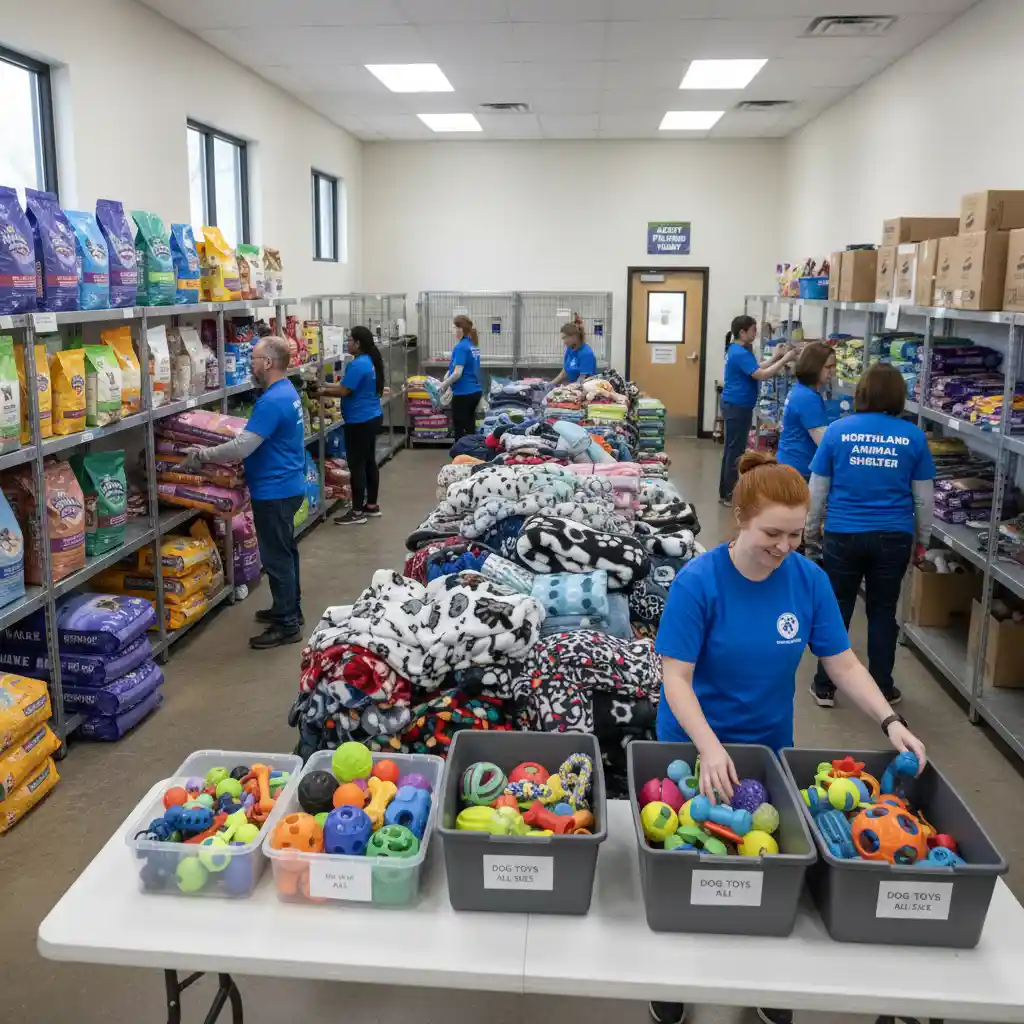
Financial donations are always needed, but tangible goods are also valued. Old towels, blankets, pet food, and toys are constantly in demand at the SPCA and BOIAR. Additionally, volunteering at op-shops (charity stores) run by these organizations helps generate the revenue needed to keep the ambulances running and the lights on.
Frequently Asked Questions
Where can I surrender my dog in Northland?
You can surrender a dog to the SPCA in Whangarei or Kaitaia, provided they have space and the animal meets their intake criteria. You must call ahead to make an appointment. Alternatively, contact Bay of Islands Animal Rescue or Donna Doolittle’s to see if they have foster capacity. Never abandon an animal; always seek assistance.
Is there an SPCA in Kaitaia?
Yes, there is an SPCA center in Kaitaia. It serves the Far North district. They handle adoptions, animal welfare inspections, and offer support for desexing. It is one of the key animal welfare hubs in the upper North Island.
How do I adopt from the Far North pound?
To adopt from the Far North District Council pound, visit their “Adopt a Dog” webpage or their Facebook page where adoptable dogs are listed. You will need to pay an adoption fee which covers registration, microchipping, and desexing. You must also have a fully fenced property.
Who removes stray cats in Whangarei?
The Whangarei District Council generally does not handle stray cats. For sick or injured stray cats, you should contact the SPCA. For healthy stray cats or colony management, contact Coast to Coast Cat Rescue or the SPCA for advice on trap-neuter-return programs.
Are there no-kill shelters in Northland?
Many independent rescues in Northland, such as Bay of Islands Animal Rescue, operate on a “no-kill” philosophy, meaning they do not euthanize healthy rehomeable animals for space. The SPCA also strives to rehome every healthy and behaviorally sound animal but may euthanize on veterinary advice for severe medical or behavioral issues.
How can I find a pet-friendly rental in Northland?
Finding pet-friendly rentals involves searching listings on TradeMe or real estate sites with “pets allowed” filters. Create a Pet CV for your animal, offer to pay a pet bond (if legally applicable/negotiated), and provide references from previous landlords to prove your pet is responsible.
