Otago Pet Adoption Resources
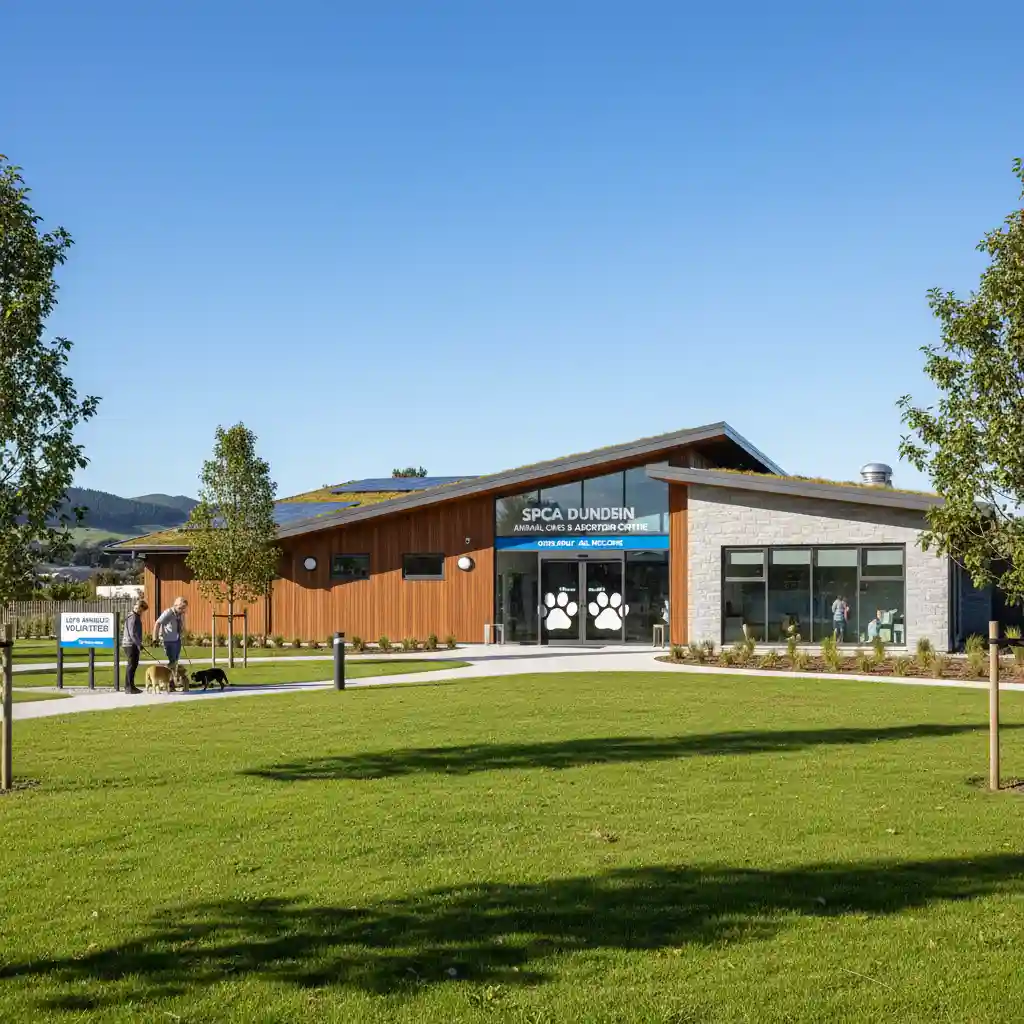
SPCA Dunedin is the primary animal welfare organization in the Otago region, located in Opoho. It serves as a hub for rescuing, rehabilitating, and rehoming abused or abandoned animals while enforcing the Animal Welfare Act. To adopt, potential owners must visit the centre or website, submit an application, and complete a vetting process to ensure a suitable match.
Understanding SPCA Dunedin: The Heart of Otago Animal Welfare
When residents of Otago think of animal welfare, the first organization that invariably comes to mind is the SPCA. The Dunedin Centre, situated in the leafy suburb of Opoho, is not merely a shelter; it is a comprehensive institution dedicated to the prevention of cruelty to animals. As the oldest and most prominent animal welfare charity in New Zealand, the Royal New Zealand Society for the Prevention of Cruelty to Animals (RNZSPCA) operates with a mandate to protect all animals, from companion pets to livestock.
The Dunedin facility plays a critical role in the lower South Island. It operates as the central command for animal inspectors who investigate complaints of cruelty and neglect. However, for the general public, it is best known as the place where thousands of animals find their second chance at happiness. The centre is staffed by a dedicated team of veterinarians, animal care assistants, and a legion of volunteers who ensure that every animal receives medical attention, socialization, and love before finding a forever home.
Services Offered at the Dunedin Centre
While adoption is the most visible service, SPCA Dunedin offers a multifaceted approach to animal welfare:
- Inspectorate Services: Warranted officers respond to calls regarding animal welfare concerns, holding the legal power to prosecute under the Animal Welfare Act 1999.
- Lost and Found: The centre acts as a repository for stray animals found in the Dunedin city limits, working closely with the Dunedin City Council (DCC) Animal Control.
- Desexing Campaigns: To combat overpopulation, particularly among stray cats, the SPCA frequently runs “Snip ‘n’ Chip” campaigns, offering subsidized desexing and microchipping services to low-income earners and students.
- Education: The SPCA runs educational programs for local schools to instill a sense of responsibility and compassion in the next generation of pet owners.
The Adoption Process: How to Adopt from SPCA Dunedin
Adopting a pet is a significant commitment, and SPCA Dunedin has structured its adoption process to ensure that animals are placed in safe, permanent environments. Unlike buying a pet from a breeder or a pet shop, adopting from the SPCA involves a matchmaking process designed to align the animal’s needs with the adopter’s lifestyle.
Step 1: Browsing and Visiting
Most potential adopters begin their journey by viewing available animals on the SPCA website. The listings provide photos, estimated ages, breed information, and a brief biography of the animal’s personality. However, a digital profile can only convey so much. Visiting the Opoho centre during opening hours allows you to interact with the animals. Whether you are looking for a high-energy dog to accompany you on runs up Signal Hill or a placid senior cat for a quiet apartment, meeting the animal is crucial.
Step 2: The Application and Vetting
Once you have identified a potential companion, you will be asked to fill out an adoption application. This form gathers information about your living situation, your experience with pets, and your household members. This is not a test to pass or fail, but a diagnostic tool to prevent returns. For example, some dogs may not be suitable for homes with cats or small children.
Step 3: Property Checks and Finalization
For dog adoptions, a property check is standard. An SPCA representative will inspect your home to ensure you have secure fencing and adequate shelter. This is particularly important in Dunedin’s hilly terrain where fencing can be tricky. Once approved, you will pay an adoption fee. It is important to note that this fee offers incredible value. It covers desexing, microchipping, the first round of vaccinations, flea and worm treatment, and a vet check. Doing these procedures privately would cost significantly more than the adoption fee.
Beyond the SPCA: Animal Rescue Network NZ and Local Shelters
While the SPCA is the largest organization, the ecosystem of animal welfare in Otago relies heavily on smaller, often foster-based networks. These organizations fill the gaps when the SPCA is at capacity and specialize in different types of rescue operations.
Animal Rescue Network NZ (Dunedin)
The Animal Rescue Network (ARN) is a pivotal player in the Dunedin rescue scene. Unlike the SPCA, which has a large physical facility, ARN operates primarily through a network of foster homes. This model is particularly beneficial for animals that struggle in a shelter environment, such as shy cats or dogs with anxiety. Living in a home environment allows these animals to be socialized in a realistic setting, making the transition to a permanent home smoother.
ARN is heavily reliant on community donations and volunteers. They are known for taking in “hard cases”—animals that might require extensive medical treatment or long-term behavioral rehabilitation. Their adoption process is rigorous, often involving home visits and reference checks, reflecting their deep commitment to the welfare of their charges.
Cat Rescue Dunedin
Specifically focused on the feline population, Cat Rescue Dunedin works tirelessly to manage the stray and feral cat colonies around the city. They utilize a Trap-Neuter-Return (TNR) strategy for unsocialized cats to control the population humanely, while socializing kittens and friendly strays for adoption. For students or residents in smaller flats where dogs are not permitted, adopting a cat from this organization is a popular and rewarding option.
Tenant Advocacy: Renting with Pets in Dunedin
One of the most significant barriers to pet adoption in Otago is the rental market. Dunedin has a high proportion of renters, driven by the University of Otago and Otago Polytechnic student populations. Historically, landlords have been hesitant to allow pets, citing potential damage to property. However, the landscape is shifting, and there are strategies tenants can use to secure a pet-friendly home.

Creating a Pet CV
To compete in a tight rental market, prospective adopters should create a “Pet CV.” This document should include a photo of the pet, details about their breed and age, and evidence of their good behavior. Including references from previous landlords confirming that the pet caused no damage can be persuasive. For dogs, certificates of obedience training or Canine Good Citizen awards are invaluable.
Understanding Your Rights
Under the Residential Tenancies Act, landlords cannot include a blanket “no pets” clause in a tenancy agreement without reasonable grounds, although the interpretation of this is still evolving in legal precedents. It is always best to negotiate openly. Offering to pay for professional carpet cleaning at the end of the tenancy can often alleviate a landlord’s concerns. For authoritative advice on tenancy agreements and pets, you should consult Tenancy Services, which provides the most up-to-date government guidance.
Student Fostering Programs: A Perfect Compromise
Dunedin’s unique demographic includes over 20,000 students. Many students miss their family pets and suffer from homesickness or stress. However, adopting an animal that lives for 15-20 years is often not feasible for a student who may travel or move cities after graduation. This is where fostering becomes a vital resource for both the rescues and the students.
The Benefits of Fostering
Fostering involves taking care of an animal temporarily—from a few weeks to a few months—until they are adopted. The SPCA and organizations like ARN cover the costs of food, bedding, and veterinary care. The student provides the home, the love, and the socialization.
This arrangement is mutually beneficial. The animal gets a break from the shelter environment (or a safe place to grow if they are too young for adoption), and the student gets the companionship of a pet without the long-term financial and time commitment. Many student flats in North Dunedin participate in fostering programs, particularly during the academic year. It is crucial, however, that all flatmates agree to the arrangement and that the landlord has given permission.
Resources for Queenstown, Wanaka, and Central Otago
While Dunedin is the main hub, the need for animal welfare resources extends throughout the Otago region. The rapid growth of Queenstown and Wanaka has led to an increased demand for pet adoption and rescue services in these areas.
Queenstown Cat Rescue
In the Queenstown-Lakes district, specialized groups focus on the local issues. Queenstown Cat Rescue is a notable charity dedicated to the welfare of stray and abandoned cats in the Wakatipu Basin. Given the harsh winters in Central Otago, their work in providing shelter and finding warm homes is essential for survival.
SPCA Central Otago
The SPCA also maintains a presence in Central Otago. They handle animal welfare complaints and facilitate adoptions in the region. Because the population is more spread out, they often rely heavily on a network of volunteers to transport animals to vet appointments or to the main centre in Dunedin if specialized care is required.

Wildlife Rescue
Otago is home to unique wildlife, including the Yellow-eyed Penguin (Hoiho) and the New Zealand Sea Lion. While the SPCA focuses on domestic animals, sick or injured wildlife should be reported to the Department of Conservation (DOC) or the Wildlife Hospital in Dunedin. The Wildlife Hospital is a world-class facility that treats native species, and while you cannot “adopt” a penguin, you can support their work through donations, which contributes to the overall animal welfare ecosystem of the province.
For more information on national animal welfare standards and registration requirements, you can visit the Department of Internal Affairs regarding dog control laws and local council obligations.
Frequently Asked Questions
How much does it cost to adopt a dog from SPCA Dunedin?
Adoption fees vary depending on the age of the dog. Generally, puppies cost more than adult dogs, and senior dogs often have reduced fees. The fee typically ranges from $200 to $350, which covers desexing, microchipping, vaccinations, and registration.
Can I adopt a pet if I am a student living in a flat?
Yes, students can adopt, but the SPCA will scrutinize the application to ensure long-term commitment. You must have landlord permission, a plan for the animal during semester breaks, and a clear understanding of who owns the animal if the flatmates separate.
Does SPCA Dunedin take in stray cats?
SPCA Dunedin accepts sick, injured, or vulnerable stray cats. Healthy stray cats are often not admitted due to capacity limits and the fact that they may be community cats. It is best to call the centre for advice before bringing a stray cat in.
What is the difference between SPCA and Animal Control?
Animal Control (run by the Dunedin City Council) primarily deals with dog control issues like barking, wandering dogs, and registration. The SPCA deals with animal welfare, cruelty, and neglect investigations for all animals.
How can I volunteer for SPCA Dunedin?
You can apply to volunteer via the SPCA website. Roles include animal care (cleaning and feeding), dog walking, foster care, and helping in the SPCA Op Shops which fund the shelter operations.
Are there no-kill shelters in Otago?
Most private rescue groups in Otago, like the Animal Rescue Network, operate under a no-kill philosophy, only euthanizing for severe medical reasons. The SPCA aims to rehome every rehomable animal and does not put time limits on how long an animal can stay.
