Puppy Farming Red Flags NZ
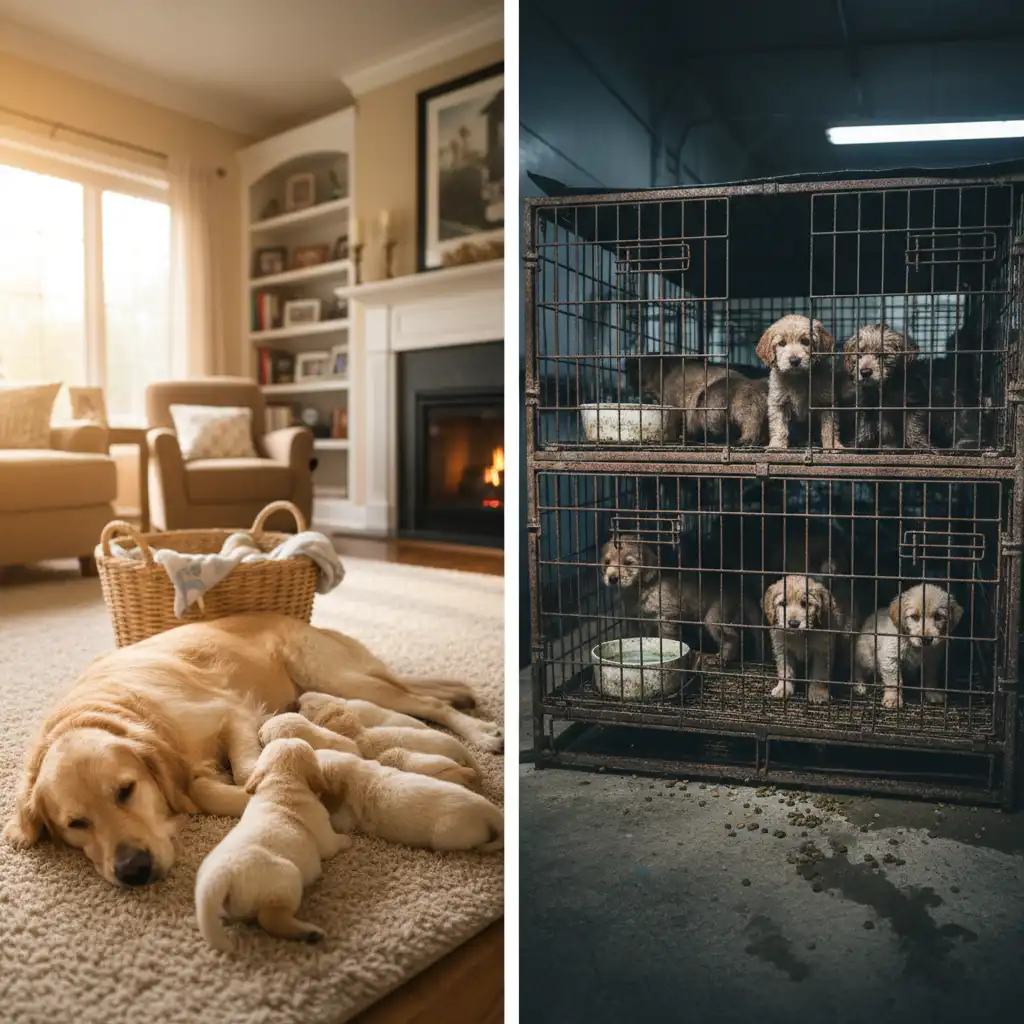
Puppy mill signs NZ generally include breeders who refuse to let you view the puppy with its mother, offer multiple breeds simultaneously, or cannot provide valid veterinarian vaccination records. High-volume listings on platforms like TradeMe, a lack of questions regarding your home environment, and pressure to complete a sale quickly are distinct indicators of unethical breeding operations prioritizing profit over animal welfare.
Understanding Puppy Farming in Aotearoa
New Zealand is a nation of pet lovers, with one of the highest rates of pet ownership in the world. However, this high demand creates a lucrative market for unscrupulous individuals looking to exploit animals for financial gain. While the term “puppy mill” often conjures images of large-scale industrial warehouses seen overseas, in New Zealand, the reality can look quite different. It often manifests as “backyard breeding” operations where dogs are kept in substandard conditions, hidden away in rural blocks or suburban garages.
The distinction between a responsible breeder and a puppy farmer is not always immediately obvious to the untrained eye. Puppy farmers have become adept at masking their operations, utilizing slick websites and emotional manipulation to sell sick or poorly socialized animals. Understanding the nuance of puppy mill signs NZ is critical not only for the welfare of the animals involved but also for the protection of your family. Adopting a puppy from a mill often leads to years of heartache, behavioral issues, and significant veterinary costs due to poor genetics and early-life trauma.
This guide serves as a definitive resource for prospective pet owners and tenant advocates in New Zealand. By learning to identify the red flags, you become the first line of defense against animal cruelty.
The Legal Landscape: Is Puppy Farming Illegal in NZ?
One of the most confusing aspects for Kiwi consumers is the legal status of puppy farming. Many assume that because New Zealand has strong animal welfare reputations, puppy farming must be explicitly illegal. The reality is more complex.
Currently, there is no specific legislation in New Zealand that bans “puppy farming” by name. Instead, breeders are governed by the Animal Welfare Act 1999 and the relevant Codes of Welfare. These laws mandate that animals must be provided with proper food, water, shelter, and medical care, and they must be able to display normal patterns of behavior.
However, the definition of “adequate” can be subjective and difficult to enforce until severe neglect has occurred. A breeder can legally produce multiple litters a year as long as the basic physical needs of the dogs are met, even if the psychological and social needs are neglected. This regulatory gap is where unethical breeders thrive.
The New Zealand government and advocacy groups like the SPCA are constantly reviewing these regulations. For the most accurate and up-to-date information on animal welfare regulations, you can refer to the Ministry for Primary Industries (MPI) Codes of Welfare. These codes set the minimum standards, but ethical breeders will always strive to exceed these minimums significantly. For those considering bringing animals into New Zealand, specific guidelines on Importing Pets to NZ: MPI Standards are also crucial.
Digital Red Flags: Spotting Danger on TradeMe and Social Media
In the digital age, the first point of contact with a breeder is almost always online. Platforms like TradeMe, Facebook Marketplace (despite bans on animal sales, groups still exist), and dedicated classified sites are the primary hunting grounds for puppy farmers. Recognizing puppy mill signs NZ in an online listing is a skill that can save you from a disastrous purchase.
1. The “Ready Now” Urgency
Ethical breeders rarely have puppies available immediately. They often have waiting lists established before the puppies are even born. If a seller is pushing the narrative that puppies are “ready to go now” or offering discounts for quick sales, be extremely cautious. This urgency suggests they are treating the animals as inventory that needs to be cleared rather than lives that need to be matched with the right homes.
2. Multiple Breeds Available
It is exceptionally rare for a responsible breeder to specialize in more than one or two breeds. Breeding requires deep knowledge of genetics, temperament, and health issues specific to a breed. If a seller is advertising French Bulldogs, Cavoodles, and Labradors all at the same time, this is a massive red flag. It indicates a commercial volume operation rather than a specialist dedication.
3. Generic or Staged Photos
Be wary of listings that use stock images or photos that look like they were taken in a studio. You want to see candid photos of the puppies in a home environment. Furthermore, utilize Google Reverse Image Search on the listing photos. Scammers and puppy mills often steal photos from legitimate overseas breeders to mask their own substandard facilities.
4. Lack of Parental Information
A legitimate listing will talk as much about the parents as the puppies. They should describe the temperament and health of the mother (dam) and father (sire). If the listing focuses solely on the “cuteness” of the puppy and omits details about the parents, it is likely because the parents are in poor condition or are not on the premises.
The Physical Visit: Environmental Warning Signs
Never buy a puppy without visiting the place where it was born and raised. If a breeder makes excuses—such as “meeting in a car park due to COVID safety” or “we are renovating”—walk away immediately. This is perhaps the single most significant of all puppy mill signs NZ residents encounter. They do not want you to see the conditions the dogs live in.
When you do visit, observe the following:
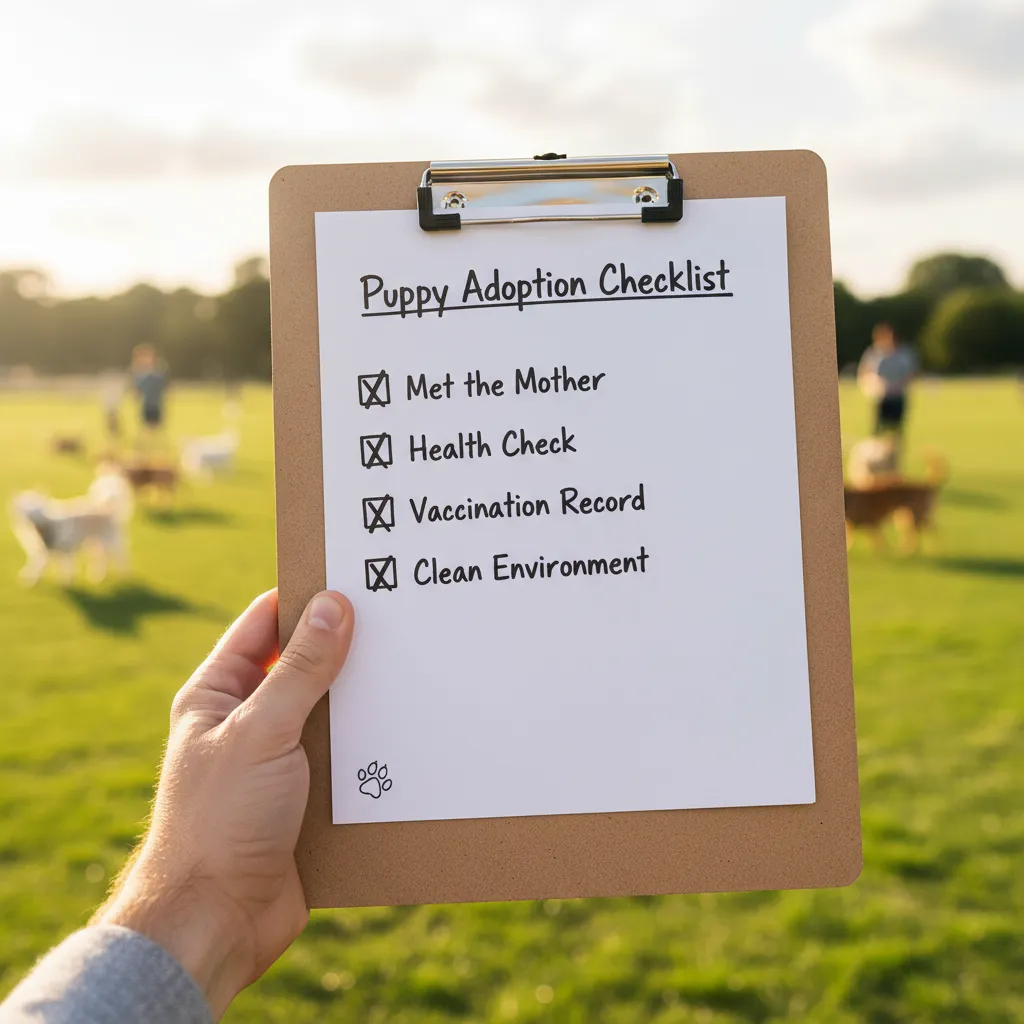
- The Mother’s Behavior: You must see the puppy with its mother. Is she anxious, aggressive, or lethargic? Does she interact with the breeder with fear? A mother dog should be attentive and generally comfortable with her human caretakers. If the mother is absent, do not proceed.
- Smell and Cleanliness: A house with puppies will not be spotless, but it should not smell of overpowering ammonia (urine) or feces. Strong chemical smells can also be a sign they are trying to mask a hygiene issue.
- Socialization: Are the puppies kept in a barn, garage, or kennel block? Puppies raised in isolation from the household sights and sounds (vacuums, TV, talking) often struggle with behavioral issues later in life. The best puppies are raised “underfoot” in the home.
Health Documentation and Genetic Testing
A healthy puppy is not just one that looks cute; it is one that has been medically vetted. In New Zealand, puppies should not leave their mother before 8 weeks of age. Selling them younger is a breach of the Code of Welfare.
The Vet Book
Every puppy must come with a vaccination booklet signed by a registered veterinarian. This booklet should show the date of the first vaccination and the date of the next due shot. Puppy farmers often forge these or administer vaccines themselves (which is not sufficient proof for boarding kennels or insurance). Look for the clinic’s stamp and contact them to verify if you are suspicious.
Genetic Health Testing
Different breeds suffer from different genetic conditions (e.g., hip dysplasia in Labradors, breathing issues in Pugs). Responsible breeders conduct DNA tests and physical scores (like hip scoring) on the parents before breeding. Simply saying “the parents are healthy” is not enough. Ask to see the official paperwork for these tests.
The Interrogation: Critical Questions to Ask a Breeder
An interview with a breeder should be a two-way street. In fact, a good breeder will interrogate you more than you interrogate them. They want to know if you have a fenced property, if you have landlord permission, and how long the dog will be left alone. If they simply ask for cash and hand over the dog, that is a major red flag.
Here are essential questions to ask to uncover puppy mill signs NZ:
- “Can I meet the parents and see where the puppies sleep?” (The answer must be yes).
- “How many litters do you breed per year?” (High numbers suggest a commercial operation).
- “What happens if I can no longer keep the dog?“ (A responsible breeder will contractually require you to return the dog to them, regardless of age, to ensure it never ends up in a shelter).
- “Are you a registered breeder with Dogs NZ?” (While not all good breeders are registered, and not all registered breeders are perfect, this provides a layer of accountability).
- “What socialisation have the puppies had?” (Look for specifics: handled by children, exposed to car rides, introduced to other animals).
Reporting Suspected Puppy Mills to NZ Authorities
If you encounter a situation that raises alarms, do not simply walk away and forget about it. By reporting it, you help build a case that could save hundreds of animals from suffering. It is a common misconception that you need definitive proof to make a report; you only need reasonable grounds for concern.
Where to report:
- SPCA New Zealand: The SPCA is the primary agency for investigating animal welfare complaints. You can report cruelty or neglect via their website or phone line.
- Ministry for Primary Industries (MPI): For large-scale agricultural or commercial breaches.
- TradeMe/Platform Support: If the listing is on TradeMe, use the “Community Watch” or reporting button on the listing. TradeMe has specific policies regarding animal welfare and will remove listings that violate them.
When reporting, provide as much detail as possible: the address, the seller’s name or username, screenshots of the listing, and a description of the condition of the animals. For more details on the process, visit the SPCA New Zealand Reporting Page.
Conclusion: The Power of Ethical Adoption
Identifying puppy mill signs NZ is about shifting the power dynamic. When buyers refuse to support unethical breeders, the financial incentive for puppy farming diminishes. While the search for an ethical breeder or a rescue dog may take longer and require more patience, the reward is a healthy, well-adjusted companion who has not been born into suffering.
Remember, when you buy a puppy, you are not just buying a pet; you are voting with your wallet for the kind of animal welfare standards you want to see in New Zealand. Whether you choose to adopt from a shelter or buy from a reputable preservation breeder, ensure your choice supports a system of care, respect, and love. This includes considering options like Understanding Home-to-Home Pet Rehoming.
People Also Ask
Is puppy farming illegal in NZ?
Puppy farming itself is not explicitly defined as illegal in New Zealand law, provided the basic needs of the animals (food, water, shelter) are met under the Animal Welfare Act 1999. However, breaches of the Code of Welfare, such as neglect or cruelty, are illegal and can be prosecuted by the SPCA or MPI.
How do I report a puppy mill in NZ?
You can report suspected puppy mills to the SPCA New Zealand through their online welfare complaint form or by calling their inspectorate line. You should provide the address, details of the animals’ conditions, and any evidence like photos or listing screenshots.
Can I buy a puppy on TradeMe safely?
Yes, but you must be vigilant. TradeMe has guidelines, but unethical breeders still use the platform. Always insist on visiting the property, meeting the mother dog, and verifying vet records before exchanging any money. Never pay a deposit without viewing the puppy first.
What questions should I ask a breeder NZ?
Ask to see the parents, ask about health testing (DNA and hip scores), ask how many litters they breed a year, and ask what support they offer if you can no longer keep the dog. A good breeder will also ask you many questions about your lifestyle.
How old must a puppy be to leave its mother NZ?
Under the Code of Welfare, puppies should not leave their mother before 8 weeks of age. This ensures they are fully weaned and have had necessary socialisation time with their littermates and mother.
What is a backyard breeder vs puppy mill?
A puppy mill is a large-scale commercial operation prioritizing profit over welfare. A backyard breeder is often a smaller operation, sometimes unintentional or amateur, but may still lack the knowledge or resources to breed ethically. Both can result in poor health outcomes for dogs.
