Senior Cat Adoption Benefits
To adopt a senior cat in NZ means providing a loving retirement home for a feline typically aged seven years or older. This choice offers immediate companionship without the high-energy demands of a kitten, as senior cats are usually litter-trained, have established personalities, and integrate seamlessly into quieter households or rental properties.
Why Choose to Adopt a Senior Cat in NZ?
When most people walk into an animal shelter, they are immediately drawn to the high-pitched mews of kittens. However, experienced cat owners and animal welfare advocates know that the true gems of the shelter system are often found in the quieter cages: the senior cats. Adopting a senior cat in New Zealand is not merely an act of charity; it is a strategic decision for lifestyle compatibility, particularly for working professionals, seniors, and families looking for a calm addition to the home.
Senior cats, generally classified as those aged seven and older, come with a “what you see is what you get” guarantee regarding personality. Unlike kittens, whose temperaments can change drastically as they mature, a senior cat’s character is fully developed. If you meet a cuddly, lap-loving 10-year-old cat at the SPCA, it is highly likely they will remain that way when you bring them home. This predictability is invaluable for adopters who need a specific type of companion to fit their household dynamic.
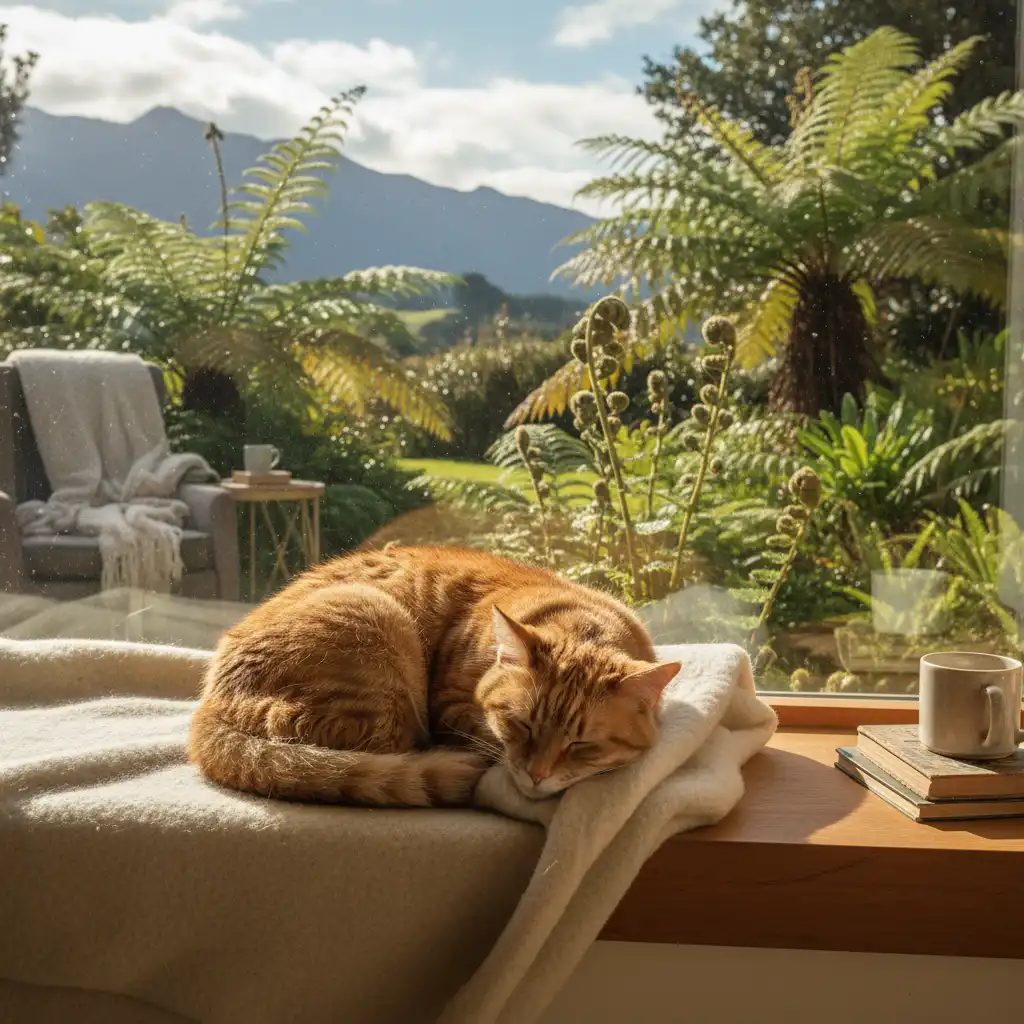
Furthermore, the energy levels of senior cats are significantly lower. While they still enjoy play sessions, they do not possess the destructive, boundless energy of a kitten that might climb curtains or scratch furniture out of boredom. For Kiwi households where the owners work full-time, a senior cat is often content to snooze in a sunbeam for the majority of the day, greeting you warmly when you return, rather than demanding constant supervision.
The Renter’s Advantage: Senior Cats and Tenant Advocacy
New Zealand’s rental market is notoriously difficult for pet owners. With a shortage of pet-friendly rentals, tenants often face an uphill battle convincing landlords to allow an animal on the property. This is where adopting a senior cat becomes a significant advantage in the realm of tenant advocacy.
Landlords are primarily concerned with property damage and noise. Kittens and young cats present a higher risk profile: they are more likely to scratch carpets, damage door frames, or have litter box accidents during training. In contrast, a senior cat is typically viewed as a “low-risk” tenant. They are almost exclusively litter-trained and have long passed the teething and scratching phases associated with feline adolescence.
When applying for a rental property or requesting permission to add a pet to your lease, presenting a “Pet CV” for a senior cat can be a game-changer. Highlighting that the cat is desexed, microchipped, has a history of perfect litter usage, and spends 18 hours a day sleeping can alleviate a landlord’s fears. Many rescue organizations in NZ will provide references for the cat’s behavior, further bolstering your case. Adopting a senior cat is, therefore, one of the most strategic moves a renter can make if they desire feline companionship but fear lease restrictions.
Understanding ‘Golden Oldies’ and Senior Rescue Programs
Across New Zealand, various animal welfare organizations have recognized the difficulty in rehoming older cats and have established specific programs to incentivize their adoption. These are often affectionately termed “Golden Oldies” programs. The goal is to remove barriers to adoption for cats who are often overlooked simply due to the number on their vet chart.
Organizations like the SPCA New Zealand and various local branches often feature these cats prominently. The philosophy behind these programs is that age is not a disease. Many of these cats have lived in homes their entire lives and find themselves in shelters due to the death of an owner or a change in family circumstances, not because of behavioral issues.
Some specific benefits often attached to senior adoption programs in NZ include:
- Reduced Adoption Fees: To encourage adoption, fees for senior cats are often significantly lower than those for kittens.
- Health Checks and Dental Work: Reputable shelters ensure that senior cats have had a thorough geriatric blood panel and, crucially, necessary dental work completed before adoption. This saves the new owner significant upfront veterinary costs.
- Foster-to-Adopt Schemes: Some shelters allow a trial period for senior cats to ensure they settle well into the home before the adoption is finalized, reducing the risk for the adopter.
Health Considerations for Aging Felines
While the temperament of a senior cat is a major selling point, potential adopters must be realistic and informed about the health considerations that come with aging animals. Just like humans, cats experience physical changes as they age. Being proactive about these conditions ensures your senior companion lives a comfortable and happy life.
Kidney Function (Chronic Kidney Disease)
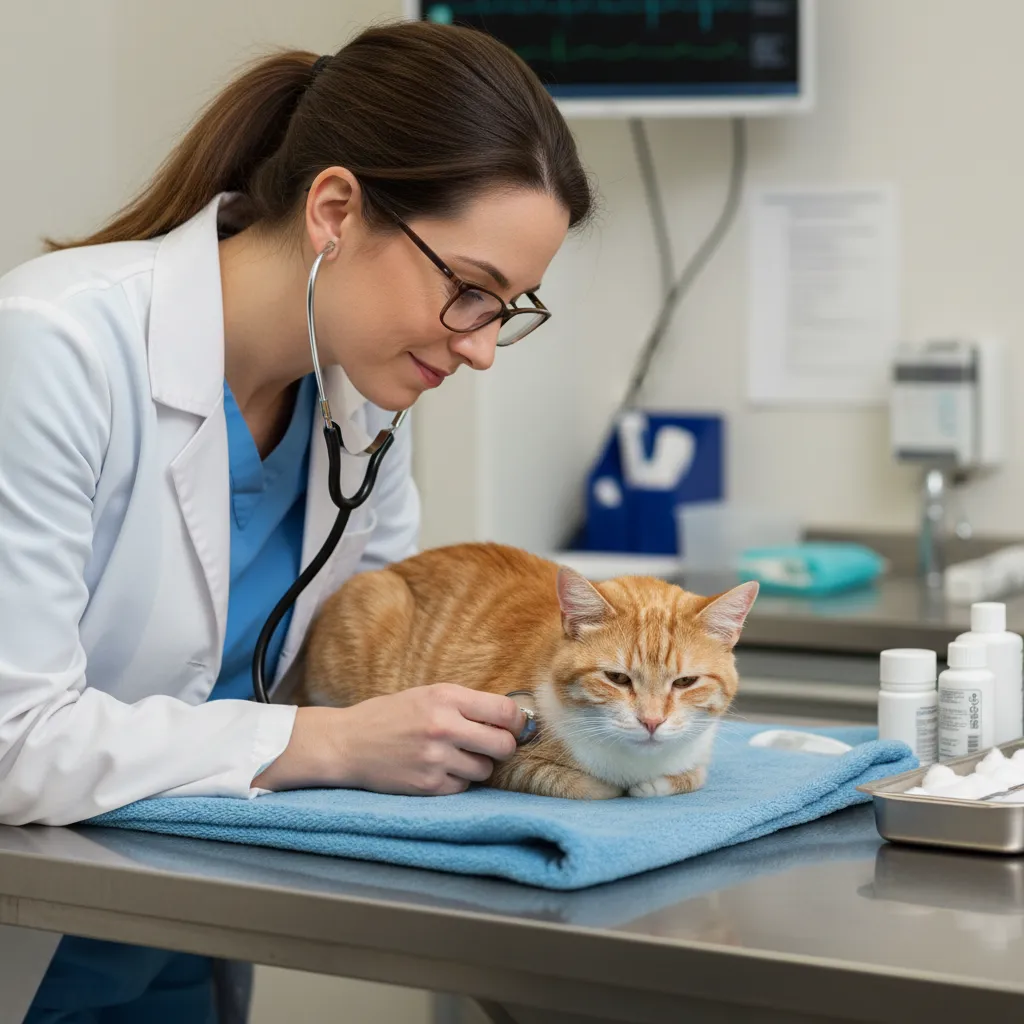
Chronic Kidney Disease (CKD) is one of the most common ailments in older cats. It is a progressive condition, but with early detection, it can be managed effectively for years. When you adopt a senior cat, ask for their latest blood test results. Management usually involves a specific prescription diet that supports kidney function and ensuring the cat maintains good hydration. Water fountains are an excellent investment for senior cats to encourage drinking.
Dental Health
Dental disease is prevalent in cats over the age of three, and by the time a cat reaches senior status, they may have required extractions. A cat with no teeth can eat just as well—if not better—than a cat with painful teeth. When adopting, check if the cat has had a recent dental scale and polish. Bad breath in a senior cat is not “normal”; it is usually a sign of dental decay that needs veterinary attention.
Osteoarthritis and Mobility
Arthritis is frequently underdiagnosed in cats because they are masters at hiding pain. Instead of limping, an arthritic cat will simply stop jumping on high counters or may hesitate before using the stairs. Managing arthritis in senior cats has become much easier with modern veterinary medicine, including monthly injections (like Solensia) that significantly improve quality of life. Providing heated beds and ramps can also make a world of difference.
For authoritative information on feline health management, resources like the Cornell Feline Health Center provide excellent, science-backed guidance that applies universally to cat owners.
Preparing Your Home for a Senior Adoptee
Bringing a senior cat home requires a slightly different approach than bringing home a kitten. The focus should be on comfort, accessibility, and stress reduction. Senior cats may take a little longer to adjust to a new environment, not because they are unfriendly, but because they are set in their ways and need time to process change.
Accessibility Modifications
Evaluate your home from the perspective of a cat with potential stiffness in their joints. If the litter box is currently in the laundry room with a high-sided entry, consider switching to a low-entry tray. If your home has multiple stories, ensure that essential resources—food, water, and a litter tray—are available on the level where the cat spends the most time. This prevents accidents and ensures the cat doesn’t have to navigate stairs if they are having a “bad joint day.”
Creating Safe Zones
Senior cats value peace. Before you bring your new companion home, set up a “sanctuary room.” This should be a quiet, low-traffic area where the cat can retreat. Include a comfortable bed (preferably heated or thermal), fresh water, and a hiding spot. Allow the cat to decompress in this room for a few days before introducing them to the rest of the house. This is especially critical if you have other pets or young children.
The Adoption Process: What to Expect
The process to adopt a senior cat in NZ is designed to ensure a perfect match. Rescue organizations invest heavily in their senior residents and want to ensure they do not return to the shelter system.
- The Application: You will likely fill out a detailed questionnaire about your lifestyle, home environment (renting vs. owning), and expectations. Be honest about your activity levels and how much time you spend at home.
- The Meet and Greet: Spend time with the cat. Don’t expect them to play immediately. Sit quietly and let them approach you. A senior cat choosing to sit next to you is a sign of high approval.
- Veterinary Discussion: A reputable shelter will walk you through the cat’s medical history. This is the time to ask about diet, medication, and future prognosis. Ensure you understand the financial commitment of any existing conditions.
- Home Check: Some organizations may require a home check (virtual or physical) to ensure the environment is safe and secure.
Success Stories: The Joy of Grey Muzzles
Talk to anyone who has adopted a senior cat, and you will hear stories of profound gratitude. There is a common sentiment among adopters that rescue animals, particularly older ones, seem to understand that they have been saved. The bond formed with a senior cat is often described as deeper and more soulful.
One success story from a Wellington adopter involves “Barnaby,” a 14-year-old tabby who had spent six months in a shelter. His new owner, a remote worker, needed a companion who wouldn’t disrupt Zoom calls. Barnaby settled in within 24 hours, claiming a spot on the desk chair. He required a special renal diet, but in exchange, he provided constant, purring companionship without a single instance of scratched furniture. Stories like Barnaby’s are commonplace. These cats are not “broken”; they are simply waiting for a second act.
Frequently Asked Questions
Is it expensive to adopt a senior cat in NZ?
Adoption fees for senior cats are usually lower than for kittens, often ranging from $50 to $100 NZD, or sometimes waived entirely during special campaigns. However, potential owners should budget for higher veterinary costs related to age-related health maintenance, such as dental care or arthritis management.
Are senior cats good for apartments?
Yes, senior cats are excellent for apartments. They generally have lower energy levels and require less space to run around than kittens. Their preference for sleeping and lounging makes them ideal companions for smaller living spaces.
Can I get pet insurance for a senior cat in NZ?
Yes, several NZ pet insurance providers offer cover for older cats, though some may have age limits for new policies (often around 9-10 years). Pre-existing conditions are typically excluded, so it is best to insure them as soon as possible after adoption.
How long do senior cats usually live?
Indoor cats can live well into their late teens or early twenties. Adopting a 10-year-old cat could mean you have a companion for another 5 to 10 years, depending on their health and genetics.
Do senior cats get along with other pets?
It depends on the individual cat. Many senior cats have lived with other animals before and can integrate well if introduced slowly. However, some may prefer to be the only pet. Shelters will typically advise if a specific cat is “cat-friendly” or prefers a solo life.
What is the best food for a senior cat?
Senior cats often benefit from “Senior” or “Mature” formulated diets which are easier to digest and have adjusted mineral levels (lower phosphorus) to support kidney health. Wet food is highly recommended to maintain hydration.
